Demystifying Tow Companies: An Insider’s Look at the Industry
Understanding the Tow Company Landscape
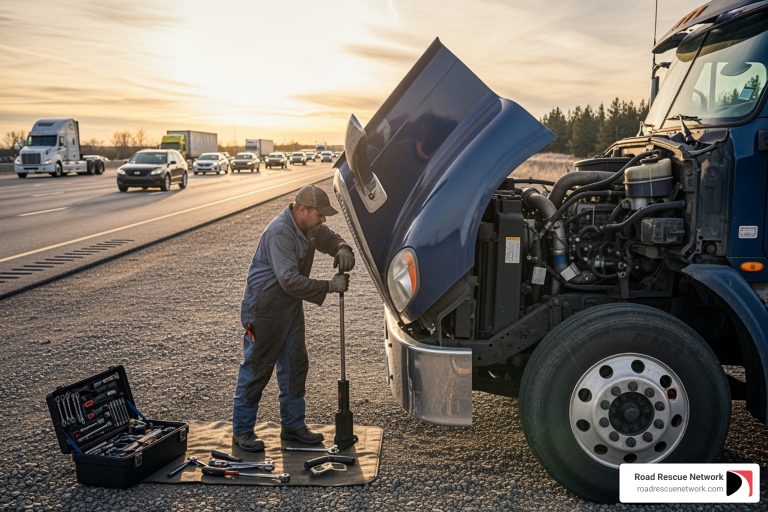
Tow companies provide essential services that go far beyond simply hauling broken-down vehicles. Whether you’re stranded with a flat tire or need a vehicle transported, these businesses are the backbone of roadside emergency response.
What Tow Companies Do:
- Emergency Roadside Assistance – Jump starts, tire changes, lockout help, and fuel delivery
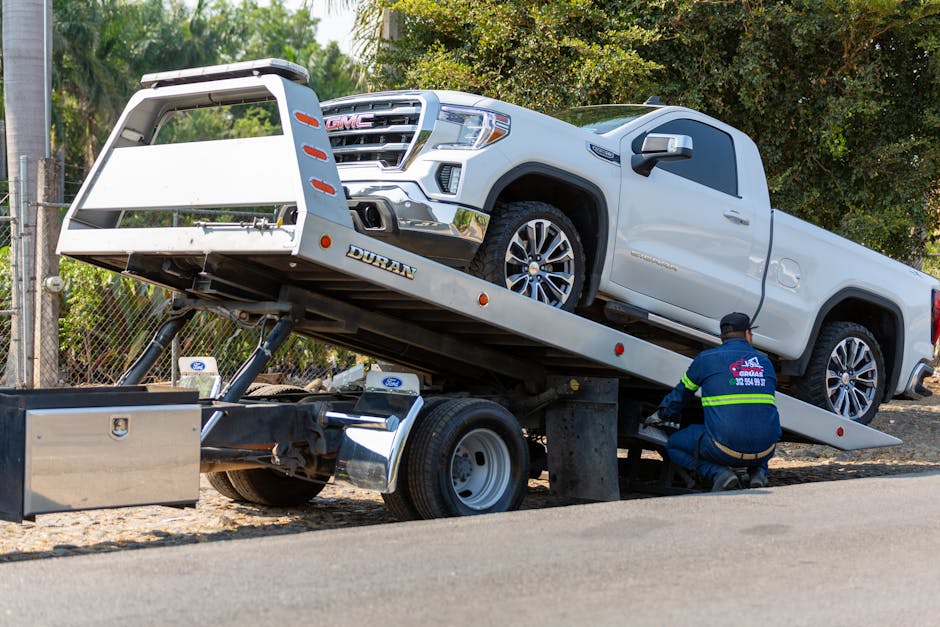
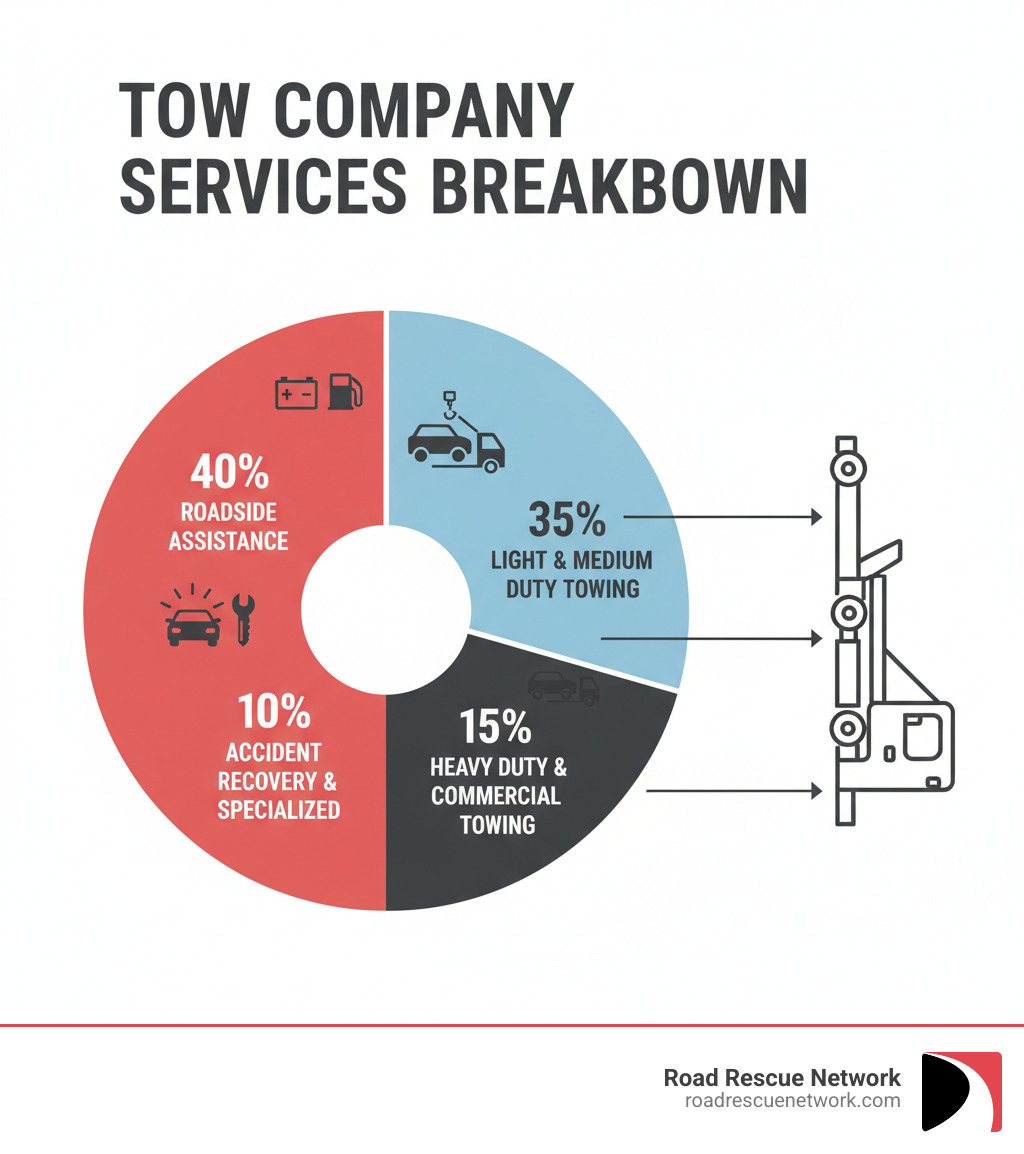
- Vehicle Towing – Light-duty (cars), medium-duty (vans/trucks), and heavy-duty (commercial vehicles) transport
- Accident Recovery – Removing damaged vehicles from accident scenes and transporting them to repair facilities
- Specialized Services – Winching, vehicle recovery from ditches or off-road situations, and long-distance hauling
The industry operates 24/7 because emergencies don’t follow a schedule. For example, California’s Freeway Service Patrol (FSP) assists about 650,000 motorists annually on state highways, providing free emergency assistance to keep traffic moving.
Key differences between service models:
| Service Type | How It Works | Best For |
|---|---|---|
| Membership Programs | Annual fee, limited free calls | Frequent drivers, peace of mind |
| On-Demand Services | Pay per use, no membership | Occasional needs, flexibility |
| Public Programs (FSP in California) | Free, limited to freeways | Highway breakdowns in specific areas |
I’m Byron Tarlton, founder of Road Rescue Network. With decades in the emergency service industry, I’ve gained an insider’s view on how tow companies operate and what drivers truly need during a roadside emergency.
Core Services: What Tow Companies Really Do
When your car suddenly makes a strange noise or the battery dies, understanding what tow companies actually do becomes invaluable. These professionals are problem-solvers who can often get you back on the road without a tow.
Differentiating Towing from Roadside Assistance
Towing and roadside assistance aren’t the same, though one company often provides both.
Roadside assistance focuses on fixing minor problems right where you’re stuck. The goal is to get your vehicle running again with quick fixes like a jump-start, tire change, or fuel delivery. Programs like California’s Freeway Service Patrol provide these services on congested freeways to get motorists moving again. Similarly, many companies offer 24/7 roadside assistance that covers tire repair, jumpstarts, fuel delivery, and lockout help.
Towing, on the other hand, means your vehicle is going for a ride on someone else’s wheels. This happens when your car can’t be fixed on the spot or isn’t safe to drive. The truck transports your vehicle from its current location to a repair shop, your home, or another safe place.
At Road Rescue Network, we connect you with local rescuers who handle both scenarios. Need a quick Jump Start Services in Wisconsin to revive your battery? We’ve got you. Locked your keys in the car? Our Lockout Services in Arkansas partners can help. Running on empty? Fuel Delivery in Maryland and across the country is just a call away.
Common Roadside Emergencies Handled
Car trouble has terrible timing, but tow companies and roadside assistance providers are prepared for the most common scenarios.
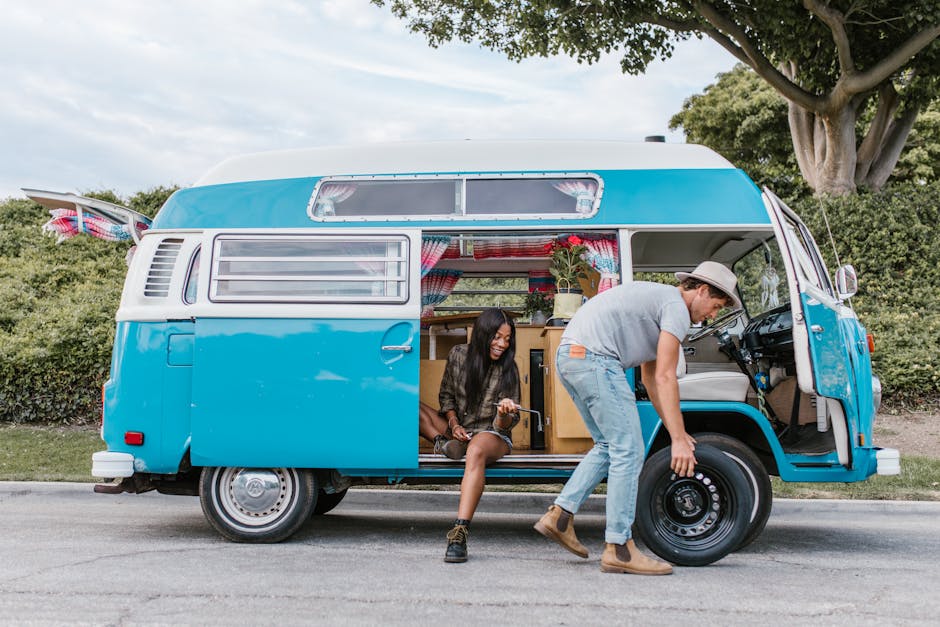
Flat tires top the list of roadside headaches. A slow leak or a sudden blowout can leave you stuck. Most roadside services can patch the tire or swap it out with your spare. We connect drivers with Mobile Tire Repair in Pennsylvania and Tire Change Services in Utah so you’re never left waiting long.
Dead batteries are silent troublemakers. A simple jump-start usually brings your vehicle back to life.
Running out of gas happens more often than people admit. Fuel delivery services bring you enough gas to reach the nearest pump, saving you a walk along the highway.
Lockouts are frustrating but fixable. Professional lockout services can get you back inside your car without causing damage.
Minor mechanical issues sometimes just need a temporary fix. The Freeway Service Patrol, for example, can help with things like loose battery cables or minor radiator issues—just enough to get you off the freeway and to proper help.
Types of Towing Services Explained
Different vehicles require different types of tows. Understanding the options helps you know what to expect when help arrives.
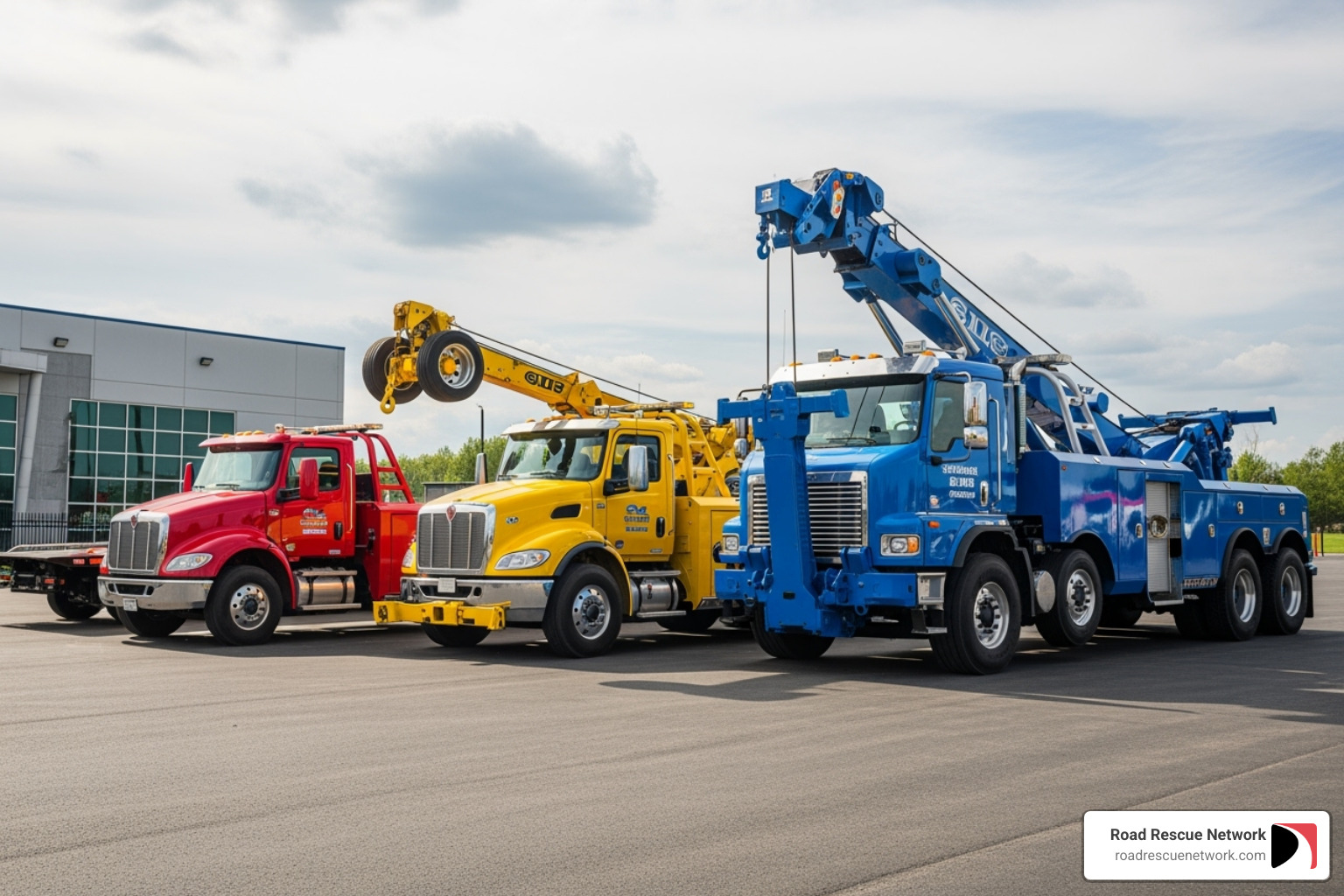
Light-duty towing handles everyday passenger vehicles like cars, small SUVs, and motorcycles. These tows use wheel-lift or flatbed trucks and represent the majority of calls. If you’re driving a sedan, you’ll receive Light Duty Towing in Texas or wherever you break down.
Medium-duty towing is for larger vehicles like SUVs, vans, small commercial trucks, and RVs. These require more powerful equipment. Think Medium Duty Towing in New York for your family’s adventure van.
Heavy-duty towing is for semi-trucks, buses, and construction equipment. These jobs need specialized wreckers and experienced operators for complex tasks, including winching and recovery. Commercial drivers might need Heavy Duty Towing in North Carolina when their rig has trouble.
Flatbed towing loads your entire vehicle onto a flat platform. This method is ideal for all-wheel-drive vehicles, luxury cars, or heavily damaged vehicles, as it keeps all four wheels off the ground to prevent wear or damage.
Wheel-lift towing uses a metal yoke to hook under the front or rear wheels, lifting them while the other two wheels roll on the road. It’s efficient for shorter distances and works well for vehicles that can still move freely on two wheels.
Each method requires specific equipment and expertise. Professional tow companies match the right approach to your vehicle’s needs to ensure safe transport.
Finding and Hiring Reputable Tow Companies
When your car breaks down, choosing the right tow company is crucial. A good choice makes a stressful situation manageable, while a bad one can lead to surprise fees and frustration.
Let’s walk through what you need to know to make smart choices when you’re stuck.
Decoding the Bill: What Influences Towing Costs?
Towing costs aren’t as mysterious as they seem. Understanding the standard formula can save you from sticker shock.
The base rate or hook-up fee is the initial charge that covers getting a truck to your location and connecting your vehicle. From there, you’ll see a per-mile charge for the distance your vehicle travels. These two components form the foundation of most towing bills.
But that’s not the whole story. Time of day makes a real difference. Breaking down at night or on a weekend will likely cost more than during standard business hours.
Your vehicle type and size matter too. A compact sedan requires different equipment than a lifted truck or an RV. Light-duty, medium-duty, and heavy-duty towing represent real differences in the trucks and skills required.
Location accessibility can significantly impact your final cost. Difficult recoveries, such as winching a car from a ditch, require specialized equipment and extra time, which adds to the cost.
Finally, special equipment needs come into play. If you’re driving an all-wheel-drive vehicle or a luxury car that needs a flatbed, expect additional charges.
For example, some companies clearly list their prices: a base rate for the first 10 miles, with a per-mile fee after that, and different rates for light- and medium-duty vehicles. This kind of transparent pricing is a good sign you’re dealing with a reputable company.
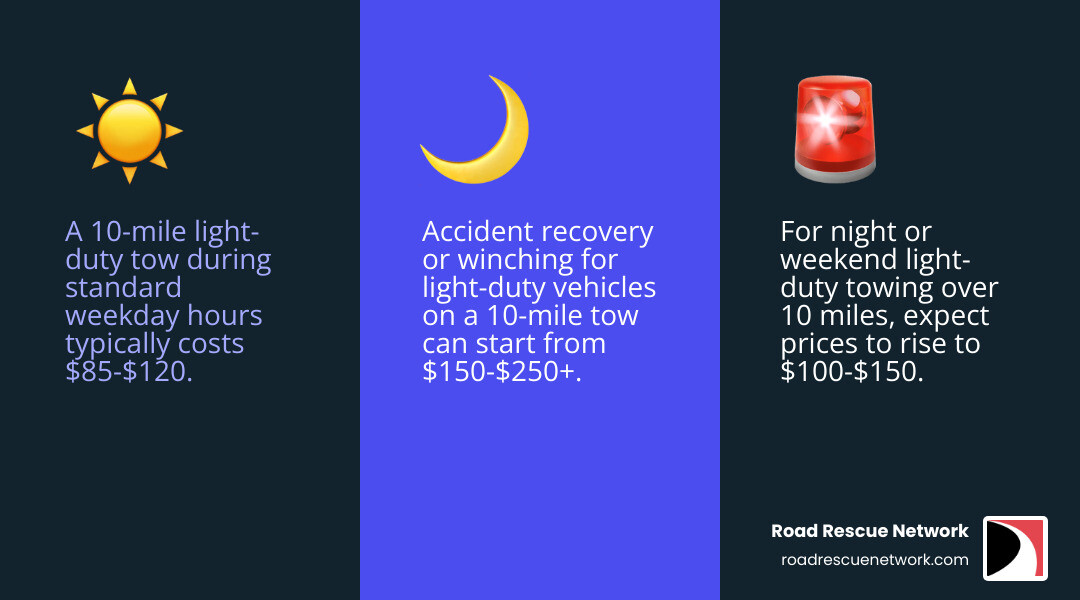
Here’s what you might expect for a 10-mile tow in different situations:
| Scenario | Estimated Cost (Light Duty) | Estimated Cost (Medium Duty) |
|---|---|---|
| Weekday, Standard Hours | $85 – $120 | $275 – $350 |
| Night/Weekend | $100 – $150 | $300 – $400 |
| Accident/Winching Required | $150 – $250+ | $400 – $600+ |
How to Find and Vet Reliable Tow Companies
When you’re stranded, you need help fast, but taking a moment to vet tow companies isn’t complicated.
Start with online reviews. Check Google or Yelp for patterns. Consistent praise for response time, fair pricing, and professionalism are green flags. Conversely, repeated complaints about hidden fees or vehicle damage are red flags.
Licensing and insurance are essential. Reputable tow companies are licensed and insured to protect you and your vehicle. Don’t hesitate to ask for proof.
Before you commit, ask for a quote upfront. A trustworthy company will provide a clear estimate. If a provider is vague about pricing, it’s best to call someone else.
Make sure you know what payment methods they accept. Confirm this when you call to avoid a last-minute scramble.
Finally, confirm 24/7 availability. Most breakdowns don’t happen during convenient business hours. Reputable companies operate around the clock because emergencies don’t wait.
At Road Rescue Network, we’ve already done the vetting work for you. We instantly connect you with local, reliable rescuers who offer transparent pricing and professional service. No guesswork, no gambling on who might show up. Find Towing Near You | Road Rescue Network.
Making the Call: What to Have Ready
Being prepared when you call for help can significantly cut down your wait time.
Your exact location is the most critical piece of information. Use landmarks, highway exits, or GPS coordinates from your phone instead of a vague description.
Have your vehicle information ready: make, model, color, and license plate number. This helps the driver spot your car immediately.
Describe the nature of the problem clearly. Is it a flat tire? Dead battery? This ensures the dispatcher sends the right equipment.
Make sure they have your name and phone number so they can reach you with updates.
Know your intended destination. Have the address ready for where you want your vehicle towed.
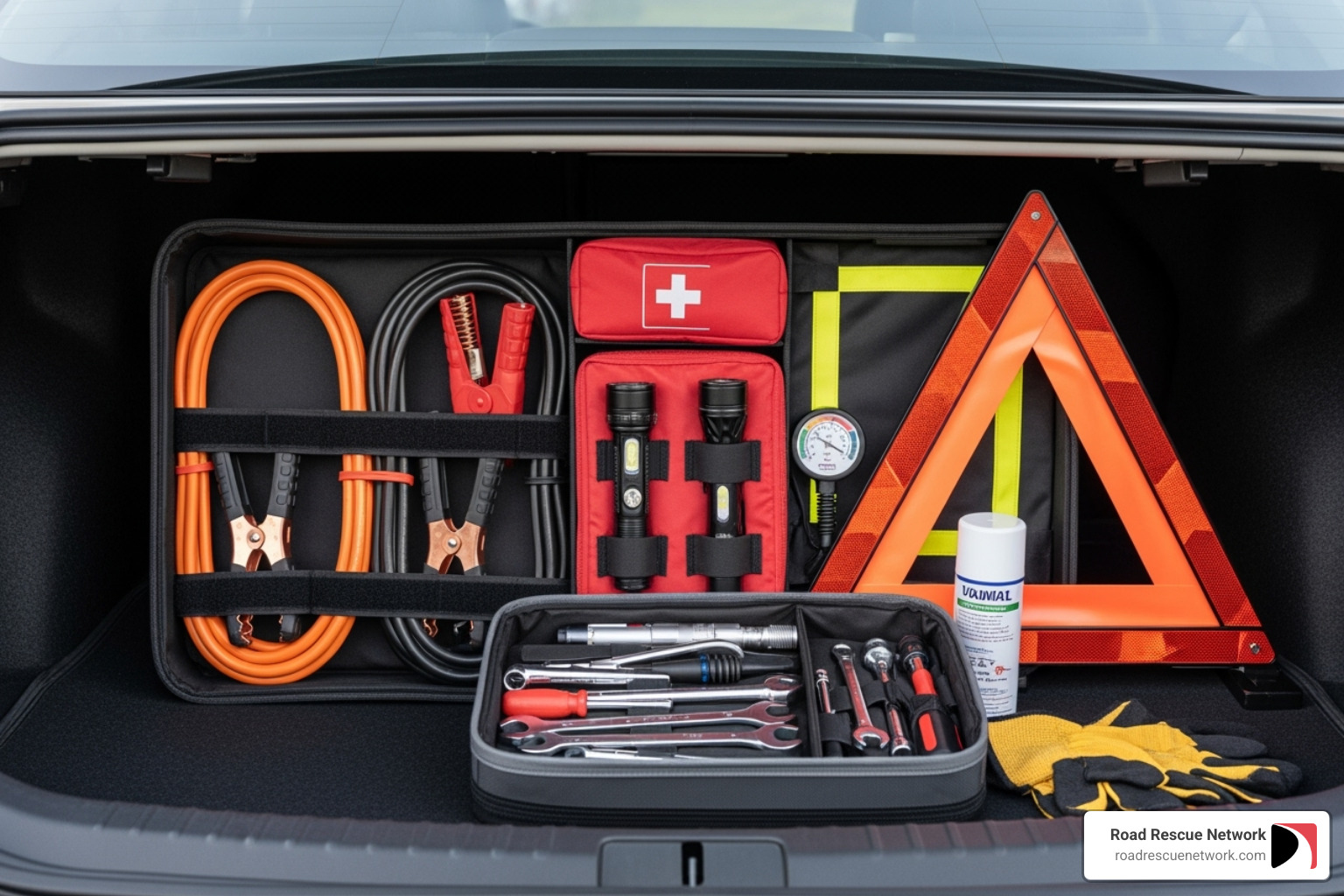
While you’re waiting, stay safe. Your safety comes first. Call 911 if anyone is injured or you’re in a dangerous spot. A roadside emergency kit with reflective triangles, a flashlight, and first-aid supplies can also make a significant difference while you wait.
Navigating Your Options: Direct Calls, Accidents, and Service Models
When your car decides to quit on you, knowing your options can turn a stressful situation into a manageable one. The roadside assistance world isn’t one-size-fits-all—there are different ways to get help, each with its own strengths. Let’s walk through your choices so you can make the best decision when you need it most.
Roadside Assistance Options: Membership-Style vs. On-Demand Services
Think of this as a “subscription versus pay-per-use” choice for roadside help.
Membership-style programs work like an insurance policy for your peace of mind. You pay an annual fee and in return, you get a certain number of service calls per year with specific towing mileage limits. These programs often offer different membership levels with towing coverage ranging from 5 miles up to 200 miles annually. They typically provide mobile apps and online request forms for convenience.
The benefit of memberships is predictable cost, but the downside is that you pay whether you use it or not, and you may face limitations on mileage, number of calls, or immediate use after signing up.
On-demand services flip the script entirely. You only pay when you actually need help. You call a local tow company directly or use a platform that connects you to one. The flexibility is fantastic—no annual commitment, and you can often shop around for the best price.
The trade-off is that pricing can be less predictable, and you may not have the same service guarantees as with a membership.
Then there’s California’s Freeway Service Patrol (FSP)—a free public service. Operating on congested freeways, FSP assists roughly 650,000 motorists annually. Their mission is to reduce traffic by quickly moving disabled vehicles, making it an incredible resource in covered areas.
At Road Rescue Network, we’ve built something that bridges these worlds. We offer on-demand service without the membership fees, but with the reliability and speed you’d expect from a premium service. We instantly connect you with local, vetted rescuers, give you transparent pricing, and we’re available 24/7. Learn more about How Road Rescue Network Works and Get Roadside Help Now.
Special Cases: Accident Towing and Long-Distance Hauls
Some situations require more than a simple jump-start or tire change.
If you’re in an accident, your first priority is always safety. Once emergency services are contacted, police may authorize a tow. It’s important to know you generally have the right to choose which tow company to use, even if the police suggest one. Beware of “chasers”—tow companies that show up uninvited. Before your vehicle is moved, document the scene with photos.
Long-distance hauls are a different beast. Whether you’re moving a vehicle across state lines or just a significant distance, this requires special planning. Many tow companies handle long-distance towing, often using flatbed trucks for maximum safety. For DIY moves, U-Haul offers towing equipment like car haulers. However, for a hands-off solution, working with experienced tow companies is your best bet. For specialized needs, consider services like Equipment Hauling in Arkansas when you need to transport non-drivable equipment.
Services Most Tow Companies Do Not Provide
It’s helpful to know the boundaries of what tow companies can do.
They won’t perform major on-site mechanical repairs. They might apply a temporary fix to get you to a shop, but their mission is to get your vehicle to a proper repair facility.
Towing from private property without proper authorization is another no-go. They cannot tow a vehicle from private property without authorization from the property owner, law enforcement, or the vehicle owner.
Most reputable tow companies also won’t recommend specific repair shops. This neutrality is a good practice to avoid conflicts of interest. The Freeway Service Patrol, for example, explicitly states this limitation. They will tow your vehicle to your chosen destination, but the decision is yours.
Finally, not all tow companies handle motorcycles, as they require special equipment. If you ride, always confirm this capability when calling. Some services include motorcycle coverage, but standard services might not.
Frequently Asked Questions About Towing Services
You’ve got questions, and we’ve got answers. These are the queries we hear most often from drivers, and we want to make sure you have clarity before you ever pick up the phone.
Can a tow company tow my car from my driveway?
Yes. Breakdowns don’t only happen on a busy highway. Whether your car won’t start in your driveway or is stuck in an office parking lot, tow companies and roadside assistance programs can come to you.
Most reputable tow companies and on-demand services like Road Rescue Network will dispatch a technician to tow your vehicle from your home or office to a repair location.
Will the tow truck driver give me a ride?
In most cases, yes. The goal is to rescue you and your vehicle. Most reputable tow companies will arrange to transport you and your passengers to a safe location, often to the same destination as your car.
However, it’s always smart to confirm this when you call, as some company policies or local regulations may have restrictions on passenger transport. Generally, you won’t be left stranded.
How much does it cost to add roadside assistance to my service?
The cost varies. Adding roadside assistance to an auto insurance policy depends on your location, vehicle, driving history, and coverage level. Many customers find the coverage is more affordable than they expect.
Membership programs also vary in price based on the provider and the membership tier you select, which affects benefits like towing mileage.
The best approach is to contact your insurance provider or a membership program directly for a personalized quote. And if you’re looking for a no-membership, pay-as-you-go option with transparent pricing, Road Rescue Network offers on-demand roadside assistance with no hidden fees—just fast, reliable help when you need it most.
Conclusion
A sudden flat tire or a dead battery in a parking lot can be stressful, but these moments don’t have to ruin your day.
We’ve covered the essentials of tow companies, from understanding the difference between a jump-start and a full tow to decoding bills and knowing your rights. These services are about getting you back to your life safely and affordably.
The real secret to handling roadside emergencies? It’s preparation. Knowing who to call, what information to have ready, and understanding your options transforms a potential nightmare into a minor inconvenience. Keep an emergency kit in your trunk and a reliable service number in your phone.
At Road Rescue Network, we understand the frustration of unused memberships and surprise fees. That’s why we built a different service that’s there when you need it, with transparent pricing and no strings attached. We offer fast, 24/7 service, instantly connecting you with trusted local rescuers.
Whether you need a simple tire change or a complex tow, day or night, you deserve straightforward and dependable help. No complicated memberships or hidden charges—just real people ready to rescue you from whatever roadside trouble comes your way.
Don’t wait until you’re stranded to think about this. Take a moment now to save our number or bookmark our site. When car trouble strikes, one of the best options is just a click away. Get fast, reliable mobile auto repair in Tennessee without a membership, or wherever you are across the country.
Your next breakdown doesn’t have to be a disaster. With the right preparation and the right partner, it’s just a bump in the road—one we’ll help you smooth out quickly so you can get back to what matters most.