
Your Two-Wheeled Lifeline: Finding the Best Bike Roadside Assistance
What is Bicycle Roadside Assistance and Why Every Cyclist Needs It
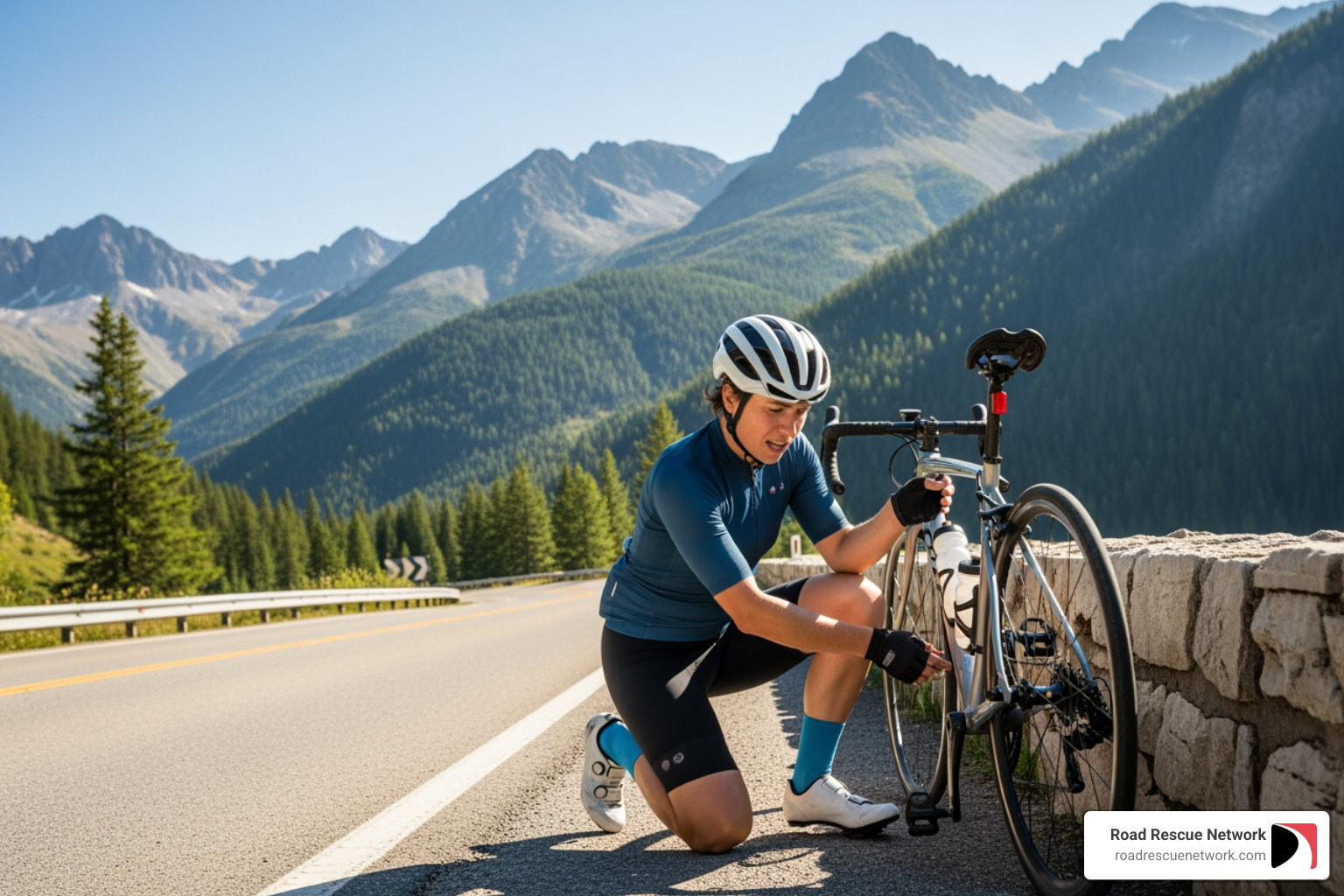
Bike road side assistance is a service that transports you and your disabled bicycle to a safe location when you experience a mechanical breakdown, flat tire, or other issue that leaves you stranded. Whether you’re a daily commuter or weekend warrior, it provides a safety net when your ride becomes unrideable.
Top Bike Roadside Assistance Options:
- AAA Membership – Free with all membership levels; 5-100+ miles of towing depending on tier
- Better World Club – $44.95/year standalone or $25 bundled; 30-mile transport; 2 calls/year
- SPOKE Insurance – Network of 10,000+ tow trucks; 35-mile coverage; up to 5 calls/year
- On-Demand Services – No membership required; pay per incident through local towing companies
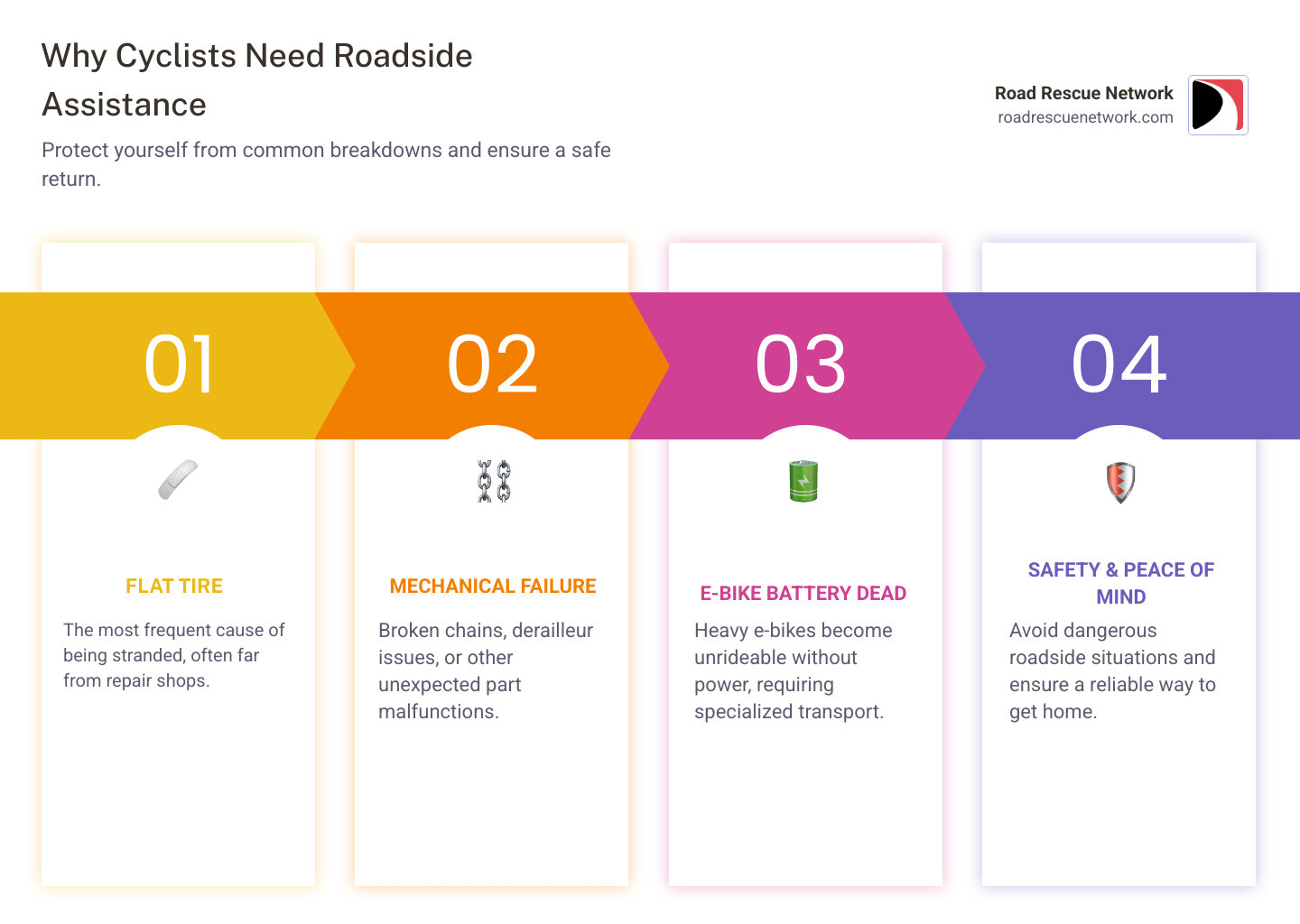
Here’s why this matters: Americans take more than 9 million bicycle trips every day. That’s a lot of potential for flat tires, broken chains, dead e-bike batteries, and other mechanical failures that can leave you miles from home with no easy way to transport a full-size bike.
Unlike a car breakdown where you can call an Uber, a disabled bicycle presents a unique challenge. Most bikes are nearly 5 feet long and won’t fit in a standard passenger vehicle. E-bikes are even more problematic due to their weight and size. You need specialized assistance designed specifically for bicycles.
Most bike roadside assistance programs focus on transportation only. They’ll pick you up and take you and your bike to a repair shop, your home, or another safe location. They won’t fix your flat tire on the spot or repair your broken chain—that’s not what they’re designed for. Think of it as a tow truck for your bicycle.
The service typically covers standard bicycles, e-bikes, rental bikes, and even tandems. Coverage ranges from 5 to 200 miles depending on your provider and membership level. Some programs are bundled with auto club memberships, while others are bicycle-specific offerings.
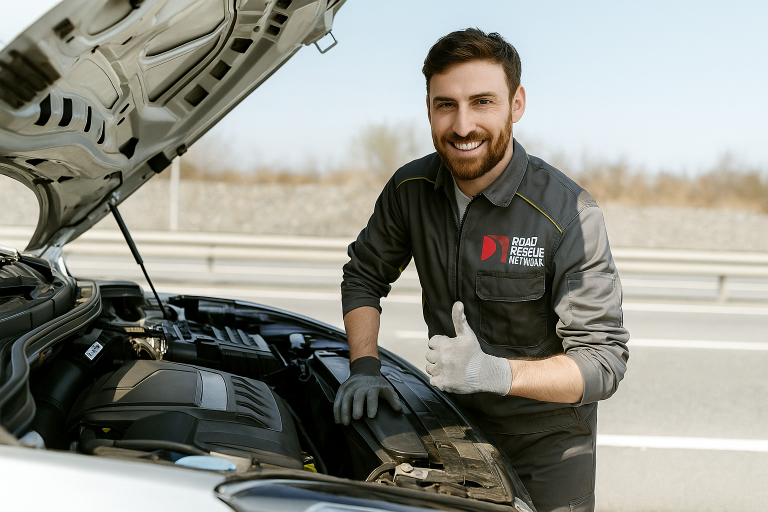
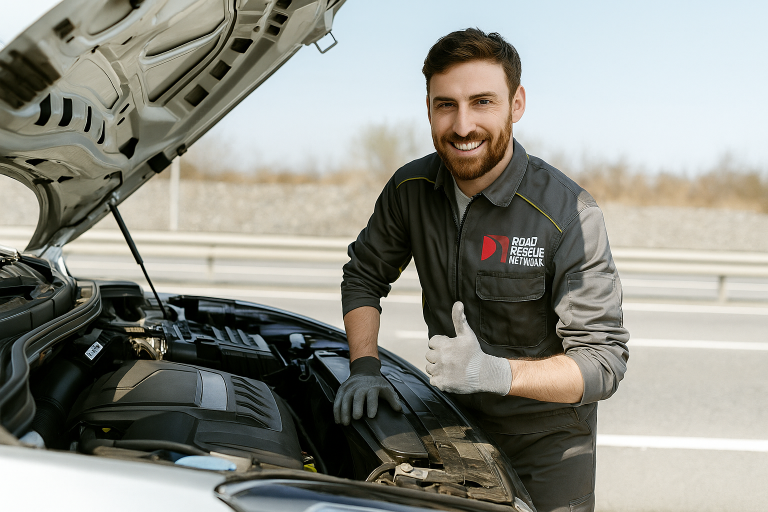
I’m Byron Tarlton, founder of Road Rescue Network, and I’ve spent over two decades building emergency assistance services across the transportation industry. Through my work connecting stranded motorists with reliable help, I’ve seen how crucial it is to have a dependable lifeline when you’re stuck—and that need extends just as much to bike road side assistance as it does to cars and trucks.
Comparing Membership-Based Bike Roadside Assistance Programs
When your ride takes an unexpected turn, having a plan in place can make all the difference. Several reputable organizations offer bike road side assistance, often through membership models. These memberships typically involve an annual fee and come with specific service call limits and towing mileages. Let’s explore some of the leading options.
AAA Bicycle Roadside Assistance
Many of us know AAA for their stellar service when our cars break down, but did you know they’ve extended that lifeline to cyclists too? AAA Bicycle Service is a fantastic perk that’s now included with all AAA membership levels at no additional charge. That’s right, you don’t need to sign up for anything extra; it’s simply part of your existing membership benefits.
When it comes to coverage, AAA members can use any of their yearly allotted service calls for bicycle roadside assistance. The towing mileage for your bike is just like it is for your car, varying by your membership tier:
- Classic Membership: Provides roadside transports within a 5-mile radius of your bicycle breakdown.
- Plus Membership: Expands that coverage significantly, offering transports within a 100-mile radius.
- Premier Membership: Gives you one transport up to a generous 200-mile radius, with remaining transports up to 100 miles.
This service is primarily for transporting you and your disabled bicycle to a safe location, such as your home or a bike repair shop. It’s crucial to remember that AAA doesn’t offer on-site mechanical repairs, like fixing a flat tire or a broken chain, nor do they provide bicycle lock services. They’re there to get you and your bike safely off the side of the road.
To receive service, you, the member, must be present with a valid AAA card and a driver’s license. The service is also typically limited to normally traveled roads or streets, meaning if you’re deep on an unpaved trail, you might need to move your bike to an accessible road first. And, for a touch of humor, AAA explicitly states that “fatigue and physical inability to continue with ride” are not covered reasons for assistance – so no wimping out!
Better World Club
If you’re looking for an eco-conscious alternative or a standalone bicycle-focused plan, Better World Club is a strong contender. They pride themselves on offering nationwide emergency roadside assistance specifically for bikes and e-bikes, a service they’ve provided for over 25 years. In fact, they claim to be the only roadside company offering nationwide coverage for bikes and e-bikes.
Their membership is straightforward:
- A Bicycle Only Membership costs $44.95 per year.
- If you bundle it with an Auto Membership, the Bicycle Roadside Assistance is only $25.00 per year, making it a very affordable add-on.
With a Better World Club membership, you get transportation service for you and your bicycle or e-bike up to 30 miles per service call. You’re allowed a maximum of two service calls per covered member per year. This coverage extends to a wide range of bicycles, including all foot-powered bikes, recumbents, tandems, unicycles, non-commercial cargo bikes, and electric bicycles.
One unique aspect is their approach to bike lockouts. While they can’t dispatch service to physically cut a lock due to ownership verification issues, they offer reimbursement for up to $50 if you independently arrange service to free a locked bike. However, like AAA, they cannot deliver new equipment like tires if you have a flat; their service is focused on transportation.
Other Providers and Insurance Add-ons
Beyond these dedicated auto clubs, other providers and insurance companies are stepping into the bike roadside assistance space, though often with a slightly different focus.
-
SPOKE Insurance: This company offers more than just roadside assistance; it includes insuring your bike against theft and damage. For roadside needs, SPOKE has partnered with a network of over 10,000 tow truck companies across the USA, promising to pick you up and take you where you need to be within a 35-mile radius, up to five times per year. This comprehensive approach might appeal to those looking for broader bicycle protection.
-
Progressive (as an insurance add-on): While Progressive’s 24/7 Roadside Assistance is an extra coverage you can add to your auto policy, it primarily focuses on vehicles. They can arrange to tow your vehicle anywhere within a 15-mile radius, and their coverage extends to vehicles towing or hauling motorcycles, boats, or RVs/trailers. However, direct roadside assistance for a standalone bicycle isn’t explicitly detailed in their standard roadside offerings. This highlights a key difference: some insurance policies cover the vehicle towing your bike, but not necessarily the bike itself if it breaks down independently.
-
Motorcycle Clubs (e.g., AMA): Organizations like the American Motorcyclist Association (AMA) offer roadside assistance to their members. For example, AMA members with specific membership types can access no-cost motorcycle roadside assistance, including three service calls a year for covered motorcycles with towing up to 35 miles. While this is specifically for motorcycles, it illustrates how specialized clubs can provide similar peace of mind for two-wheeled enthusiasts. It’s a different beast than a bicycle, but the concept of dedicated assistance for your ride remains.
Understanding Coverage: What’s Included and What’s Not
Navigating bike road side assistance means understanding the fine print. While these services are a godsend when you’re stranded, they come with specific inclusions and, just as importantly, exclusions. Knowing these details beforehand can save you a lot of frustration when you need help most.
Covered Bicycles and Situations
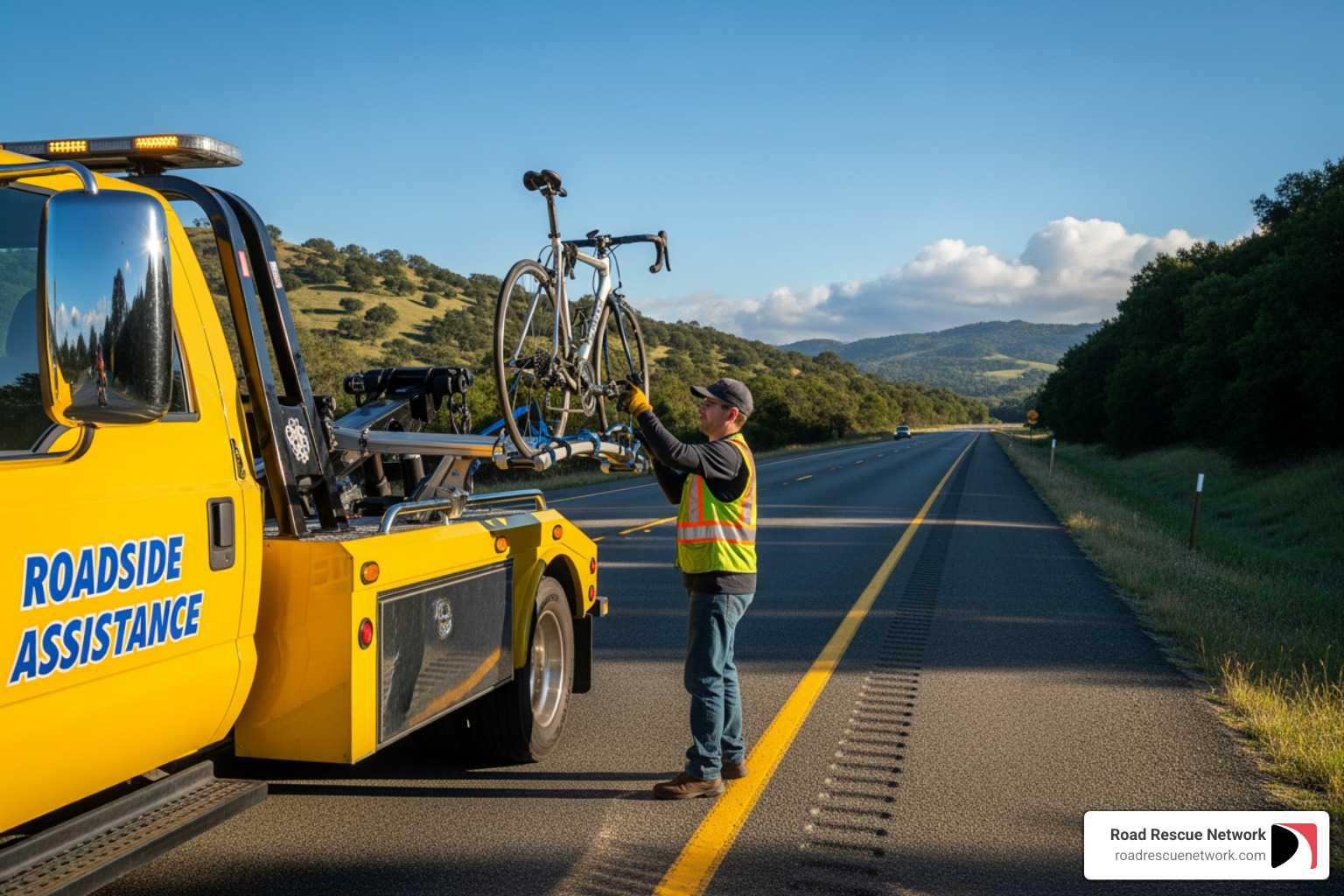
Generally, bike roadside assistance aims to cover you when your bicycle becomes inoperable or disabled due to a mechanical issue. This primarily means transportation services.
Here’s what you can typically expect to be covered:
- Standard Bicycles: Most providers cover traditional pedal-powered bicycles.
- E-Bikes: With their increasing popularity, many services, like Better World Club, explicitly include e-bikes. Given their heavier weight and larger size, e-bikes often present a greater challenge for self-transportation, making roadside assistance even more valuable.
- Rental Bikes: If you’re on vacation and your rental bike breaks down, services like AAA will still cover you, treating it like any other bicycle.
- Tandems and Bicycles with Trailers: Even if you’re riding a two-seater or hauling a small trailer, these larger setups are generally included in coverage by providers like AAA and Better World Club.
- Inoperable Bike/Disablement: The core of the service. Whether it’s a flat tire, a broken chain, a faulty derailleur, or any other mechanical failure that renders your bike unrideable, the service aims to transport you and your bike.
The primary goal is to get you and your bike to a safe location – whether that’s your home, a local bike shop, or another specified destination within your coverage mileage.
Common Limitations and Exclusions of bike road side assistance
While incredibly helpful, bike roadside assistance isn’t a magic wand. There are important limitations and exclusions to be aware of:
- No On-Site Repairs: This is a big one. Providers like AAA and Better World Club are clear: they do not perform mechanical repairs on the spot. This means no flat tire fixes, no chain repairs, and no battery jump-starts for e-bikes. Their service is strictly transportation.
- No Lock Cutting Services: If your bike is locked and you’ve lost the key, most providers won’t dispatch someone to cut the lock due to ownership verification issues. Better World Club offers a reimbursement option if you arrange this service independently, but they won’t do it themselves.
- Location Restrictions (Paved Roads Only): Services are typically provided only along normally traveled, hard-surface roads or streets. If you break down on an unpaved trail, in a park, or deep off-road, you’ll likely need to move your bike to an accessible paved area before assistance can reach you.
- Rider Fatigue/Physical Inability: As AAA humorously points out, if you’re just too tired to continue riding, that’s generally not a covered reason for assistance. The service is for mechanical disablement, not a lack of stamina.
- Unattended Bikes: You usually need to be present with your bicycle when assistance arrives. They won’t service an unattended bike.
- Racing Events: Breakdowns during organized racing events are often excluded.
- Parts and Tires: Roadside assistance services do not typically deliver new parts or tires. If you have a flat, they’ll transport you to a place where you can get it fixed, but they won’t bring a new tube to you.
- Commercial Use: Bikes used for commercial purposes (e.g., delivery services) might not be covered by standard personal plans.
Here’s a quick comparison:
| Feature | Typically Covered | Typically NOT Covered |
|---|---|---|
| Service Type | Transportation of bike and rider | On-site mechanical repairs (e.g., flat tire fix) |
| Bike Types | Standard, E-Bikes, Tandems, Rental Bikes | Commercial-use bicycles, off-road vehicles |
| Cause of Disablement | Mechanical breakdown, flat tire, collision damage | Rider fatigue, lost motivation, lack of supplies |
| Lockouts | (Reimbursement sometimes offered for self-arranged) | Direct lock cutting service |
| Service Location | Paved, regularly traveled roads/streets | Off-road trails, inaccessible areas |
| Parts/Equipment | Delivery of new parts, tires, or equipment |
How to Avoid a Breakdown: Essential Bike Maintenance Tips
Prevention is always better than cure, and that certainly applies to cycling. While bike road side assistance is a fantastic safety net, avoiding a breakdown in the first place is ideal. A little proactive maintenance can go a long way in keeping you rolling smoothly and minimizing the chances of needing a tow.
Here are some essential tips to keep your bike in top shape:
-
The Pre-Ride Checklist: Before every ride, especially longer ones, do a quick check.
- Tires: Give your tires a squeeze. Are they firm? Check for any visible cuts, cracks, or embedded debris.
- Brakes: Squeeze your brake levers. Do they feel firm and engage smoothly?
- Chain: Is it clean and lubricated?
- Quick Releases: Ensure all quick-release levers (wheels, seat post) are properly closed.
- Helmet: Always wear one!
-
Maintain Proper Tire Pressure: Under-inflated tires are a leading cause of flats and can make your ride inefficient and uncomfortable. Check your tire pressure before each ride and inflate to the recommended PSI (usually printed on the tire sidewall). Regularly monitoring your tire condition and replacing worn tires is crucial.
-
Invest in Puncture Protection: If you frequently ride in areas prone to road hazards like thorns or glass, consider upgrading your tires. Tubeless tires or tire liners can significantly reduce your risk of flats. This is particularly useful in cities like Los Angeles, Phoenix, or Houston, where debris can be common.
-
E-Bike Battery Care: For e-bike riders, a dead battery is the equivalent of running out of gas.
- Charge Regularly: Always charge your battery before it gets critically low.
- Monitor Usage: Keep an eye on your remaining charge, especially on longer rides.
- Carry a Spare: For very long excursions, consider carrying a spare charged battery if feasible.
-
Keep Your Chain Lubricated: A well-lubricated chain runs smoothly, shifts better, and lasts longer. A dry, rusty chain is more prone to breaking, which can leave you stranded. Clean and lube your chain regularly, especially after riding in wet or dusty conditions.
-
Regular Brake Inspection: Your brakes are your most important safety feature. Check your brake pads for wear and ensure your brake levers engage effectively. If they feel spongy or weak, it’s time for an adjustment or professional service. Periodically inspect all your bike components for signs of fatigue or wear and replace them proactively before they fail.
For more comprehensive guidance on staying safe and preventing issues, we highly recommend checking out resources on bicycle safety, such as NHTSA’s bicycle safety guide. Riding smart starts with being prepared!
Frequently Asked Questions about Bike Road Side Assistance
We get a lot of questions about bike roadside assistance, and for good reason! It’s a relatively new but incredibly valuable service. Let’s tackle some of the most common inquiries to clear up any confusion.
How much does bike road side assistance cost?
The cost of bike road side assistance varies depending on the provider and the type of coverage you choose.
- Membership-Based Services (like AAA): For AAA, bicycle roadside assistance is included with all membership levels at no additional charge. This means it’s part of your existing AAA membership fee, which varies by region and membership tier (Classic, Plus, Premier). While the exact cost of a AAA membership isn’t listed here, you’re not paying extra just for the bike service if you’re already a member.
- Dedicated Bicycle Memberships (like Better World Club): A Bicycle Only Membership from Better World Club runs about $44.95 per year. However, if you already have or plan to get an auto membership with them, bundling the bike assistance reduces the cost to a very reasonable $25.00 per year.
- Insurance Add-ons (like SPOKE Insurance): SPOKE Insurance combines roadside assistance with theft and damage insurance, so its cost will reflect that broader coverage.
- On-Demand Services: For services like Road Rescue Network, there are no membership fees. You pay only when you need assistance, making it a “pay-per-incident” model. This can be cost-effective for infrequent riders or those who prefer not to commit to an annual fee. The exact per-incident cost will depend on the service required and your location.
Essentially, you’re looking at an annual commitment ranging from $25 to $50 for a dedicated or bundled membership, or a variable cost per incident for on-demand services.
Can I get assistance for a flat tire?
Yes, absolutely! Getting a flat tire is one of the most common reasons cyclists find themselves stranded, and it’s precisely the kind of situation bike road side assistance is designed for.
However, it’s crucial to understand the nature of the assistance:
- Transportation Service: All major providers, including AAA and Better World Club, will transport you and your disabled bike if you have a flat tire. They’ll take you to a safe location, your home, or a bike repair shop so you can get the tire fixed.
- No On-Site Repair: What they generally won’t do is fix the flat tire on the spot. Their service vehicles are not equipped for bicycle repairs, and their technicians are trained for transportation, not mechanical fixes. So, while you’ll get a ride, be prepared to get your hands dirty or visit a bike shop for the actual repair. Better World Club, for instance, explicitly states they cannot deliver new equipment like tires.
So, if you get a flat in a city like Chicago, Dallas, or Seattle, you can rest assured that assistance will get you and your bike off the road, even if they can’t patch your tube right there.
Is my e-bike covered by roadside assistance plans?
The short answer is: typically, yes! With the booming popularity of electric bicycles, many bike road side assistance providers have adapted their services to include them.
- Explicit Coverage: Better World Club, for example, explicitly states that their transportation service covers you and your “bicycle or E-Bike” and lists “electric bicycles” among the covered types.
- Implicit Coverage: AAA’s general coverage for “all 2-wheeled bicycles” often extends to e-bikes, though it’s always good to verify with your specific AAA club. The need for e-bike assistance is even greater due to their unique characteristics:
- Weight Considerations: E-bikes are significantly heavier than traditional bicycles, making them much harder to walk home or load into a standard vehicle if they become inoperable.
- Battery Issues: A dead e-bike battery can leave you with a heavy, unpowered machine. While roadside assistance won’t charge your battery, they will transport you and your e-bike to a place where you can recharge or get it serviced.
Always verify with your chosen provider to ensure your specific e-bike model and its particular disablement scenarios are covered. But generally, the growing trend is towards comprehensive coverage for these powerful two-wheeled machines.
Choosing Your Lifeline: Membership vs. On-Demand Services
When it comes to securing your peace of mind on two wheels, you essentially have two main paths for bike road side assistance: signing up for a membership or opting for on-demand services. Each has its own set of pros and cons, and the best choice depends on your riding habits, budget, and priorities.
Membership-Based Services (e.g., AAA, Better World Club):
Pros:
- Predictable Costs: You pay an annual fee, and you know what you’re getting. This can be great for budgeting.
- Bundled Benefits: Often, especially with AAA, bike assistance is just one of many perks you get, including discounts on travel, hotels, and other services.
- Peace of Mind: Knowing you’re covered for a full year, regardless of how many times (within limits) you need help, can be very reassuring.
- Established Networks: Large organizations like AAA and Better World Club have extensive networks of service providers across the country, from New York to San Diego, offering broad coverage.
Cons:
- Annual Fees: You pay the fee whether you use the service or not. If you’re an infrequent rider, this might feel like money spent unnecessarily.
- Service Call Limits: Most memberships have a cap on how many service calls you can make per year (e.g., two for Better World Club, or your general AAA allotment).
- Mileage Limits: While generous for higher tiers, there are still mileage restrictions on how far you and your bike can be towed. Exceeding these limits can incur extra charges.
- Geographical Limitations: While many offer nationwide coverage, specific regional nuances or exclusions might apply.
On-Demand Services (e.g., Road Rescue Network):
Pros:
- No Annual Fees: You only pay when you need service. This is ideal for occasional riders or those who prefer a “just-in-case” approach without the recurring cost.
- Flexibility: You’re not tied to a specific provider or membership terms. You can choose the service that best meets your immediate needs.
- Modern Approach: Companies like Road Rescue Network leverage technology to connect you quickly with local rescuers, often providing fast, 24/7 service.
Cons:
- Variable Costs: The cost per incident might be higher than the prorated cost of a membership call, depending on the distance and type of service required.
- Less Predictability: Without a membership, you might not know the exact cost until you request service.
- May Not Cover Bikes: Many general on-demand roadside assistance providers cater primarily to cars and may not have the specialized equipment or policies for bicycle transport. This is where a dedicated service like ours comes in.
Assessing Your Needs:
- Occasional Rider vs. Daily Commuter: If you ride once a month, an on-demand service might be more cost-effective. If you’re a daily commuter in a busy city like Boston, Denver, or Portland, a membership could offer better value and peace of mind.
- Types of Rides: Do you stick to well-traveled urban routes, or do you venture into more remote areas? Mileage limits and accessibility for service vehicles become more critical for adventurous riders.
- E-Bike Owner: Given the weight and complexity of e-bikes, having a reliable transport option is often a higher priority.
At Road Rescue Network, we understand that not everyone wants to pay for a membership they might rarely use. That’s why we’ve built our service model around immediate need. We specialize in fast, 24/7 service with no memberships or hidden fees, instantly connecting users with local rescuers for car emergencies like flat tires, jumpstarts, and lockouts. While our primary focus is on light-duty towing for vehicles, the underlying principle of getting you out of a jam, quickly and efficiently, is at the heart of what we do. We believe in providing a transparent, pay-as-you-go solution, much like the convenience you’d seek for a bike breakdown.
The best bike road side assistance is the one that gives you the most confidence and fits seamlessly into your cycling lifestyle. Whether it’s the comprehensive benefits of a club membership or the flexible, no-commitment approach of an on-demand service, having a plan means your next ride can always end safely, even if it doesn’t go exactly as planned.

2 Comments
Comments are closed.