Clutch Control: Mastering Reefer Clutch Repair for Smooth Operations
Why Reefer Clutch Performance Matters for Your Operation
Reefer clutch repair is the process of diagnosing, servicing, or replacing the clutch mechanism that engages and disengages the compressor in a refrigerated trailer’s cooling system. Here’s what you need to know:
Key Steps in Reefer Clutch Repair:
- Diagnose the Problem – Listen for grinding noises, check for slipping, or monitor intermittent cooling
- Disconnect Power – Ensure safety by disconnecting electrical power to the reefer unit
- Remove Components – Take off drive belts and unbolt the clutch assembly
- Install New Parts – Use a repair kit or replace the entire clutch assembly
- Test the System – Verify proper engagement and cooling cycle operation
When to Repair vs. Replace:
- Repair Kit ($500-$1,500) – For single component failures like bearings or coils
- Full Replacement ($2,000-$5,000) – For extensive damage or high-hour clutches
- Complete Unit Replacement ($20,000-$26,000) – When the entire reefer system fails
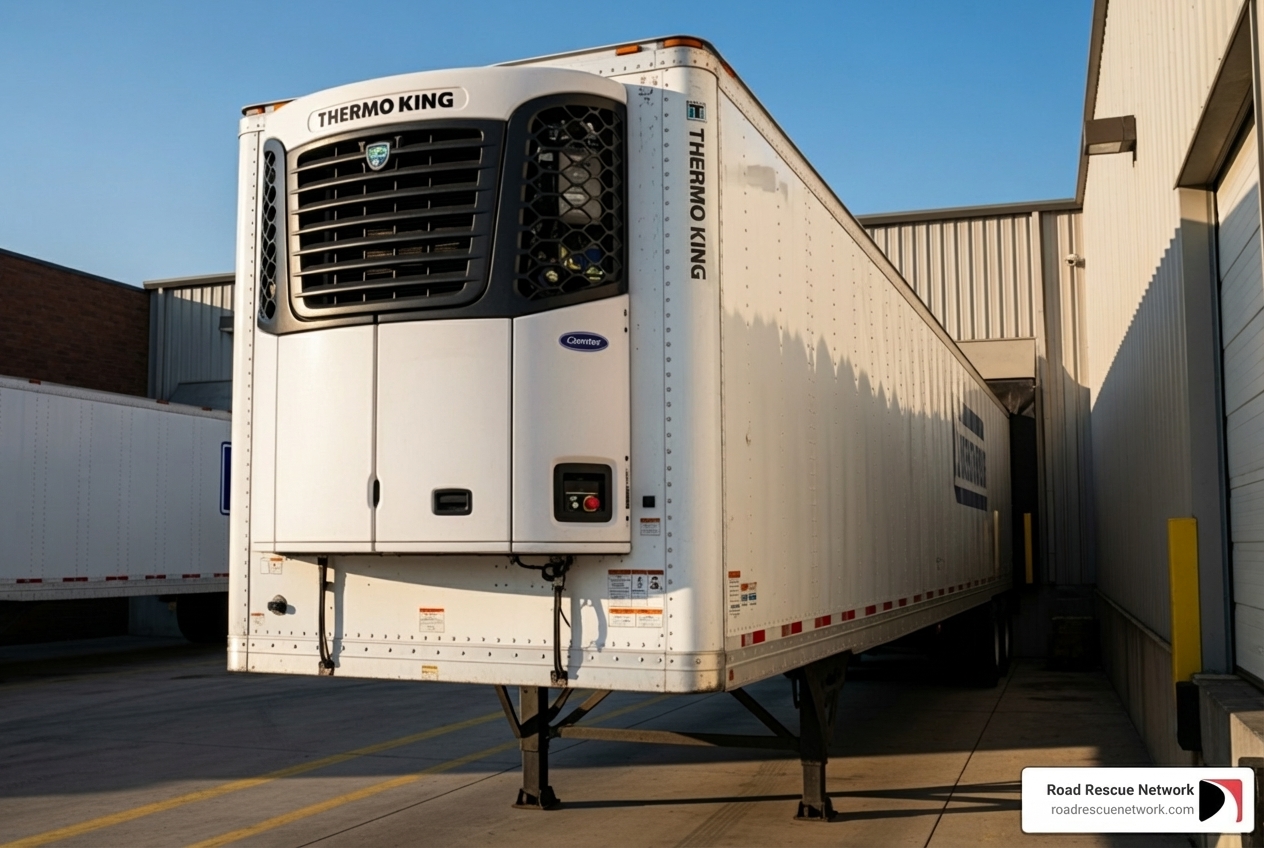
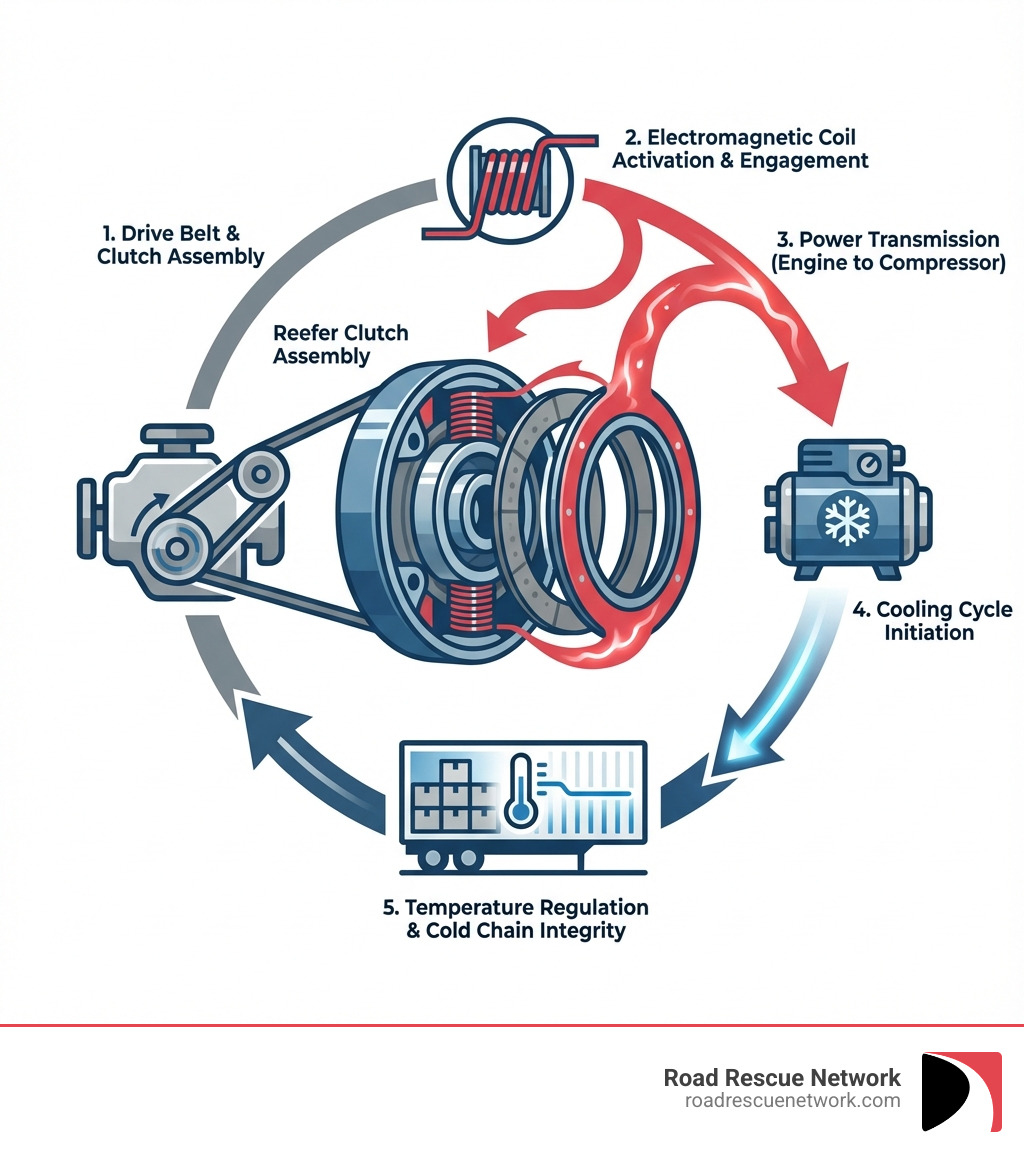
The clutch in your reefer unit is the critical link between the diesel engine and the compressor that keeps your cargo cold. When it fails, your entire cooling system stops working, putting temperature-sensitive loads at risk. Common warning signs include unusual noises during operation, difficulty maintaining temperature, or a burning smell from the refrigeration unit.
I’m Byron Tarlton, founder of Road Rescue Network, and I’ve spent over two decades in the transportation and logistics industry building systems that keep commercial fleets running. Through my work with Interstate Fleet Services and developing nationwide mobile repair networks, I’ve seen how critical proper reefer clutch repair is to preventing costly cargo loss and minimizing downtime for drivers and fleet operators.
Identifying a Failing Reefer Clutch: Symptoms and Diagnostics
Imagine this: you’re hauling a critical load of fresh produce or pharmaceuticals, miles from your destination, when your reefer unit starts acting up. The first step to preventing a full-blown crisis is recognizing the early warning signs of a failing reefer clutch. These symptoms often provide a heads-up long before total system failure.

One of the most common signs we encounter is a slipping clutch. This means the clutch isn’t fully engaging, leading to a loss of power transfer to the compressor. You might notice the engine revving without the expected cooling performance. Another red flag is unusual noises emanating from the reefer unit, especially when the clutch engages or disengages. We’re talking grinding, whining, or even clunking sounds that are definitely not part of the normal operational symphony. Think of it like a car’s transmission struggling; while a reefer clutch doesn’t shift gears, it does need to seamlessly engage the compressor. Difficulty engaging the compressor, or intermittent cooling performance, can also point to a struggling clutch.
Ignoring these issues is like ignoring a small leak in a dam – eventually, it’ll lead to a flood. The potential consequences of ignoring reefer clutch problems are severe: cargo spoilage, significant financial loss, and even damage to other vital components like the compressor, which can be far more expensive to repair or replace. A complete reefer unit replacement can cost between $20,000 and $26,000, including installation, making preventative and timely clutch repair a smart investment. For a deeper dive into overall reefer maintenance, consider consulting a comprehensive guide to reefer maintenance.
Common Causes of Clutch Failure
So, what causes these crucial components to fail? Several factors contribute to reefer clutch wear and tear:
- Wear and Tear: Just like any mechanical part, constant use leads to wear. The friction surfaces, bearings, and electrical components degrade over time.
- Contamination: Oil, grease, dirt, or debris can get into the clutch assembly, causing it to slip or preventing full engagement.
- Overheating: Excessive slipping or continuous engagement can generate immense heat, damaging the clutch’s components, particularly the electromagnetic coil and friction materials.
- Improper Adjustment: If the clutch isn’t properly adjusted, it can lead to premature wear or inefficient operation.
- Electrical Issues: Since many reefer clutches are electromagnetically activated, issues with wiring, relays, or the coil itself can prevent proper engagement or disengagement.
- Bearing Failure: Worn or seized bearings within the clutch assembly can cause friction, noise, and ultimately, failure.
Diagnostic Techniques and Tools
When we suspect a clutch issue, our FMCSA-certified technicians employ a range of diagnostic tools and techniques:
- Visual Inspection: We start with a thorough visual check of the clutch assembly, drive belts, and wiring for any obvious signs of wear, damage, or contamination. We look for frayed belts, excessive dust from friction material, or visible leaks.
- Listening for Sounds: Using a mechanic’s stethoscope, we can pinpoint the source of unusual noises, differentiating between a failing clutch bearing, a compressor issue, or other drivetrain problems. This helps us isolate the problem accurately.
- Multimeter for Electrical Tests: For electromagnetically controlled clutches, we use a multimeter to check the resistance of the clutch coil and verify that it’s receiving the correct voltage and amperage. This helps rule out or confirm electrical faults.
- Checking Belt Tension: Proper belt tension is crucial. Too loose, and the belts can slip; too tight, and it can put undue stress on the clutch bearings and other components. We ensure the belts are tensioned to manufacturer specifications.
- Reading Error Codes: Modern reefer units have sophisticated control systems. We connect diagnostic tools to read any error codes stored in the unit’s computer. These codes can often point directly to an electrical or mechanical fault within the clutch system or its related components.
The Step-by-Step Reefer Clutch Repair Process
When a reefer clutch shows signs of distress, a systematic repair process is essential to ensure longevity and reliable performance. Our experienced technicians follow a meticulous approach to get your unit back in prime condition.
The repair typically involves these steps:
- Safety First: Before any work begins, safety precautions are paramount. This means ensuring the reefer unit’s engine is off, the battery is disconnected, and any stored electrical energy is safely discharged. We never compromise on safety.
- Access and Disconnect: We carefully disconnect power to the reefer unit and gain access to the clutch assembly, which often means removing protective covers or guards.
- Remove Drive Belts: The drive belts connecting the engine to the clutch and compressor are then removed. This allows us to freely access the clutch components.
- Unbolt the Clutch Assembly: Next, we carefully unbolt the clutch assembly from the compressor shaft. This step requires specialized tools to prevent damage to the compressor or shaft.
- Inspection and Cleaning: Once removed, we thoroughly inspect the old clutch for wear patterns, damage, or specific points of failure. We then carefully clean all mounting surfaces on both the compressor and the new clutch components to ensure a perfect fit and optimal heat transfer.
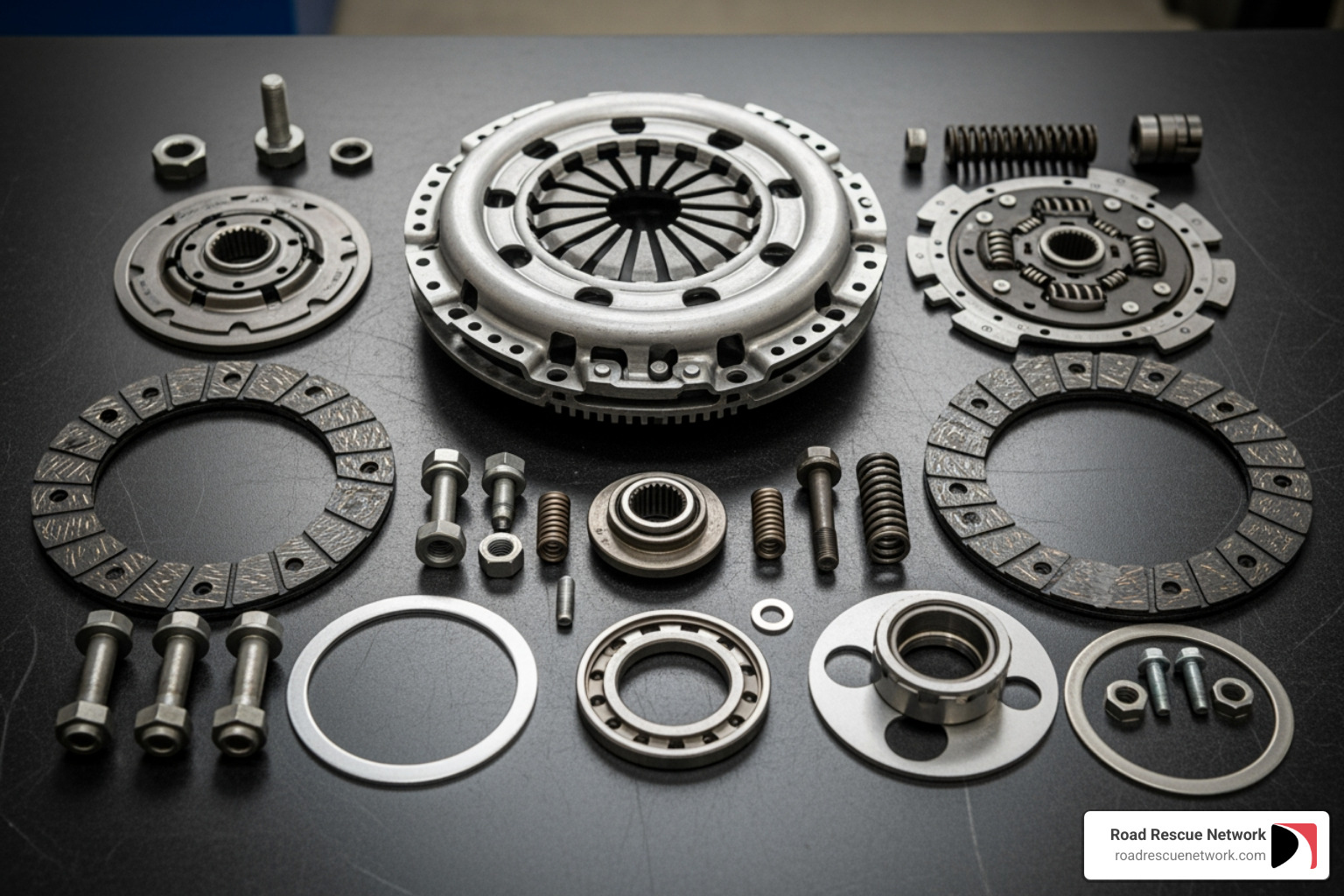
- Installation of New Parts: This is where the repair kit or full replacement comes in. We carefully install new parts, ensuring every component, from bearings to friction plates and the electromagnetic coil, is correctly positioned and torqued to manufacturer specifications.
- Reassembly: The clutch assembly is then carefully reattached to the compressor, followed by the drive belts. We ensure proper belt tension.
- Testing: Finally, we perform comprehensive testing of the repaired reefer unit. This includes checking for proper clutch engagement and disengagement, monitoring cooling performance, and ensuring no unusual noises are present.
Choosing the Right Approach: A Guide to Reefer Clutch Repair Kits
When facing a failing reefer clutch, you generally have two main options: using a clutch repair kit or replacing the entire clutch assembly. Each has its benefits and drawbacks, and the best choice depends on the extent of the damage and your budget.
| Feature | Clutch Repair Kit | Full Clutch Assembly Replacement |
|---|---|---|
| Cost | Lower ($500-$1,500) | Higher ($2,000-$5,000) |
| Labor Time | Potentially longer for detailed component swap | Often quicker as it’s a direct swap |
| Longevity | Depends on the quality of specific replaced parts | Generally longer, as all components are new |
| When to Choose | Minor component failure (e.g., bearing, coil) | Extensive wear, multiple component failures, high hours |
A clutch repair kit typically contains the most common wear items, such as new bearings, the electromagnetic coil, and sometimes friction plates. This is a cost-effective solution if only one or two specific components have failed. For example, if the electromagnetic coil fails but the bearings and friction surfaces are still in good shape, a kit can save you money. For specific part number compatibility, such as the R-50-50052-00 repair kit, our technicians ensure we’re using the exact components needed for your reefer model. We also work with various OEM Supra clutches and other types, ensuring the right fit and quality.
However, if the clutch has extensive damage, multiple worn parts, or has accumulated high operating hours, replacing the entire clutch assembly is often the more reliable long-term solution. While the initial cost is higher, it can prevent recurring issues and further downtime. For expert assistance with choosing the right repair or replacement for your reefer, you can find expert help for your reefer in Texas through our network.
Cost Analysis: Reefer Clutch Repair vs. Full Replacement
Understanding the costs involved in reefer clutch issues is crucial for fleet managers and owner-operators. The decision to repair or replace hinges on several factors beyond just the price of parts.
- Parts Cost Comparison: As mentioned, a clutch repair kit typically ranges from $500 to $1,500. A full clutch assembly replacement can range from $2,000 to $5,000. These figures are for the parts alone.
- Labor Costs: Labor costs will vary based on the complexity of the job and regional rates. While a repair kit might imply less work, a technician still needs to carefully disassemble and reassemble the clutch, which can sometimes take as long as replacing the entire unit. Our mobile repair services often have competitive labor rates, as we bring the shop to you.
- Downtime Cost: This is often the most significant hidden cost. Every hour your reefer trailer is off the road is an hour of lost revenue, especially with temperature-sensitive cargo. Spoiled cargo due to prolonged downtime can result in massive financial losses, dwarfing the repair cost itself. Prompt, efficient repair minimizes this critical factor.
- Factors Influencing Price: The specific make and model of your reefer unit (e.g., Carrier, Thermo King), the availability of parts, and the complexity of the clutch system all influence the final price.
- Typical Cost Range: For a complete reefer unit replacement, the cost typically falls between $20,000 and $26,000, including installation. This high cost underscores why proactive maintenance and timely clutch repair are so vital. Investing in a $500-$5,000 clutch repair now can prevent a $20,000+ headache later.
Proactive Maintenance for Reefer Clutch Longevity
Prevention is always better (and cheaper!) than cure, especially when it comes to vital components like your reefer clutch. Proactive maintenance is the secret sauce to extending your clutch’s lifespan, ensuring smooth operations, and even improving your fuel efficiency.
Our preventative measures focus on regular checks and proper care:
- Inspection Schedule: Adhering to a strict inspection schedule is non-negotiable.
- Cleaning Procedures: Keeping the clutch area free from dirt, dust, and debris prevents contamination that can lead to premature wear.
- Lubrication: Proper lubrication of moving parts, where applicable, reduces friction and extends component life.
- Belt Tension Checks: Regularly checking and adjusting belt tension ensures optimal power transfer without undue stress on the clutch bearings.
- Impact on Fuel Efficiency: A properly functioning clutch contributes significantly to fuel efficiency. When the clutch engages and disengages smoothly, the compressor operates optimally, reducing unnecessary engine load and preventing the reefer unit’s engine from running longer than needed. This translates directly to lower fuel consumption and operational costs. By extending clutch lifespan through diligent maintenance, you’re also protecting your bottom line.
How Often Should Reefer Clutches Be Inspected?
The general consensus among industry experts and manufacturers is that regular maintenance is recommended every 100,000 miles or as specified by the manufacturer. However, we advocate for more frequent inspections to catch potential issues early.
- Manufacturer Recommendations: Always consult your specific reefer unit’s manual for precise service intervals. Some manufacturers might recommend inspections based on operating hours rather than mileage. For general guidance, you can consult a reefer trailer manual for specific schedules.
- Pre-trip Inspections: We encourage drivers to incorporate a quick visual check of the clutch area during their daily pre-trip inspections. Look for visible damage, loose belts, or unusual fluid leaks.
- Annual Service Checks: Beyond routine inspections, a comprehensive annual service by a qualified technician should include a thorough examination of the reefer clutch and its related components.
The Link Between Clutch Health and Fuel Efficiency
You might not immediately connect a tiny clutch with your fuel bill, but the relationship is direct and significant.
- Proper Engagement: When your reefer clutch engages properly, it ensures that the compressor receives the full power it needs to cool your cargo efficiently. A slipping clutch means wasted energy, as the engine works harder without achieving the desired cooling.
- Reduced Engine Load: An efficiently operating clutch and compressor mean the reefer unit’s diesel engine runs at optimal load, avoiding excessive strain and fuel consumption.
- Optimal Compressor Cycling: A healthy clutch allows the compressor to cycle on and off precisely as needed to maintain temperature. If the clutch is faulty, the compressor might struggle to engage, leading to prolonged engine run times trying to compensate.
- Preventing Unnecessary Engine Run Time: Every minute the reefer engine runs unnecessarily due to an inefficient clutch or cooling system burns fuel. By ensuring your clutch is in top shape, you’re directly contributing to better fuel economy for your entire rig.
For maintenance support that helps keep your reefer running efficiently, including clutch health, consider reaching out for maintenance help in Pennsylvania or other locations in our network.
Professional Repair: When to Call in the Experts
While some basic checks can be done by drivers, reefer clutch repair is often a complex task that requires specialized knowledge, tools, and experience. When you’re dealing with heavy-duty reefer trailers, the stakes are even higher, and professional intervention becomes critical.
Our network of FMCSA-certified technicians are trained specifically in heavy-duty truck and trailer repair, including the intricate systems of reefer units. Expertise and certifications, such as ASE certifications, are vital for technicians performing these repairs, ensuring they understand the unique challenges of commercial vehicle refrigeration.
Here’s a list of signs that indicate you need immediate professional help:
- Persistent unusual noises (grinding, whining, clunking) even after basic checks.
- Inability to maintain cargo temperature despite the reefer unit running.
- Visible smoke or burning smell coming from the clutch area.
- Diagnostic error codes related to the clutch or compressor system.
- Fluid leaks around the compressor or clutch assembly.
- Intermittent cooling that you can’t resolve with basic troubleshooting.
The Advantage of Mobile Reefer Clutch Repair
In the world of logistics, downtime is the enemy. That’s why our mobile repair services are a game-changer for reefer clutch issues.
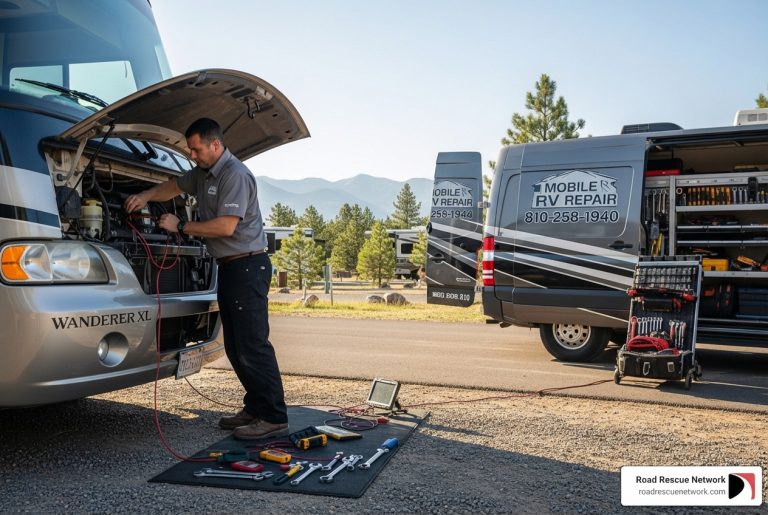
- Minimizing Downtime: Instead of towing your trailer to a shop, our equipped service trucks come directly to your location, whether you’re at a truck stop, a distribution center, or even roadside. This significantly reduces the time your valuable cargo spends without proper refrigeration.
- On-Location Service: Our FMCSA-certified technicians provide clutch diagnostics and repairs right where your reefer trailer is. This means less disruption to your schedule and quicker turnaround times. We understand that clutch problems can occur unexpectedly, and our after-hours services ensure that your reefer trailers receive prompt attention, even during weekends.
- Equipped Service Trucks: Our mobile units are essentially workshops on wheels, stocked with common parts and advanced diagnostic tools needed for comprehensive reefer clutch repairs.
- 24/7 Availability: We offer 24/7 emergency repair services, because reefer breakdowns don’t stick to business hours. This means we’re always ready to help you get your reefer back on the road faster.
- Getting Back on the Road Faster: Our primary goal is to resolve your reefer issues swiftly and efficiently, without compromising on quality, so you can continue your journey with confidence. For reliable mobile reefer repair services, especially in critical regions, you can find mobile reefer repair in California and across our extensive network.
Frequently Asked Questions about Reefer Clutch Repair
We often get questions about reefer clutch maintenance and repair. Here are some of the most common ones we address:
What is the typical lifespan of a reefer clutch?
A reefer clutch’s lifespan varies based on usage, maintenance, and operating conditions, but with proper care, it can last for several thousand hours of operation, often aligning with major service intervals of 100,000+ miles. Factors like operating in extreme temperatures, frequent stop-and-go driving, or neglecting regular inspections can shorten its life. Conversely, diligent maintenance, including regular cleaning and belt tension checks, can significantly extend it.
What are the biggest consequences of not repairing a failing reefer clutch?
Ignoring a failing clutch can lead to complete refrigeration failure, resulting in spoiled cargo, significant financial loss, and potential damage to other components like the compressor, leading to much more expensive repairs. Beyond the immediate financial hit from lost cargo, you risk damage to your reputation, potential penalties for delayed deliveries, and the high cost of replacing a severely damaged reefer unit—which, as we’ve noted, can be upwards of $20,000. It’s a domino effect you definitely want to avoid.
Is it better to use a repair kit or replace the entire clutch assembly?
A repair kit is a cost-effective solution for specific failures like a worn bearing or a bad coil. However, if the clutch has extensive damage, high hours, or multiple worn parts, replacing the entire assembly is often a more reliable long-term solution. Our technicians will perform a thorough diagnosis to determine the most economical and reliable path forward, always prioritizing your operational needs and budget.
Conclusion: Keep Your Cool with Reliable Clutch Performance
The reefer clutch, though a seemingly small component, plays an outsized role in the critical chain of temperature-controlled transport. Mastering reefer clutch repair isn’t just about fixing a part; it’s about safeguarding your cargo, optimizing your operations, and protecting your bottom line. We’ve seen how timely diagnosis of symptoms like unusual noises or intermittent cooling, coupled with proactive maintenance, can prevent catastrophic failures. When repairs are needed, understanding the options between a cost-effective repair kit and a more comprehensive assembly replacement ensures you make informed decisions.
The longevity and efficiency of your reefer unit directly impact your success. Don’t underestimate the power of regular inspections, proper maintenance, and knowing when to call in the professionals. For dependable and fast assistance with your reefer unit, find a qualified technician through our nationwide reefer repair network. We’re here to ensure your valuable cargo stays cool, and your operations run smoothly, no matter where the road takes you.