5 of the Best Commercial Towing Companies
Why Commercial Towing Is Essential for Business Operations
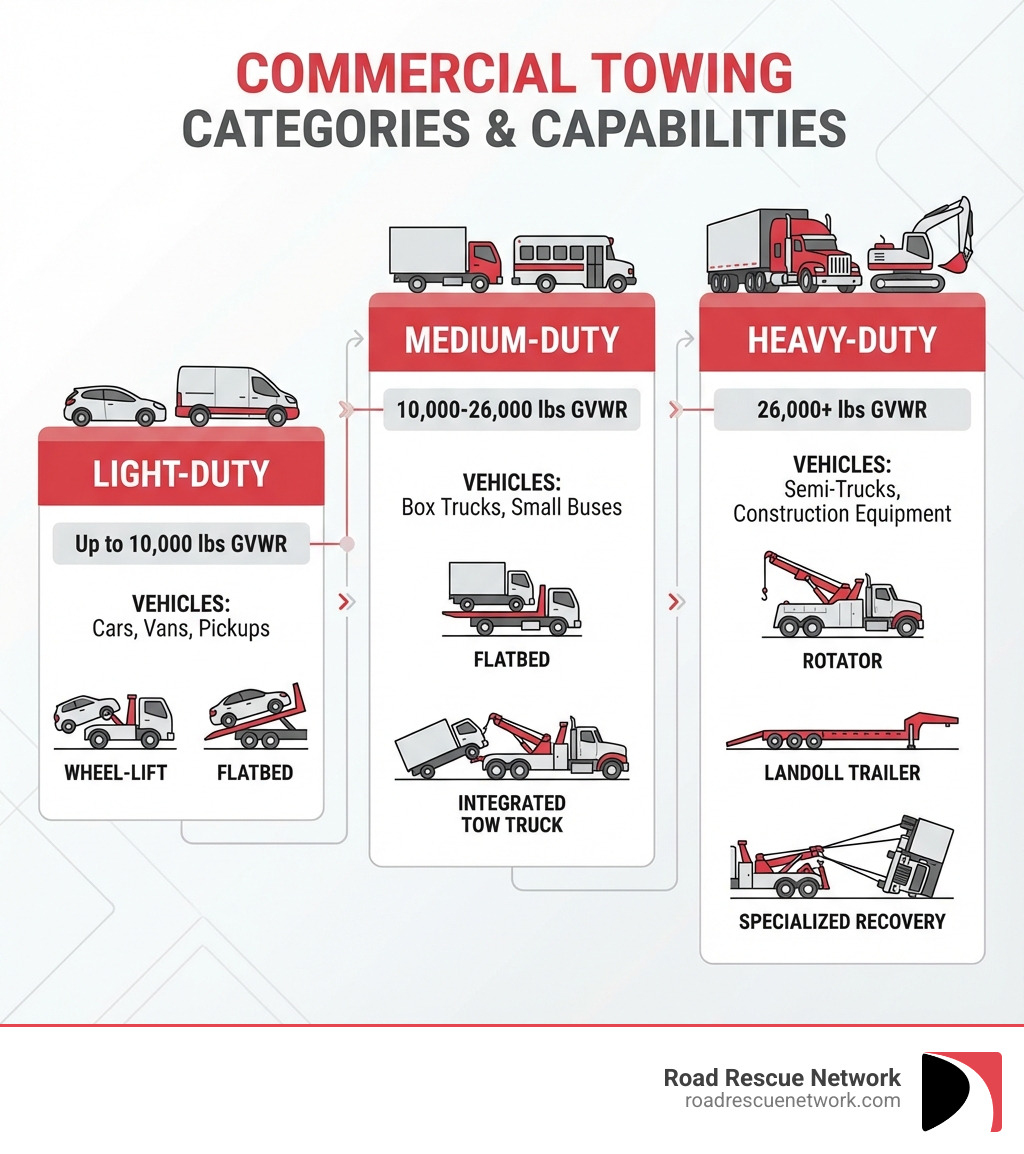
Commercial towing is a specialized service for moving and recovering large vehicles like semi-trucks, buses, and construction equipment. Unlike standard towing, it involves:
- Light-Duty Towing: For vehicles up to 10,000 lbs (cars, vans).
- Medium-Duty Towing: For vehicles from 10,000 to 26,000 lbs (box trucks, small buses).
- Heavy-Duty Towing: For vehicles over 26,000 lbs (semi-trucks, large equipment).
- Specialized Equipment: Using rotators, flatbeds, hydraulic trailers, and winches.
- 24/7 Emergency Response: Immediate dispatch for breakdowns and accidents.
- Advanced Services: Including load shifts, cargo transfers, accident cleanup, and underwater recovery.
A commercial vehicle breakdown disrupts the entire supply chain. Businesses need specialized equipment, trained operators, and rapid response to minimize downtime and protect their assets. Commercial towing companies handle these complex scenarios with heavy-duty wreckers, advanced certifications, and specialized training.
For any business with a fleet, a reliable commercial towing partner is essential. Whether it’s a truck with perishable goods or a bus of passengers, the right towing company prevents a minor delay from becoming a major financial loss.
I’m Byron Tarlton, founder of Road Rescue Network. With over two decades of experience in transportation infrastructure and nationwide towing networks, I’ve seen how critical commercial towing is to keeping America’s supply chains moving.
What Defines a Top-Tier Commercial Towing Service?
A breakdown of a commercial vehicle isn’t just an inconvenience; it’s a disruption to the entire supply chain. Keeping America’s freight moving requires a specialized support system ready to act at a moment’s notice. This is commercial towing—a critical service that goes far beyond simply moving a vehicle. It involves complex recoveries, specialized equipment, and highly trained operators who ensure safety and efficiency.
This section outlines the criteria that separate an average tow service from an elite commercial partner. From their machinery to their training, these are the hallmarks of a company you can trust with your valuable assets.
Specialized Equipment for Every Scenario
When a large commercial vehicle has trouble, standard tow trucks aren’t enough. The size and weight demand specialized equipment. Top-tier commercial towing companies invest in state-of-the-art fleets to handle any challenge.
- Heavy-Duty Wreckers: The workhorses of the industry, built to tow vehicles over 26,000 pounds, including semi-trucks and buses. They use powerful booms and underlifts to safely manage heavy loads.
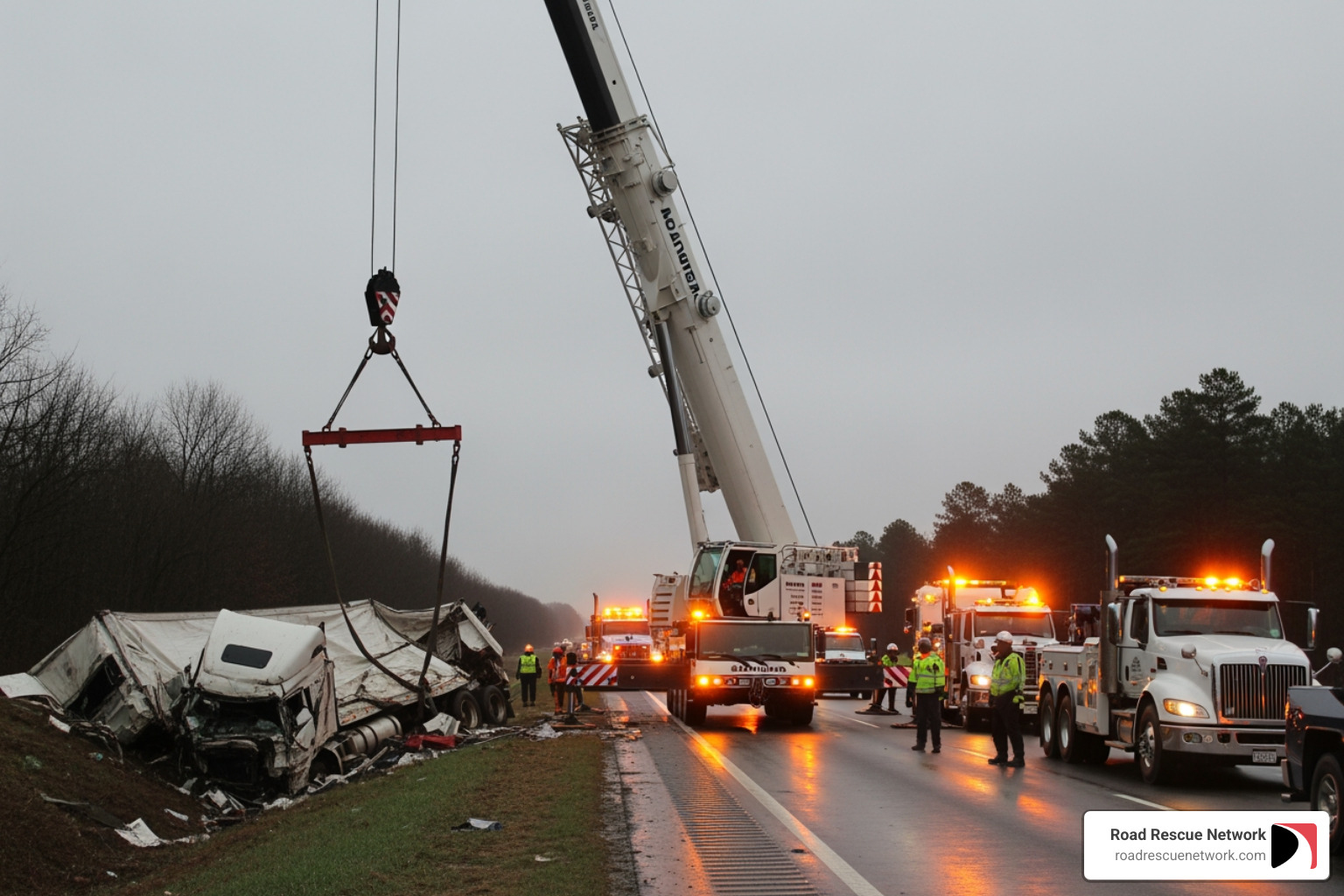
- 50-Ton Rotators: These feature a 360-degree rotating boom, allowing for precise lifting and recovery from difficult angles. They are indispensable for complex accident recoveries, like uprighting an overturned semi-truck.
- Landoll & Float Trailers: Essential for transporting heavy equipment or oversized loads that can’t be towed. These trailers can lower to the ground for easy loading of excavators, bulldozers, or large machinery.
- Air Cushion Recovery: This method uses specialized airbags to gently lift and upright an overturned vehicle, minimizing further damage to the vehicle and its cargo.
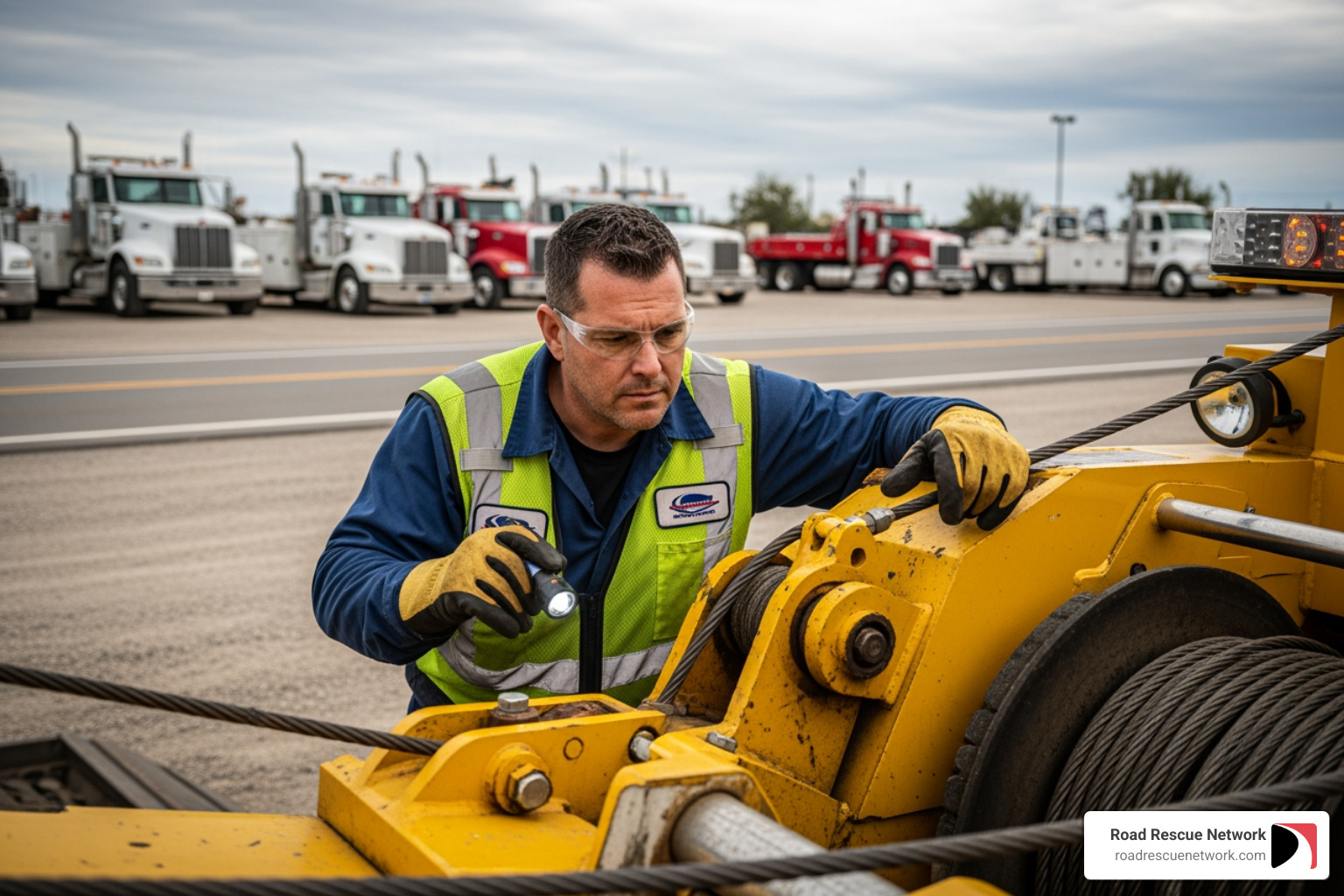
- Winching Equipment: Powerful winches are standard on heavy-duty wreckers and are used to pull stuck vehicles out of mud, snow, or ditches.
Comprehensive Services Beyond the Tow
A true commercial towing partner offers a suite of services to minimize downtime and manage the entire incident.
- 24/7 Availability: Breakdowns happen at all hours, so 24/7 availability is non-negotiable. Top companies have trained specialists ready to respond day or night.
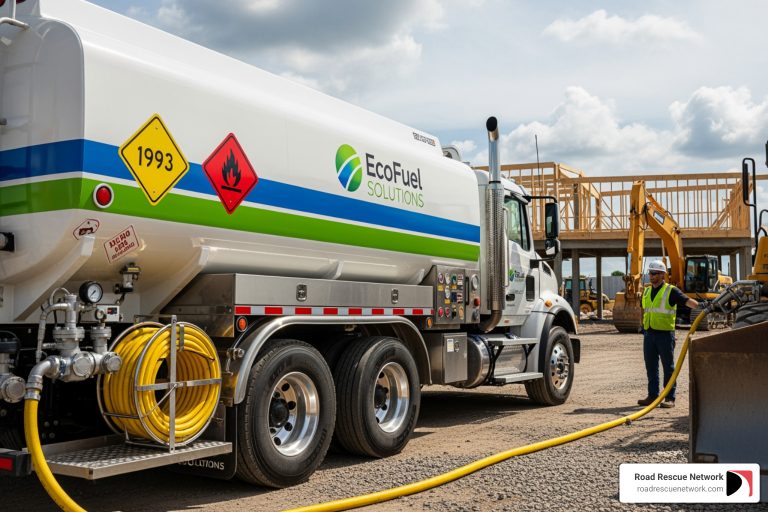
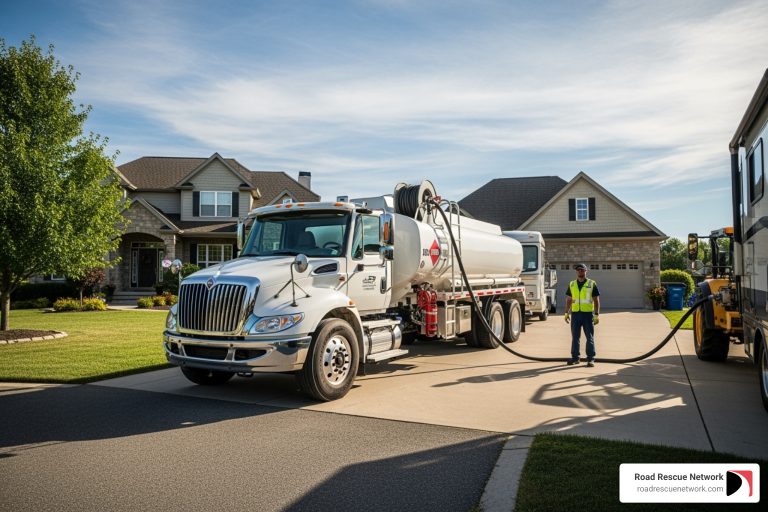
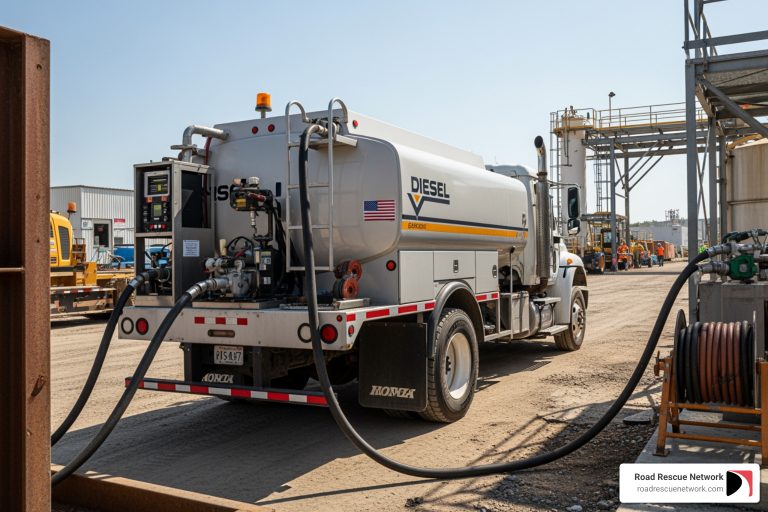
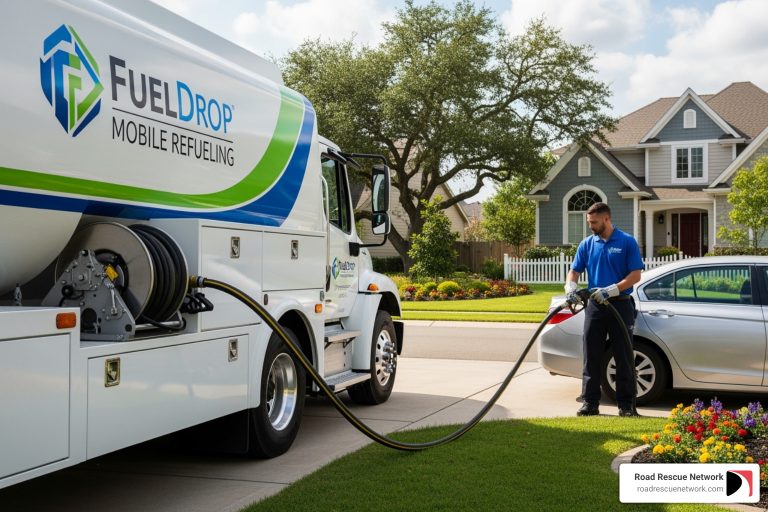
- Emergency Roadside Assistance: Many companies offer on-site help like fuel delivery, jump starts, and tire changes to get vehicles moving without a full tow.
- Load Shifts & Transfers: When cargo shifts or a trailer is damaged, this service involves carefully moving or re-securing the load. It’s critical for safety and compliance.
- Cargo Recovery & Storage: In an accident, cargo is recovered, secured, and stored until it can be transferred or claimed.
- Accident Scene Management: Top towing companies provide comprehensive accident removal, clearing wreckage and debris to restore traffic flow quickly and safely.
- Underwater & Off-Road Recovery: Specialized techniques and equipment are used to retrieve vehicles from ditches, water, or other hard-to-reach locations.
The Importance of Certification and Training
The complexity of commercial towing requires highly skilled and certified operators to ensure safety and proper handling of valuable assets.
- WreckMaster Certification: A widely recognized industry standard for towing and recovery training. Certified operators have advanced knowledge in recovery techniques, rigging, and safety protocols.
- HAZWOPER Training: Crucial for incidents involving hazardous materials, this training equips operators to safely handle spills, protecting the environment and public safety.
- Operator Experience: Beyond certifications, years of hands-on experience are invaluable for assessing risks and applying the most effective recovery techniques.
- Safety Protocols: Adherence to strict safety protocols is paramount to protect personnel, the public, and the client’s assets.
- Cargo Security Procedures: Operators must be trained in proper load securement to ensure goods remain stable and undamaged during transit or transfer.
5 of the Best Commercial Towing Companies
Based on experience, fleet capability, and a proven track record, these five companies exemplify excellence in the industry. They are strategically located and equipped to handle demanding recovery and towing jobs. Our selection focuses on companies operating in or near Road Rescue Network’s extensive service areas.
Road Rescue Network (Nationwide)
As an expert in fleet support, we at Road Rescue Network understand the need for reliable commercial towing. We connect businesses with a nationwide network of vetted, professional towing providers. Our model offers 24/7 on-demand dispatch for heavy, medium, and light-duty towing without memberships or hidden fees. We instantly connect users with local rescuers for fast response times across major hubs like New York City, Los Angeles, Chicago, and Houston. When your commercial vehicle breaks down, we provide a seamless solution to avoid costly downtime.
Find reliable heavy-duty towing services in your area
Fife Service & Towing (Federal Way, WA)
With over 65 years of experience, Fife Service & Towing is a trusted partner for commercial towing in Pierce County. Their expertise includes semi-truck and bus towing, heavy equipment hauling, and load shift correction, which is vital for clients near the Port of Tacoma. Their 24/7 availability and extensive recovery equipment make them a top choice in the Pacific Northwest, a region where Road Rescue Network also has extensive coverage.
Carter’s Towing & Recovery (Ocala, FL)
Operating since 1968, Carter’s Towing & Recovery is a family-owned service in Ocala, FL, with a deep understanding of the industry. They offer a full range of light to heavy-duty towing. Key strengths include Landoll transport for heavy equipment, expert RV towing, and secure vehicle storage. Their 24/7 commitment makes them a valuable resource for fleets in Florida, where Road Rescue Network has a strong presence.
Western Towing (Multiple Locations, WA)
Western Towing is another key name in Washington State’s commercial towing landscape. They operate a full range of state-of-the-art vehicles, from light-duty to heavy wreckers. Their strengths lie in a wide service area, the ability to handle diverse fleet requirements, and a focus on customer satisfaction, making them a reliable choice in an area with several Road Rescue Network locations.
Commercial Towing Services (Buda, TX)
Located near Austin, TX, a major hub for Road Rescue Network, Commercial Towing Services is a leader in heavy-duty towing and recovery in Central Texas. Their certified team can handle vehicles up to 60 tons, including semi-trucks, buses, and RVs. They use GPS for swift dispatch and offer comprehensive services like load shifts, load transfers, and emergency accident removal, making them a vital resource in the busy Texas corridor.
Understanding the Legal Side of Commercial Towing
Navigating the aftermath of a tow involves a complex web of regulations that protect businesses and consumers. These rules govern why a vehicle can be towed and how much it can cost. Regulations vary by state and county, so we recommend consulting local authorities for specific interpretations.
Regulations for Commercial Towing Operations
Commercial towing is subject to laws ensuring safety, fairness, and consumer protection.
- State vs. Local Rules: Towing regulations can be set at the state or local level, meaning rules can differ significantly even within the same state. These ordinances cover everything from operational procedures to fee structures.
- Licensing & Permits: Companies and operators must typically hold specific licenses and permits to ensure only qualified entities perform towing services.
- Insurance Mandates: Due to the high value of commercial vehicles and cargo, towing companies are required to carry adequate liability insurance to cover potential damages.
- Consumer Protection: Regulations often include consumer rights, such as the right to retrieve personal property, dispute wrongful tows, and receive transparent pricing.
Commercial Towing Information | Public Utilities Commission
Trespass Towing from Private Property
Towing a vehicle from private property without the owner’s consent, or “trespass towing,” is highly regulated to prevent predatory practices while allowing property owners to manage their parking.
- Property Owner Rights: Business owners generally have the right to have unauthorized vehicles removed from their premises to keep parking available for customers and employees.
- Written Authorization: A key safeguard is the requirement for written authorization from the property owner or agent before a vehicle can be towed.
- Proper Signage: Clear signs must be displayed indicating that unauthorized vehicles will be towed, often including the towing company’s contact information.
- Common Reasons for Towing: Vehicles are often towed for parking without a permit, blocking a fire lane, parking in a handicapped space without credentials, or being left in a lot after business hours.
Typical Fees and Consumer Rights
Understanding the costs and your rights is vital. Fees are often regulated to prevent overcharging.
- Base Tow Rates: The fundamental charge for the tow, which can be several hundred dollars depending on vehicle size and tow complexity.
- Hourly & Mileage Charges: Additional charges may apply for recovery time (like winching) and the distance the vehicle is towed.
- Storage Fees: Daily fees can accrue if a towed vehicle is not retrieved promptly.
- Drop Fees: If you return before your vehicle is towed, you may be able to pay a smaller “drop fee” to have it released on the spot.
- Right to Retrieve Personal Items: Owners generally have the right to retrieve personal property from a towed vehicle. Essential items like medication, identification, and car seats often must be released at no charge.
- Transparency and Payment: Towing companies are usually required to provide an itemized bill and accept multiple forms of payment (e.g., cash, credit cards).
- Disputing a Tow: If you believe a tow was wrongful or you were overcharged, you can contact local regulatory bodies or, in some jurisdictions, post a bond with the court to dispute the charges.
How Businesses Can Prepare for Towing Needs
Proactive planning can turn a potential crisis into a manageable event. By taking a few key steps, businesses with vehicle fleets can ensure a smooth and efficient process when a tow is required. A little preparation goes a long way in protecting your bottom line.
- Establish a Partnership: Don’t wait for an emergency. Partnering with a professional commercial towing company or a network like Road Rescue Network ensures you have a reliable contact on standby for faster response and clearer terms.
- Pre-vet Providers: Before an incident, verify that your towing partner has the necessary certifications (like WreckMaster) and adequate insurance. This protects your assets and ensures professional handling.
- Equip Your Drivers: Provide drivers with a clear protocol for breakdowns, including emergency contact numbers for your towing provider or a service like Road Rescue Network. Knowing who to call reduces stress and improves efficiency.
- Keep Documentation Accessible: Ensure each vehicle has accessible registration, insurance, and any special instructions for the vehicle or its cargo. This is crucial for the towing company and authorities.
- Understand Your Insurance: Review your commercial vehicle insurance policies to know what is covered for towing, recovery, and cargo damage. This helps you make informed decisions and avoid unexpected costs.
Frequently Asked Questions about Commercial Towing
What types of commercial vehicles require specialized towing?
Specialized commercial towing is for vehicles that exceed the capacity of standard tow trucks. This includes:
- Semi-trucks and tractor-trailers
- Buses (school and commercial coaches)
- RVs and large campers
- Dump trucks, concrete mixers, and tankers
- Construction equipment like excavators and bulldozers
- Other oversized or exceptionally heavy vehicles and equipment
These vehicles often require complex recovery, load shifts, and specialized transport.
What are the benefits of partnering with a professional commercial towing company or network?
Partnering with a professional commercial towing company or a network like Road Rescue Network offers key benefits for your business:
- Reduced Downtime: Rapid response and efficient recovery get your vehicles and cargo moving again quickly.
- Predictable Costs: A partnership or transparent service helps avoid unexpected fees during an emergency.
- Priority Service: Fleets often receive priority dispatch, ensuring faster assistance.
- Access to Specialized Equipment: Professionals have the right tools, from heavy-duty wreckers to rotators, for any situation.
- Asset Protection: Certified operators use best practices to secure vehicles and cargo, minimizing the risk of damage.
- Compliance and Safety: Reputable companies follow all legal and safety regulations, reducing your liability.
- Comprehensive Support: Services often extend beyond towing to include roadside assistance, load transfers, and accident management.
How do towing companies handle emergencies like truck rollovers?
Truck rollovers are complex emergencies requiring specialized skills and equipment. The process involves:
- Scene Securement: The recovery team coordinates with emergency services to secure the scene and manage traffic.
- Assessment and Planning: Operators assess the vehicle’s position and any hazards to create a detailed recovery plan.
- Specialized Equipment Use: Heavy-duty rotators, wreckers, and sometimes air cushions are used to upright the vehicle carefully, minimizing further damage.
- Cargo Management: Spilled or shifted cargo is recovered, reloaded, or transferred. HAZWOPER teams handle any hazardous materials.
- Vehicle and Debris Removal: Once upright, the truck is towed, and the team clears all wreckage from the roadway to restore safe traffic flow.
Conclusion
Choosing the right commercial towing partner is a critical business decision. The best companies offer more than just a tow; they provide a comprehensive, 24/7 support system built on experience, advanced equipment, and a deep understanding of safety and logistics. By preparing in advance and knowing what to look for in a provider, you can protect your fleet, your cargo, and your bottom line. For businesses needing fast, on-demand assistance without the commitment of a contract, services like Road Rescue Network can connect you to a wide range of local providers for various roadside needs.
Find reliable heavy-duty towing services in your area