Mobile Diesel Fueling: Why Waiting at the Pump is So Last Season
Introduction
Why Businesses Are Ditching the Fuel Station for Doorstep Service
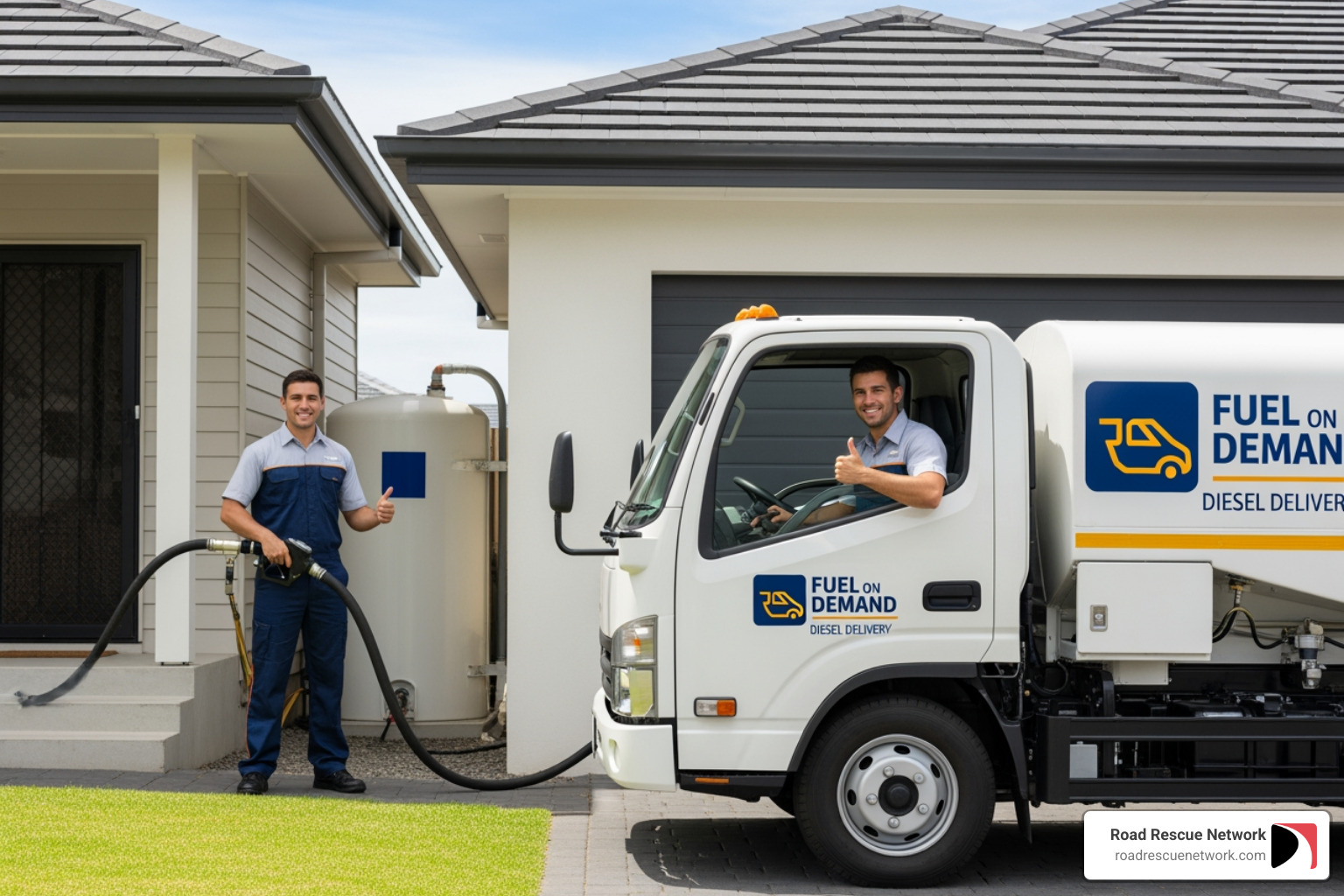
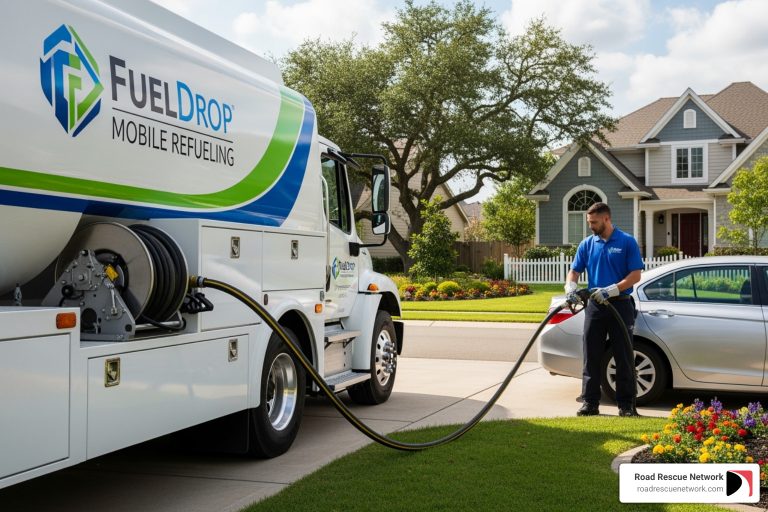
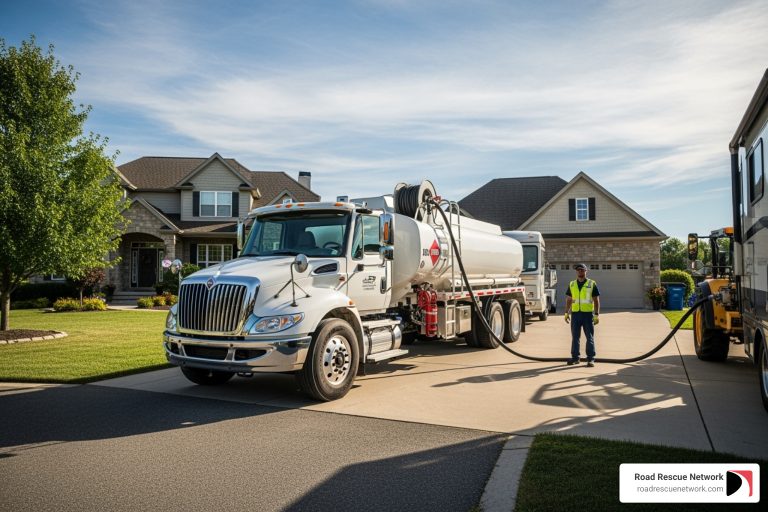
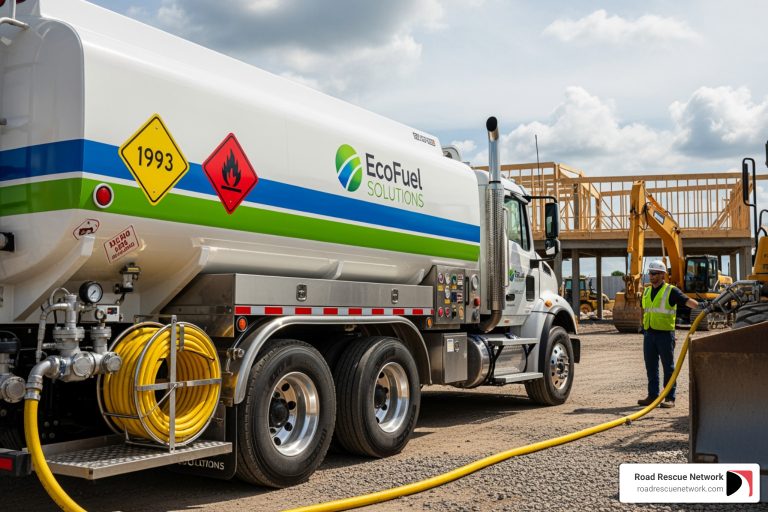
Diesel door delivery is a modern fuel procurement service where authorized suppliers bring diesel directly to your business location using mobile dispensing units. Instead of sending vehicles to fuel stations, companies order diesel through mobile apps for delivery to stationary equipment like generators, construction machinery, or industrial assets—often with real-time tracking and zero pilferage.
Quick Overview: What You Need to Know
| Aspect | Details |
|---|---|
| What It Is | On-demand fuel delivery to your doorstep via mobile bowsers |
| Who Can Use It | Industrial/commercial customers with stationary equipment |
| How to Order | Mobile apps, online platforms, or 24/7 phone service |
| Key Benefits | Saves time, eliminates pilferage, transparent pricing |
| Delivery Methods | Mobile Dispensing Units (MDUs) or Smart Fuel Containers (SFCs) |
| Payment Options | UPI, credit/debit cards, e-wallets, cash on delivery |
| Safety Standards | PESO-approved equipment, geo-fencing, OTP verification |
Traditional fueling is expensive. Sending a truck to the pump wastes hours, fuel, and labor while risking pilferage. Now, companies like FuelBuddy and IndianOil’s Fuel@Call deliver diesel straight to your equipment. They use geo-fencing to confirm location, OTP codes to verify delivery, and RFID tags to ensure accuracy. You get digital receipts and real-time tracking without leaving your site.
The industry has moved from “send someone to the pump” to “let the pump come to you.” One provider reported delivering over 12 million liters while saving clients 360,000+ kilograms of carbon emissions.
I’m Byron Tarlton, founder of Road Rescue Network. With over two decades in logistics and emergency service platforms, I’ve seen how diesel door delivery coordination keeps commercial fleets and machinery operational when it matters most.
Diesel door delivery further reading:
The Strategic Shift to Diesel Door Delivery
Diesel door delivery marks a strategic shift from resource-intensive refueling to a streamlined, transparent process. This modern approach addresses the challenges of traditional methods, impacting the bottom line and operational continuity.
| Feature | Traditional Refueling Methods | Doorstep Diesel Delivery |
|---|---|---|
| Time Drain | Significant downtime for travel and waiting. | Zero downtime; fuel delivered directly to equipment. |
| Pilferage Risk | High risk of theft and adulteration. | Minimized with secure, digital tracking. |
| Record-Keeping | Manual, prone to errors or loss. | Automated, digital, and real-time. |
| Transparency | Low visibility on quantity and quality. | High visibility with geo-fencing and OTP. |
| Operational Impact | Disrupts workflow, requires dedicated manpower. | Seamless integration, frees up staff. |
| Cost Predictability | Fluctuating pump prices and hidden labor costs. | Transparent pricing and clear cost tracking. |
Traditional methods cause substantial “time drain.” Sending staff off-site for refueling means unproductive hours that multiply across a fleet. With diesel door delivery, fuel comes to your assets, eliminating travel time.
“Pilferage” is a silent killer of profits. Modern doorstep services use RFID and OTP-based authorization to ensure delivery is made only to the intended customer. This digital trail eliminates leakages and ensures fuel integrity. Manual logs are replaced by automated invoices and geo-tagged deliveries, creating an accurate record for budget tracking.
Key Benefits of Diesel Door Delivery
- Best Convenience: Fuel is delivered directly to your site on your schedule. For stationary equipment in cities like New York, Los Angeles, or Dallas, this means uninterrupted operation.
- Significant Cost Savings: Reclaimed man-hours and reduced vehicle depreciation far outweigh delivery fees. Eliminating “dead kilometers” saves on fuel consumption and labor.
- Zero Wastage and Quantity Assurance: Reputable services use dispensing units certified by Weights & Measures departments. Geo-fencing ensures precise delivery to the specified location.
- Improved Transparency: Smart dashboards offer insights into consumption patterns and usage analytics, empowering businesses to optimize fuel strategies.
Common Use Cases for Diesel Door Delivery
Diesel door delivery is designed for industrial and commercial customers with stationary equipment.
- Stationary Equipment & DG Sets: Critical for continuous operations in manufacturing, healthcare, and data centers.
- Construction Sites: Heavy machinery like cranes and bulldozers stay on-site, minimizing downtime in cities like Miami or Houston.
- Industrial Customers: Factories and warehouses use it for forklifts and backup generators.
- Agricultural & Mining Equipment: Essential for remote operations far from traditional stations.
This facility is NOT available for refueling of vehicles, as per statutory norms. For roadside assistance, we handle emergency fuel delivery for stranded vehicles, which is a legally distinct service.
Tech-Driven Fuel Management and Security
Modern diesel door delivery is powered by digital innovation that ensures accuracy and accountability.
Advanced Features for Secure Delivery
- Geo-Fencing: Fuel dispensing is only actuated when the mobile dispensing unit (MDU) is within a predefined radius of the designated asset, eliminating human error.
- OTP Verification: A unique OTP sent to the registered customer is required to authorize fueling, preventing unauthorized access.
- RFID Technology: RFID tags on assets guarantee that the right quantity of fuel is delivered to the right equipment.
- Mobile Apps: Platforms like the Fuel@Call mobile app allow 24/7 ordering, asset management, and real-time tracking.
- Real-Time Tracking: Customers monitor delivery vehicles in real-time, fostering trust and allowing for proactive management.
- Enterprise Wallets: Many providers offer enterprise wallets or integrate with programs like XTRAPOWER Loyalty benefits, simplifying payments and reducing administrative burdens.
These technologies ensure every transaction is encrypted and transparent, turning fuel procurement into a data-driven process.
Operational Efficiency and Delivery Mediums
Providers use specialized equipment designed for safe, accurate on-site fueling.
Diverse Delivery Mediums
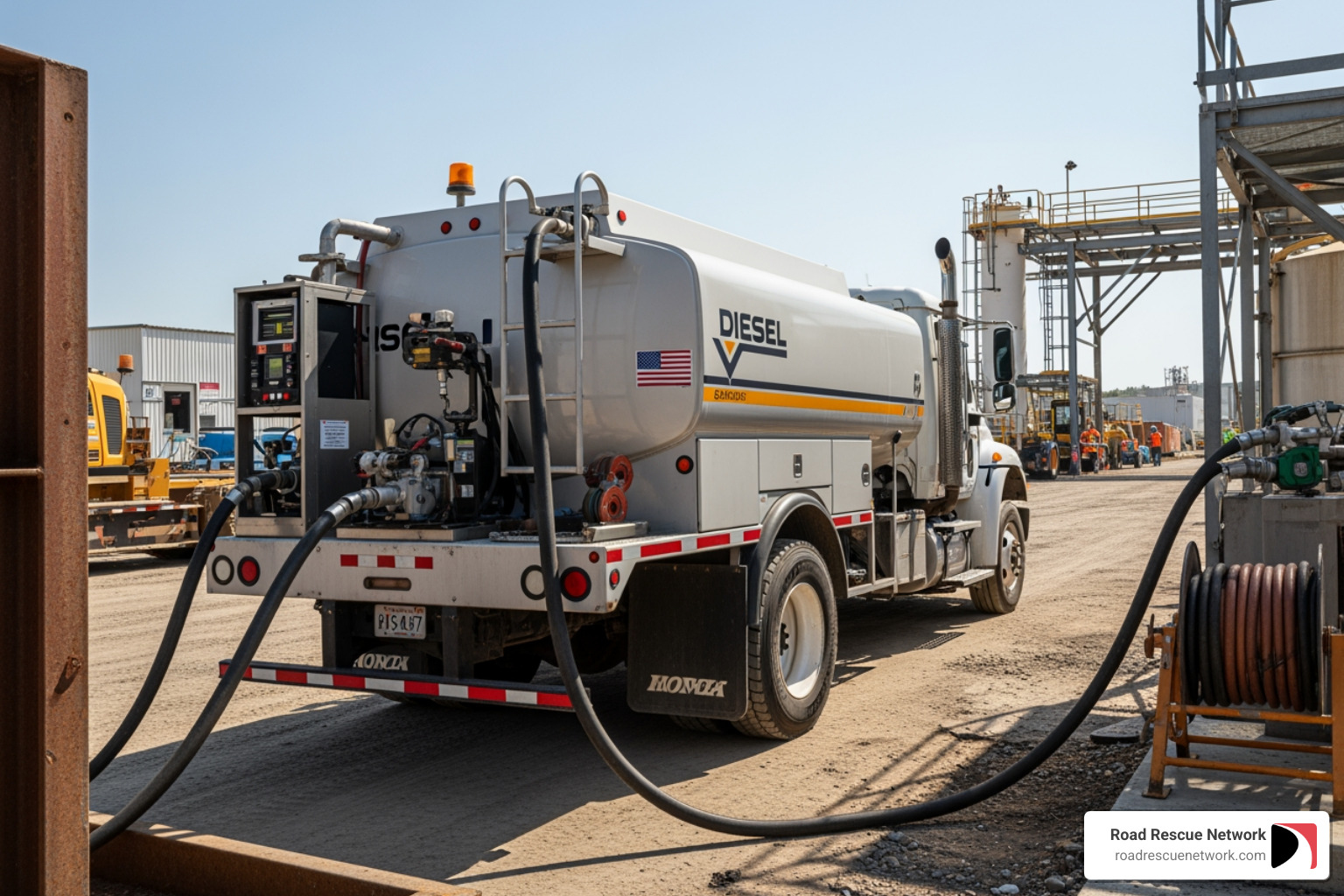
- Mobile Dispensing Units (MDUs): Specialized fuel trucks equipped with advanced dispensing systems certified by Weights & Measures departments. They include safety features like brake-interlocking units to prevent dispensing while in motion.
- Smart Fuel Containers (SFCs): High-density polyethylene (HDPE) containers, such as 2000-liter Datum tanks, are ideal for smaller volumes or on-site storage. They are durable and often integrated with apps for level monitoring.
Streamlined Transaction Flow
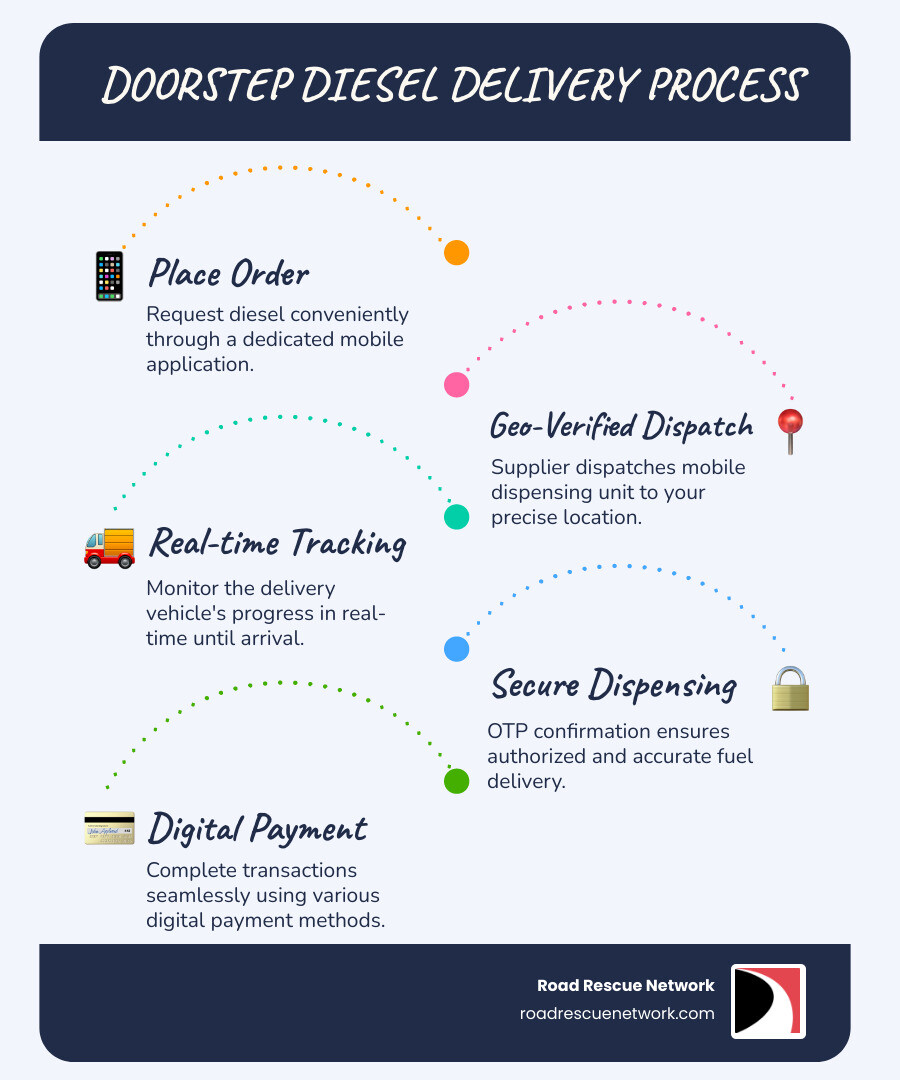
- Registration: Customers register via app, providing business details and asset GPS locations.
- Order Placement: Orders are placed 24/7, specifying fuel type and quantity.
- Dispatch: The nearest MDU is dispatched with real-time tracking available.
- Secure Delivery: Geo-fencing and OTP/RFID verification authenticate the delivery.
- Digital Confirmation: A digital receipt is generated immediately.
Payment options include online payments (cards, net banking), mobile payment integrations, fleet cards, and cash on delivery. This flexibility ensures businesses from Los Angeles to Houston can manage fuel needs without financial friction.
Safety, Compliance, and Sustainability
Diesel door delivery services operate under strict guidelines to ensure the safety of personnel and the environment.
Adhering to Strict Compliance
- Regulatory Approvals: Equipment must meet rigorous standards and receive approvals from authorities (similar to PESO) for safe handling. Dispensing units are regularly calibrated by Weights & Measures departments.
- Trained Personnel: Staff are trained in hazardous material handling and emergency response.
- Secure Protocols: Geo-fencing and OTP verification are critical safety features that prevent unauthorized dispensing.
- Statutory Restrictions: This service is restricted to non-transport assets only (generators, heavy machinery). It is explicitly NOT available for refueling vehicles like cars or buses on public roads.
Contributing to Sustainability
- Reduced Emissions: Optimizing logistics reduces road mileage and carbon footprints. One provider saved 360,000+ kgs of carbon emissions, equivalent to planting 15,000 trees.
- Minimized Spillage: Precise dispensing mechanisms reduce the likelihood of spills compared to manual transfers.
- Resource Allocation: Streamlined procurement leads to more efficient diesel use, aligning with corporate social responsibility in cities like San Francisco or Seattle.
Frequently Asked Questions
Can I use diesel door delivery for my personal car?
No. Statutory norms and safety regulations state that diesel door delivery is for industrial and commercial customers with stationary equipment only. This includes generators, construction machinery, and industrial equipment. It is NOT available for personal cars or fleet vehicles designed for public roads. For emergency fuel for stranded vehicles, Road Rescue Network provides dedicated roadside assistance.
How is the delivered fuel quantity ensured?
Quantity is guaranteed through several measures:
- Certified Units: MDUs are calibrated by government-approved Weights & Measures departments.
- Tamper-Proof Tech: Secure seals and patented technology prevent tampering.
- Digital Verification: Geo-fencing and OTP/RFID interlocks ensure fuel is dispensed only at the correct location to the verified customer.
What are the available payment options?
Services typically offer:
- Online Payments: Credit/debit cards and net banking.
- E-Wallets: Integrated digital wallets for quick transactions.
- Cash on Delivery: Available for those preferring traditional methods.
- Fleet Cards: Centralized billing and expense management for regular users.
Conclusion
The shift to diesel door delivery is a fundamental evolution in fuel logistics. For businesses in Austin, TX, or Washington, D.C., it offers efficiency, security, and convenience. It replaces traditional pain points like pilferage and inaccurate record-keeping with digital transparency.
At Road Rescue Network, we value reliability. While we provide 24/7 roadside assistance for car emergencies, our background in logistics means we appreciate how diesel door delivery empowers businesses to focus on their core tasks while their fuel needs are met securely.