Don’t Get Stranded: How to Find a Reliable Heavy Duty Tow Truck Company Nearby
Why Finding the Right Heavy Duty Tow Truck Near Me Matters
When your semi breaks down on the interstate or your construction equipment is stuck in a ditch, your search for a heavy duty tow truck near me is urgent. You need answers fast.
Quick Answer: Finding a Heavy Duty Tow Truck Near You
- Use your location or zip code to search online or call law enforcement for referrals.
- Verify 24/7 availability and ask about their fleet capacity (rotators, heavy wreckers).
- Confirm insurance coverage and operator certifications like WreckMaster.
- Get a clear quote upfront (expect $150-$500/hour plus fees).
- Have key details ready: exact location, vehicle type and weight, problem description, and cargo info.
Heavy-duty towing is about more than moving big vehicles – it’s about preventing massive financial losses from downtime. A commercial vehicle breakdown can cost thousands of dollars per day in lost revenue.
Unlike standard towing, heavy-duty service requires specialized equipment like 50-ton rotators and trained operators who can handle vehicles over 26,000 pounds. Whether it’s a jackknifed semi or an overturned dump truck, the right company prevents a quick recovery from becoming a multi-day nightmare.
As founder of Road Rescue Network, I’ve seen how critical it is to connect drivers with reliable help during emergencies. We built this guide to help you make the right call when every second counts.
If you want to dive deeper into how towing works in general, you can also review the background information on vehicle recovery.
Find more about heavy duty tow truck near me:
Understanding Heavy Duty Towing: More Than Just a Bigger Truck
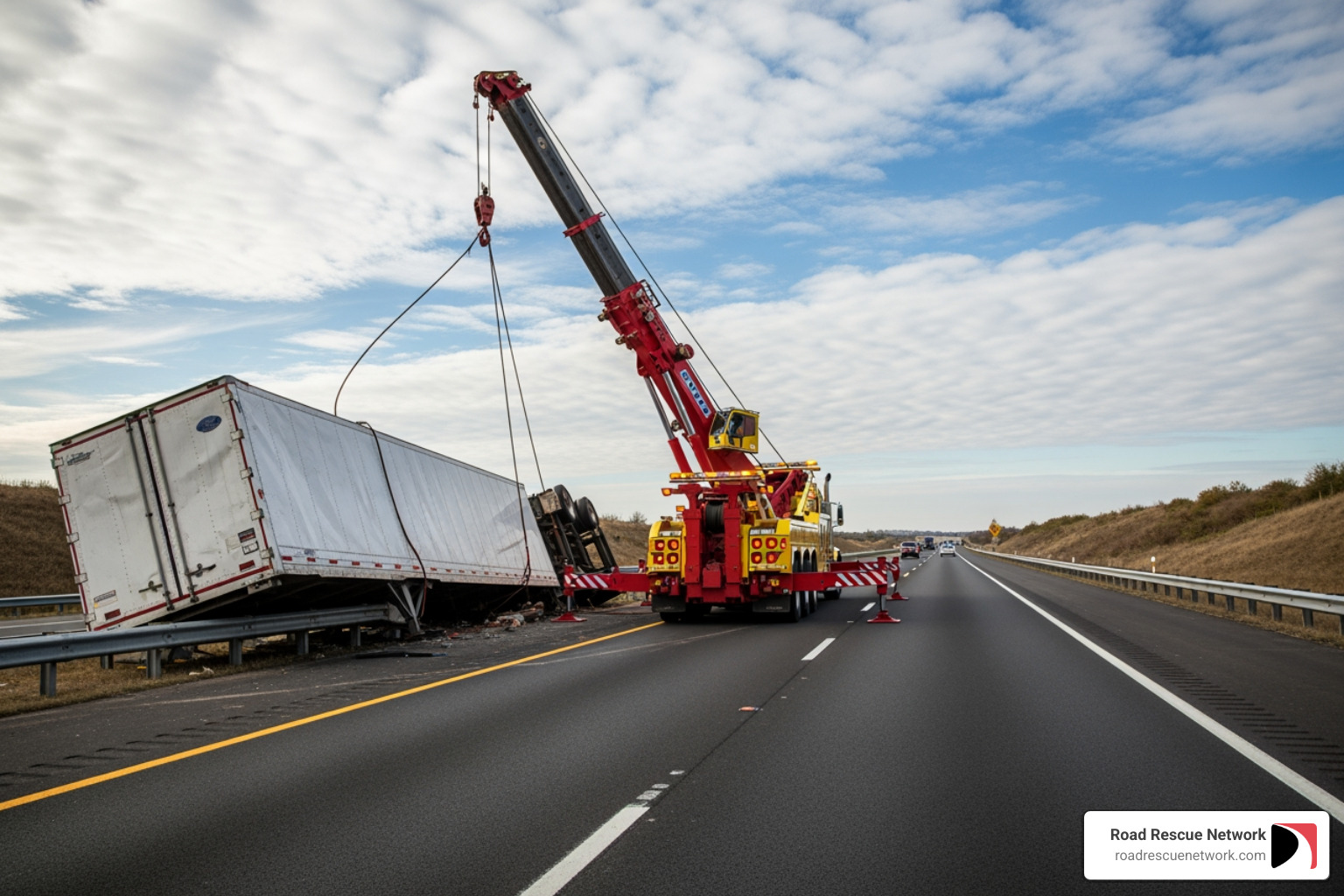
Heavy-duty towing isn’t just about bigger trucks; it’s a specialized service involving powerful vehicles, advanced equipment, and skilled operators. From complex accident scenes to intricate recovery, it’s a world apart from standard towing.
What Qualifies as “Heavy Duty”?
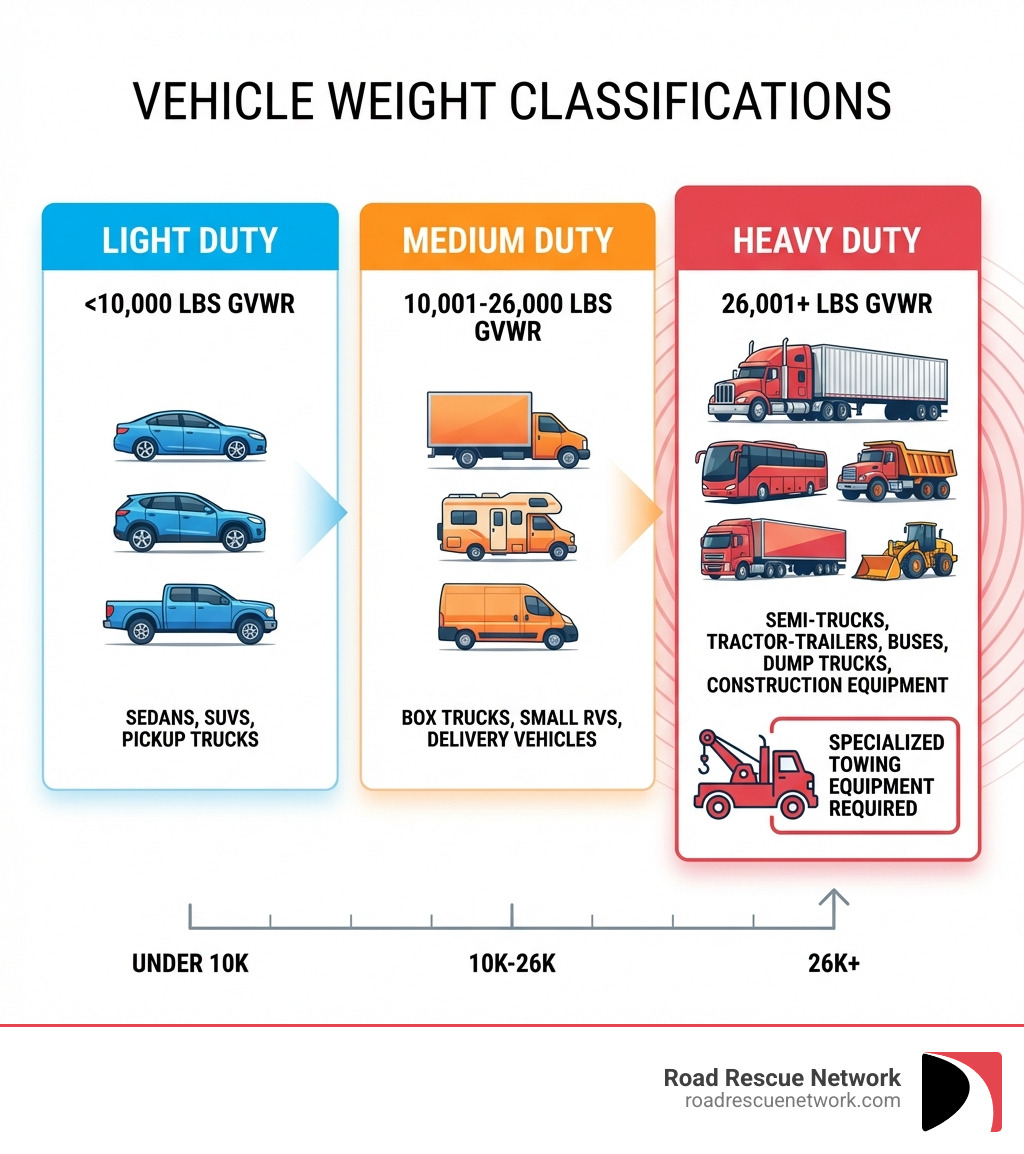
“Heavy duty” refers to vehicles with a Gross Vehicle Weight Rating (GVWR) of 26,001 pounds or more (Class 7 and 8). These are the giants of the road and job site.
Vehicles that often require a heavy duty tow truck near me include:
- Semi-trucks and tractor-trailers
- Buses, coach buses, and large RVs
- Dump trucks, boom trucks, and cement mixers
- Construction equipment like excavators and bulldozers
- Farming equipment like large tractors and harvesters
These vehicles’ unique sizes and weights demand specific towing and recovery techniques.
Common Scenarios Requiring a Heavy Duty Tow
When a heavy-duty vehicle has a problem, a standard tow truck won’t do. Common situations include:
- Mechanical Failure: Engine or transmission problems, brake failures, or other issues that can’t be fixed on-site.
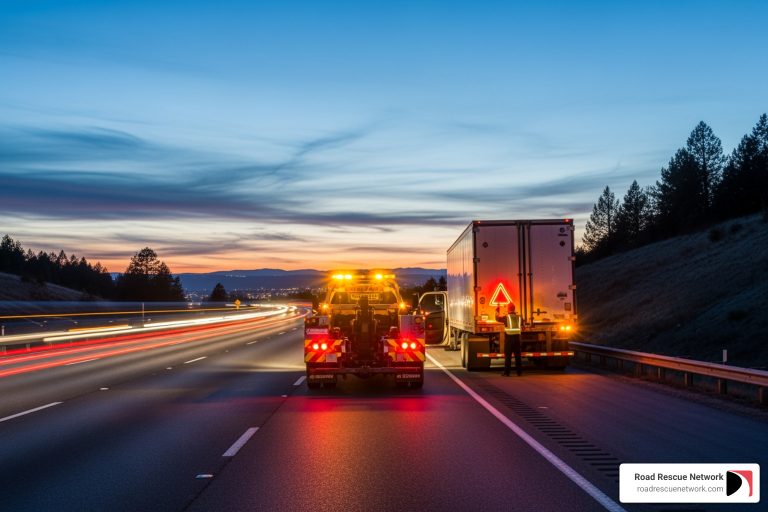
- Accidents and Collisions: Incidents ranging from minor collisions to rollovers, jackknifed trucks, or off-road accidents require complex recovery.
- Stuck or Immobilized Vehicles: A truck stuck in a ditch, mud, or soft ground needs winch-out services and off-road recovery.
- Load Shifts: Unsafe or unstable cargo that has shifted during transit may need to be repositioned or transferred.
- Remote Breakdowns: A tow is necessary to get a vehicle to a repair facility when it breaks down far from help.
Towing vs. Recovery: What’s the Difference?
Understanding the difference between “towing” and “recovery” helps you communicate your needs clearly.
- Heavy Duty Towing: This is the transport of a disabled heavy vehicle from one location to another, typically by lifting the wheels and pulling it. It’s a controlled transport operation for a vehicle on a drivable surface.
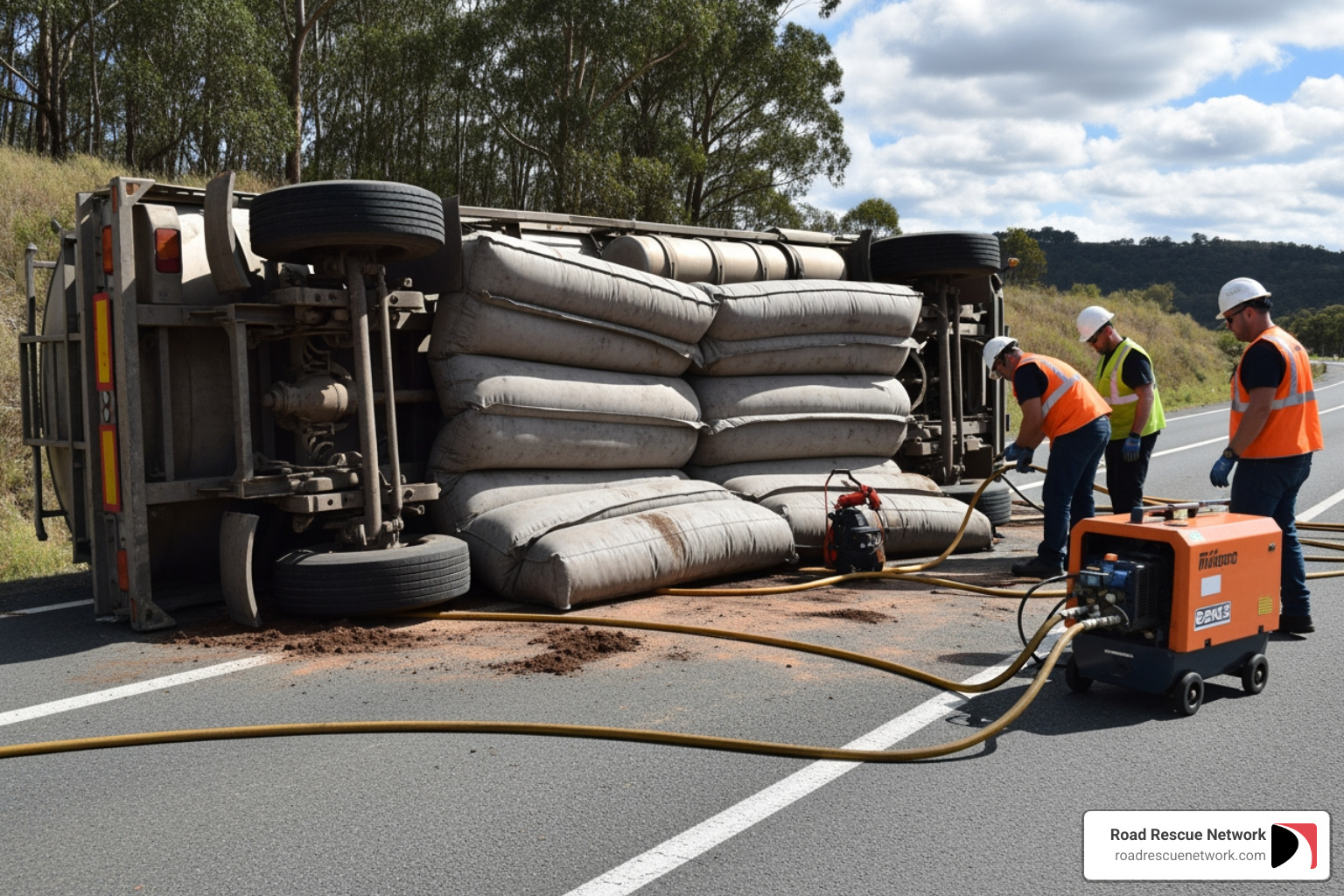
- Heavy Duty Recovery: This is a more complex operation to extricate a vehicle from a hazardous situation. Recovery includes winching a truck from a ditch, uprighting an overturned trailer using rotators or air cushions, and clearing complex accident scenes.
Recovery operations demand specialized equipment and highly trained operators to execute the job safely and prevent further damage.
The Tools of the Trade: Equipment and Services
A heavy-duty towing job requires an arsenal of specialized equipment and a comprehensive suite of services. These are the tools designed to manage vehicles weighing tens of thousands of pounds.
Specialized Heavy Duty Towing Equipment
A top-tier heavy-duty towing company’s fleet is a marvel of engineering. Each piece of equipment serves a specific purpose:
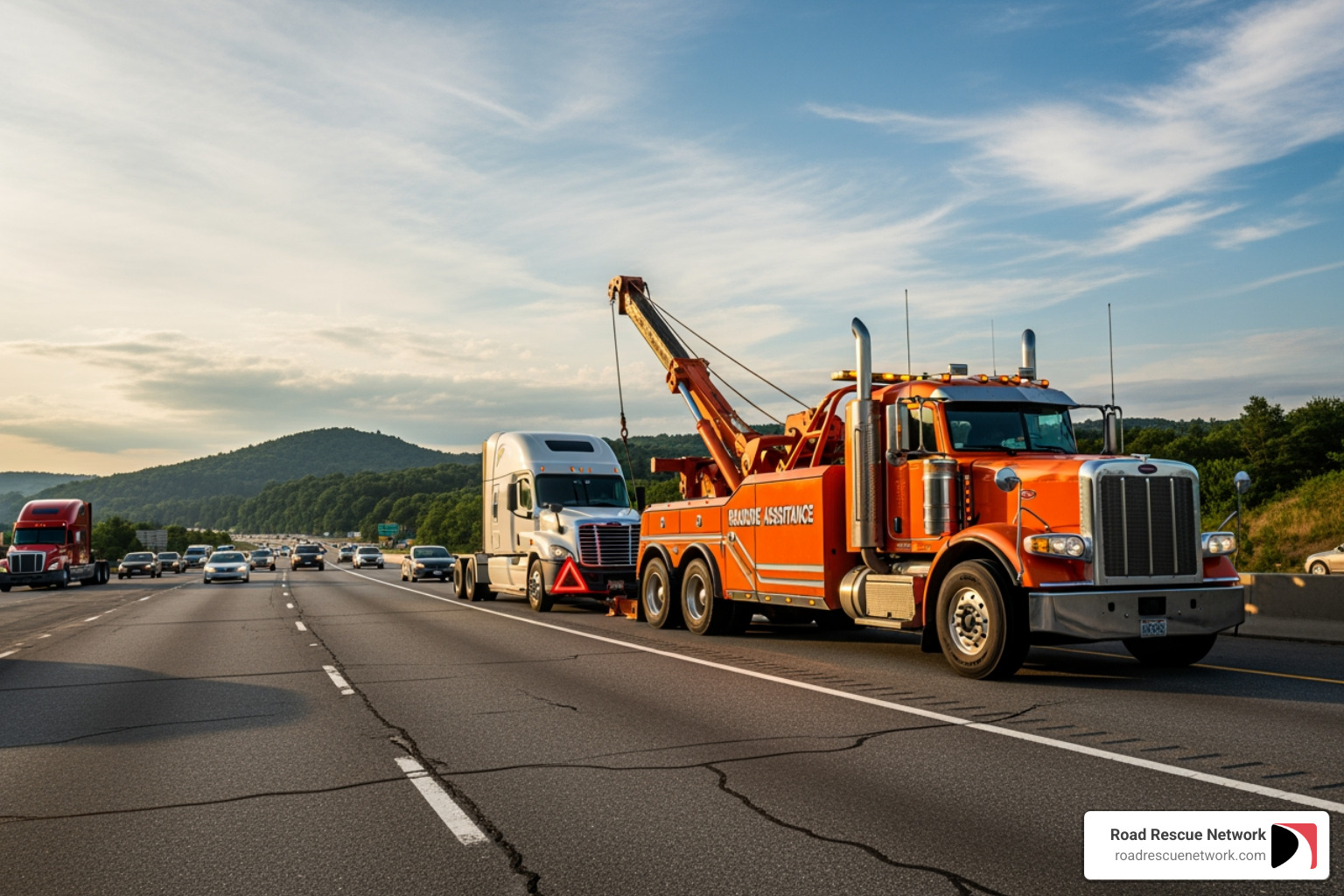
- Rotators: The largest tow trucks available, with a rotating boom to lift and maneuver massive weights from any angle. They are essential for difficult recoveries like uprighting overturned vehicles.
- Integrated Wreckers: These trucks combine a boom and under-reach into one unit, providing immense power for towing large trucks and buses.
- Air Cushion Recovery Systems: Inflatable cushions that lift or upright trucks and trailers with minimal damage, which is ideal for preserving fragile cargo.
- Heavy-Duty Winches: Essential for pulling stuck vehicles out of ditches, mud, or off-road terrain.
- Lowboy and Landoll Trailers: Specialized trailers for transporting tall or oversized heavy equipment, such as excavators or construction machinery.
- Forklifts: Often brought to scenes to assist with cargo transfers and load shifts.
A Full Suite of Services to Expect
When you call for a heavy duty tow truck near me, you should expect more than a simple tow. Comprehensive companies offer a wide array of services to handle any commercial vehicle emergency:
- Heavy Duty Towing and Recovery: Local and long-distance transport, plus complex recovery operations like winching, rollovers, and accident scene management.
- Cargo Services: Handling load shifts, transferring cargo from a damaged trailer to a new one, and recovering cargo from a wreck.
- Mobile Diesel Mechanic: Many companies offer on-site repairs to avoid a tow, including diagnostics, air leak repairs, forced regenerations, and tire service.
- Equipment Transport: Hauling heavy machinery and construction equipment.
- Secure Vehicle Storage: Providing safe, monitored lots for disabled vehicles and cargo.
- Specialized Services: This can include tractor swaps, decking/undecking of new units, and HAZMAT response.
How to Find a Reliable Heavy Duty Tow Truck Near Me
When facing a heavy-duty vehicle emergency, knowing how to find and vet a reliable heavy duty tow truck near me can save you time, money, and stress. It’s about making an informed decision under pressure.
Step 1: Your Immediate Search
Act quickly using technology and local resources:
- Online Search: Use your phone’s location or enter your zip code to search for “heavy duty tow truck near me.” Our platform at Road Rescue Network instantly connects you with local services.
- Directories and Apps: Use specialized directories for commercial vehicle services.
- Law Enforcement: Officers on the scene can often refer you to reputable local towing companies they work with regularly.
Step 2: Vetting Your Options – What to Look For
Once you have a few options, quickly vet them to ensure you’re getting a professional service. Here’s what to look for:
- 24/7 Availability: Breakdowns happen at all hours. A reliable company must offer round-the-clock service.
- Insurance & Liability Coverage: This is non-negotiable. Heavy-duty operations carry significant risks, and a fully insured company protects you, your vehicle, and your cargo.
- Operator Certifications: Look for certifications like WreckMaster, which demonstrate a commitment to safety and technical skill.
- Online Reviews & Reputation: Check Google or Yelp for consistent positive feedback on their heavy-duty services, response times, and professionalism.
- Estimated Time of Arrival (ETA): Ask for a realistic ETA. A professional company should provide a reasonable estimate.
- Fleet and Equipment: Confirm they have the right equipment (rotators, air cushions, etc.) for your specific situation.
- Transparent Pricing: They should be clear about their pricing structure, including hourly rates, mileage, and fees for special equipment.
Step 3: Making the Call – Information to Have Ready
To expedite the process, have these details ready when you call:
- Your Exact Location: Be as precise as possible (highway, mile marker, exit number, or street address).
- Vehicle Information: Specify the type, make, model, and approximate weight (GVWR).
- Description of the Problem: Explain what happened (mechanical failure, accident, rollover, stuck in a ditch).
- Cargo Details: Describe the cargo, its weight, and if it’s hazardous or perishable.
- Desired Destination: Provide the address of the repair shop or storage facility.
- Contact Information: A phone number where you can be reached.
The Bottom Line: Costs and Certifications
Navigating heavy-duty towing can feel a bit like decoding a complex puzzle, especially when it comes to pricing and ensuring the job is done right. Let’s shed some light on what you can expect financially and why the expertise of the operators truly matters.
Understanding the Cost of a heavy duty tow truck near me
The cost of heavy-duty towing is significantly higher than light-duty service due to the specialized equipment, training, and risks involved. While prices vary, here’s a general idea of what to expect:
| Service Type | Average Cost Range (Hourly/Flat) | Additional Factors |
|---|---|---|
| Standard Heavy Tow | $150 – $500 per hour | Mileage fees, time of day (after-hours/weekends are more), type of heavy vehicle, distance to destination |
| Heavy Recovery | $300 – $1,000+ per hour | Complexity of recovery (winching, uprighting), specialized equipment (rotator, air cushions), labor hours, environmental clean-up, duration of job |
| Rotator Service | $400 – $1,200+ per hour | Often billed at a higher hourly rate due to specialized equipment and operator skill required for complex lifts |
| Mobile Road Service | $100 – $300 per hour | Parts, specific repair complexity, travel time to breakdown location |
Common cost factors include hourly rates (often from yard to yard), mileage fees, surcharges for special equipment (like rotators), after-hours calls, and labor for multiple operators. Always ask for a clear, itemized quote upfront to understand the potential costs.
Why Operator Training and Certification Matters
When you’re entrusting a valuable heavy-duty vehicle and its cargo to a towing company, the expertise of the operator is non-negotiable. This is where specialized training and certifications come into play, significantly impacting safety, efficiency, and ultimately, your bottom line.
- WreckMaster Certification: This is a highly recognized certification in the towing industry. Certified operators have undergone rigorous training in advanced recovery techniques, safety protocols, and equipment operation.
- Safety and Damage Prevention: Certified operators are trained to assess risks, implement safety zones, and use proper rigging techniques. This prevents further damage to your vehicle, its cargo, and the surrounding infrastructure, which can save you from expensive repairs.
- Professionalism and Efficiency: Trained operators bring a higher level of professionalism and problem-solving to the scene. Their expertise ensures the job is done correctly and efficiently, minimizing your downtime.
Choosing a company with certified operators is an investment in peace of mind, ensuring your valuable assets are handled safely and effectively.
Frequently Asked Questions about Heavy Duty Towing
We understand that when you’re in a pinch, you have a lot of questions. Here are answers to some of the most common questions about heavy-duty towing.
How long does a heavy-duty tow truck usually take to arrive?
The Estimated Time of Arrival (ETA) for a heavy duty tow truck near me varies based on several factors:
- Location: Response times are often quicker in major metropolitan areas compared to rural or remote locations.
- Conditions: Heavy traffic and adverse weather like snow or ice can cause delays.
- Time of Day: Response times might be slightly longer during late-night hours or on holidays.
- Company Efficiency: A well-organized dispatcher with a large fleet can provide faster service.
Always ask for an ETA when you call and provide your exact location for the most accurate estimate.
Can a heavy-duty tow truck also provide mobile repairs?
Yes, many reputable heavy-duty towing companies also offer mobile repair services, often called “Heavy Duty Road Service.” This can be a huge benefit, potentially getting your vehicle back on the road without a tow.
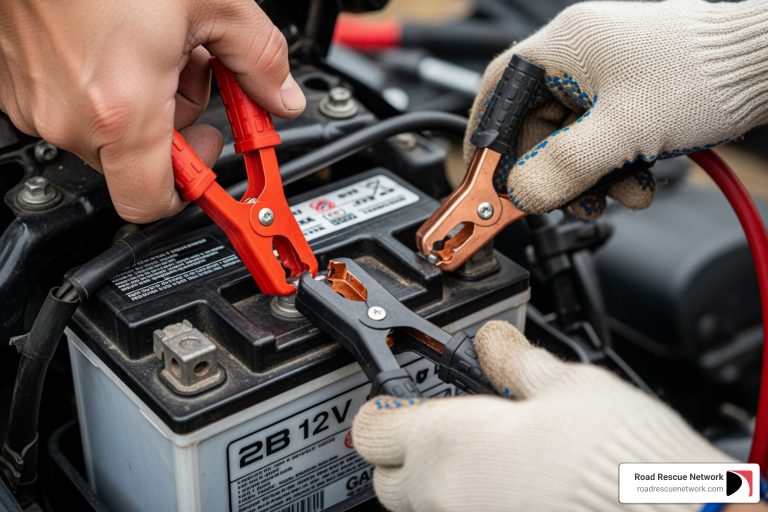
Common mobile repairs include on-site tire changes, battery jump-starts, fuel delivery, air leak repairs, forced DPF regenerations, and on-site diagnostics for engine and transmission codes. Some services can even handle minor welding, brake repairs, and hydraulic hose replacement. The goal is to provide a comprehensive roadside solution that minimizes downtime.
What happens to my truck and cargo after an accident?
After a heavy-duty accident, a reliable heavy duty tow truck near me company will manage the entire aftermath, not just clear the scene.
- Secure Storage: Your truck will be transported to a secure, often camera-monitored, storage facility if it cannot be repaired immediately or needs to await an insurance adjuster.
- Cargo Management: The cargo is a critical component. The company will perform cargo recovery, safely retrieving your goods. They can then arrange for load transfers to another trailer to continue transport, often using forklifts to do so safely.
- Insurance Coordination: Reputable towing companies often work directly with major insurance providers, which helps streamline the claims process.
- Environmental Clean-up: In the event of a fuel, oil, or hazardous material spill, recovery services can handle or coordinate the necessary clean-up in compliance with regulations.
The ultimate goal is to manage the incident comprehensively, ensuring the vehicle, cargo, and environment are handled safely and efficiently, and to get your operation back on track as smoothly as possible.
Conclusion
When a heavy-duty vehicle breaks down, the situation is anything but light. Finding a reliable heavy duty tow truck near me is about more than just a search; it’s about understanding the specialized equipment, services, and professional vetting required.
We’ve seen that heavy-duty towing involves vehicles weighing 26,001 pounds or more, and these situations demand advanced tools and a full suite of services from mobile repairs to cargo transfers.
The key takeaways are clear:
- Be Prepared: Have your location, vehicle details, and problem description ready.
- Vet Thoroughly: Prioritize 24/7 availability, full insurance, certified operators, and a strong reputation.
- Understand Costs: Ask for transparent quotes to manage the significant investment of a heavy-duty service.
By arming yourself with this knowledge, you can transform a stressful breakdown into a manageable situation, minimizing costly downtime. At Road Rescue Network, our mission is to instantly connect you with local rescuers who can provide the rapid, professional help you need, without hidden fees or memberships.
Don’t let a breakdown leave you stranded. Be informed, be prepared, and make the right call when it counts. For instance, if you’re in Kentucky, you can Find reliable heavy-duty towing services in Ashland Park, KY through our network.