
Don’t Get Stranded: The Best Big Rig Repair Solutions
Why Big Rig Repair Can’t Wait
Big rig repair is critical for keeping commercial trucks on the road and avoiding costly downtime. Whether you’re facing a breakdown or need preventive maintenance, understanding your repair options can save thousands of dollars.
Key services include:
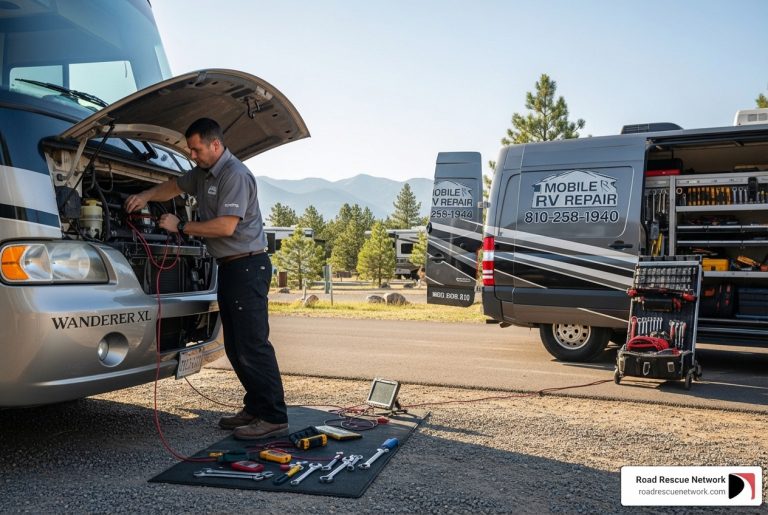
- Mobile Roadside Repair: On-site service for emergencies like flat tires and minor engine issues.
- In-Shop Comprehensive Repairs: Full diagnostics and major work like engine overhauls.
- 24/7 Emergency Assistance: Round-the-clock availability for urgent breakdowns.
- Preventive Maintenance: Scheduled service to prevent expensive failures.
- DOT Inspections: Compliance checks to keep your rig legal and road-ready.
Every minute your truck sits idle costs money. Industry data shows downtime for a commercial truck averages $700 to $1,000 per day. A major repair can cost $5,000 to $15,000, but preventive maintenance can reduce the likelihood of these failures by up to 40%.
When your truck breaks down, you need fast, reliable service. The right repair partner makes the difference between a quick fix and days of lost revenue.
I’m Byron Tarlton, founder of Road Rescue Network. I’ve spent over two decades connecting drivers with certified big rig repair professionals nationwide. My experience has shown me how critical fast, quality repairs are to keeping fleets moving.
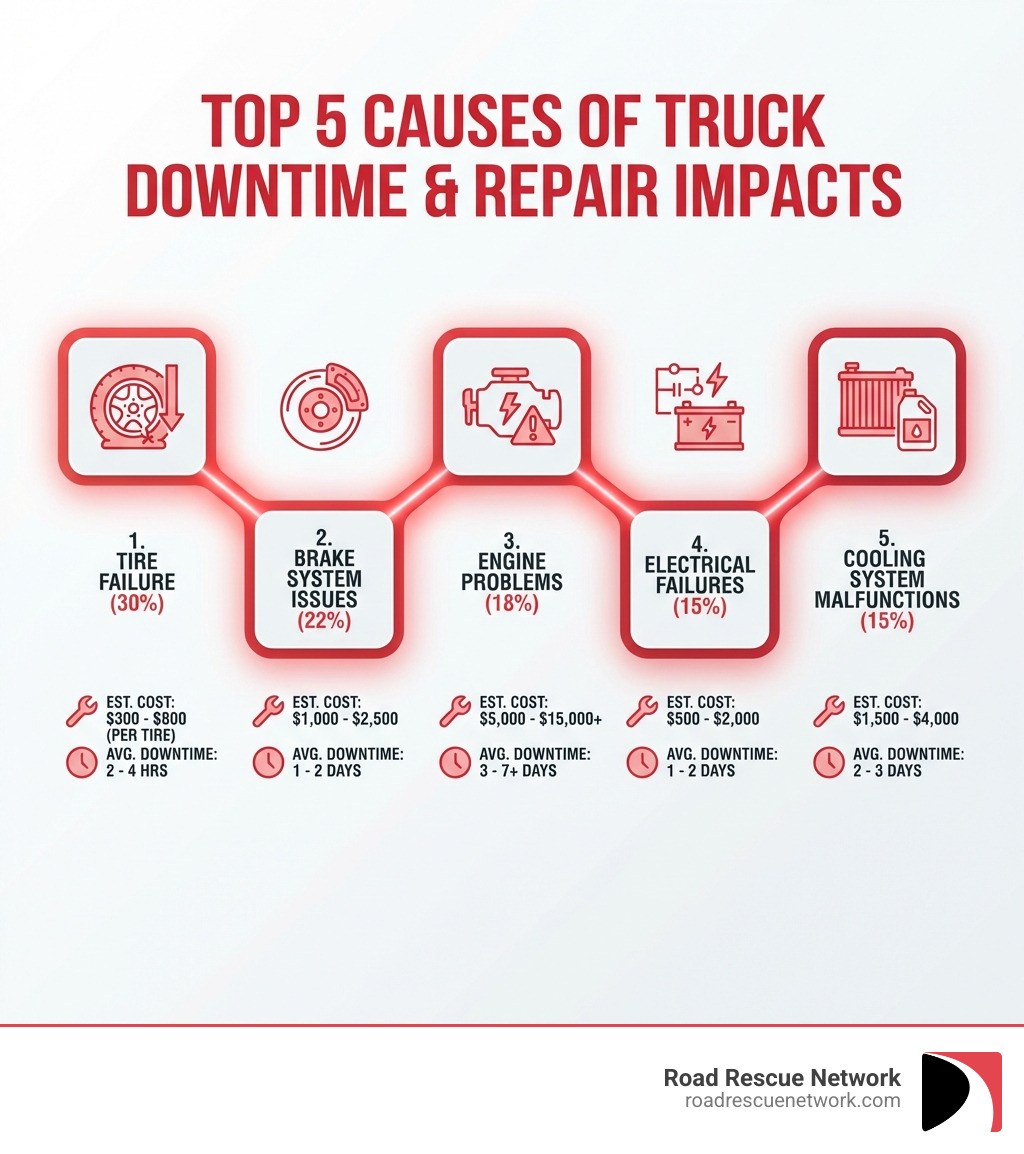
Big rig repair terms at a glance:
Recognizing the Red Flags: When Does Your Big Rig Need Repair?
Recognizing warning signs early is crucial for preventing minor issues from becoming major, costly repairs. Ignoring them can lead to dangerous situations and significant financial losses due to downtime.

- Warning Lights: An illuminated engine warning light or a DEF system alert is an obvious indicator of a problem. A fault in the Diesel Exhaust Fluid (DEF) system can impact performance and lead to fines if not addressed promptly.
- Unusual Noises: Pay attention to the sounds your truck makes. Squealing brakes often indicate dust buildup, while grinding noises suggest severely worn brake pads that require immediate attention. Any strange sounds from the engine, transmission, or axles should be investigated.
- Performance Issues: A sudden loss of power or decreased fuel efficiency can point to engine, fuel system, or transmission problems, such as a faulty alternator or clogged filters.
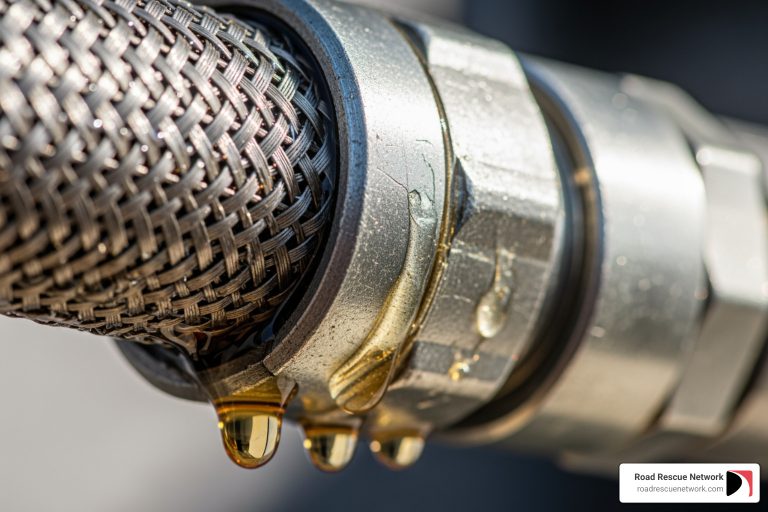
- Visual Cues: Visible fluid leaks (oil, coolant, DEF) are always a cause for concern and can lead to critical system failures. Uneven tire wear is another red flag, suggesting issues with alignment, suspension, or tire pressure.
- Handling Problems: Steering problems, like pulling to one side, indicate issues with the steering linkage, suspension, or alignment. If your truck is not turning on or just stopped working, it could be a dead battery, faulty starter, or a more complex electrical malfunction.
Anatomy of a Breakdown: Common Repairs and Their Costs
Understanding common big rig repair types and their costs can help you prepare for the inevitable. A major truck repair can cost between $5,000 and $15,000, highlighting the value of prompt service. The most frequent issues involve brake systems, engine/drivetrain, electrical systems, suspension, tires, and trailer components.
When you’re facing a breakdown that requires towing, Road Rescue Network connects you with reliable heavy-duty towing services, whether you’re in Heavy Duty Towing California or another service area.
Engine and Drivetrain Repairs
Engine and drivetrain issues are often the most expensive. Common services include:
- Engine overhauls: Comprehensive repairs for severe internal damage.
- Transmission service: Ranging from fluid changes to full rebuilds for issues like grinding or slipping gears.
- Clutch adjustments and replacement: Common for manual transmissions.
- Turbocharger repair: Failure can cause significant power loss.
- Fuel injector replacement: Faulty injectors reduce power and fuel efficiency.
- Differential service: Regular fluid changes prevent catastrophic failure.
- EGR & DPF services: Specialized cleaning or replacement for clogged emissions systems, often requiring a “forced regen.”
Brake, Suspension, and Tire Services
These services are critical for safety and stability.
- Air brake system repair: Fixing air leaks, replacing lines, valves, or compressors is crucial for safety and DOT compliance.
- Slack adjusters & wheel seals: Malfunctioning adjusters and leaking seals are common inspection failures and require prompt attention.
- Suspension and spring replacement: Replacing worn springs, shocks, or air bags improves ride quality and handling.
- Axle repair: Damage from heavy loads or road hazards can impact alignment.
- Tire replacement and repair: Services include patching flats, replacing worn tires, and mobile tire service for roadside emergencies.
Whether you’re dealing with a flat tire or a major suspension issue, having access to heavy-duty towing can be a lifesaver. We connect you with reliable services, whether you’re in Heavy Duty Towing Texas or other major trucking routes.
Electrical, Cooling, and Trailer Repairs
Modern trucks rely heavily on electrical and cooling systems, while trailers have their own repair needs.
- Alternators, starters, and batteries: Failures of these components are common causes of starting problems and roadside calls.
- Computer diagnostics: Essential for quickly identifying engine, transmission, and electrical faults.
- Radiator leaks & cooling system flush: Leaks can cause engine overheating, while regular flushes prevent corrosion.
- Trailer lighting and electrical: Faulty lights are a safety hazard and common violation. Repairs may also involve ABS or other onboard electronics.
- Hydraulic service: For liftgates or dump mechanisms, repairs include fixing leaks and servicing pumps or cylinders.
Mobile vs. In-Shop: Choosing the Right Service Model
When your big rig needs attention, deciding between mobile and in-shop repair impacts your downtime and costs. The best choice depends on the problem’s severity.
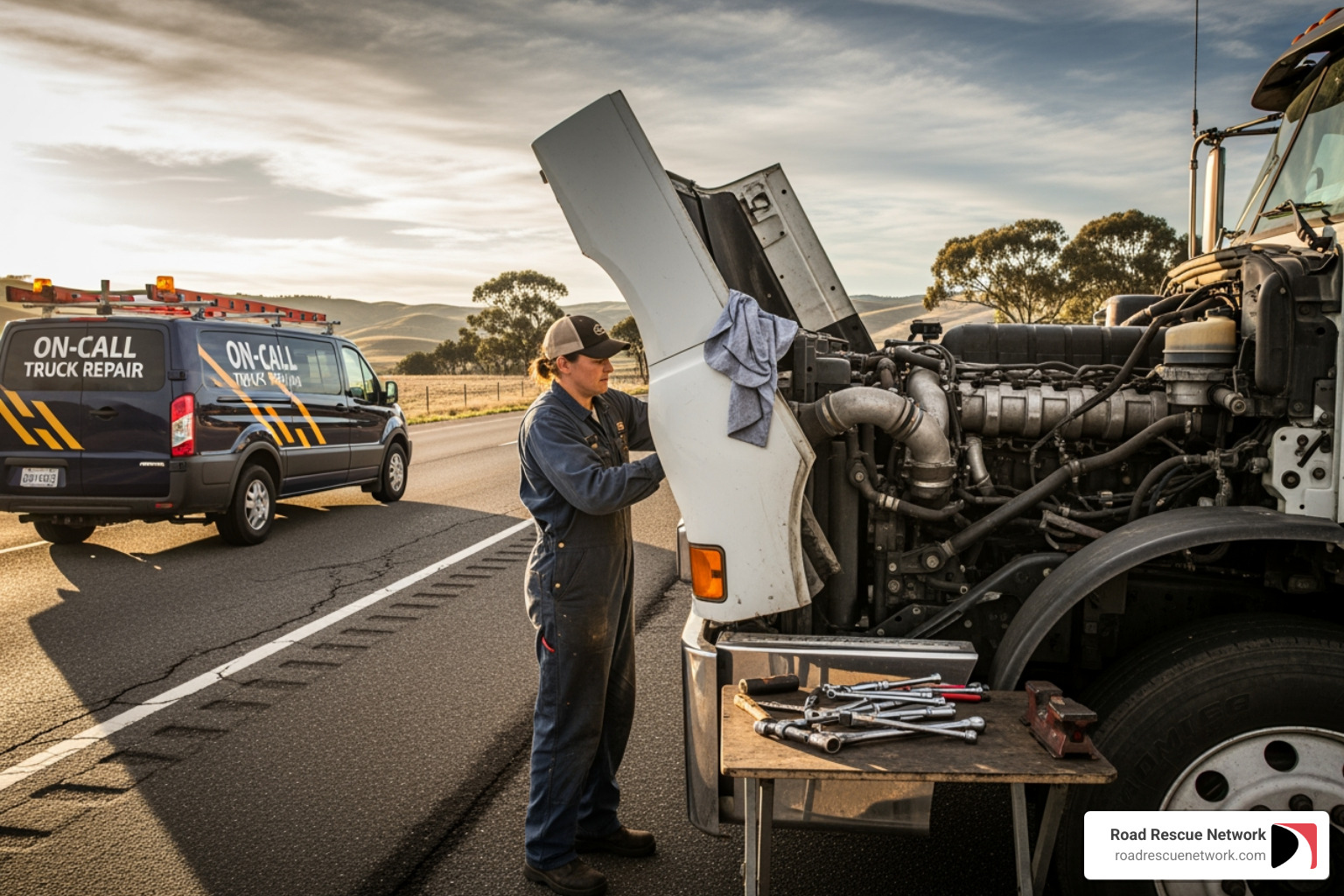
Mobile roadside assistance brings the repair to your location, minimizing downtime for unexpected breakdowns. For extensive work like major overhauls, a dedicated repair shop is necessary, as these facilities have the heavy-duty tools and parts inventory required. If your rig breaks down near Heavy Duty Towing Pennsylvania, knowing this distinction helps you make the right call.
Key Differences Between Mobile and In-Shop Repair
The main difference is the location and scope of work.
| Feature | Mobile Repair | In-Shop Repair |
|---|---|---|
| Location | On-site (roadside, fleet yard, truck stop) | Dedicated repair facility |
| Availability | Often 24/7 emergency service | Typically standard business hours, some 24/7 shops |
| Best For | Immediate breakdowns, minor fixes, diagnostics | Comprehensive diagnostics, major engine work |
| Tools/Equipment | Limited to what can be carried in a service truck | Full range of specialized heavy-duty tools |
| Parts Access | Limited inventory, common parts carried | Extensive parts inventory, quick access to suppliers |
| Complexity of Work | Minor to moderate repairs, diagnostics | Major overhauls, complex system repairs |
| Requires Towing | Rarely, unless repair is impossible on-site | Often required for non-mobile vehicles |
Mobile repair brings the mechanic to you, saving the time and cost of a tow. In-shop repair offers the full capabilities of a dedicated facility, which is essential for complex diagnostics or major component replacements.
When to Call for Mobile Roadside Assistance
Mobile assistance is a game-changer for minimizing downtime. Call for mobile help for issues like:
- Flat tires: Mobile tire service can patch or replace tires on the spot.
- Dead batteries: Get a jump start or a full battery replacement.
- Minor air leaks: Mechanics can often locate and patch minor leaks in air lines.
- Fuel delivery: Get enough fuel to make it to the nearest station.
- Lockouts: Regain access to your cab without causing damage.
- Minor electrical issues: A simple fuse or connection fix can often solve the problem.
- When towing isn’t needed: If the issue can be fixed on-site, mobile repair is the faster, more cost-effective choice.
For situations that don’t require heavy-duty towing, mobile truck repair is your best bet. Even if you’re in Heavy Duty Towing Illinois, we can connect you with a mobile provider to prevent a tow and keep you on the road.
Finding a Trustworthy Partner for Your Big Rig Repair Needs
Choosing the right big rig repair service is paramount. Your truck is your livelihood, so you need a partner who offers expertise, transparency, and quality. Key indicators of a trustworthy service include ASE certification, positive customer reviews, service warranties, 24/7 availability, and the use of high-quality parts.
The Mark of Quality: Why ASE-Certified Technicians Matter
Expertise is non-negotiable for big rig repair. That’s where ASE (Automotive Service Excellence) certification comes in. ASE-certified technicians have passed rigorous tests and have proven skills in heavy-duty truck repair. Choosing a shop with these technicians ensures:
- Specialized Training: They understand the intricacies of heavy-duty diesel engines and systems.
- Diagnostic Accuracy: They can pinpoint problems quickly and accurately, reducing diagnostic time.
- Repair Quality: Their expertise translates to higher quality work and fewer repeat repairs.
- Higher Customer Satisfaction: Getting the job done right the first time saves you time, money, and frustration.
The Role of Technology in Modern big rig repair
Technology has revolutionized big rig repair, leading to faster, more accurate diagnostics and more efficient service.
- Computer Diagnostics: Shops use specialized software to connect to a truck’s onboard diagnostics (OBD) system, reading fault codes to identify issues with the engine, transmission, and ABS.
- Digital Vehicle Inspections (DVI): Many shops use tablets to take photos and videos of problem areas, sharing digital reports with customers for full transparency.
- Telematics Integration: Fleet telematics data can be integrated with repair shop systems to anticipate maintenance needs and streamline the repair process.
- Advanced Diagnostic Tools: Modern shops use oscilloscopes, multimeters, and other tools for precise electrical and sensor repairs.
Key Factors in Choosing a big rig repair Service
When selecting a repair service, consider the following:
- Check Online Reviews: Use Google, Yelp, and trucking forums to gauge customer experiences.
- Verify Certifications: Look for ASE or NAPA certifications. For California, ensure they are certified for CARB Heavy-Duty Inspection and Maintenance Programs.
- Ask About Warranties: A reputable shop will offer a warranty on parts and labor (e.g., a 2-Year/24,000-Mile Warranty).
- Confirm 24/7 Availability: A service with 24-hour roadside assistance is invaluable for unexpected issues, whether you’re in Heavy Duty Towing Missouri or elsewhere.
- Inquire About Parts: Ensure they use quality OEM-equivalent or authorized premium parts.
- Look for Transparency: A good shop provides clear explanations and costs before work begins. DVIs are a great sign of this.
- Consider Specialization: Some shops specialize in certain brands (Freightliner, Volvo) or systems (refrigeration, hydraulics).
The Power of Prevention: Minimizing Downtime and Costs
A robust preventative maintenance (PM) program is the best way to minimize downtime and costs. Preventive maintenance can reduce the likelihood of major repairs by up to 40%, saving you from the crippling cost of downtime, which can average $700 to $1,000 per day.
A comprehensive PM program includes:
- DOT inspections: These mandated checks are a critical part of any PM strategy, uncovering potential safety issues before they fail. Many shops offer 90-day DOT inspections for continuous compliance.
- Fleet maintenance schedules: A strict schedule for service based on mileage or time ensures all components are checked regularly, including oil changes and filter replacements.
- Fluid analysis: Analyzing oil, transmission fluid, and coolant can reveal early signs of internal wear or contamination, allowing for proactive repairs.
- Regular inspections: Routine checks by drivers and technicians can catch minor issues like worn belts or small leaks before they become critical.
- Proactive part replacement: Replacing parts like belts and hoses at recommended intervals, rather than waiting for them to fail, is a core part of prevention.
Investing in preventative maintenance extends vehicle life, improves fuel efficiency, and improves safety. Whether you’re operating near Heavy Duty Towing New York or elsewhere, a strong PM program is your best defense against breakdowns.
Frequently Asked Questions about Big Rig Repair
Here are answers to some of the most common questions about big rig repair.
What is the most common reason for a big rig breakdown?
According to industry data, tire issues are the number one cause of breakdowns, including blowouts, flats, and punctures. Other common culprits are brake system problems, engine and cooling system malfunctions, and electrical failures (alternators, starters, batteries). Proactive maintenance is the best way to prevent these issues.
How much does emergency roadside assistance for a big rig cost?
The cost varies based on the service needed, your location, the time of day, and the issue’s severity. However, a mobile repair call is almost always more cost-effective than a heavy-duty tow plus shop fees and extended downtime. Our network connects you with providers who offer transparent pricing to help minimize costs.
Can I perform any big rig repairs myself?
While drivers can and should handle simple tasks like checking fluids and tire pressure, most big rig repair work should be left to certified professionals. Complex systems like air brakes, diesel engines, and electrical networks require specialized tools and knowledge to ensure safety and DOT compliance. Attempting major repairs yourself can lead to more damage and safety hazards.
Conclusion
Navigating big rig repair is easier when you’re prepared. Understanding the warning signs, common repairs, and service options helps you keep your fleet moving safely and efficiently. The key takeaway is that proactive maintenance is your best defense against costly downtime, reducing the chance of major repairs by up to 40%.
When repairs are needed, choose a service partner with ASE-certified technicians, modern diagnostic tools, and a commitment to transparency. Knowing what to look for in a provider empowers you to make the best decision for your truck, whether you need a quick roadside fix or a major overhaul.
At Road Rescue Network, we understand the urgency of getting your big rig back on the road. We connect you with fast, reliable, 24/7 service with no memberships or hidden fees. Our mission is to instantly connect you with local big rig repair professionals to minimize your downtime. Don’t get stranded—be proactive and partner with reliable experts.
Find immediate mobile truck repair services and keep your business rolling.