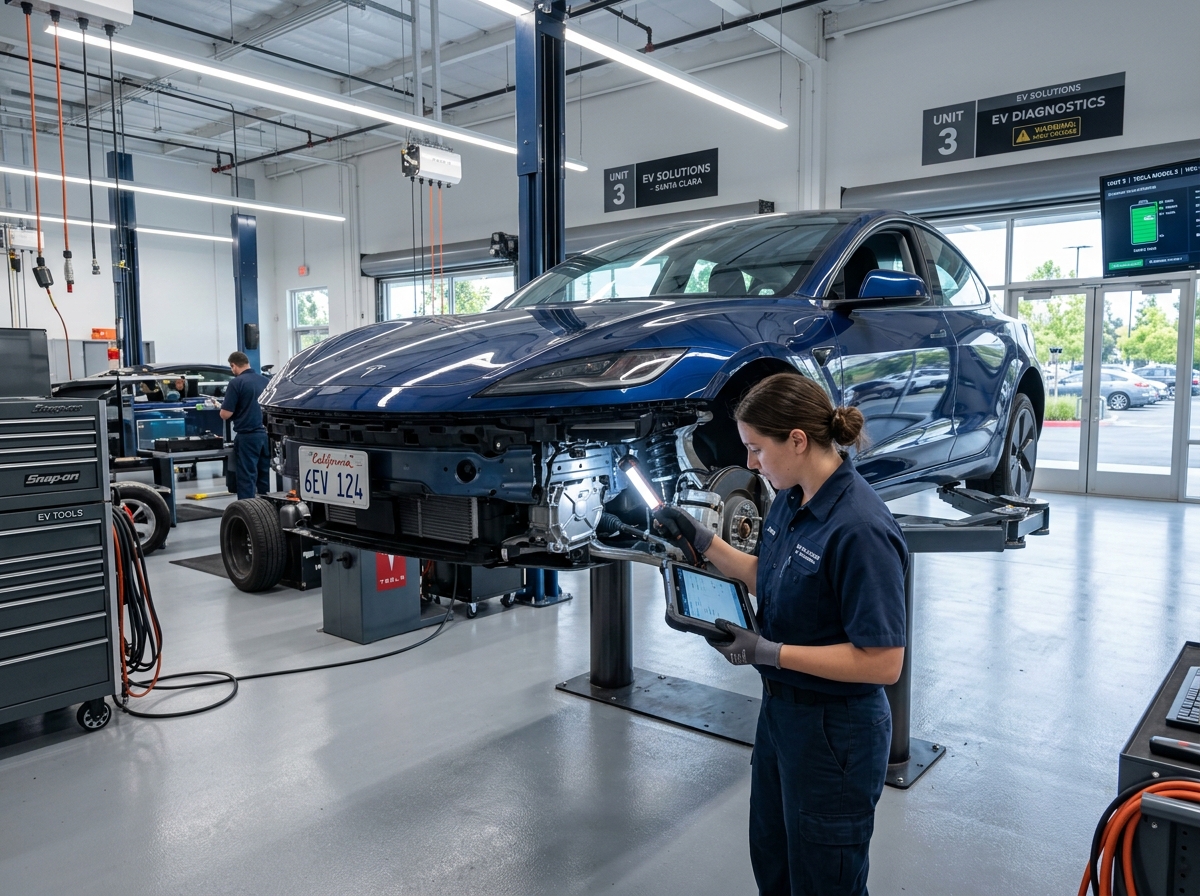
Will an EV Break the Bank? Understanding Service Costs
Are EV Service Costs Really Lower Than Gas Cars?
EV service costs are, on average, significantly lower than what you’d pay to maintain a traditional gas-powered car. Here’s a quick breakdown:
| Cost Metric | Electric Vehicle (EV) | Gas Car (ICE) |
|---|---|---|
| Average annual maintenance savings | $949 less than gas | Baseline |
| Lifetime maintenance savings | ~$4,600 less | Baseline |
| Cost per mile (scheduled maintenance) | $0.06 | ~$0.10 |
| Routine maintenance (Consumer Reports) | 3.1 cents/mile | 6 cents/mile |
| Annual maintenance estimate | $150–$300 | $900–$1,800 |
The short version: EVs cost roughly half as much to maintain as gas vehicles over their lifetime. That’s not a marketing claim — it’s backed by data from the U.S. Department of Energy, Consumer Reports, and AAA.
But the full picture is more nuanced. Battery replacement, tires, collision repair, and insurance can add up in ways that catch new EV owners off guard. This guide breaks all of it down clearly.
I’m Byron Tarlton, founder of Road Rescue Network, and with over two decades in the transportation and fleet services industry, I’ve seen how EV service costs affect both everyday drivers and fleet operators on the road. That experience shapes everything in this guide — so you can make informed decisions without the guesswork.
Ev service costs basics:
EV vs. Gas: Comparing Lifetime Maintenance and Repair Expenses
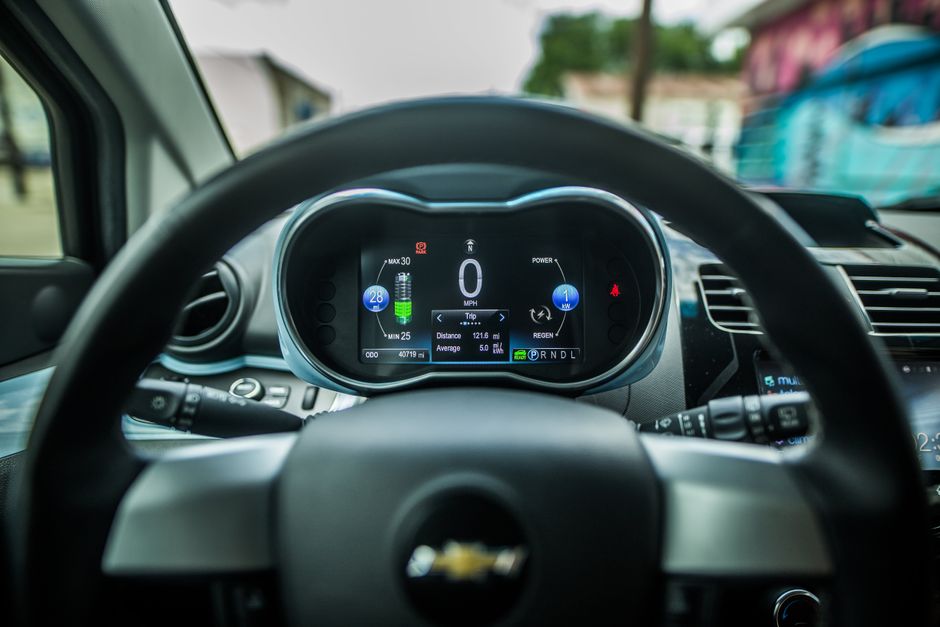
When we talk about ev service costs, the numbers tell a compelling story of long-term value. While the sticker price of an electric vehicle might be higher upfront—averaging around $61,488 compared to $48,681 for gas cars—the “tail” of ownership costs is much shorter.
According to research, EV owners can expect to save approximately $4,600 over the lifetime of the vehicle in repair and maintenance. On an annual basis, that works out to about $949 back in your pocket. A Consumer Reports maintenance analysis highlights that for the first 50,000 miles, an EV costs only about 1.2 cents per mile to maintain, whereas a gas car hits nearly 3 cents. As the vehicles age (between 100,000 and 200,000 miles), the gap widens: 4 cents for EVs versus 8 cents for ICE vehicles.
To put this into perspective, let’s look at how different vehicle types stack up over a decade of ownership:
| Vehicle Category | 10-Year Maintenance Cost Estimate | Cost Per Mile (AAA Study) |
|---|---|---|
| Electric Vehicle (EV) | $4,000 – $7,000 | 8.12 cents |
| Hybrid Vehicle | $6,000 – $9,000 | 9.09 cents |
| Midsize Sedan (Gas) | $8,000 – $12,000 | 10.85 cents |
Note: Estimates exclude major catastrophic repairs like full battery or engine replacements.
What’s Missing? Maintenance Tasks Eliminated by Electric Drivetrains
The primary reason ev service costs are so much lower is the sheer simplicity of the machine. A traditional Internal Combustion Engine (ICE) drivetrain is a mechanical symphony of over 2,000 moving parts. An EV drivetrain? It usually has about 20.
When you make the switch, you can effectively delete these items from your “to-do” list:
- Oil Changes: There is no engine oil to degrade, meaning no $70–$150 visits to the lube shop every few months.
- Spark Plugs and Ignition Coils: No combustion means no need for high-voltage sparks or timing adjustments.
- Belts and Hoses: You won’t have to worry about a snapped timing belt or a leaking radiator hose in the middle of a Phoenix summer.
- Exhaust Systems: Without emissions, there are no mufflers, catalytic converters, or oxygen sensors to replace.
- Simplified Transmissions: Most EVs use a single-speed gearbox, eliminating complex multi-gear transmissions and the need for frequent fluid flushes.
One of the most surprising savings comes from the brakes. Thanks to regenerative braking—where the electric motor slows the car down and pumps energy back into the battery—your physical brake pads and rotors see very little action. Elon Musk on brake pad longevity famously noted that Tesla brake pads can “literally never need to be replaced” for the life of the car in some driving conditions. While we still recommend regular inspections, it’s common for EV owners to reach 100,000 miles on their original set of pads.
Essential EV Service Costs: Tires, Fluids, and Inspections
While we love the savings, we have to be honest: EVs aren’t maintenance-free. In fact, there is one area where ev service costs can actually be higher than gas cars: tires.
Because EVs carry heavy battery packs and deliver instant torque to the wheels, they are much harder on rubber. We often see EV tires needing replacement every 30,000 to 40,000 miles, compared to 50,000+ for many gas sedans. If you find yourself with a flat in a remote area, services like Mobile Tire Repair in Howe, Idaho or a quick Tire Change in Nayatt, Rhode Island are essential, but the best way to save is prevention.
Following the RAC guide on legal tire tread depth is crucial; if your tread is less than 1.6mm, your efficiency drops and your safety risk sky-rockets.
Understanding Routine ev service costs by Interval
Even without oil changes, your owner’s manual will still have a schedule. Here is what we typically see for models like the Ford Mustang Mach-E or Tesla Model 3:
- Every 10,000 Miles: Tire rotation (critical for even wear) and a multi-point inspection of the cooling system, suspension, and brake lines.
- Every 20,000 Miles: Cabin air filter replacement to keep your HVAC system efficient and the air inside clean.
- Every 3 Years: Brake fluid testing or replacement. Even though you use the pads less, the fluid can still absorb moisture over time.
- Every 150,000 – 200,000 Miles: A coolant flush for the battery’s thermal management system. Yes, it’s a long interval, but it’s vital for battery health.
The Battery Factor: Degradation, Warranties, and Replacement Realities
The “big scary monster” in the room for anyone looking at ev service costs is the battery. It is the most expensive component in the vehicle, with out-of-warranty replacements ranging from $5,000 for module repairs to over $20,000 for a full new pack in a high-end model.
However, the reality is much more reassuring. Most manufacturers provide extensive coverage. For instance, the Tesla vehicle warranty terms and Nissan battery warranty details typically cover the battery for 8 years or 100,000 miles (sometimes up to 150,000 miles in states like California). These warranties usually guarantee that the battery will maintain at least 70% of its original capacity. The Renault ZE warranty information follows a similar structure, providing peace of mind for the first decade of the car’s life.
How Battery Health Impacts ev service costs
You can avoid the “big bill” by monitoring your battery’s State of Health (SOH). Modern EVs use sophisticated thermal management systems to keep the cells at the perfect temperature.
- Software is King: Sometimes a “dying” battery is just a software calibration error or a “drifting” Battery Management System (BMS). A simple software update can often “restore” lost range.
- The 12V Trap: Over 80% of EV “breakdowns” where the car won’t start are actually caused by the small 12V auxiliary battery (the same kind in gas cars), not the big high-voltage pack. Replacing this costs $250–$500, not $15,000.
- Charging Habits: Frequent DC fast charging can accelerate degradation. For the lowest ev service costs, stick to Level 2 home charging for daily use.
Hidden Ownership Costs: Insurance, Collision, and Roadside Needs
While routine maintenance is cheaper, some “hidden” costs can bite.
- Insurance: On average, EV insurance can be 15–30% higher because the vehicles are more expensive to replace and require specialized technicians for repairs.
- Collision Repair: If you’re in a fender bender in Chicago or Houston, the repair bill might be $1,000 higher than for a gas car. This is often due to the need to “depower” the high-voltage system and recalibrate complex sensors.
- MOT and Inspections: In some regions, like the UK, the UK Government MOT fee structure is capped at £54.85 regardless of fuel type, but you’ll still need that annual check to ensure safety.
At Road Rescue Network, we see a lot of “newbie” EV mistakes. If you run out of juice, you’ll need Light Duty Towing in Wright, Virginia to get to a charger. If your 12V battery dies, a Jumpstart in Otto, Arkansas can get you moving, and we’re always here for a Lockout in Oakridge, Oregon.
Pro Tips to Minimize Your Long-Term ev service costs
Want to keep your ev service costs at the absolute minimum? Follow these pro tips:
- The 20-80% Rule: Try to keep your battery between 20% and 80% charge. Charging to 100% every day creates heat stress that can shorten the battery’s life.
- Use Regenerative Braking: Set your car to “one-pedal driving” mode. Not only is it fun, but it keeps your brake pads like new for years.
- Monitor Tire Pressure: Because EVs are heavy, even a slight drop in tire pressure can lead to uneven wear and reduced range. Check them monthly.
- Preconditioning: In cold cities like Boston or Minneapolis, use your app to “precondition” the battery while the car is still plugged in. This uses grid power to warm the battery, protecting it from the strain of cold-weather driving.
- Mobile Service: Many EV brands offer mobile technicians who can come to you for minor repairs, saving you the time and cost of a dealership visit. Whether you need Mobile Auto Repair in Ward, Oklahoma or Mobile Auto Repair in Arcadia, Florida, checking for on-site options is a smart move.
Frequently Asked Questions about EV Service Costs
Are electric cars more expensive to repair after an accident?
Generally, yes. The average collision repair for an EV is about $1,000 more than for a gas car. This is due to the specialized labor required to safely handle high-voltage components and the higher cost of parts like sensors and battery cooling manifolds. However, as more shops become EV-certified in cities like Los Angeles and New York, these costs are expected to stabilize.
Do EVs require specialized mechanics for all services?
For things like tires, wipers, and cabin filters, any reputable shop can help. However, for anything involving the high-voltage battery, electric motors, or onboard charging system, you must use an EV-certified technician. Working on these systems without the proper training is extremely dangerous.
How much does a full EV battery replacement cost out-of-warranty?
It varies wildly by model. A Nissan Leaf battery might cost $6,500 – $9,000, while a Tesla Model S or Chevy Bolt EUV could range from $15,000 to $22,000. The good news is that battery prices have dropped 80% in the last decade and are projected to hit $80-$100 per kWh by 2030, making future replacements much more affordable.
Conclusion
Switching to an electric vehicle is one of the best ways to slash your long-term vehicle expenses. While you might pay a bit more for tires and insurance, the elimination of oil changes, belt replacements, and exhaust repairs leads to massive savings. At Road Rescue Network, we’re committed to supporting EV owners across the country—from the busy streets of Miami to the rainy roads of Seattle.
By following a simple maintenance schedule and practicing smart battery habits, you can ensure your EV remains a low-cost, high-performance machine for years to come. If you ever find yourself in a pinch on the road, we provide fast, membership-free assistance to get you back on your way.
More info about roadside assistance safety