Finding Help When Your Car Decides to Quit
When Car Trouble Strikes, Here’s What to Do First
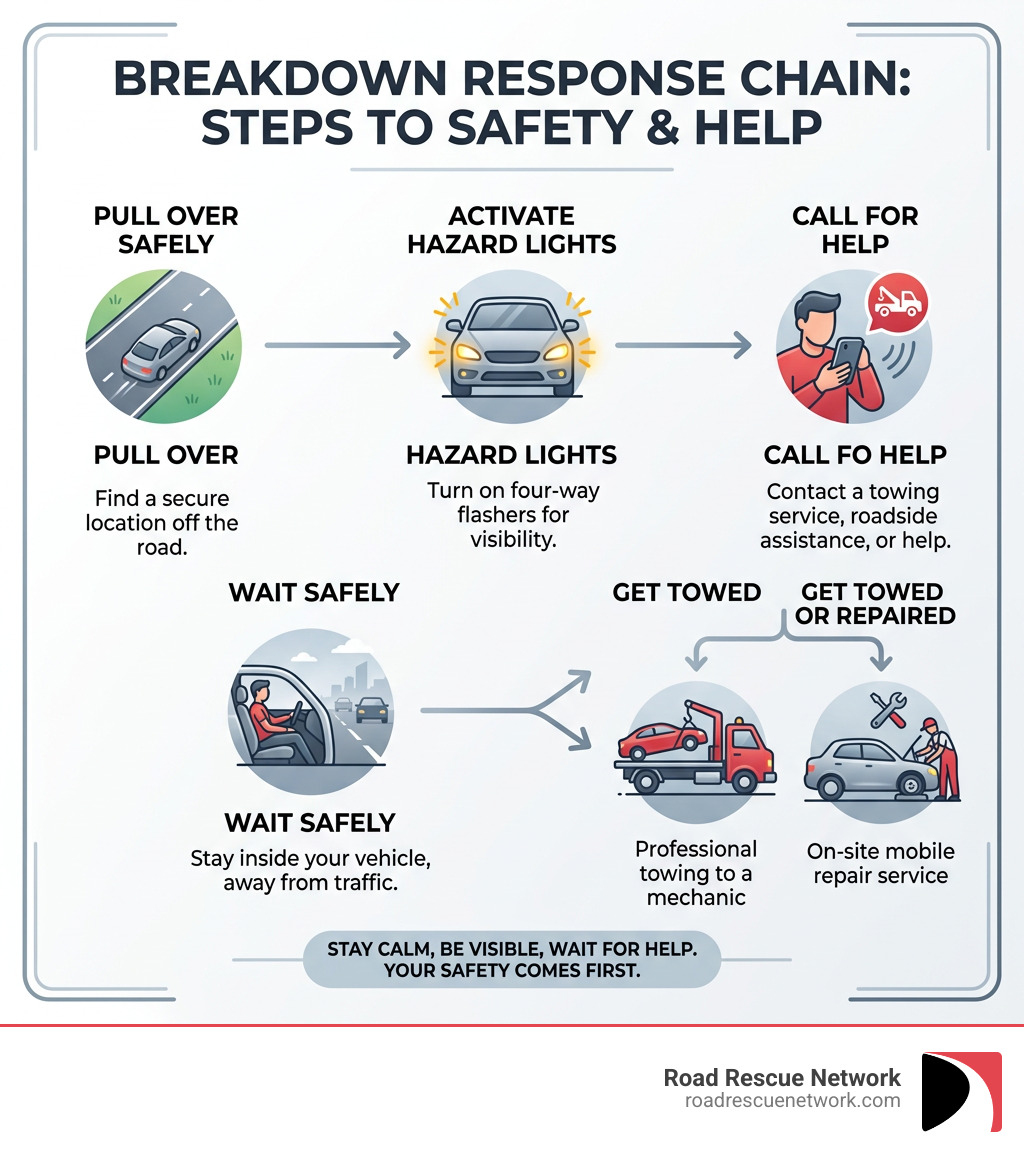
Car trouble help starts with these immediate steps — no matter where you break down:
- Pull over safely — move as far off the road as possible
- Turn on your hazard lights — make yourself visible to other drivers
- Stay in your vehicle — it’s usually the safest place to wait
- Call for roadside assistance — a tow company, roadside service, or 911
- Signal for help — raise your hood or hang a white cloth from your window if you can’t call
Car trouble never announces itself. One moment you’re on your way somewhere, and the next you’re watching traffic blur past while steam rises from your hood — or you’re sitting in a parking lot turning a key that does absolutely nothing.
It’s stressful. It can feel expensive. And if you don’t know what to do next, it can also feel dangerous.
The good news? Most car breakdowns follow predictable patterns. A dead battery, a flat tire, an overheating engine — these are fixable problems. Knowing how to respond quickly and safely makes all the difference between a minor delay and a major ordeal.
This guide walks you through everything: what to do right now, how to spot common problems, when to call a pro, and how to keep it from happening again.
I’m Byron Tarlton — founder of Road Rescue Network and a veteran of the towing and roadside assistance industry with over two decades of hands-on experience helping drivers get back on the road fast, which makes car trouble help the foundation of everything I do. Let’s get you moving again.
Car trouble help basics:
Immediate Safety Steps and Car Trouble Help on the Road
When your vehicle begins to fail while you are in motion, your brain might freeze for a second. That is completely normal. However, the “Golden Rule” of car trouble help is prioritizing your physical safety over the vehicle’s mechanical health.
Get Off the Road
If the engine is still running, even roughly, use that momentum to get to the right-hand shoulder. If you are on a busy highway in a city like Chicago or Houston, try to reach an exit. If you can’t reach an exit, pull as far onto the shoulder as possible, away from the flow of traffic.
Maximize Visibility
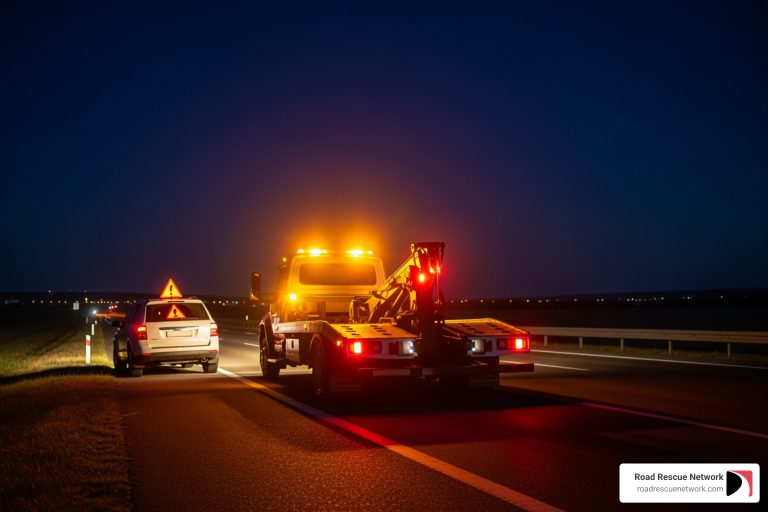
Once you’ve stopped, immediately engage your hazard lights. This is your primary way of telling other drivers, “I am a stationary object; please don’t hit me.” If it is dark or visibility is poor, keep your interior lights on as well. If you have an emergency kit, now is the time to use your flares or reflective triangles. Place them roughly 50 to 100 feet behind your vehicle to give oncoming traffic plenty of warning.
The “Stay or Go” Dilemma
Safety experts generally recommend staying inside your vehicle with the doors locked. Your car is a giant steel cage designed to protect you. If you must exit—for instance, if you see smoke or smell fuel—always exit through the passenger side, away from live traffic. Never stand directly in front of or behind your car, as a secondary collision could pin you.
Signaling for Assistance
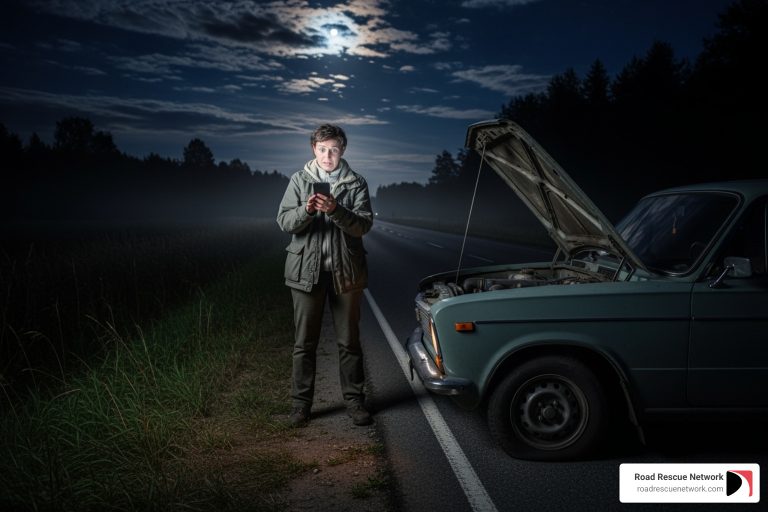
If your phone is dead or you have no service, you’ll need to go “old school.” Pop the hood—this is the universal signal for a breakdown. If you have a white rag or even a piece of paper, hang it out the window or tie it to the antenna. This alerts highway patrol and “Good Samaritans” that you need car trouble help. If someone stops to help, crack your window slightly and ask them to call the police or a roadside service for you rather than getting into their vehicle.
If you find yourself stranded in a place like New York or Philadelphia, a quick Jumpstart Websters Crossing NY or a call to a local rescuer can be the difference between a 30-minute delay and a three-hour nightmare.

Diagnosing Common Issues: Sights, Sounds, and Smells
Your car is surprisingly talkative. Before it completely quits, it usually tries to tell you what’s wrong through sensory cues. Learning to “speak car” is the best way to get the right car trouble help quickly.
Dashboard Warning Lights
Think of your dashboard as your car’s nervous system.
- Steady Light: Something needs attention soon (like a loose gas cap).
- Flashing Light: This is an emergency. Pull over immediately to avoid catastrophic engine damage.
- On-Board Diagnostics (OBD): Most cars made after 1996 have an OBD-II port. If your “Check Engine” light is on, a simple scanner tool can read the code and tell you exactly which sensor is crying for help.
Listen to the Noises
- Squealing: Usually a worn serpentine belt or an alternator bearing.
- Grinding: If it happens when you brake, your pads are likely gone. If it happens when you turn the key, the starter might not be engaging the flywheel.
- Knocking: This is often a sign of low engine oil or using the wrong octane fuel. It requires immediate professional inspection.
Follow Your Nose
- Burned Toast: Often indicates an electrical short or a blown fuse.
- Rotten Eggs: Usually a failing catalytic converter.
- Sweet Syrup: This is the smell of leaking coolant (antifreeze).
- Burning Rubber: Could be a slipping belt or a loose hose touching a hot engine part.
Identifying Fluid Leaks
If you see a puddle under your car in your driveway in San Antonio or Phoenix, don’t panic yet. Use this table to identify the culprit:
| Fluid Color | Likely Source | Urgency |
|---|---|---|
| Clear | A/C Condensation | Normal (No worries!) |
| Bright Green/Orange | Coolant (Antifreeze) | High (Engine may overheat) |
| Dark Brown/Black | Engine Oil | Medium (Check levels immediately) |
| Red/Pink | Transmission or Power Steering | High (Can cause “slipping”) |
| Light Amber/Clear | Brake Fluid | Critical (Do not drive) |
If you notice your tires are wearing unevenly or you have a sudden flat, you might need a Tire Change Sistersville PA to get back on your way safely.
Troubleshooting Why Your Car Won’t Start
There is nothing quite as frustrating as a car that won’t turn over. Before you call a tow truck, listen to what happens when you turn the key:
- Rapid Clicking: This is almost always a dead or weak battery. Standard car batteries only last three to five years. In cold weather, they lose significant strength. You can try “cycling the key”—turning it from ‘off’ to ‘start’ about 10 times—to slightly warm up the battery.
- Single Click or Silence: This often points to a faulty starter motor or a bad ignition switch. Ensure your car is fully in “Park” or “Neutral,” as a faulty safety switch can prevent starting.
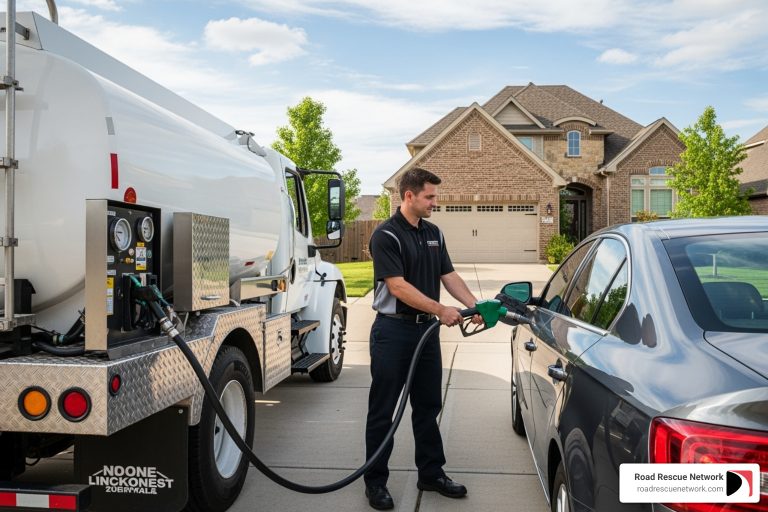
- Normal Cranking but No Fire: Your engine is trying, but it isn’t getting fuel or spark. Check your gas gauge! You’d be surprised how often “broken” cars are just empty. If you are dry, a Fuel Delivery Schonowe NY service can save you a walk to the gas station.
- Key Fob Issues: If you have a push-button start and nothing happens, your fob battery might be dead. Most cars have a hidden backup—check your owner’s manual for the specific spot to hold the fob to start the car manually.
Critical Car Trouble Help for Overheating and Brakes
Two issues require you to stop driving immediately: overheating and brake failure.
Overheating: If your temperature gauge needles into the red or you see steam (which is actually vaporized coolant) coming from the hood, pull over.
- Action: Turn off the engine immediately. Do not open the radiator cap while the engine is hot; the pressurized coolant can cause severe burns.
- Check: Once it cools down, look for leaks in the radiator or hoses. A failed thermostat or a broken water pump are common culprits that cost between $300 and $700 to fix.
Brake Problems: Brakes are your most vital safety feature.
- Squealing/Grinding: This means your brake pads are worn down. Replacing pads costs about $150–$300 per axle, but if you wait until they grind, you’ll likely have to replace the rotors too, which can double the price.
- Spongy Pedal: If the pedal feels soft or sinks to the floor, you might have air in the lines or a leaking master cylinder. This is a “tow-only” situation.
For those in Missouri needing a lift after a mechanical failure, Medium Duty Towing Wallace MO provides the specialized equipment needed for larger SUVs and trucks.
Professional Assistance vs. DIY Fixes
We love a good DIY project, but when it comes to car trouble help, knowing your limits can save you money and keep you safe.
When to DIY
- Checking Tire Pressure: You should do this monthly. Low pressure ruins gas mileage and leads to blowouts.
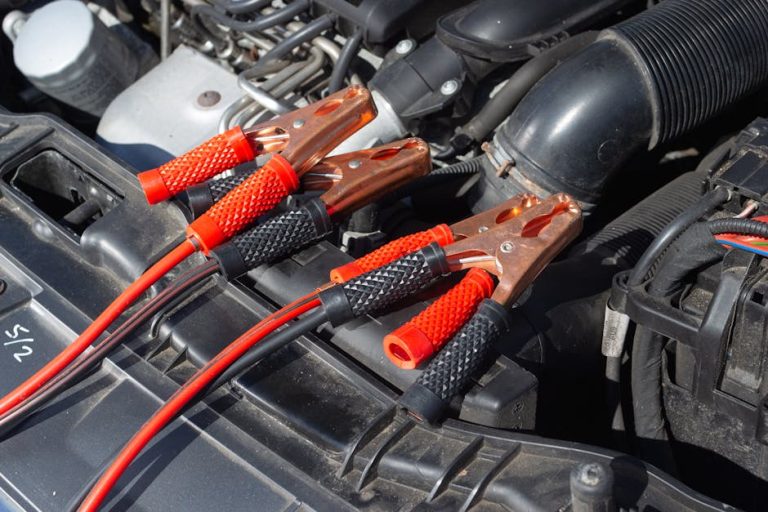
- Jumpstarts: If you have cables and a friendly neighbor, this is a 5-minute fix. Just be sure to connect the terminals correctly (Positive to Positive, Negative to a metal ground).
- Simple Bulb Replacements: Changing a headlight or wiper blade is usually a tool-free job.
When to Call the Pros
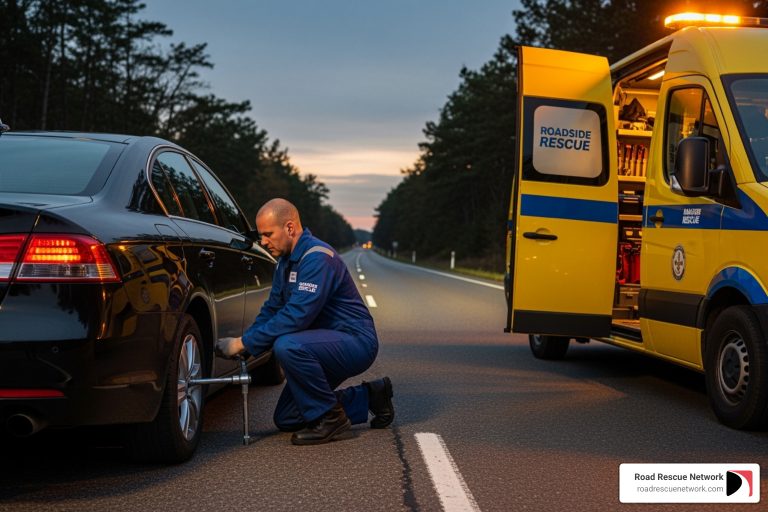
- On Busy Highways: Never try to change a tire on the side of a high-speed interstate. It is far too dangerous. Let a professional with a high-visibility truck handle it.
- Electrical Gremlins: Modern cars are computers on wheels. If your dashboard looks like a Christmas tree, you need a diagnostic scan.
- Lockouts: We’ve all been there—staring at our keys through the window. Instead of risking damage to your door frame with a coat hanger, call for a Lockout Moss Lake LA specialist who can get you in without a scratch.
Managing Repairs: Costs, Financing, and Mechanics
The “sticker shock” of a car repair is real. A new alternator can run $300 to $800, and a full transmission replacement can soar past $5,000. Here is how we recommend managing the financial side of car trouble help.
Choosing a Reliable Mechanic
Don’t wait for an emergency to find a shop.
- Look for ASE Certification: This ensures the technicians have met industry standards.
- Check with the State Attorney General: Your state Attorney General’s office or local consumer protection agency can tell you if a shop has a history of complaints.
- Get it in Writing: Always ask for a written estimate before work begins. A good shop will call you for approval if the cost exceeds the estimate by more than 10%.
Financing Your Fix
If your savings account is empty, you still have options.
- Repair Shop Plans: Many larger shops offer their own financing or “buy now, pay later” options.
- Community Assistance: Organizations like United Way (by dialing 2-1-1) can sometimes point you toward local programs that help low-income individuals with essential car repairs.
- Cash Solutions: Sometimes you need a bridge to your next paycheck. You can cover repairs with cash solutions to get back on the road immediately rather than losing your job because you can’t commute.
For heavy-duty needs, such as a semi-truck or large commercial vehicle breakdown, specialized Heavy Duty Towing Susie KY services are required to move that kind of weight safely.
Long-term Car Trouble Help Through Maintenance
The best way to handle car trouble is to prevent it. We recommend following a strict maintenance schedule:
- Oil Changes: Every 3,000 to 7,500 miles. It’s the lifeblood of your engine.
- Tire Rotations: Every 5,000 to 7,000 miles to ensure even wear.
- Battery Testing: Have your battery tested every fall, especially if it’s over three years old.
- Fluid Checks: Regularly check your coolant, brake fluid, and transmission fluid levels.
Frequently Asked Questions about Car Breakdowns
What is the most common reason a car won’t start?
A dead battery is the #1 culprit. Whether it’s from leaving the lights on, extreme temperatures, or just old age, batteries are the most frequent source of “no-start” calls. A faulty starter motor is a close second.
How much do common repairs like brakes or batteries cost?
- New Battery: $100–$300.
- Brake Pads: $150–$300 per axle.
- Alternator/Starter: $300–$800.
- Oil Change: $50–$100.
- Wheel Alignment: $75–$200.
When should I call for a tow instead of driving?
If your car is leaking bright fluids, smoking, making loud metal-on-metal noises, or if the “Check Engine” light is flashing, do not drive it. Driving a compromised car can turn a $200 repair into a $2,000 engine replacement.
Conclusion
At Road Rescue Network, we believe that car trouble help should be fast, transparent, and accessible. You shouldn’t have to pay a monthly membership fee just for the “privilege” of getting help when you’re stranded. We operate on-demand, 24/7, connecting you instantly with local rescuers in cities from Los Angeles to Boston and everywhere in between.
Whether you need a jumpstart, a lockout service, or a tow to the nearest reputable mechanic, we are here to ensure that a breakdown doesn’t ruin your week.
Don’t stay stranded. Get professional roadside assistance now and let us get you back to what matters most.