Decoding Roadside Assistance Costs: A Comprehensive Guide
Why Understanding Roadside Assistance Cost Matters
Roadside assistance cost varies dramatically, from as little as $15 per year for an insurance add-on to over $600 for a single emergency tow without coverage.
Quick Cost Overview:
| Service Type | Typical Cost | Best For |
|---|---|---|
| Insurance Add-On | $15-$60/year | Most drivers with existing policies |
| Auto Club Membership | $50-$360/year | Frequent travelers, older vehicles |
| Credit Card Perk | $0-$70 per service | Occasional use, premium cardholders |
| Pay-Per-Use | $75-$600+ per incident | Infrequent breakdowns, new car owners |
Car breakdowns are an unfortunate reality of driving. The challenge isn’t just getting help—it’s knowing what you’ll pay before you’re stranded. Many drivers are unaware they have existing coverage through their insurance, credit card, or vehicle warranty, while others unknowingly pay for overlapping plans.
The difference between a $20 annual fee and a $400 emergency tow bill comes down to planning. This guide breaks down every pricing model, from memberships to on-demand services, to help you make an informed choice.
As the founder of Road Rescue Network, I’ve spent two decades making roadside assistance cost transparent. My goal is to help you steer the confusing landscape of pricing and coverage so you’re prepared when trouble strikes.
What is Roadside Assistance and What Does It Cover?
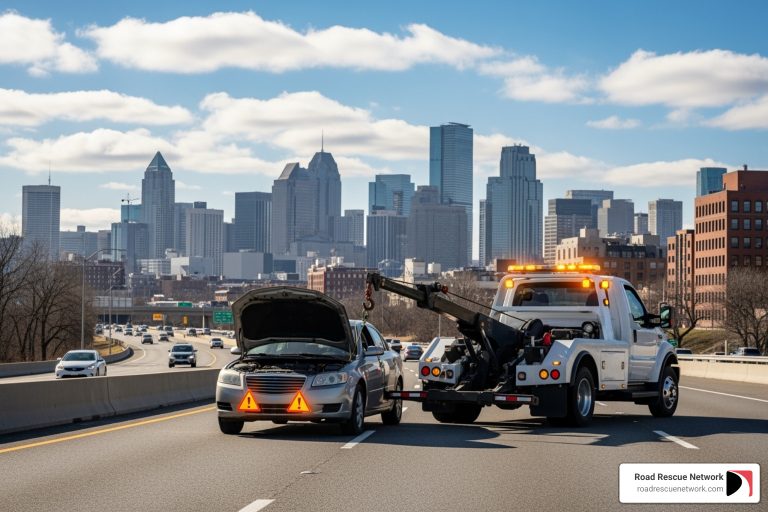
Roadside assistance is your backup plan for unexpected car trouble. Whether you have a dead battery or a flat tire, these services get you unstuck. Instead of being stranded, you make one call, and a professional comes to help on the spot or transport your vehicle safely.
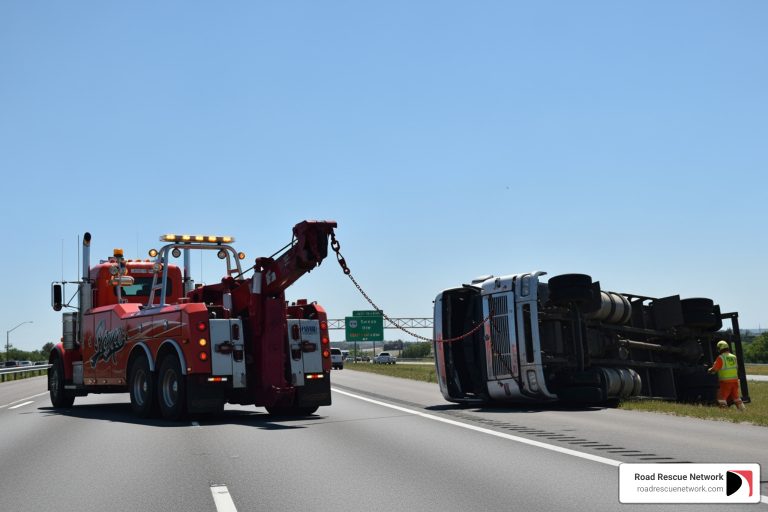
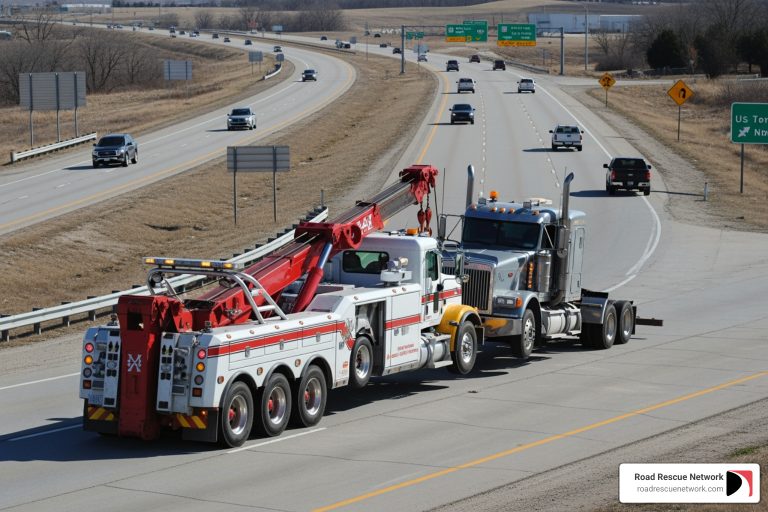
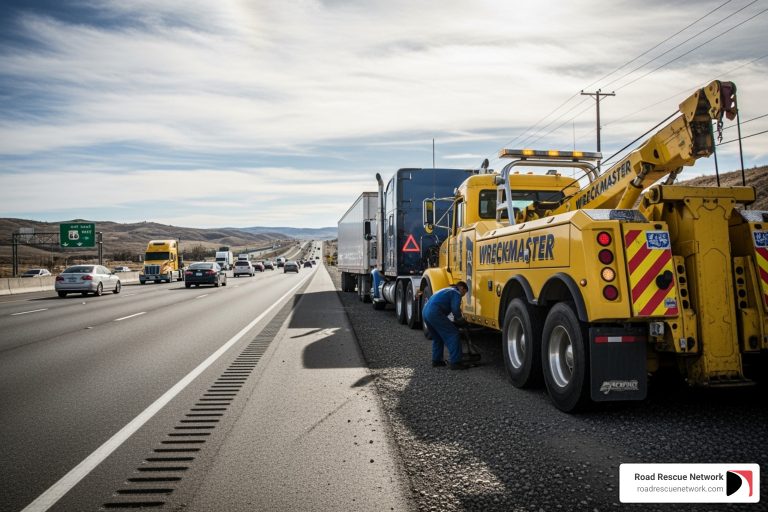
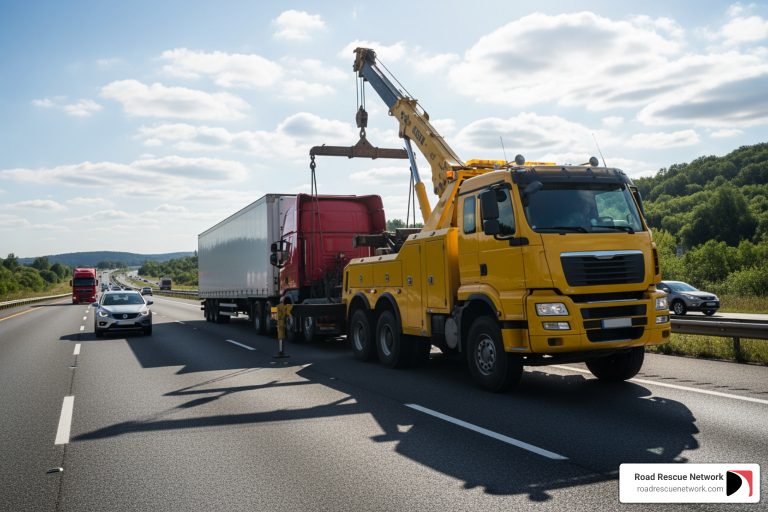
Towing is essential when your car can’t be fixed on-site. A tow truck takes it to a repair shop or your home. Covered towing distance varies from five to 200 miles, significantly impacting your out-of-pocket roadside assistance cost. Specialized services like Medium Duty Towing in Virginia are available for larger vehicles.
A battery jump-start revives a dead battery, one of the most common car problems. A technician arrives to get your engine running again. You can get a quick Jump Start Service in Ohio through our network.
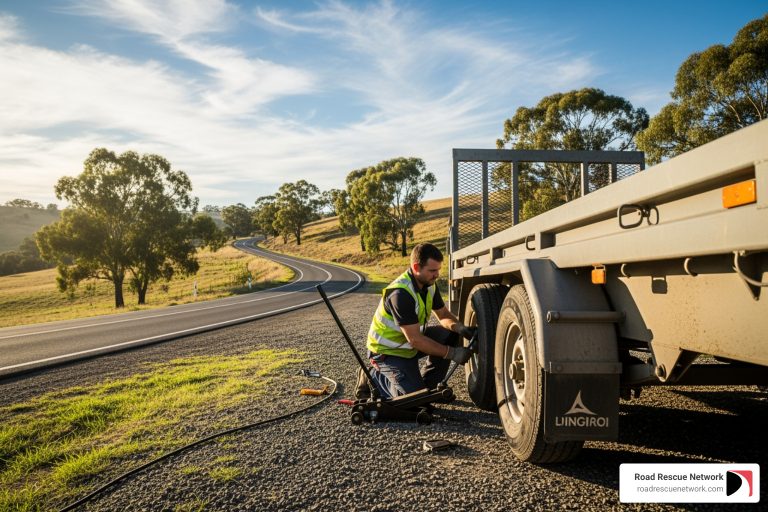
Flat tire changes save you the hassle of changing a tire yourself. A technician swaps your flat with your spare. If you don’t have a usable spare, they’ll tow you to a tire shop. Our partners offer Mobile Tire Repair in South Carolina for more complex tire issues.
Fuel delivery brings you enough gasoline or diesel to reach the nearest station, saving you a long walk. When you’re on empty, services like Fuel Delivery in West Virginia can help.
Lockout service gets you back into your car when your keys are locked inside. A technician can open your vehicle without causing damage. For these moments, Lockout Service in New Jersey connects you with professionals.
Winching or extrication pulls your vehicle out if it’s stuck in mud, snow, or a ditch.
Important: Roadside assistance covers the service call and labor for the immediate emergency, not the cost of parts or subsequent repairs. A new battery or tire patch will be an additional expense. The goal is to get you mobile, not to fix underlying mechanical issues. For RV owners, specialized services like Mobile RV Repair in Indiana address the unique needs of recreational vehicles.
The Annual Roadside Assistance Cost: Plan-Based Coverage
Annual plans offer predictability and peace of mind by locking in a known roadside assistance cost. You pay a set fee upfront for twelve months of coverage, an investment that can save you hundreds during a single breakdown.
How Much Does a Typical Plan Cost?
Your annual roadside assistance cost can range from $0 to several hundred dollars, depending on the provider and coverage level. The price is driven by towing distance, service call limits, and extra perks.
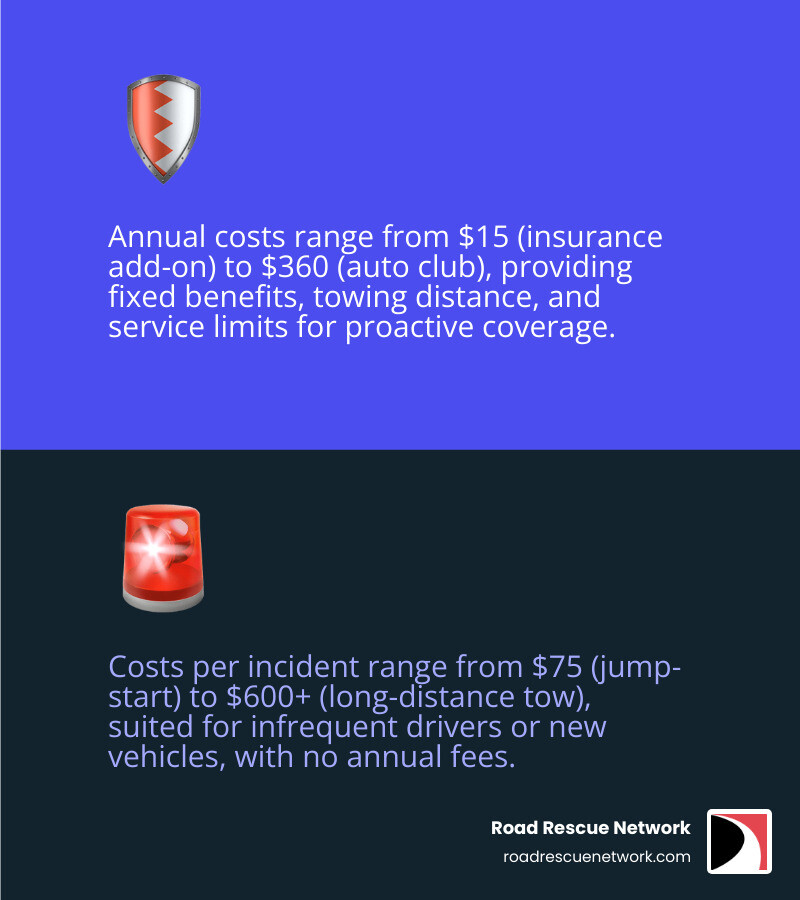
- Insurance add-ons: Usually the most affordable option, costing $15 to $60 per year. GEICO, for instance, starts at just $14 annually.
- Standalone auto clubs: Memberships with providers like AAA or Allstate Motor Club typically run from $50 to $360+ per year, with prices varying by coverage tier.
- Premium credit cards: Some cards bundle roadside assistance, either for free or for a flat per-service fee (e.g., $60-$70 per dispatch for Visa Signature cards).
- Vehicle manufacturer programs: New car buyers often receive complimentary roadside assistance. Hyundai, for example, provides five years of coverage at no cost.
- Cell phone carriers: Companies like AT&T offer plans for around $3 per month, though coverage is often limited.
A single emergency tow can cost $200-$400, meaning even a mid-tier annual plan often pays for itself with one use. You can explore more pricing details at How Much Does Roadside Assistance Service Cost?.
Basic vs. Premium Plans: A Cost and Coverage Breakdown
The difference between basic and premium plans can mean saving hundreds on a single incident. Towing distance is often the biggest differentiator.
- Basic plans ($45–$65/year) cover essentials with 3-4 service calls and short-distance towing (3-5 miles). They typically cover only passenger cars, and you pay for the cost of fuel if delivered.
- Premier plans ($90–$120/year) offer significant upgrades, like towing up to 100 miles, 4-5 service calls, free fuel, and trip interruption benefits of $200–$300.
- Top-tier plans ($120–$160+/year) provide maximum protection, including a 200-mile tow, 5-6 service calls, extensive trip interruption coverage (up to $1,500), and coverage for RVs and motorcycles. Some even include a free rental car for a day.
A basic plan’s 5-mile tow limit may not be enough on a highway or during a road trip, potentially leaving you with large out-of-pocket fees. Premium plans often cover specialized services like Medium Duty Towing in Virginia and Mobile RV Repair in Indiana, which basic plans do not.
Where to Find Roadside Assistance Plans
You can find plans from a variety of sources:
- Standalone auto clubs: Traditional providers like AAA and Allstate Motor Club offer tiered memberships with extensive benefits beyond roadside help, such as travel discounts.
- Car insurance providers: Companies like GEICO, State Farm, and Progressive offer budget-friendly coverage that can be bundled with your existing policy.
- Car manufacturers: Most new vehicles from brands like Hyundai and Ford come with complimentary roadside assistance during the warranty period.
- Premium credit cards: Cards like the TD Cashback Infinite Card may include roadside assistance as a perk, though you often pay a per-service fee.
- Cell phone carriers: AT&T and Verizon offer convenient plans added to your monthly bill, but be sure to check for coverage limitations.
The Price of a Breakdown: Pay-Per-Use Service Costs

Without a plan, a breakdown means finding on-demand help and facing a potentially steep bill. Pay-per-use services offer help without annual fees or commitments, billing you only for the service you receive. While this a la carte pricing is simple, a single incident can cost more than several years of a membership plan.
The A La Carte Roadside Assistance Cost
Here’s what you can expect to pay for on-demand services:
- Towing: This is often the most expensive service. A short tow (under 5 miles) costs $75 to $125, while a 100-mile tow can be $275 to $600+.
- Lockout services: A basic lockout may cost $35 to $75, but for cars with advanced security systems, the price can rise to $150 to $250.
- Jump-starts: A typical jump-start for a dead battery runs $50 to $75.
- Flat tire changes: Expect to pay $50 to $75 if you have a working spare. If not, you’ll need a tow.
- Fuel delivery: The service costs $50 to $75, plus the price of the fuel itself.
- Winching or extrication: Pulling a vehicle from a ditch or mud starts around $100 and increases with difficulty.
Road Rescue Network specializes in transparent on-demand services. With no memberships or hidden fees, you know the roadside assistance cost upfront and only pay when you need help. We connect you with local, 24/7 rescuers instantly.
When Does Pay-Per-Use Make Sense?
Pay-per-use isn’t for everyone, but it can be the smarter financial choice in certain situations:
- Infrequent drivers: If you rarely drive, paying per use can be more economical than an annual plan.
- New car owners: Your warranty likely includes free roadside assistance for several years, making pay-per-use a good option afterward.
- Reliable vehicles: If you have a well-maintained car and a tight budget, you might prefer to risk a one-time cost over an annual fee.
- As a backup: On-demand services like Light Duty Towing in Florida are perfect when your primary plan’s limits are exceeded or you’ve used all your service calls.
The bottom line: if you need help only once every few years, paying as you go can save money. But for frequent drivers or those wanting total peace of mind, a membership plan is usually a better bet.
Uncovering Hidden Coverage and Potential Gaps

You might already have roadside assistance and not know it. Conversely, you might think you’re fully covered but have significant gaps in your plan. The real roadside assistance cost includes understanding what you have and where it falls short.
Do You Already Have Coverage?
Before buying a new plan, do a quick check for existing coverage:
- Auto Insurance: Check your policy for an inexpensive add-on. It’s often included for just a few dollars a month.
- Credit Cards: Review your benefits guide. Premium cards, like the TD Cashback Infinite Card, often include this perk.
- Vehicle Warranty: If you bought a new car recently, your warranty likely includes complimentary roadside assistance for 3-5 years.
- Cell Phone Plan: Carriers like AT&T offer roadside plans for a small monthly fee. Check your account details.
This quick inventory could save you from paying for duplicate coverage.
Understanding Your Roadside Assistance Cost Means Knowing the Limits
Having coverage is one thing; understanding its limits is another. Gaps in your plan can lead to unexpected bills.
- Towing Distance Caps: Basic plans may only cover 3-5 miles. A long-distance tow could leave you with a bill for hundreds in overage fees (often $2.50-$5 per mile).
- Service Call Limits: Most plans cap you at 3-10 calls per year. Once you hit your limit, you pay out of pocket.
- Excluded Vehicles: Standard plans usually cover passenger cars only. You may need special coverage for motorcycles, RVs, or commercial vehicles. Our partners can assist with services like Medium Duty Towing in Virginia when standard plans don’t apply.
- Off-Road Locations: Many plans won’t cover winching or towing if you’re stuck far from a paved road.
- Service vs. Parts: Roadside assistance covers the service (like a jump-start or tire change), but not the cost of a new battery or tire.
Consumer Reports offers a helpful guide on coverage gaps. At Road Rescue Network, we believe in transparency. Our on-demand service means you know the full cost upfront, with no hidden fees or fine print.
Frequently Asked Questions about Roadside Assistance Costs
Here are answers to common questions about roadside assistance cost.
Is free roadside assistance really free?
The term “free” often has strings attached. Here’s what it usually means:
- Credit Cards: “Free” often means no annual fee for the program, but you’ll pay a per-service dispatch fee of $60-$70 when you need help.
- New Car Warranties: This is the closest to truly free. Manufacturers provide complimentary coverage for 3-5 years, though limits on towing distance and call frequency still apply.
- Cell Phone Plans: After a trial, you’ll pay a small monthly fee (around $3) for coverage with low reimbursement caps, often around $50 per incident.
Always check the per-incident cost and coverage limits before relying on a “free” service.
Does using my insurance’s roadside assistance raise my rates?
Good news: Using your insurance’s roadside assistance for minor issues like a flat tire or dead battery is highly unlikely to raise your rates. Insurers typically classify these as minor or non-claims, as they don’t indicate you’re a risky driver.
However, an excessive number of calls in a year could trigger a policy review. Also, if the service call leads to a larger accident claim, that claim could impact your rates. For most drivers, using the service is a safe and smart choice, especially given the low annual roadside assistance cost of an insurance add-on ($15 to $60 per year).
What’s cheaper: an auto club or an insurance add-on?
For upfront cost, insurance add-ons are cheaper ($15-$60/year) compared to auto clubs ($50-$360+/year). However, the best value depends on your needs.
- Insurance add-ons are affordable and convenient, covering basics like short-distance towing (5-10 miles) and 3-4 service calls per year. They are ideal for drivers who want simple peace of mind for local driving.
- Auto club memberships (e.g., AAA) offer more robust coverage. Benefits often include long-distance towing (100+ miles), more service calls, and valuable perks like trip interruption insurance and travel discounts. This is a better fit for frequent travelers or owners of older vehicles.
To help decide, you can find more details at How Much Does Roadside Assistance Service Cost?.
Road Rescue Network offers a third way: pay only when you need help. Our on-demand model provides flexibility without annual fees, making it a great option for many drivers.
Conclusion: Choosing the Right Roadside Assistance for Your Wallet
There’s no single best answer for roadside assistance, but you now have the information to choose the right option for your budget and driving habits. The right choice depends on your vehicle, how you drive, and your tolerance for risk.
For frequent drivers or those with older cars, an annual plan offers peace of mind. Insurance add-ons ($15-$60/year) are great for basic, local coverage. Auto clubs ($50-$360+/year) are better for travelers needing long-distance towing and extra perks.
Pay-per-use is ideal for infrequent drivers or those with new cars under warranty. While a single tow can cost $75-$600+, you avoid annual fees. This can save you money if you only need help every few years.
Before you buy, check for existing coverage from your auto insurance, credit cards (like the TD Cashback Infinite Card), vehicle warranty, or cell phone plan. Understanding the limits of any plan—especially towing distance and service call caps—is crucial to avoiding surprise costs.
Your driving habits, vehicle reliability, and budget should guide your decision. A daily commuter’s needs differ from a weekend driver’s.
Road Rescue Network offers a flexible, transparent alternative. We provide fast, 24/7 on-demand assistance with no memberships or hidden fees. You pay only when you need help, and you know the roadside assistance cost upfront. It’s roadside assistance on your terms.
When you need reliable help without the commitment, we’re here. Get fast, reliable light-duty towing when you need it and get back on your journey.