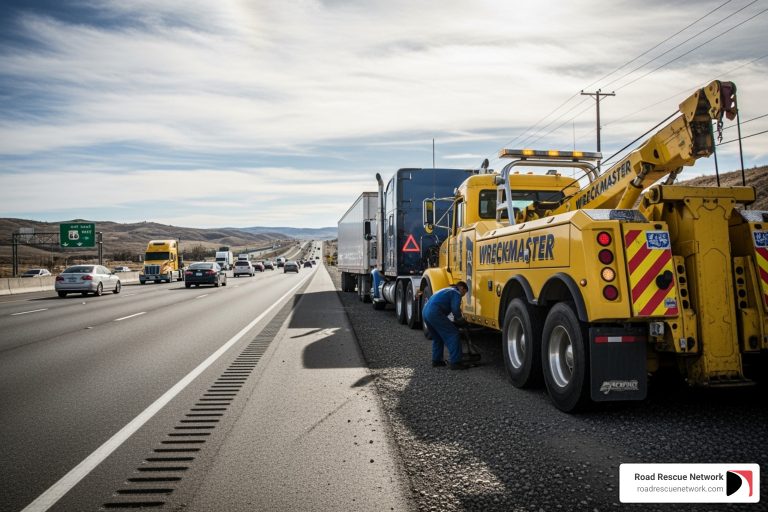
Roadside Rescue: Finding Your Perfect Membership Plan
Why You Need a Plan Before You’re Stranded
Roadside assistance membership plans best suited for your needs can save you hundreds of dollars and hours of stress when your car breaks down. Here’s what you should know:
Top Options at a Glance:
- Insurance Add-On: $15-$30/year per vehicle (limited towing)
- AAA Membership: $40-$160/year (tiered coverage)
- Specialty Plans: $50-$180/year (RV, motorcycle, EV-specific)
- Pay-Per-Use: $60-$150 per call (no annual commitment)
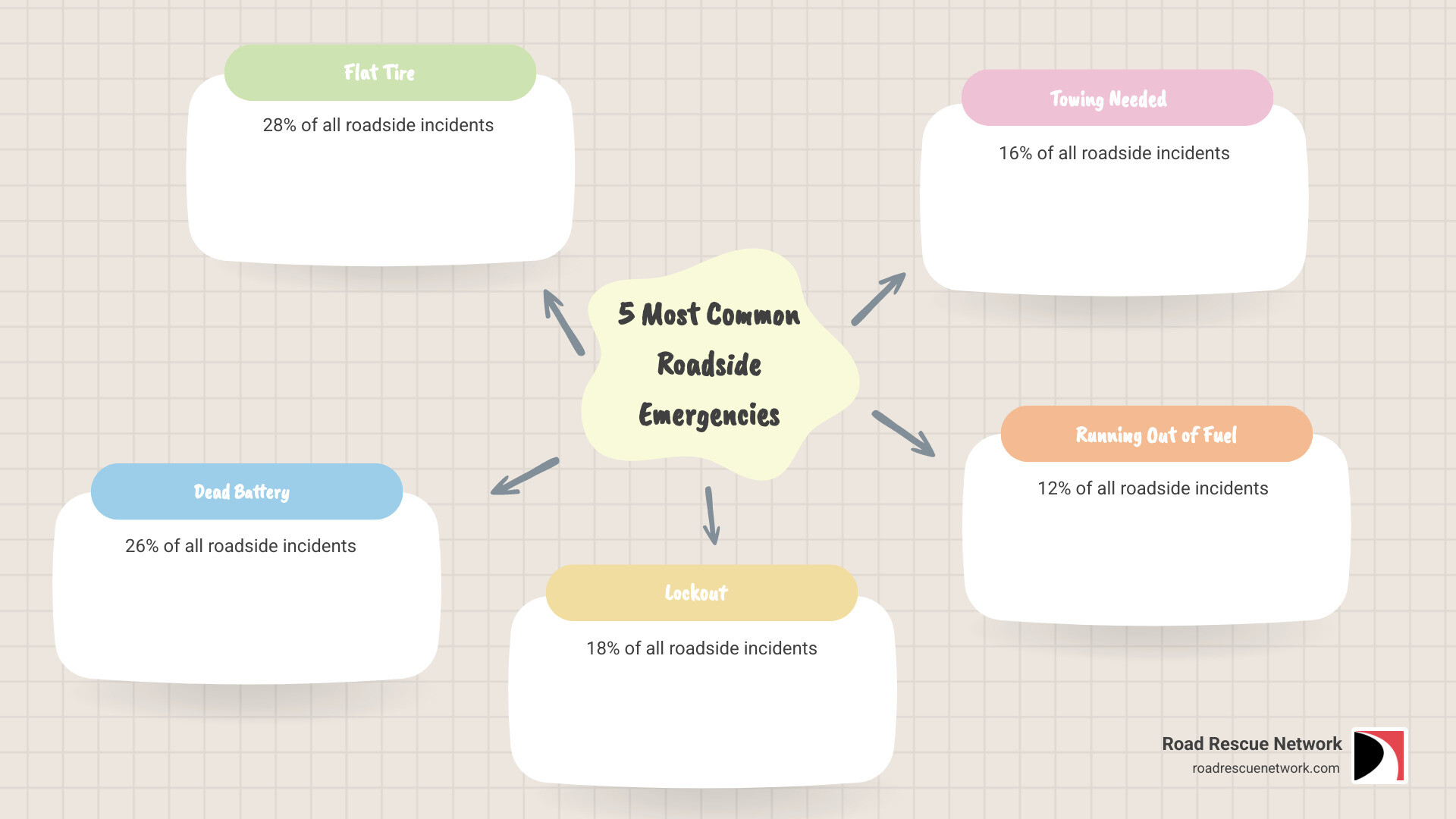
The average tow costs $109, which is more than most annual memberships. Cars break down at the worst times—flat tires, dead batteries, lockouts, and running out of gas never happen when it’s convenient. Whether you’re driving a brand-new car or an older vehicle, breakdowns happen.
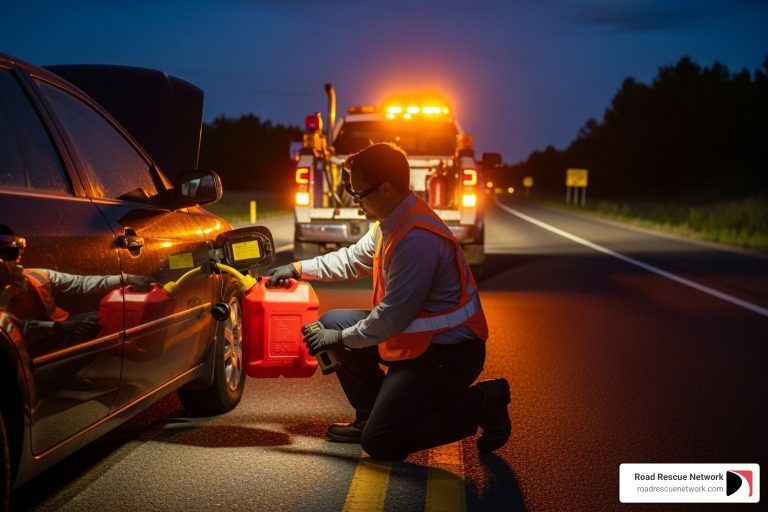
Most drivers wait until they’re stranded at 2 a.m. on a dark highway to realize they need help. By then, you’re stuck calling whoever shows up first, often paying premium rates for uncertain service quality.
The right roadside assistance plan gives you peace of mind before disaster strikes. It ensures you know exactly who to call, how much you’ll pay, and what services you’ll receive. Some plans cover you in any vehicle you drive, including rentals. Others tie coverage to a specific car. Some offer unlimited towing, while others cap it at just a few miles.
Understanding your options helps you choose between traditional memberships from providers like AAA, low-cost insurance endorsements, or flexible pay-per-use services. Each approach has distinct advantages depending on your driving habits, vehicle type, and budget.
I’m Byron Tarlton, founder of Road Rescue Network, and I’ve spent over two decades building roadside assistance infrastructure across the country. Through my experience comparing roadside assistance membership plans best suited for different driver profiles, I’ve learned that the right choice depends on your specific situation—not marketing hype.
Essential roadside assistance membership plans best terms:
What Services Are Typically Included in a Roadside Plan?
When your vehicle decides to take an unexpected break, a good roadside assistance plan swoops in to save the day (and your sanity!). While the specifics can vary between providers and plan tiers, most roadside assistance plans cover a core set of services designed to get you back on the road or safely to a repair shop.
Here’s what you can typically expect:
- Towing: This is often the most critical service. If your vehicle is disabled and can’t be fixed on the spot, it needs to be moved. Plans vary greatly on towing mileage, from just a few miles to hundreds. For instance, basic plans might tow you 3-5 miles, while premier plans can offer 100-200 miles of towing. If you’re ever in need of light duty towing in Brodnax, VA, or any of our other service areas, we’ve got you covered.
- Jumpstart Service: A dead battery is a common culprit for unexpected stops. A roadside technician can give your battery a boost, so you can be on your way. Imagine needing a quick jumpstart service in Glade, KS – it’s a lifesaver!
- Flat Tire Change: A nail, a pothole, or just bad luck can leave you with a flat. Most plans will send someone to replace your flat tire with your vehicle’s spare. If you find yourself with a flat, say, needing a tire change in Sunfish, KY, assistance is just a call away.
- Fuel Delivery: Oops! Ran out of gas? It happens to the best of us. Roadside assistance can deliver a small amount of fuel to get you to the nearest gas station. For example, if you ran out of fuel while driving through Erin, NY, a plan could bring you enough to get to the pump. While delivery is typically free, you’ll usually pay for the fuel itself.
- Lockout Service: Keys locked inside the car? Don’t panic! Roadside assistance can dispatch a professional to help you gain entry. Whether you’re dealing with a lockout service in Hornby, PA or any other location, this service can prevent a lot of frustration.
- Winching/Extrication: If your vehicle slides off the road, gets stuck in mud, sand, or a ditch, and can be safely reached from a paved surface, this service will pull it out. It’s like having a superhero with a tow cable!
These services are usually available 24/7, providing peace of mind no matter when trouble strikes. Knowing these basics helps us compare roadside assistance membership plans best suited for our individual needs.
Comparing Roadside Assistance Membership Options
Choosing the right roadside assistance plan involves weighing several factors, including the annual cost, service call limits, towing distance, and any additional perks. The cost of roadside assistance ranges from $15 to $180 per year on average, depending on whether it’s an insurance add-on or a standalone membership. A roadside assistance endorsement for your car insurance policy will typically add $15 to $30 per vehicle to your annual premium, while standalone membership plans cost about $50 to $180 per year.
Road Rescue Network Membership Plans vs. Flexible On-Demand Services
When considering roadside assistance membership plans best for you, a crucial distinction is between traditional memberships and flexible, on-demand services like those offered by Road Rescue Network. Both have their merits, but they cater to different preferences and driving habits.
Traditional Membership Plans (e.g., AAA, Allstate, Good Sam):
- Pros: Often include a wide array of benefits beyond just roadside assistance, such as discounts on dining, hotels, shopping, and fuel. They typically offer multiple tiers with varying towing distances and numbers of service calls per year. Coverage often follows the person, meaning you’re covered in any car you drive or are a passenger in.
- Cons: Require an annual fee, whether you use the service or not. There might be waiting periods for certain benefits, especially for higher tiers (e.g., AAA Plus/Premier benefits activate after 3-7 days). You’re locked into a contract, and some plans have limitations on the number of service calls per year (e.g., four per year).
Flexible On-Demand Services (e.g., Road Rescue Network’s primary model):
- Pros: No annual fees, no memberships, no hidden costs. You only pay when you need service. This is ideal for infrequent breakdowns or for those who prefer not to be tied down by a subscription. Services are typically available 24/7, with quick dispatch of local rescuers. This model offers transparency and flexibility.
- Cons: Each service call is a separate charge, which can add up if you experience frequent breakdowns. While the cost per call is generally competitive ($60 to $150 per service call), it might exceed an annual membership fee if used more than once a year.
Is roadside assistance worth it? Absolutely. The average tow costs $109. This single incident can often exceed the annual cost of a typical insurance endorsement or many standalone plans. As Experian points out, if you only need assistance once a year, it often pays for itself.
At Road Rescue Network, we understand that drivers have different needs. That’s why we offer the flexibility of on-demand services for those who want to pay as they go, alongside our own competitive membership plans for those who prefer the peace of mind of a subscription.
Head-to-Head: Road Rescue Network’s Flexible Options
Let’s look at how Road Rescue Network’s flexible on-demand model compares to a typical membership plan.
| Feature | Road Rescue Network On-Demand | Road Rescue Network Membership Plans (Typical) |
|---|---|---|
| Starting Price | $60-$150 per service call (no annual fee) | $50-$180 per year (annual fee) |
| Towing Miles | Negotiated per incident, often to your preferred shop | Varies by tier, typically 5-200 miles per tow |
| Flexibility | Pay-per-use, no commitment, ideal for infrequent needs | Annual commitment, bundled benefits, ideal for frequent travelers |
| Coverage | For the vehicle needing service at that moment | Often follows the person, covering them in any vehicle they drive |
| Additional Perks | Focus on core emergency services | May include discounts on travel, hotels, car rentals, etc. |
| Response Time | Fast, local dispatch (our USP!) | Varies by provider and network size |
| Transparency | Upfront pricing for the service you need | Clear annual fee, but service call limits and towing caps apply |
Our on-demand service is perfect for drivers who want reliable, transparent assistance without an annual commitment. However, for those who prefer a bundled approach with broader benefits and predictable annual costs, our roadside assistance membership plans best suit that need.
What are the best roadside assistance options for specific drivers?
The “best” plan isn’t one-size-fits-all. It depends on your unique vehicle, lifestyle, and driving habits.
- RV Owners: RVs are a different beast entirely. They’re heavier, larger, and require specialized towing and repair. Good Sam Roadside Assistance is often cited as best for RVs, with standard plans starting at $64.95 per year for new customers. Their comprehensive coverage addresses RV-specific issues. However, if you need a mobile RV repair in Union, AR or elsewhere, Road Rescue Network can connect you with local specialists capable of handling your motorhome or trailer, whether you have a membership or need on-demand service.
- Seniors: Organizations like AARP offer discounted roadside assistance plans. AARP members can save up to 20% on annual membership fees for Allstate Roadside plans, which start at $5.50/month. This makes it a great option for seniors looking for reliable and affordable coverage. Road Rescue Network is also a great option for seniors, providing clear, transparent pricing and fast service without a complicated membership structure.
- Motorcycle Riders: Motorcycles also have unique towing requirements. Specialized services like Motorcycle Towing Services exist, with premiums ranging from $30 to $180. AAA also offers motorcycle coverage as an add-on to their Plus RV benefits. For motorcycle riders, Road Rescue Network can provide assistance for common issues like a tire change in Skaggston, TN or towing to a preferred repair shop, ensuring your ride gets the care it needs.
- EV Drivers: Electric vehicles have specific needs, particularly when it comes to running out of “fuel” (battery charge). Better World Club’s Basic Auto plan costs about $57 per year and caters to EV drivers, often focusing on eco-friendly practices. While Better World Club offers specific EV benefits, Road Rescue Network’s on-demand or membership plans can also effectively assist EV drivers by providing towing services to the nearest charging station or a repair facility, ensuring you’re never left stranded. You can learn more about specific benefits of various plans at Roadside Assistance Plan Benefits and explore Hybrid and eCar Discounts from providers like Better World Club.
Road Rescue Network’s flexible, on-demand model and membership plans are designed to suit a wide array of needs. Our network of local rescuers can handle various vehicle types and situations, providing fast, reliable service, whether you have a specialized vehicle or just a standard car.
How to Choose the Right Plan for Your Needs
Choosing the right roadside assistance membership plans best suited for you is like picking the right tool for the job – it needs to fit your specific situation. We’ll help you steer the options based on your driving habits, vehicle age, budget, and where you typically drive.

How to Choose the Best Roadside Assistance Plan for You
Here’s a checklist of factors to consider when making your decision:
- Cost vs. Benefit: Evaluate the annual fee against the services offered. An insurance add-on might be as little as $5 to $10 per vehicle per year (like Erie Insurance), offering basic coverage. Standalone memberships like AAA range from $40 to over $160 annually, providing more comprehensive benefits. The average tow costs $109, so even a single incident can justify the cost of many plans.
- Towing Distance Limits: This is crucial, especially if you travel long distances or want your car towed to a specific mechanic. Basic plans often have very short towing limits (e.g., 3-5 miles). Premium plans from major auto clubs can offer up to 200 miles for a tow. It’s important to check these limits when comparing plans.
- Number of Service Calls Per Year: Most membership plans cap service calls (e.g., four per year). If you have an older car prone to issues, consider if this limit is sufficient. Our on-demand model, of course, has no such limit – you only pay for what you use.
- Response Time: When you’re stranded, every minute feels like an hour. While we can’t speak for other providers, when you’re considering a plan, it’s wise to research their typical response times. For Road Rescue Network’s on-demand services, our USP is fast, 24/7 service, instantly connecting you with local rescuers.
- Additional Member Discounts: Many auto club memberships come with perks like discounts on travel, lodging, and entertainment. If these align with your lifestyle, they can add significant value to your membership.
Understanding Coverage Limitations and Exclusions
Even the roadside assistance membership plans best in class have their fine print. It’s vital to understand what’s not covered to avoid surprises.
- Service Call Limits: As mentioned, most memberships limit the number of service calls per year. Exceeding this limit usually means you’ll pay out-of-pocket for additional services.
- Non-Covered Repairs: Roadside assistance is typically for immediate emergencies. It doesn’t cover mechanical repairs beyond basic labor (like tightening a battery cable). For more complex issues, you’d need a mobile auto repair in Oakham, MA or to be towed to a service center.
- Excluded Vehicles: Some plans might exclude certain vehicle types (e.g., commercial vehicles, exotic cars, or older vehicles past a certain age/mileage). Always check if your specific vehicle is covered.
- Reimbursement Models: Some services might be reimbursement-based, meaning you pay the service provider directly and then file a claim with your roadside assistance provider. Others offer direct dispatch and payment.
- Waiting Periods: Be aware that some improved benefits, particularly with upgraded membership tiers, might have a waiting period (e.g., 3-7 days) before they become active.
- Geographic Limitations: While many plans offer nationwide coverage, always confirm if there are any specific regions or situations (e.g., off-road recovery) that are excluded.
- Warranty and Roadside Assistance Coverage: Don’t forget to check your new car warranty or extended warranty. As Edmunds notes, many new vehicles come with complimentary roadside assistance for a certain period (e.g., 2-6 years or 25,000-100,000 miles). This is essentially “free” coverage, but it might have limitations on where you can tow your car.
Are There Free or Low-Cost Options Available?
Yes! You might already have some form of roadside assistance and not even know it.
- New Car Warranties: Many new and certified pre-owned vehicles include complimentary roadside assistance for the duration of the basic warranty. Check your owner’s manual or warranty booklet.
- Credit Card Benefits: Several credit card companies, especially premium cards, offer roadside assistance as a perk. This is often a pay-per-use model, where the card company coordinates the service, but you’re responsible for the cost. For example, a single service call through a Visa credit card from Bank of America can cost $59.95.
- Low-Cost Insurance Add-Ons: As we’ve discussed, adding roadside assistance to your car insurance policy is typically the cheapest option, often costing just $15 to $30 per vehicle per year. Erie Insurance, for instance, offers an endorsement for as little as $5 to $10 per vehicle per year. This can be a very cost-effective way to get basic coverage. You can learn more about emergency road service through insurance providers.
- Road Rescue Network Pay-Per-Use Model: Our on-demand service is an excellent low-cost option for those who don’t want an annual commitment. You pay only when you need help, and our transparent pricing means no surprises. It’s a great alternative to traditional memberships, especially if you rarely need assistance.
Frequently Asked Questions about Roadside Assistance
Let’s address some of the most common questions we hear about roadside assistance.
How much does roadside assistance typically cost?
The cost of roadside assistance can vary quite a bit, but we’ve observed some clear trends. On average, you can expect to pay anywhere from $15 to $180 per year.
- Insurance Add-On: This is generally the most budget-friendly option. Adding roadside assistance to your existing car insurance policy typically costs $15 to $30 per vehicle annually. For example, Erie Insurance offers this for as little as $5 to $10 per vehicle per year.
- Standalone Membership Plans: These plans, offered by auto clubs like AAA or specialty providers, usually range from $50 to $180 per year. AAA plans specifically range from about $40 to more than $160 annually, depending on the tier (Classic, Plus, Premier).
- Road Rescue Network Pay-Per-Use: If you prefer not to commit to an annual fee, our on-demand services are a great alternative. You can generally expect to pay $60 to $150 per service call, depending on the type of help you need. While this might seem higher per incident, if you only need assistance once a year or less, it can be more cost-effective than an unused annual membership.
It’s worth noting that the average tow costs $109, as highlighted by J.D. Power. This single expense is often more than the annual cost of a basic insurance endorsement or many roadside assistance subscription plans, making these plans a worthwhile investment for peace of mind.
How far will my car be towed?
The towing distance included in your roadside assistance plan is one of the most critical factors to consider, as it varies significantly.
- Basic Plans: Many entry-level plans, including some insurance endorsements and basic auto club memberships, offer limited towing—typically 3 to 5 miles. This is usually enough to get your vehicle to the nearest service station or a very close repair shop.
- Premier Plans: Higher-tier memberships, such as AAA Premier, offer much more generous towing limits. For instance, AAA Premier provides towing up to 200 miles for the first tow and 100 miles for subsequent tows annually. This is ideal if you want your car towed to your trusted mechanic, even if they’re far away, or if you frequently travel long distances.
When you use Road Rescue Network’s on-demand service, the towing distance and cost are discussed upfront, allowing you to choose the best option for your situation, whether it’s to the nearest shop or a preferred location. For specific examples, we provide light duty towing in Brodnax, VA and in many other locations across the country, ensuring your vehicle gets where it needs to go. Always check the specific terms of your chosen plan to understand your towing limits.
Does using roadside assistance raise my insurance rates?
This is a common concern, and thankfully, the answer is usually no! Using your roadside assistance for typical emergencies like a flat tire, dead battery, or lockout generally won’t lead to an increase in your auto insurance premiums. These incidents are usually considered “no-fault” claims and don’t reflect on your driving record in the same way an at-fault collision would.
However, there’s a caveat. While one or two calls per year are unlikely to affect your rates, excessive use of roadside assistance services could potentially flag you as a high-risk customer. Some insurance providers might view frequent claims, even for roadside assistance, as an indicator of poor vehicle maintenance or risky driving habits. As some insurance providers point out, your premiums may go up if you are deemed a high risk due to excessive service calls.
Our advice? Use roadside assistance when you genuinely need it, but try to address underlying issues if you find yourself calling frequently. For minor issues that you might be able to handle yourself, or if you have a reliable local mechanic you can call directly, consider those options before using your plan.
Conclusion: The Right Coverage for Your Peace of Mind
Navigating roadside assistance options can feel overwhelming, but finding the roadside assistance membership plans best suited for your lifestyle is a crucial step toward stress-free driving. We’ve explored the different types of plans, the essential services they offer, and how costs can vary significantly. From comprehensive auto club memberships to convenient insurance add-ons and flexible pay-per-use models, there’s a solution for every driver.
The key takeaway is to consider your unique needs: your driving habits, the age and type of your vehicle, your budget, and how often you travel. Whether you prioritize unlimited towing, a wide range of discounts, or simply the peace of mind that comes with knowing help is always available, an informed choice will serve you best.
For drivers who prefer not to be locked into a membership, on-demand services like Road Rescue Network offer a flexible alternative, providing fast, 24/7 help with no annual fees. We pride ourselves on instantly connecting you with local rescuers for services like a mobile auto repair in Whitewood, VA or anywhere across our extensive service areas, ensuring you get the assistance you need, when you need it, without the commitment of a yearly subscription.
The best roadside assistance plan is the one that gives you confidence on every journey. Drive safe, and know that help is always within reach.