City Center ExitBOTH
Anchorage Central Business District
Major downtown Anchorage exit. Heavy commuter and box-truck volume during weekday peaks.
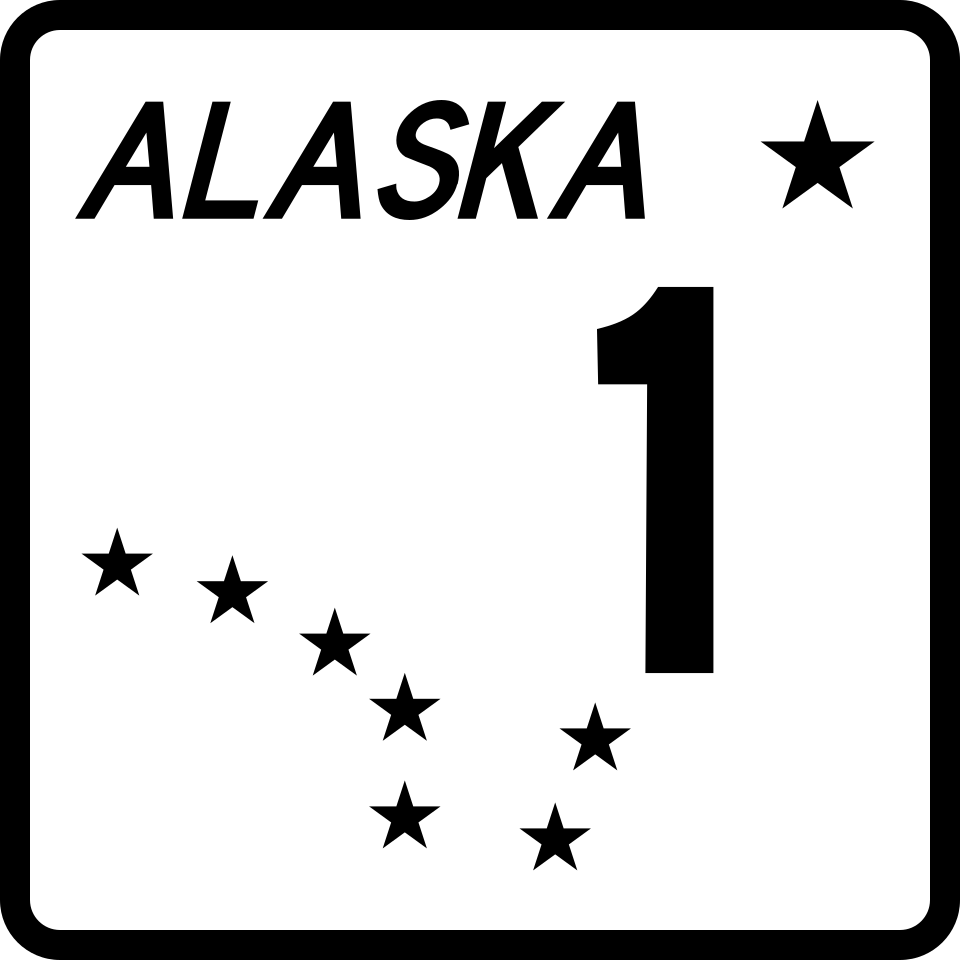
AK-1 runs through Anchorage, AK and is one of the major freight corridors covered by Road Rescue Network's local rescuer network. Anchorage's primary highway. The Glenn Highway runs north / east toward Palmer, Wasilla, and the Mat-Su Valley. The Seward Highway runs south through Turnagain Arm to Seward. Steep grades, avalanche-prone winter sections, and high-summer tourist congestion drive constant service-call volume.
Service coverage along AK-1 through the Anchorage Metropolitan Statistical Area. Click and drag to explore exits, mile markers, and named landmarks.
Anchorage's primary highway. The Glenn Highway runs north / east toward Palmer, Wasilla, and the Mat-Su Valley. The Seward Highway runs south through Turnagain Arm to Seward. Steep grades, avalanche-prone winter sections, and high-summer tourist congestion drive constant service-call volume. Service calls on this corridor cluster around peak commuter hours and overnight long-haul windows. Road Rescue Network's rescuers stationed in and around Anchorage respond with average dispatch-to-arrival under 40 minutes for breakdowns on this stretch.
Beyond the AK-1 corridor itself, our Anchorage network covers every freight artery into and out of the metro. Anchorage is the freight gateway for the entire state of Alaska. The Port of Alaska handles the majority of inbound consumer freight that supplies the state, and Ted Stevens Anchorage International is the world's fourth-busiest cargo airport by tonnage, the primary trans-Pacific air-cargo refueling stop. There are no Interstates in Alaska; all surface freight moves on the Glenn Highway (AK-1), Seward Highway (AK-1), and Parks Highway (AK-3). Brutal winter conditions and a single-corridor road network shape every breakdown call.
Whether the breakdown is at a downtown interchange, a suburban exit, or a long stretch between cities, the closest verified, insurance-current rescuer in our Anchorage network is reached through one phone call. Coordination, dispatch, and ETA confirmation are handled by Road Rescue Network's 24/7 operations team.
Exits and mile markers where breakdowns and service calls cluster on the AK-1 corridor.
Major downtown Anchorage exit. Heavy commuter and box-truck volume during weekday peaks.
Cluster of warehouses, distribution centers, and fleet yards. High volume of HD truck activity.
Where AK-1 meets the outer ring road. Common breakdown zone for cross-traffic merges and high-speed segments.
Network providers staged for the corridor with insurance-current compliance and live availability status.
Patterns observed across recent dispatch data on this corridor by season, location, and traffic peak.
When a Class 8 truck goes down at Mile 32 of the Glenn Highway with the air at negative twenty, every minute the cab loses heat the survival math gets worse. Our Anchorage service trucks run with onboard generators, heated parts cabinets, and Arctic-rated fluids. We coordinate directly with Alaska State Troopers Mat-Su detachment on driver welfare while the wrench work happens. This is not a southern-tier breakdown call.
Anchorage thaws fast and freezes back hard, and the resulting potholes on Tudor Road, Minnesota Drive, and the Old Seward Highway tear front-suspension components and burst tires for six straight weeks every April and May. We run a tire-truck rotation through the industrial-park and port arterial routes during pothole season; tire and ball-joint kits are pre-loaded on every Anchorage service vehicle.
Port-bound drayage trucks parked overnight in single-digit temperatures regularly come back to a frozen air system. Methanol injection and air-dryer rebuild kits are standard on our Anchorage trucks; most of these calls are roadside fixes done at the port apron without a tow. We coordinate with port security on after-hours gate access.
Every service Road Rescue Network dispatches on the AK-1 corridor. Each links to local response times and recent jobs.
| When | Service | Location | Response |
|---|---|---|---|
| Tuesday 04:33 AKT | Mobile Truck Repair | Glenn Hwy Mile 32 (Eagle River) | 41 min |
| Monday 21:14 AKT | Heavy-Duty Towing | Seward Hwy Turnagain Arm | 67 min |
| Monday 11:55 AKT | Battery Jumpstart | Port of Alaska gate | 22 min |
| Sunday 18:08 AKT | Mobile Welding | Anchorage Industrial Park (Old Intl Airport) | 48 min |
| Saturday 13:42 AKT | Commercial Tire Repair | Tudor Rd at Lake Otis | 31 min |
| Saturday 02:29 AKT | Mobile Bus Repair | Anchorage School District yard | 70 min |
Average dispatch-to-arrival on the AK-1 corridor through Anchorage is 35-45 minutes, with faster response inside the metro core. Confirmed ETA is provided at the time of dispatch.
Yes. Road Rescue Network has rescuers staged across the Anchorage metro covering the full AK-1 corridor, from outer-ring exits inward through downtown and across all major interchanges.
Mobile truck repair, heavy-duty towing, mobile tire service, fuel delivery, lockout, jumpstart, winching/recovery, trailer repair, and specialized commercial services. Every rescuer in the Anchorage AK-1 pool is insurance-current and DOT-compliant where applicable.
For no-shoulder or median breakdowns on AK-1, our dispatchers coordinate with state police for safe-pullout protocol before the service truck rolls. Same response timing applies once the truck is in a safe location.
Yes. Every Road Rescue Network rescuer covering AK-1 Anchorage maintains current general liability, automobile liability, workers comp, and (where applicable) garage-keepers insurance. We re-verify every renewal cycle.
Service coverage in cities along the AK-1 corridor near Anchorage.
Network rescuers accept all major credit cards, fleet cards, and consumer payment apps. Confirmed at dispatch.








AK-1 is one of 6 freight corridors covered in the Anchorage Metropolitan Statistical Area. View the full Anchorage service hub for every roadside service, every corridor, and the complete rescuer network.
View Anchorage Service Hub →