Mobile, AL.
Mobile is the only deepwater port in Alabama and the 11th-largest port in the United States by tonnage, moving coal, steel, containers, and oversize project cargo on a 24-hour rotation. The I-10/I-65 interchange just north of downtown is a top-tier southeastern freight node, and the Bankhead and Wallace tunnels under the Mobile River dictate HAZMAT routing for every chemical and fuel hauler entering the metro. Hurricane-corridor positioning, gulf humidity, and constant port-bound drayage create a unique breakdown profile.
Every roadside service we run in Mobile
Featured Mobile Service Providers
Insurance-current network vendors with verified compliance, equipment, and live availability status.
Mobile AL Freight Corridors & Interstate Service Coverage
Each corridor has a dedicated breakdown landing page with service zones, exits, and recent dispatched jobs.

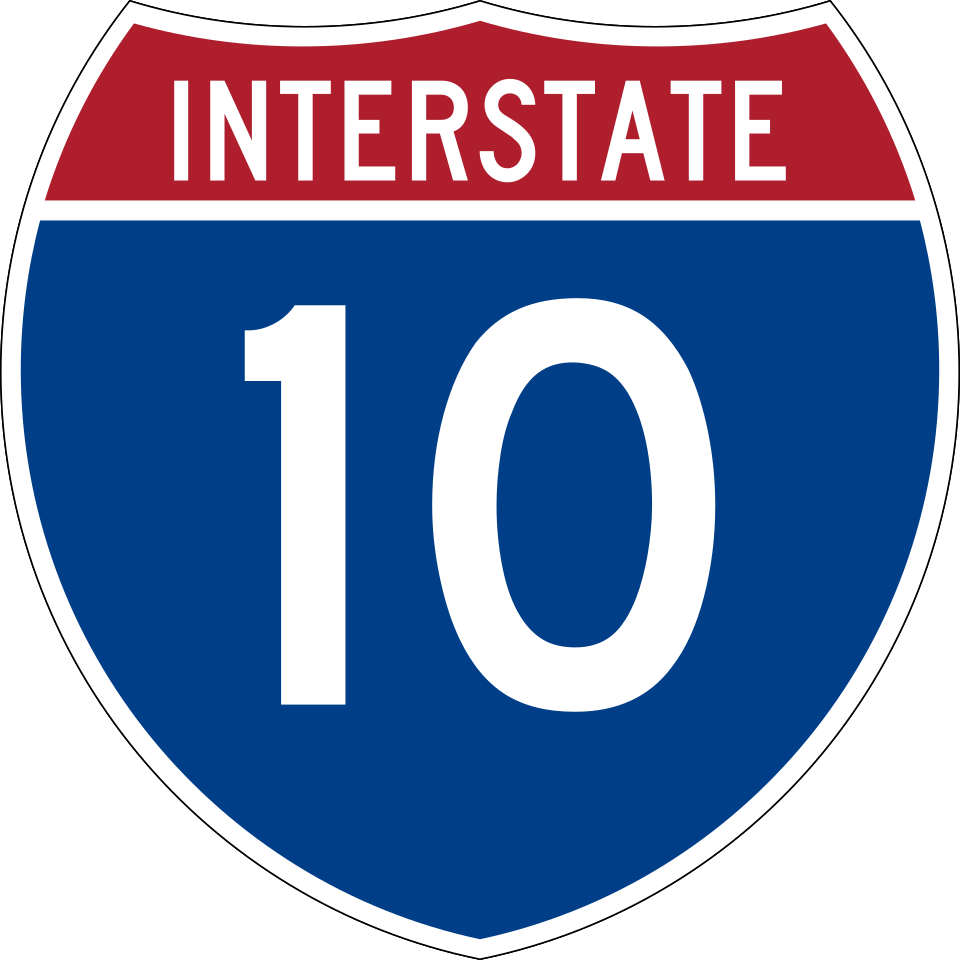
Interstate 10
13 exits in Mobile
The Gulf Coast east-west corridor. The Wallace Tunnel under the Mobile River is the highest-profile HAZMAT-routing point in Alabama; non-permitted hazardous loads must detour via the Cochrane Bridge or US-90 Bankhead Tunnel area. Heavy daily breakdown volume on the Bayway approach.

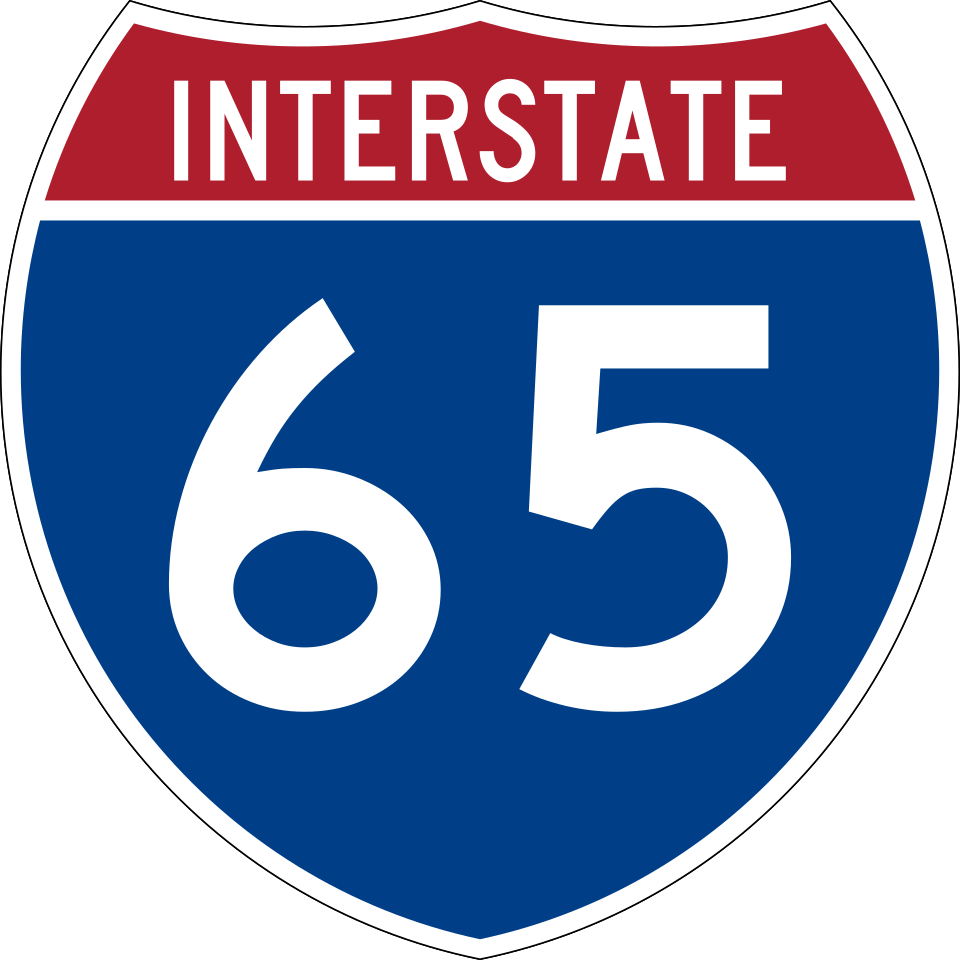
Interstate 65
9 exits in Mobile
Mobile is the southern terminus. Heavy truck traffic from Birmingham, Montgomery, and the entire Midwest funnels into the city via the I-65/I-10 interchange. Common service points: the Airport Boulevard and Government Boulevard exits.

US Route 90
11 exits in Mobile
Through Mobile via the Bankhead Tunnel and Government Street. Used by HAZMAT loads detoured from the Wallace Tunnel and by intrastate freight crossing Mobile Bay via the Cochrane Bridge causeway.

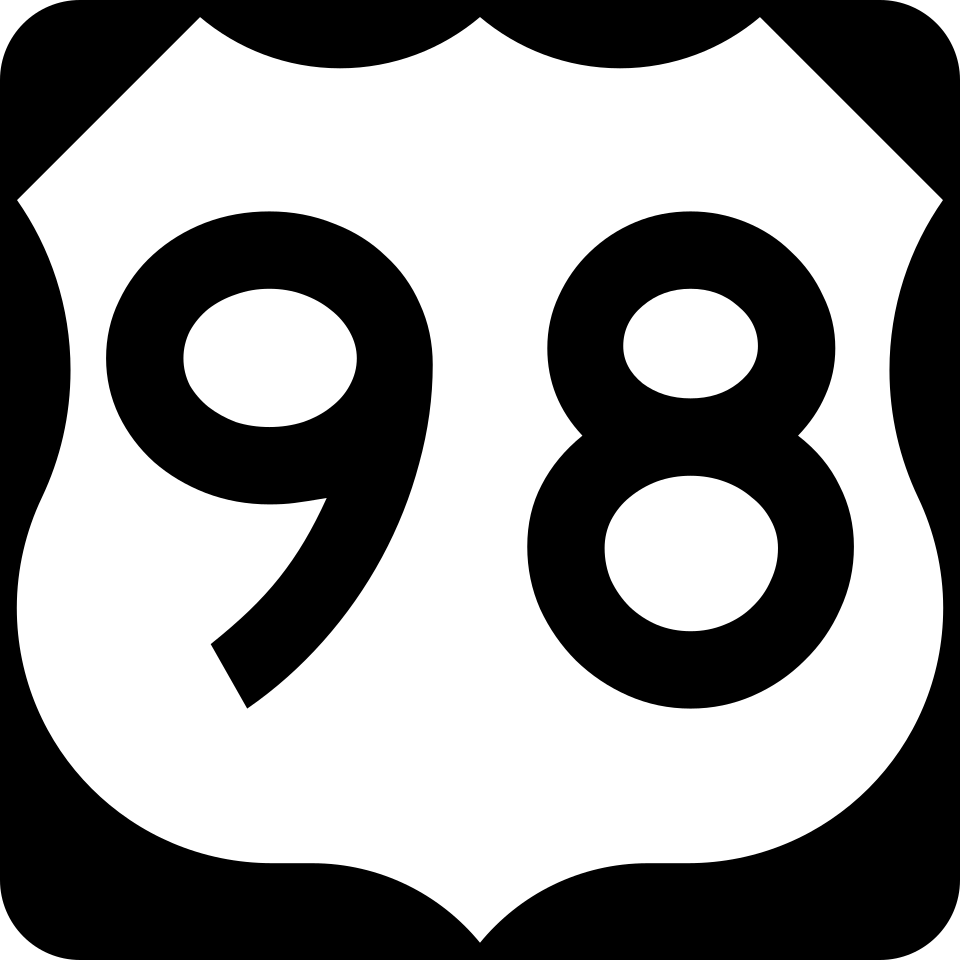
US Route 98
8 exits in Mobile
East from downtown across the Causeway and out to Spanish Fort and the Eastern Shore. Heavy seasonal beach freight and gulf-coast resort supply trucks; common breakdown zones around Battleship Parkway.

US Route 43
7 exits in Mobile
North out of Mobile toward Saraland and the Tombigbee River basin. Heavy paper-mill and chemical-plant truck traffic; constant tanker-truck movement.

Interstate 165
5 exits in Mobile
Spur connecting downtown Mobile to I-65. Short but heavily used by port-bound drayage trucks; service calls cluster at the I-65 split and the downtown exits.
Mobile AL Trucking & Freight Industry Overview
Mobile is the only deepwater port in Alabama and the 11th-largest port in the United States by tonnage, moving coal, steel, containers, and oversize project cargo on a 24-hour rotation. The I-10/I-65 interchange just north of downtown is a top-tier southeastern freight node, and the Bankhead and Wallace tunnels under the Mobile River dictate HAZMAT routing for every chemical and fuel hauler entering the metro. Hurricane-corridor positioning, gulf humidity, and constant port-bound drayage create a unique breakdown profile.
Mobile is a city and the county seat of Mobile County, Alabama, United States. The population was 187,041 at the 2020 census and estimated at 204,689 following an annexation in 2023, making it the second-most populous city in Alabama. The Mobile metropolitan area, with an estimated 412,000 people, is the third-most populous metropolitan area in the state.
Mobile's freight economy runs on the port. Containers, breakbulk steel, project cargo for the offshore oil patch, and a constant flow of military and aerospace components for Austal and Airbus all roll through the Alabama Port Authority terminals 24 hours a day. Road Rescue Network's Mobile vendors live on the drayage corridor between the docks and I-10, they know which tunnel a HAZMAT load can use, which gate at McDuffie Coal Terminal opens at 0500, and where the safe-pullout zones are on the Cochrane Bridge.
Anyone who's dispatched a truck through Mobile in hurricane season knows the rules change in mid-August. Wallace Tunnel HAZMAT restrictions tighten, the Bayway evacuation route loads up, and a breakdown on I-10 west of the tunnel can shut down a quarter of the regional freight economy. Our local mechanics carry pre-staged spare belts, alternators, and air-system parts for storm season, and they know the difference between a roadside fix and a tunnel-clearance call requiring a wrecker.
The mechanics in Mobile who handle heavy-duty calls have one job category that exists almost nowhere else: deep-draft port-drayage chassis repair. Container chassis stacked on the apron at the Choctaw Point Container Terminal take a constant beating from forklift loads, salt air, and the unforgiving asphalt at Bay Bridge Road. Whether you're running drayage, hauling steel for ThyssenKrupp, or pulling a project load out of Brookley Aeroplex, the closest verified Road Rescue Network vendor is one phone call away.