Flagstaff, AZ.
Flagstaff sits at the I-40 / I-17 junction at 7,000 feet of elevation, the highest major freight crossroads in the US interstate system. Every coast-to-coast truckload between LA and the East passes through here, and every load between Phoenix and the Four Corners climbs the I-17 grade into the Coconino Plateau. Add Grand Canyon tourism freight, NAU campus deliveries, and the high-altitude winter weather that defines November through April, and you get a freight profile no other Arizona city shares.
Every roadside service we run in Flagstaff
Featured Flagstaff Service Providers
Insurance-current network vendors with verified compliance, equipment, and live availability status.
San Francisco Peaks Mobile Truck Repair
- 24/7 dispatch
- Fleet of 7
- 16 years in business
- Insurance verified
Coconino Commercial Tire & Service
- 24/7 dispatch
- Fleet of 6
- 14 years in business
- Insurance verified
Grand Canyon Coach & RV Mobile
- 24/7 dispatch
- Fleet of 6
- 13 years in business
- Insurance verified
Flagstaff AZ Freight Corridors & Interstate Service Coverage
Each corridor has a dedicated breakdown landing page with service zones, exits, and recent dispatched jobs.

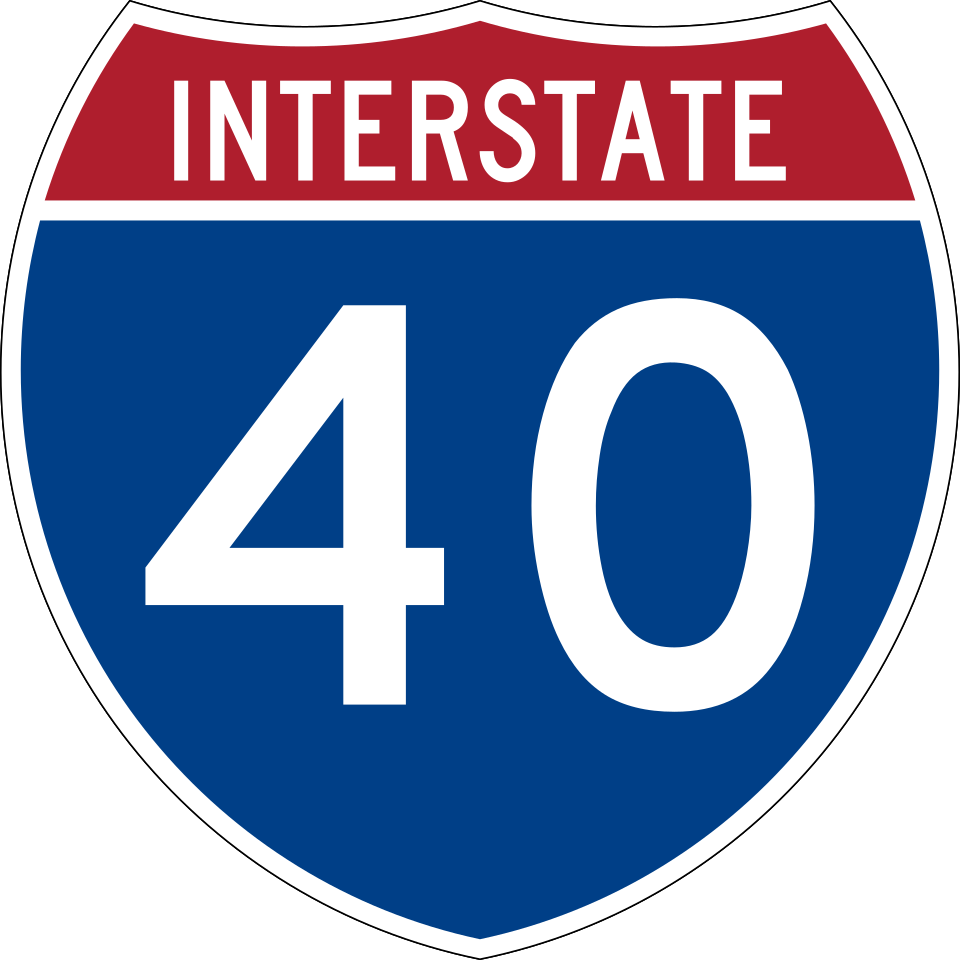
Interstate 40
7 exits in Flagstaff
The transcontinental LA-to-Albuquerque corridor through northern Arizona. Heaviest stretch is between Williams and Winslow; service calls cluster at the Butler Avenue and Country Club exits and through the elevation grades west of Flagstaff toward Williams.

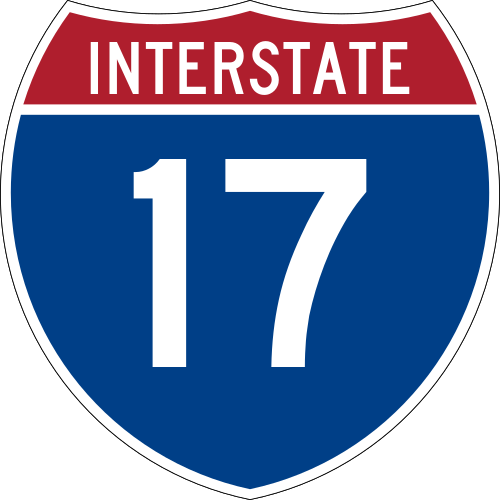
Interstate 17
4 exits in Flagstaff
Climbs from Phoenix at 1,100 feet to Flagstaff at 7,000 feet over 145 miles. The northbound climb out of Camp Verde and the southbound descent through the runaway-truck ramps near Munds Park are the highest-incident stretches in Arizona.

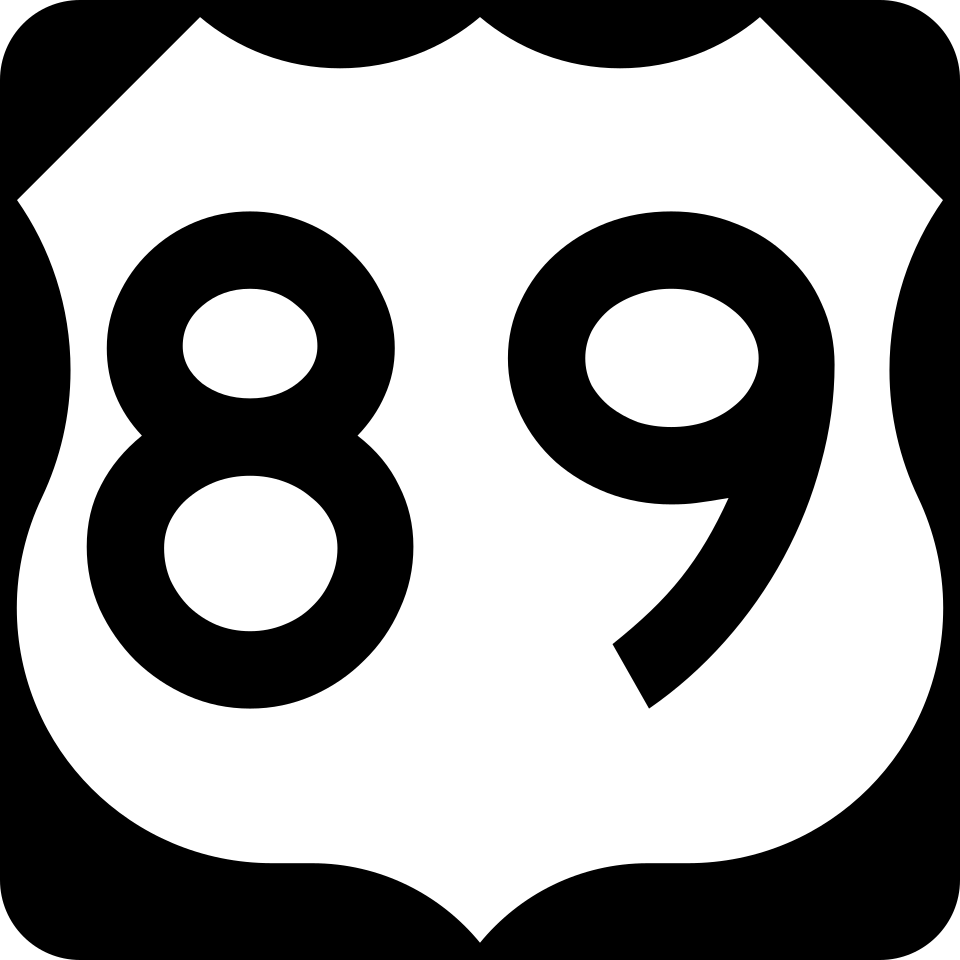
US Route 89
5 exits in Flagstaff
Northern route from Flagstaff toward Page, Lake Powell, and the Utah line. Heavy Grand Canyon and Lake Powell tourism freight; long unpopulated stretches with limited services north of the city.

US Route 180
4 exits in Flagstaff
Northwest route from Flagstaff to the Grand Canyon south rim. Steep Snowbowl-area grades, heavy summer tourism RV traffic, and winter snow closures above Valle.

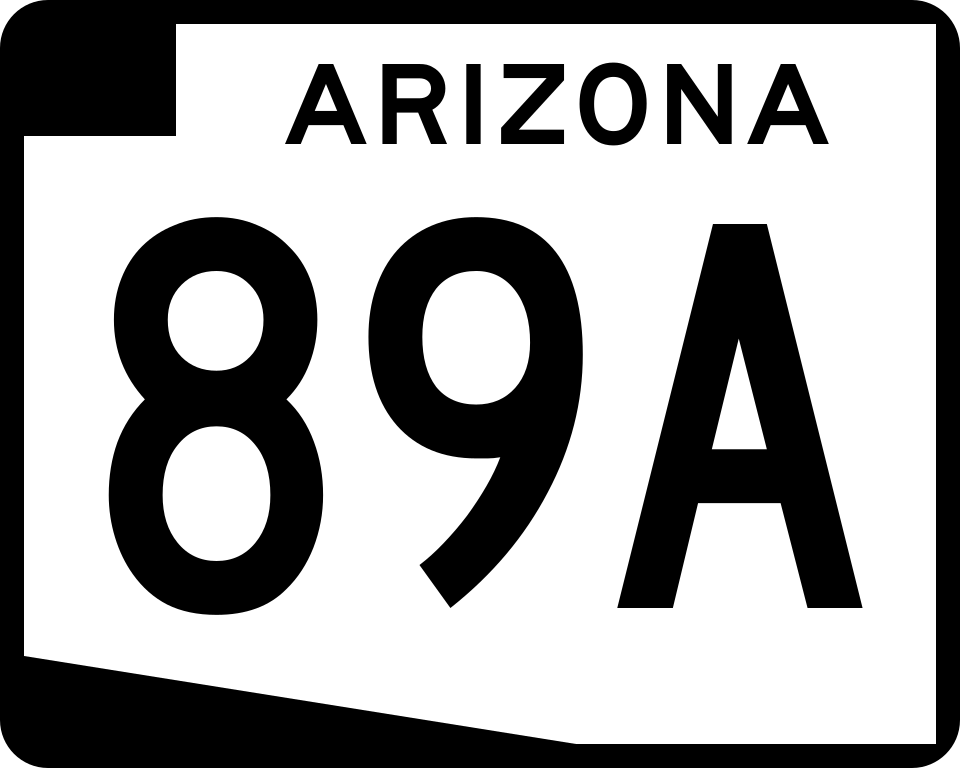
Arizona Route 89A
3 exits in Flagstaff
The Oak Creek Canyon scenic route from Flagstaff down to Sedona, an 1,800-foot descent through tight switchbacks. RV and tourist-vehicle calls dominate; commercial trucks are restricted on the steepest segments.

Historic US Route 66
8 exits in Flagstaff
The original Route 66 alignment through downtown Flagstaff, paralleling I-40 as a city street. Heavy local-delivery volume, occasional oversize-load detours, and the route most regional service trucks use to bypass interstate congestion.
Flagstaff AZ Trucking & Freight Industry Overview
Flagstaff sits at the I-40 / I-17 junction at 7,000 feet of elevation, the highest major freight crossroads in the US interstate system. Every coast-to-coast truckload between LA and the East passes through here, and every load between Phoenix and the Four Corners climbs the I-17 grade into the Coconino Plateau. Add Grand Canyon tourism freight, NAU campus deliveries, and the high-altitude winter weather that defines November through April, and you get a freight profile no other Arizona city shares.
Flagstaff is a city in and the county seat of Coconino County, Arizona, United States. As of the 2020 United States census, the city's population was 76,831.
Anyone who's dispatched a truck through Flagstaff in January knows the I-17 climb out of the Verde Valley is one of the most consequential grades on the western interstate system. A six-percent ascent from 4,500 feet at Camp Verde to 7,000 feet on the Coconino Plateau, often in active snowfall, with chain-up areas, brake checks, and the constant risk of a runaway-truck event. Road Rescue Network's Flagstaff vendors run winter-grade protocols October through April, with chain-equipped service trucks, methanol-injection kits for frozen air systems, and the high-altitude carburetion know-how that flatland mechanics never develop.
Flagstaff's location at the intersection of I-40 (the LA-to-Albuquerque transcontinental) and I-17 (Phoenix's mountain lifeline) makes it a forced-stop for tens of thousands of trucks a week. The breakdown profile here is altitude-stress: turbocharger fatigue, cooling-system air-bleeding problems, and DEF-line freezes that almost never happen in Phoenix. Our local network is built around shops that work this terrain every day, not generalists who learned about altitude from a manual.
Whether you are a fleet manager dispatching a refrigerated load from California to Albuquerque, an owner-operator hauling Grand Canyon tourism freight up US-180, or a Phoenix-based carrier whose driver got socked-in on the I-17 climb, the closest verified Road Rescue Network vendor is reached through a single phone call. Coordination with ADOT 511 on weather closures, ETA confirmation during active snow events, and direct fleet billing are handled by our 24/7 operations team.