Phoenix, AZ.
Phoenix sits at the I-10 / I-17 / Loop 101 / Loop 202 freight axis, the largest interstate convergence in the Mountain West and a critical relay between the Port of Long Beach and the Texas/Mexico border. The Sky Harbor cargo gateway, the Goodyear/Glendale fulfillment-center belt, and a 5+ million population makes Greater Phoenix one of the fastest-growing freight markets in the country, and 110°F+ summer heat makes it one of the hardest on equipment.
Every roadside service we run in Phoenix
Featured Phoenix Service Providers
Insurance-current network vendors with verified compliance, equipment, and live availability status.
Phoenix AZ Freight Corridors & Interstate Service Coverage
Each corridor has a dedicated breakdown landing page with service zones, exits, and recent dispatched jobs.

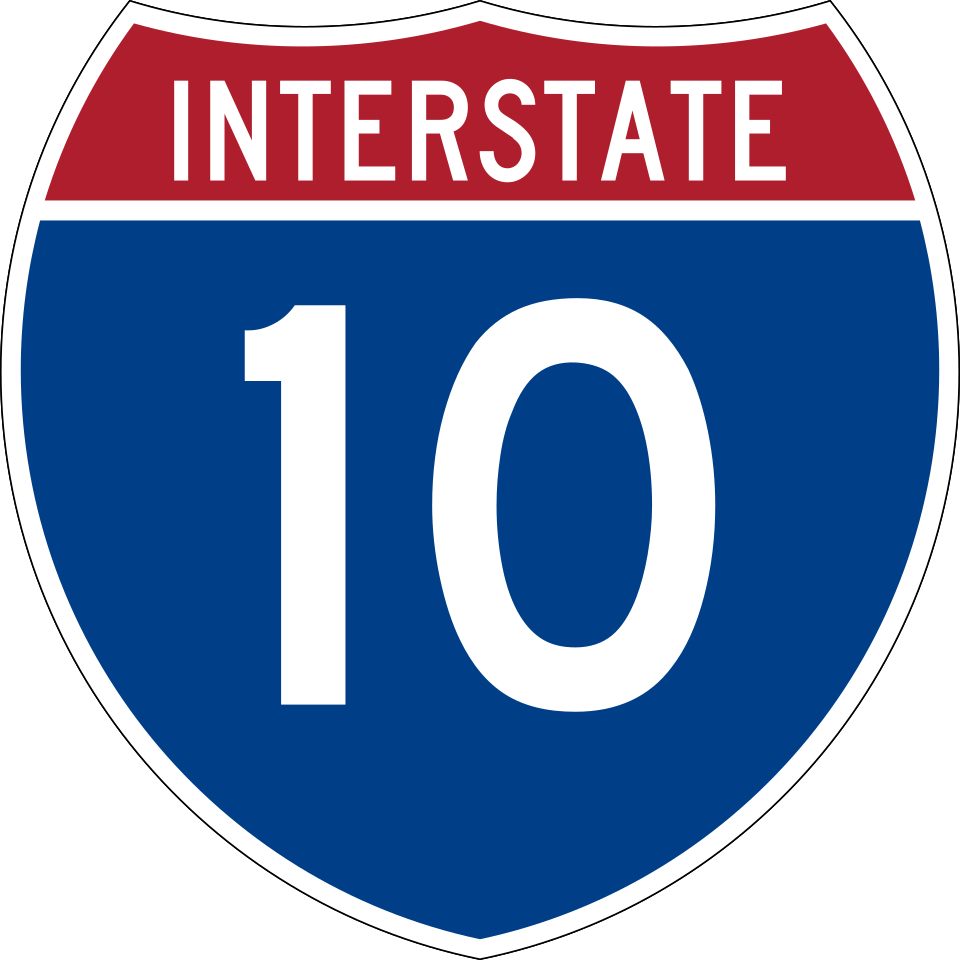
Interstate 10
21 exits in Phoenix
The transcontinental southern spine, runs through Phoenix as the Papago Freeway and Maricopa Freeway. The Stack and the Mini Stack interchanges are the two highest-volume freight nodes in Arizona; service-call density peaks at the I-17 / SR-51 split.

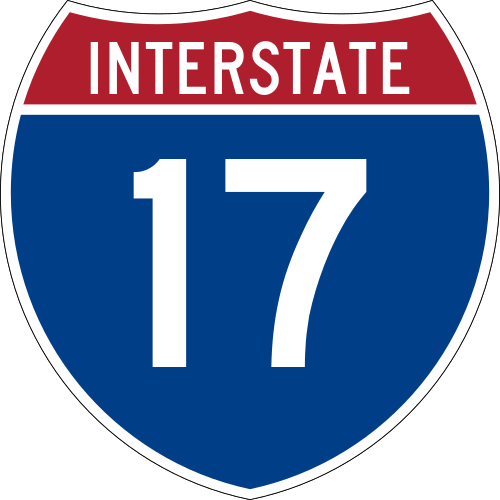
Interstate 17
14 exits in Phoenix
North-south corridor from downtown Phoenix to Flagstaff, climbs 4,000 feet through Black Canyon City to the Mogollon Rim. Cooling-system failures on the southbound descent through Anthem are a daily summer call.

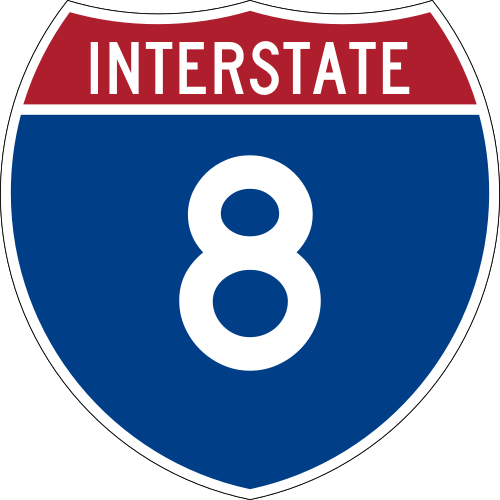
Interstate 8
6 exits in Phoenix
East-west corridor from Casa Grande west to Yuma and the San Diego port. Heavy produce traffic from Yuma's winter growing belt; tire blowouts cluster around the Gila Bend stretch where pavement temps run 30°F hotter than ambient.

Loop 101 (AZ-101)
28 exits in Phoenix
Phoenix's outer freeway loop through Scottsdale, North Phoenix, and the West Valley. Dense Amazon FC, TSMC, and Honeywell freight clusters; service-call peak at the Loop 202 interchange in Tolleson.

Loop 202 (AZ-202)
19 exits in Phoenix
South Mountain Freeway and the Red Mountain Freeway. The South Mountain segment is the newest freight relief route, daily haul of Goodyear-to-Mesa trips. Common breakdown zone at the Pecos Road grade.

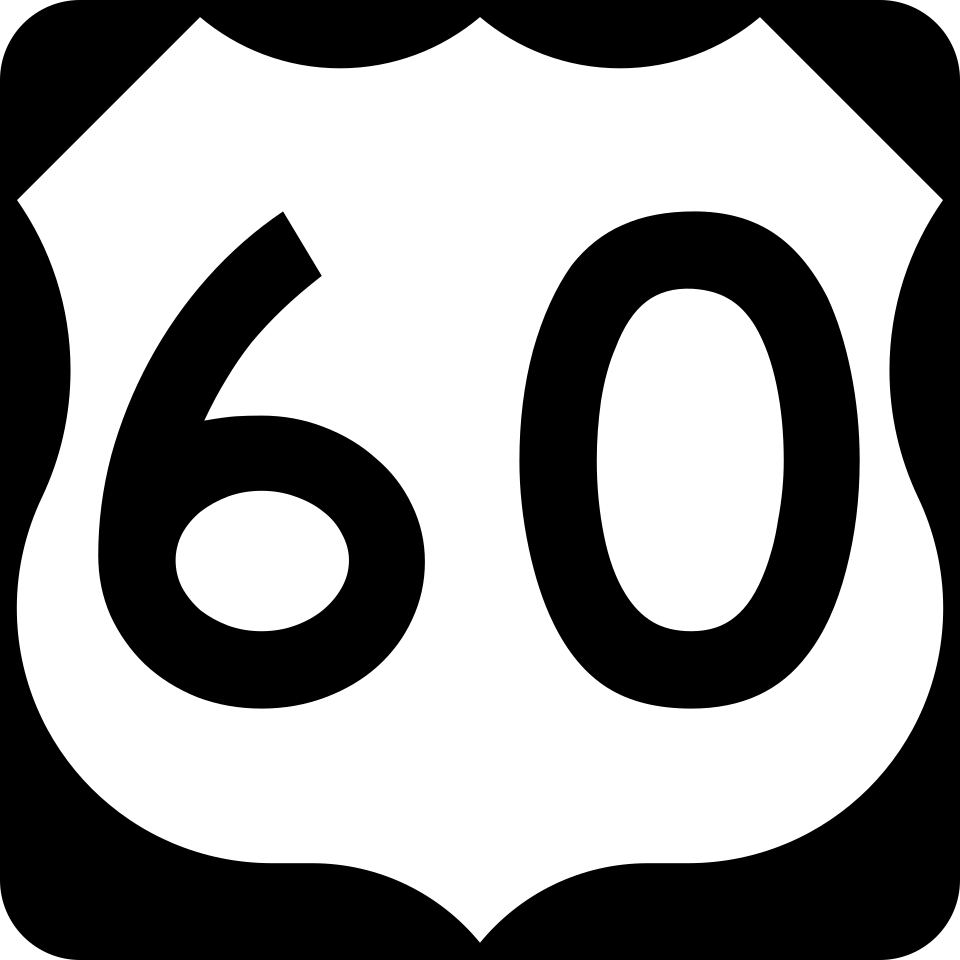
US Route 60 / Superstition Freeway
17 exits in Phoenix
Surface freight artery east through Mesa to Apache Junction and Globe. Heavy aggregate, copper-mine, and concrete-truck volume; common service-call zones at the Mill Avenue and Power Road exits.
Phoenix AZ Trucking & Freight Industry Overview
Phoenix sits at the I-10 / I-17 / Loop 101 / Loop 202 freight axis, the largest interstate convergence in the Mountain West and a critical relay between the Port of Long Beach and the Texas/Mexico border. The Sky Harbor cargo gateway, the Goodyear/Glendale fulfillment-center belt, and a 5+ million population makes Greater Phoenix one of the fastest-growing freight markets in the country, and 110°F+ summer heat makes it one of the hardest on equipment.
Phoenix is the capital and most populous city of the U.S. state of Arizona. With over 1.6 million residents at the 2020 census, Phoenix is the fifth-most populous city in the United States and the most populous state capital. The Phoenix metropolitan area, with an estimated 5.19 million residents, is the tenth-most populous metropolitan area in the U.S. and the most populous in the Mountain states and Southwest. Phoenix is the county seat of Maricopa County in the Salt River Valley and Arizona Sun Corridor and, with an area of 517.9 square miles, is the largest city by area in Arizona and 11th-largest city by area in the United States.
Phoenix summers are an equipment crisis hiding inside a weather report. By July, ambient temps push 115°F and asphalt-radiant heat at truck-tire level can crest 165°F, dry-rotted sidewalls blow without warning, cooling systems boil over on grade pulls, and DPF after-treatment regen cycles trip into derate inside the same trip. Road Rescue Network's Phoenix vendors stock heat-spec coolant, sun-shade tarp kits, and tire-pressure recalibration tools as default, not exception, gear.
Anyone who has dispatched a truck through Phoenix during monsoon season knows the haboob, a wall of dust that drops visibility to zero in minutes between July and September. ADOT's Pull Aside, Stay Alive protocol turns I-10 between Casa Grande and Phoenix into an instant breakdown corridor when the dust front arrives. Our network is built around mechanics who track NWS dust outlooks daily and pre-stage along the I-10 corridor when a haboob signature shows up on radar.
Whether you are a fleet manager dispatching from Dallas with a reefer stranded at the Buckeye Walmart DC, or an owner-operator on I-17 climbing toward Black Canyon City, the closest verified, insurance-current vendor in our Phoenix network is reached through a single phone call or service request. Our 24/7 dispatch desk handles ETA confirmation, DPS coordination on the rural stretches, and direct hand-off to the responding tech.