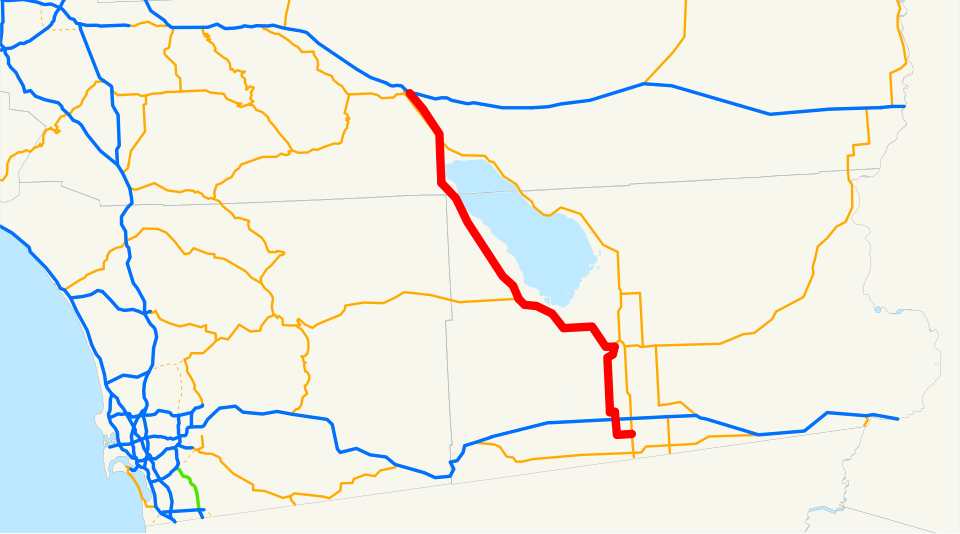
El Centro is the freight pivot of California's Imperial Valley, the lowest-elevation farm region in the contiguous US and the country's leading winter producer of leaf lettuce, broccoli, carrots, sugar beets, and cantaloupe. I-8 carries the San Diego-to-Yuma transcontinental flow directly through the city, while CA-86 funnels the cross-border produce traffic from the Calexico West and Calexico East ports of entry north toward Indio and the Coachella Valley. Summer cab temperatures regularly clear 115°F, refrigerated freight runs nonstop from October through April, and dust storms off the Salton Sea geyser line shut visibility on I-8 several days a year.
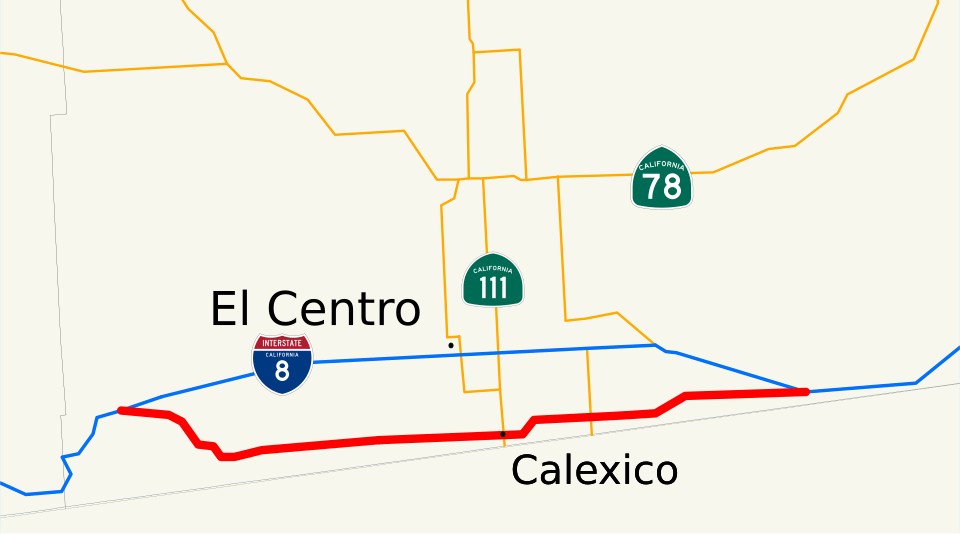
El Centro is a city in and the county seat of Imperial County, California, United States. El Centro is the most populous city in the Imperial Valley, the east anchor of the Southern California Border Region, and the core urban area and principal city of the El Centro metropolitan area which encompasses all of Imperial County. El Centro is also the most populous U.S. city to lie entirely below sea level. The city, located in southeastern California, is 113 miles (182 km) from San Diego and less than 20 miles (32 km) from the Mexican city of Mexicali.
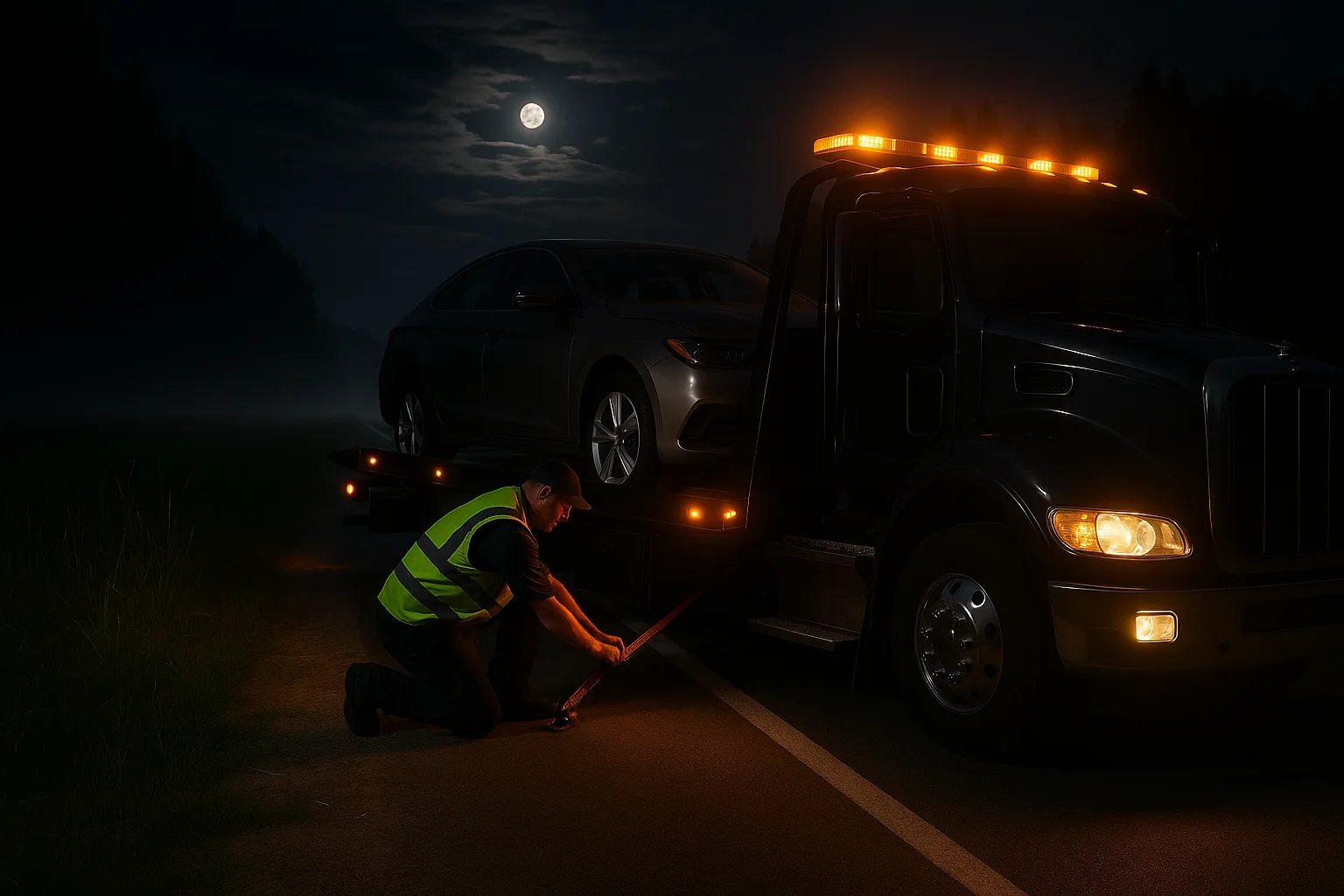
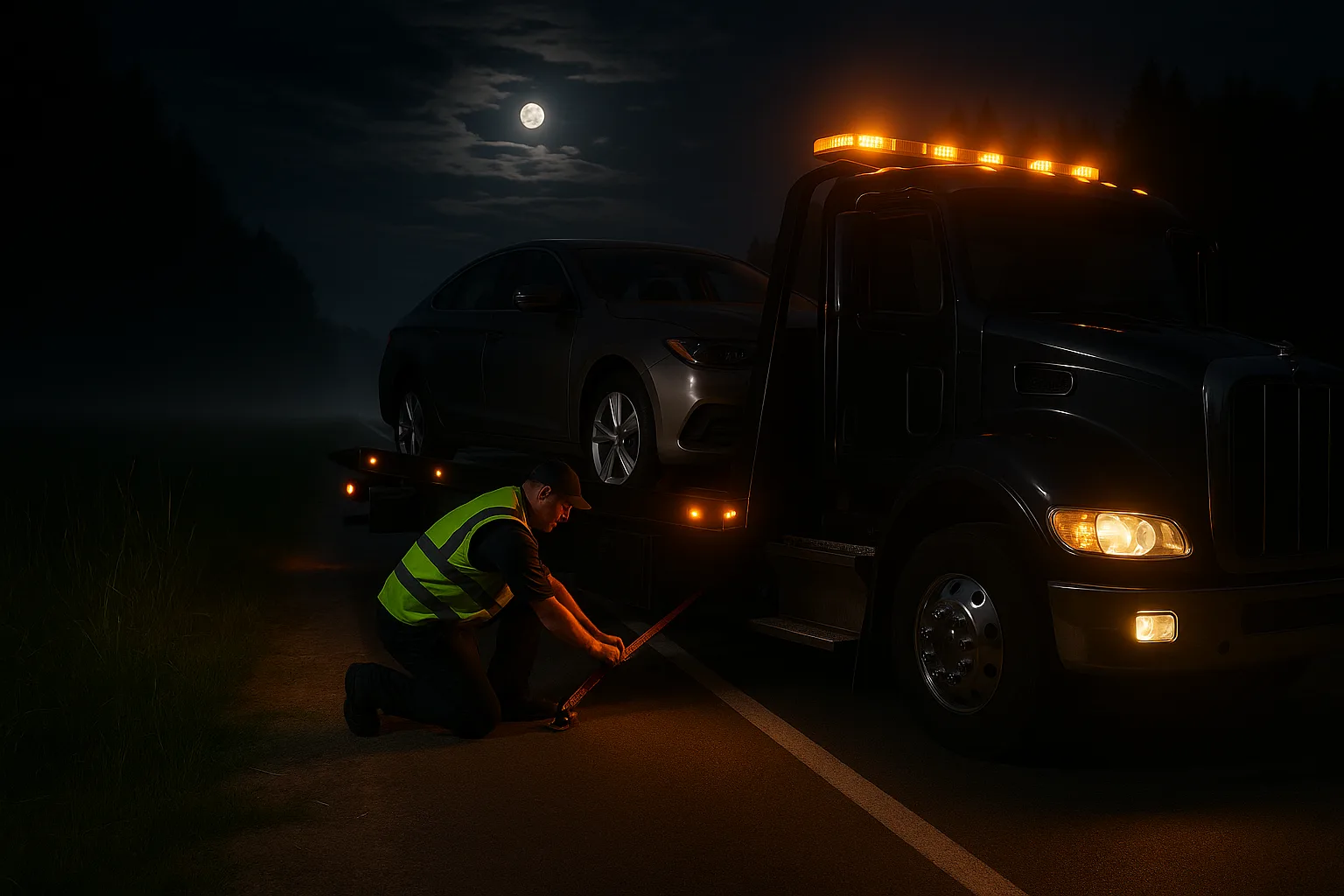
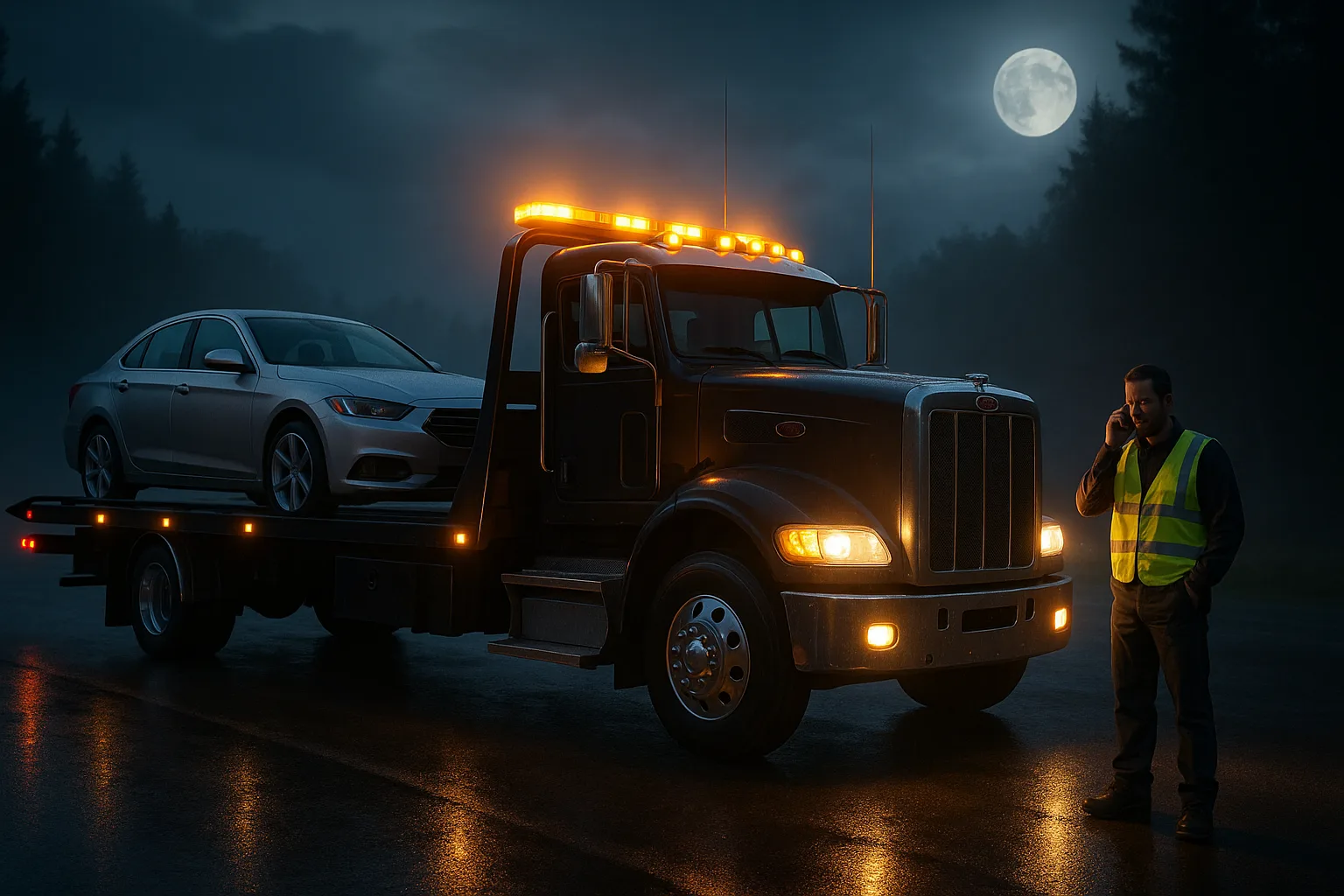
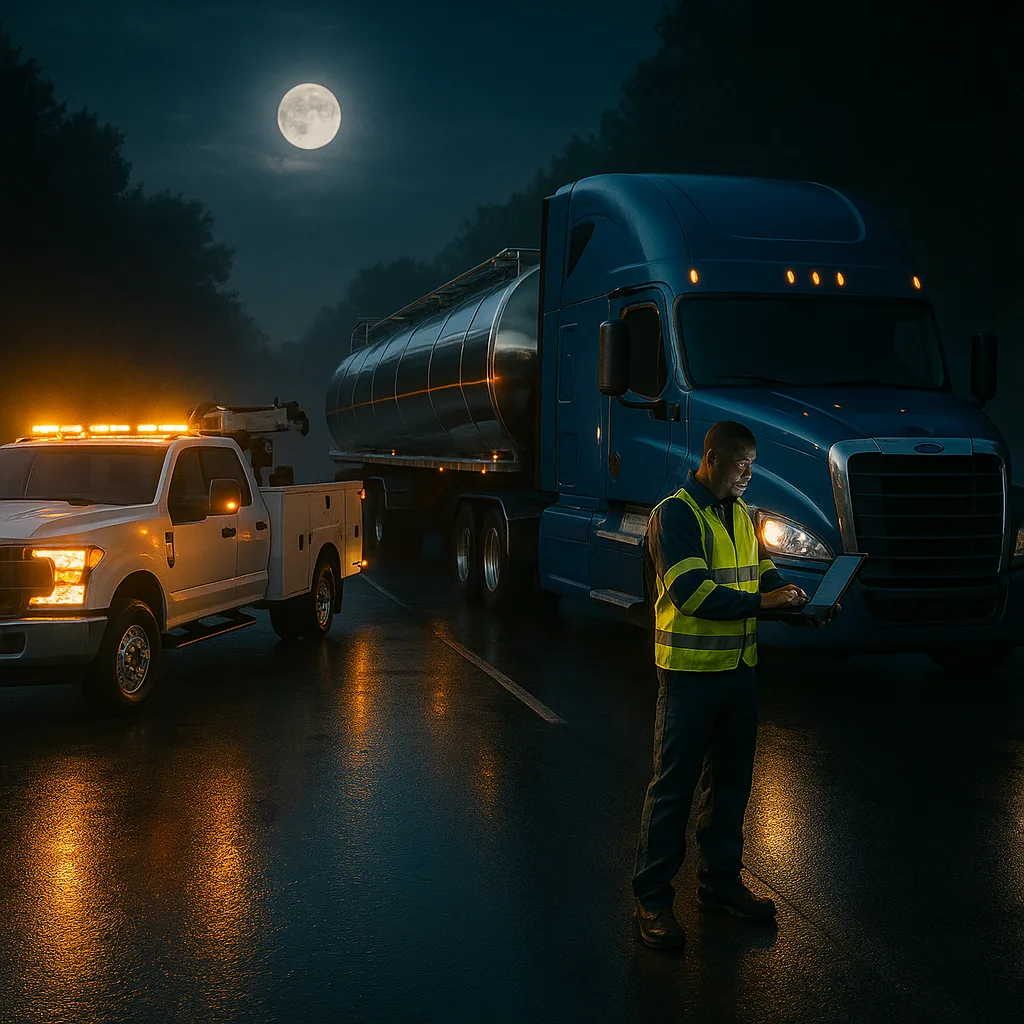
El Centro's freight economy runs on two clocks: the produce harvest clock and the border-crossing clock. From November through March a Class 8 reefer pulling lettuce or broccoli north on CA-86 toward I-10 is at maximum stakes, every hour the load sits in the desert sun, the trip-rate goes up and the buyer's tolerance goes down. Road Rescue Network's Imperial Valley rescuers run pre-staged service trucks at the Calexico ports, the West Mesa weigh station on I-8, and the Brawley CA-78/CA-86 split, with average response time times tuned to the produce window.
Anyone who's dispatched a truck through El Centro in July knows the math: 115°F at 4 PM on the I-8 grade west of Holtville means cooling-system stress, tire-pressure blowouts, and DPF regen lockouts on the same call. Our local mechanics carry pre-charged AC kits, twin-spare 11R24.5 inventories, and air-dryer rebuild kits on every truck because in this corridor a roadside fix at 38 minutes is the difference between a $400 service call and a $2,800 tow plus a 12-hour shop wait in Yuma.
Whether you're a Salinas-based grower routing a flatbed of harvest crates south to the Imperial Valley fields, an owner-operator stopping at the Pilot in El Centro before the long climb west to San Diego, or a fleet manager in Phoenix tracking a reefer through the Calexico East commercial port, the closest verified Road Rescue Network rescuer reaches you through one phone call. Dispatch, ETA, photo updates, and consolidated invoicing are handled by RRN's 24/7 operations desk.