Fresno, CA.
Fresno is the freight engine of California's Central Valley — the agricultural region that produces over a quarter of US food output and ships nearly all of it on Class 8 reefers. The SR-99 corridor is the spine of the Central Valley freight economy, and I-5 to the west and SR-41 connecting Fresno to Yosemite and the Bay Area give the metro the routing flexibility a peak harvest demands. Tule fog winters and 105°F summers stress every truck that runs the corridor.
Every roadside service we run in Fresno
Featured Fresno Service Providers
Insurance-current network vendors with verified compliance, equipment, and live availability status.
Central Valley Mobile Truck Repair
- 24/7 dispatch
- Fleet of 10
- 15 years in business
- Insurance verified
Raisin City Tire & Truck Service
- 24/7 dispatch
- Fleet of 7
- 13 years in business
- Insurance verified
Harvest Fab & Mobile Welding
- 24/7 dispatch
- Fleet of 8
- 14 years in business
- Insurance verified
Fresno CA Freight Corridors & Interstate Service Coverage
Each corridor has a dedicated breakdown landing page with service zones, exits, and recent dispatched jobs.

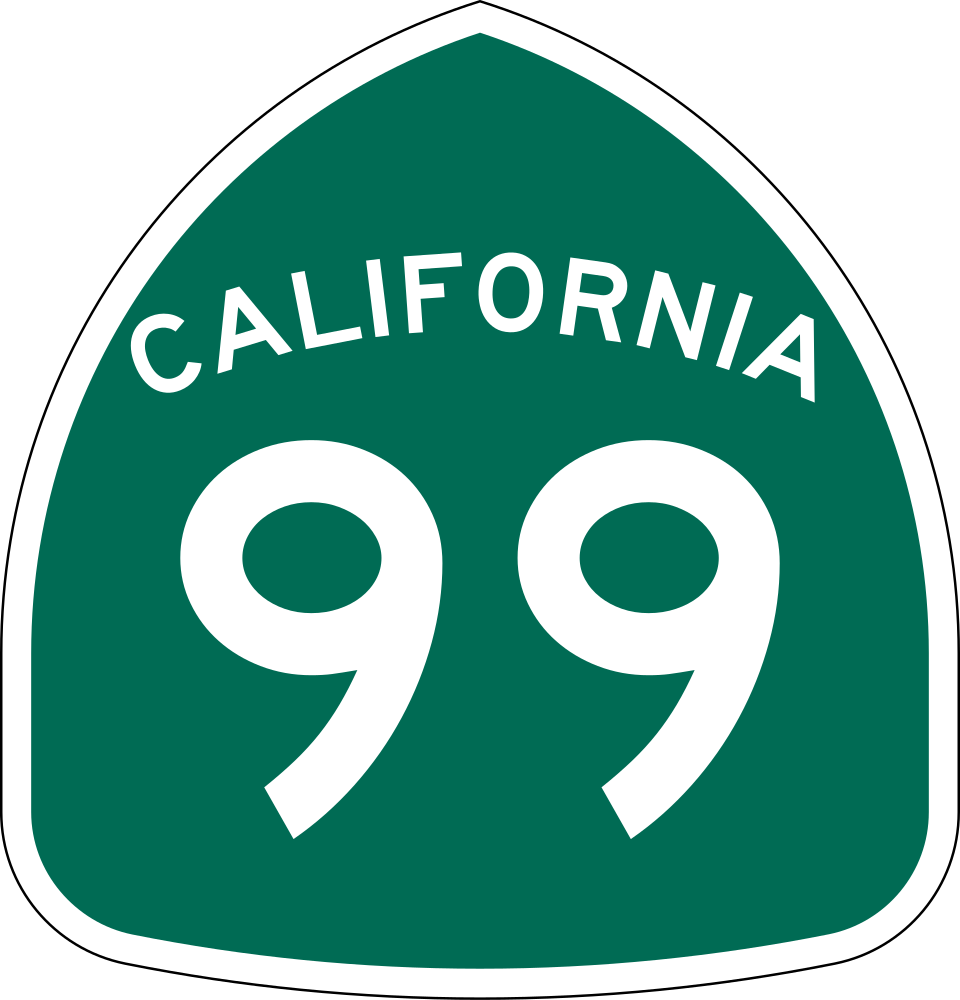
State Route 99
16 exits in Fresno
The spine of Central Valley freight — SR-99 runs Bakersfield through Fresno and on to Sacramento. Fresno's busiest corridor by truck volume; common service zones at the SR-180/SR-99 stack and the Selma/Kingsburg agricultural exits.

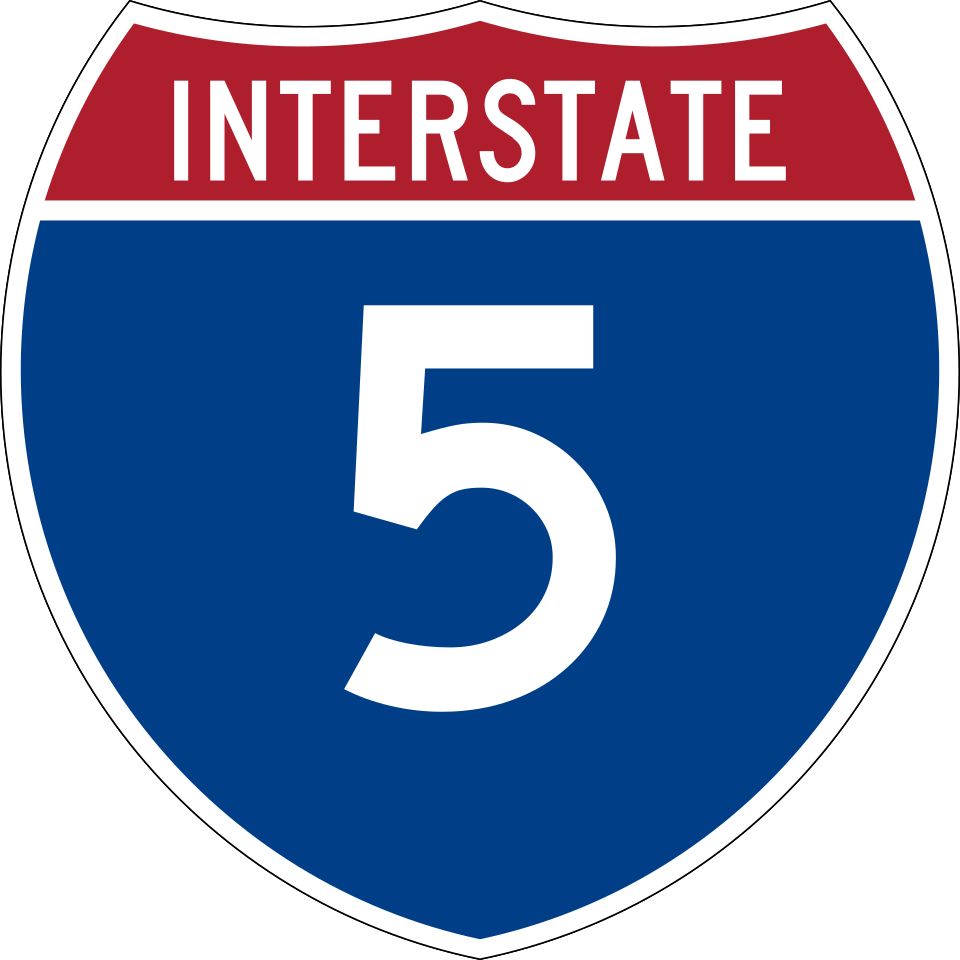
Interstate 5
4 exits in Fresno
California's main north-south interstate — runs west of Fresno through the I-5/SR-152 split. Long-haul truck volume to the Bay Area and Pacific Northwest. Common service zones near Coalinga and the Lost Hills oasis.

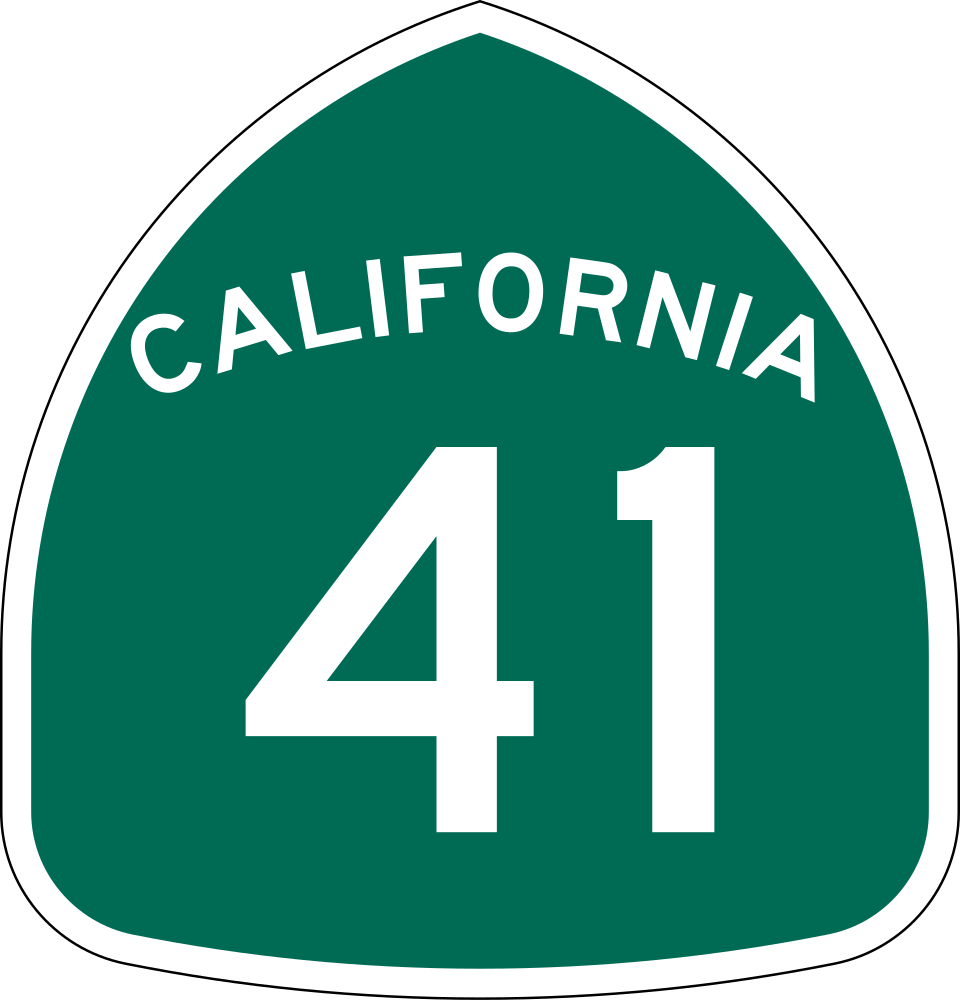
State Route 41
11 exits in Fresno
Connects Fresno north to Yosemite National Park and south to Lemoore Naval Air Station and the I-5 corridor. Heavy passenger volume in summer; heavy military and oilfield freight south to Avenal and Coalinga.

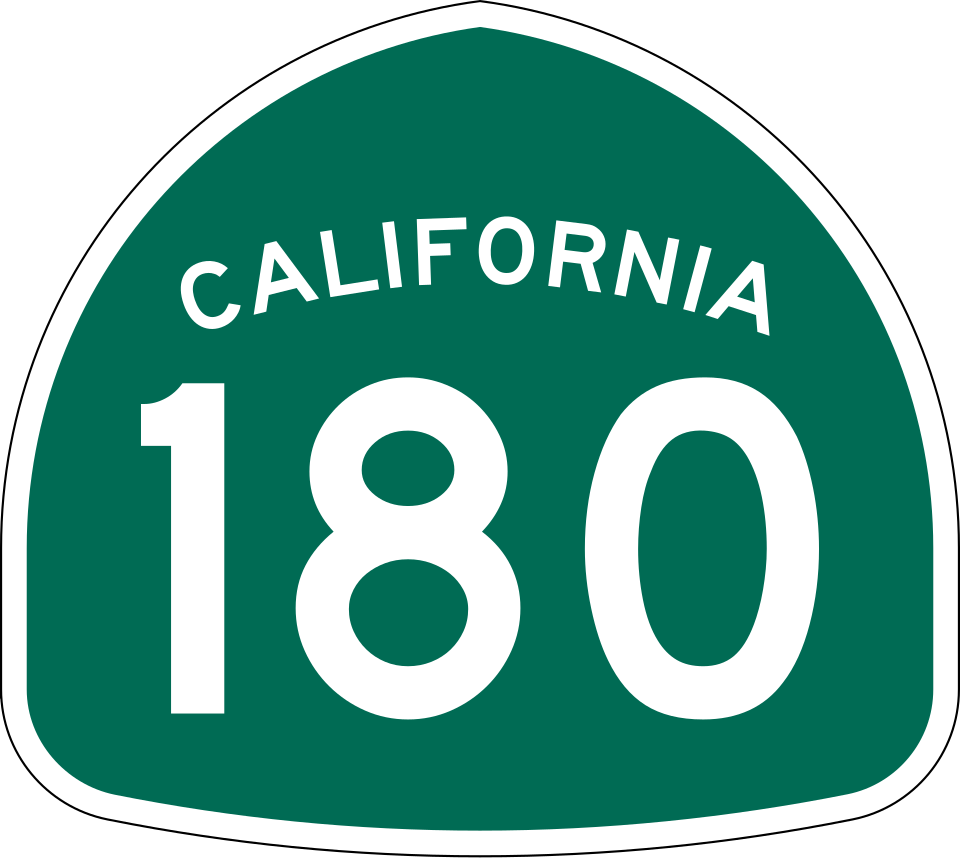
State Route 180
9 exits in Fresno
East-west arterial through Fresno toward Kings Canyon National Park east, and Mendota and the West Side ag districts west. Heavy farm-equipment haul and harvest-season ag freight.

State Route 168
7 exits in Fresno
Northeast arterial from downtown Fresno toward Clovis and the Sierra foothills. Heavy concrete-truck volume serving the Clovis development corridor.

US Route 101
0 exits in Fresno
Coastal long-haul corridor west of the Central Valley — most Fresno-bound freight from the Salinas Valley produce belt and the Bay Area transitions onto SR-152 or SR-46 east to reach SR-99.
Fresno CA Trucking & Freight Industry Overview
Fresno is the freight engine of California's Central Valley — the agricultural region that produces over a quarter of US food output and ships nearly all of it on Class 8 reefers. The SR-99 corridor is the spine of the Central Valley freight economy, and I-5 to the west and SR-41 connecting Fresno to Yosemite and the Bay Area give the metro the routing flexibility a peak harvest demands. Tule fog winters and 105°F summers stress every truck that runs the corridor.
Fresno is a city in the San Joaquin Valley of California, United States. It is the county seat of Fresno County and the largest city in the greater Central Valley region, as well as the most populated city in Central California. It covers about 114.7 square miles (297 km2) and had a population of 542,107 as of the 2020 census, making it the fifth-most populous city in California, the most populous inland city in California, and the 34th-most populous city in the nation.
Fresno's freight economy runs on reefers — refrigerated trailers hauling almonds, citrus, dairy, table grapes, and stone fruit out of the Central Valley to every market in North America. When a Class 8 reefer goes down on SR-99 in August at 105°F with a load of strawberries, the cost meter starts running before the driver gets the hazards on. Road Rescue Network's Fresno vendors are on-call 24/7, with average dispatch-to-arrival times we publish because we measure every call.
The mechanics in Fresno who handle heavy-duty calls work a calendar tied to harvest cycles: stone-fruit volume in May and June, table-grape rush August through October, citrus and almond outbound late fall and winter. Our network is built around techs who know which yards in Madera, Selma, and Kingsburg keep cold-chain reefer parts in stock, and which exits cluster around the dairy plants and the cold-storage hubs along SR-99.
Anyone who's dispatched a truck through Fresno in December knows the call you don't want — Tule fog drops visibility to under 100 feet on SR-99 between 5 AM and 9 AM, and a single lane closure cascades into a 30-mile back-up. Whether you're a fleet manager dispatching from Sacramento with a truck stranded at the TA Madera, or an owner-operator on I-5 outside Coalinga, the closest verified, insurance-current vendor in our Fresno network is reached through a single phone call.