Clearwater anchors the northern Pinellas peninsula, where US-19 carries the bulk of freight north-south and the Courtney Campbell and Bayside bridges tie the city to Tampa across the bay. As the third point of the Tampa Bay metro, Clearwater feeds tourism-driven beach freight, a strong light-manufacturing base, and the distribution that supplies a dense peninsula. Gulf-side salt air corrodes hardware, summer afternoon thunderstorms flood the low US-19 frontage roads, and hurricane season puts the bridges and evacuation routes squarely on the dispatch map.
Clearwater is a city in and the county seat of Pinellas County, Florida, United States, west of Tampa and north of St. Petersburg. To the west of Clearwater lies the Gulf of Mexico and to the southeast lies Tampa Bay. As of the 2020 census, the city had a population of 117,292. It is the smallest of the three principal cities in the Tampa–St. Petersburg–Clearwater metropolitan area, most commonly referred to as the Tampa Bay area.
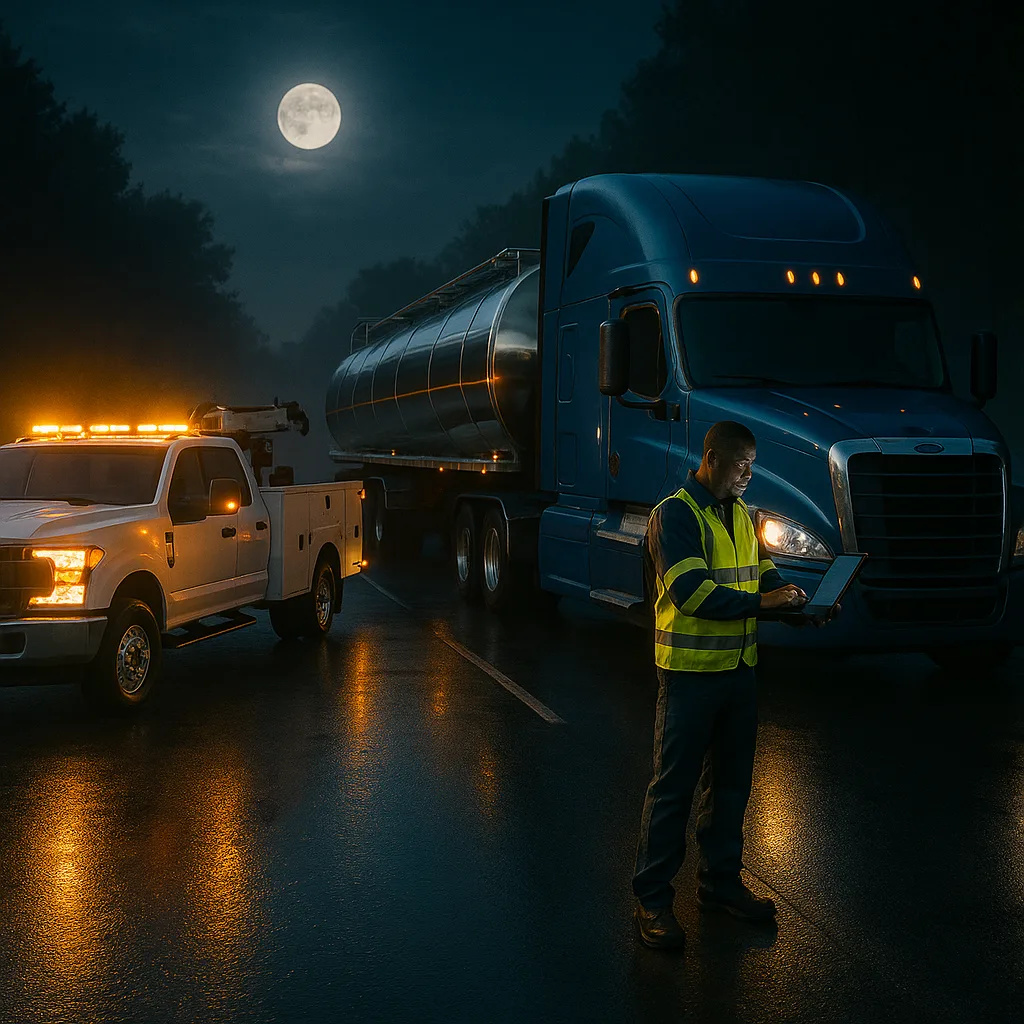
Clearwater's location at the top of the Pinellas peninsula makes US-19 its freight lifeline, the elevated, signal-heavy spine that carries nearly everything moving north and south through the county. A reefer that fails on the US-19 overpass near Gulf-to-Bay can bottleneck the only practical truck route on the peninsula. Road Rescue Network's Clearwater rescuers stage along the US-19 corridor so they can reach the worst chokepoints fast.
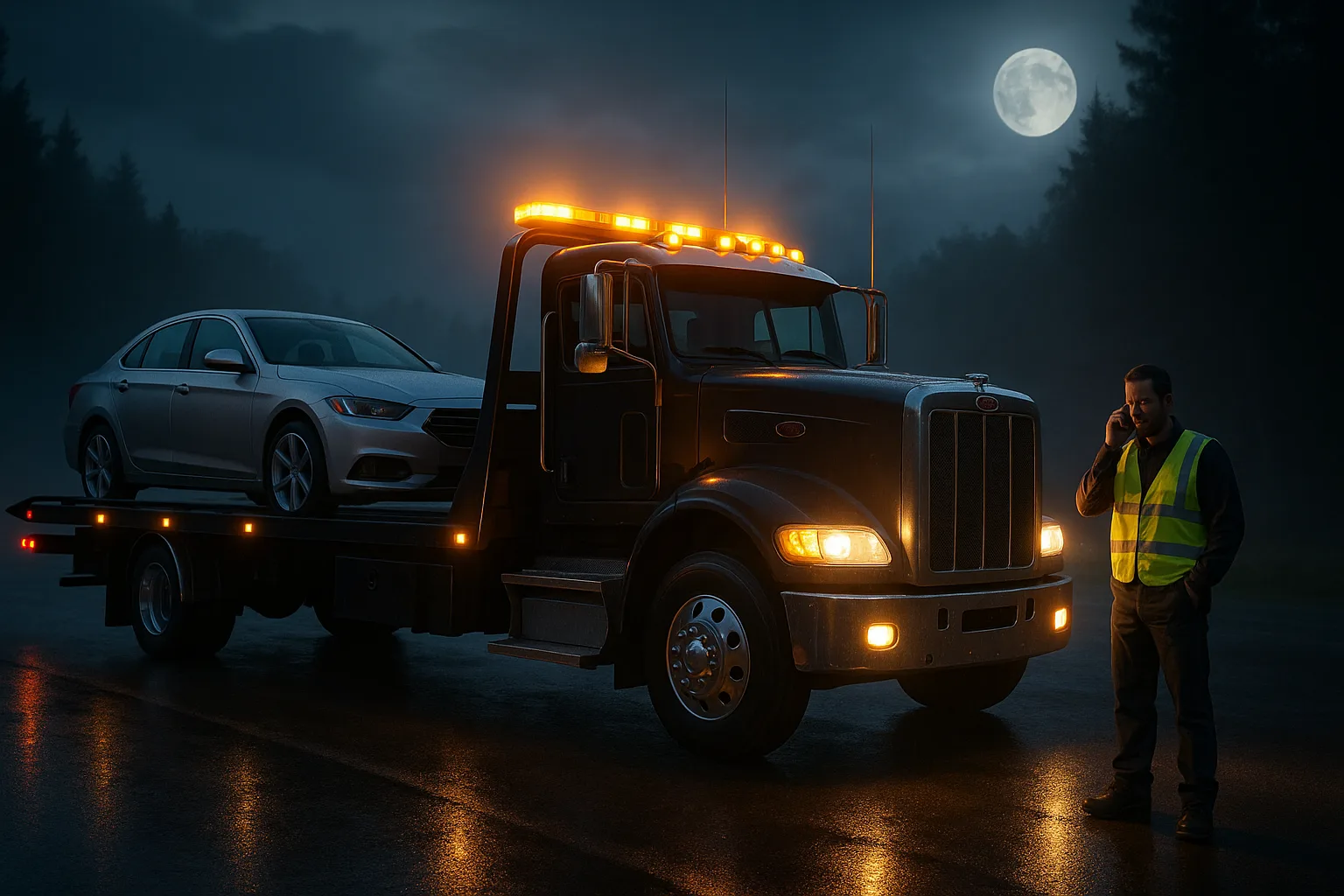
Anyone who's dispatched a truck across Tampa Bay knows the bridges define the job. The Courtney Campbell Causeway runs low and exposed over open water, and a breakdown out there in a Gulf squall is a different animal than one on dry land. Our local mechanics know which approaches have shoulder, how the crosswinds behave, and that the salt spray off the bay eats brake and electrical hardware on a schedule all its own.
When the Gulf starts spinning up storms, Clearwater's beach-peninsula geography puts it on the front line. Anyone who's run freight here in August knows the surge: evacuation traffic clogging the bridges off the beaches, US-19 frontage roads underwater, and a fuel scramble before landfall. Road Rescue Network pre-stages extra units, keeps fuel-delivery trucks loaded, and prioritizes corridor-critical recoveries the moment a system enters the cone.