Ocala, FL.
Ocala straddles I-75 between Gainesville and Wildwood, and the corridor here carries the bulk of central Florida's interstate freight on the way down to Tampa, Orlando, and South Florida. The city's identity is horse country, more thoroughbred farms than any other county in the United States, and that pulls a steady flow of equine-trailer freight, hay and feed shipments, and specialty bedding loads through the FL-200 and US-27 corridors. Layer in The Villages retirement-community delivery density just south of the metro and Marion County's growing logistics build-out at the FedEx Ground hub, and the freight picture is heavier than the population numbers suggest.
Every roadside service we run in Ocala
Featured Ocala Service Providers
Insurance-current network vendors with verified compliance, equipment, and live availability status.
Ocala FL Freight Corridors & Interstate Service Coverage
Each corridor has a dedicated breakdown landing page with service zones, exits, and recent dispatched jobs.

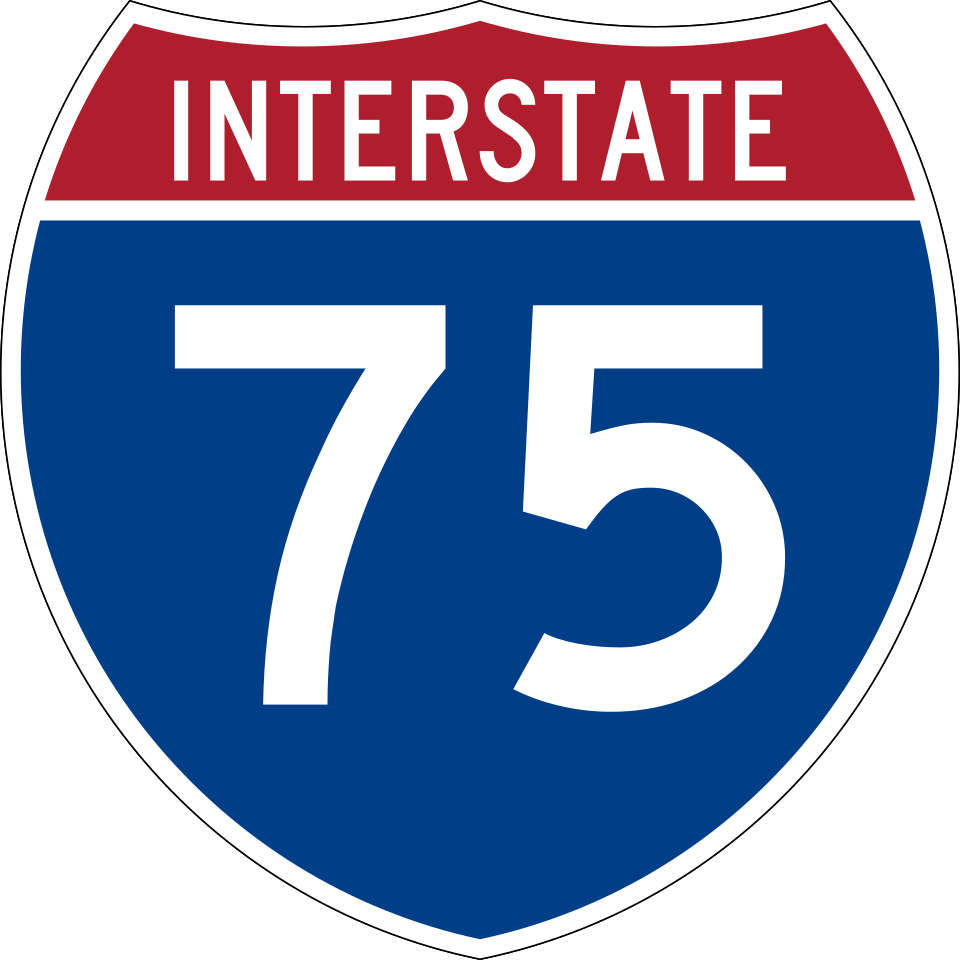
Interstate 75
7 exits in Ocala
The Florida-spine interstate from Tampa to Atlanta and Ocala's primary freight artery. Heavy reefer, retail-DC, and equine-trailer traffic; service-call hot spots cluster at the FL-200 (Exit 350) and FL-326 (Exit 358) interchanges where the FedEx and AutoZone DCs sit.

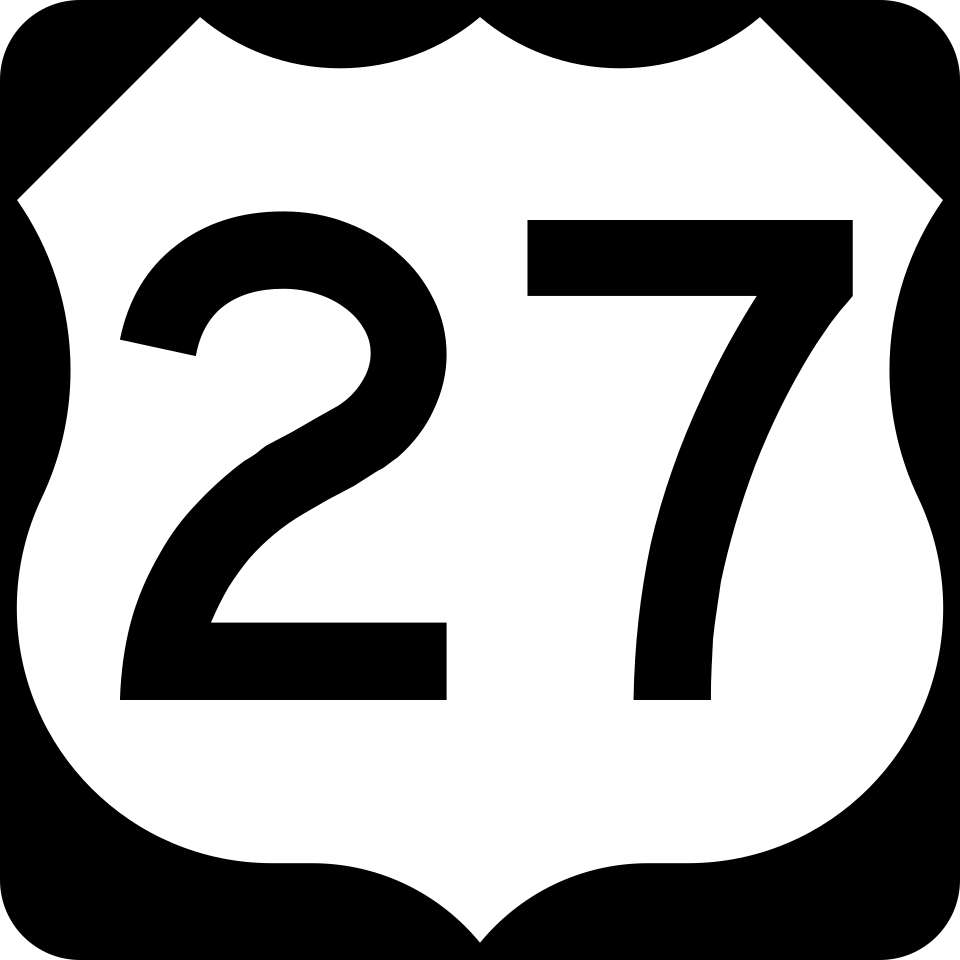
US Route 27
9 exits in Ocala
Diagonal route from Tallahassee to Miami passing through the Ocala horse-farm belt. Heavy specialty-trailer traffic for thoroughbred breeding farms; common service points at the NW 27th Avenue and Williams Street intersections.

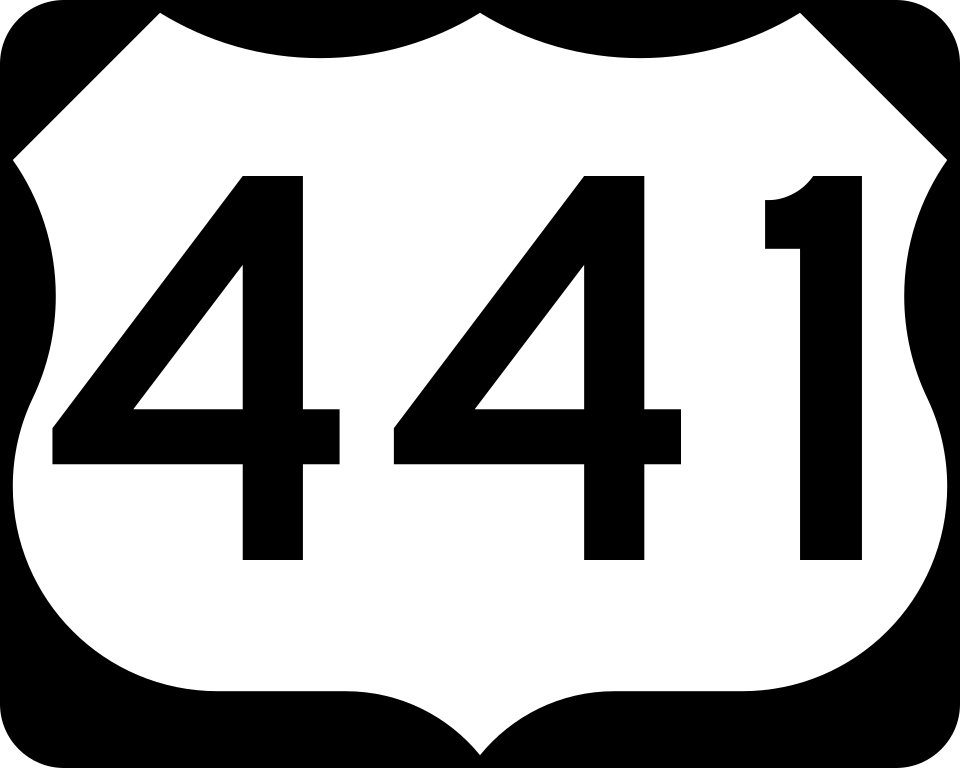
US Route 441
8 exits in Ocala
Co-routed with US-301 through Ocala as Pine Avenue, the historic north-south spine running south to The Villages and on to Orlando. Heavy retirement-community delivery and box-truck traffic.

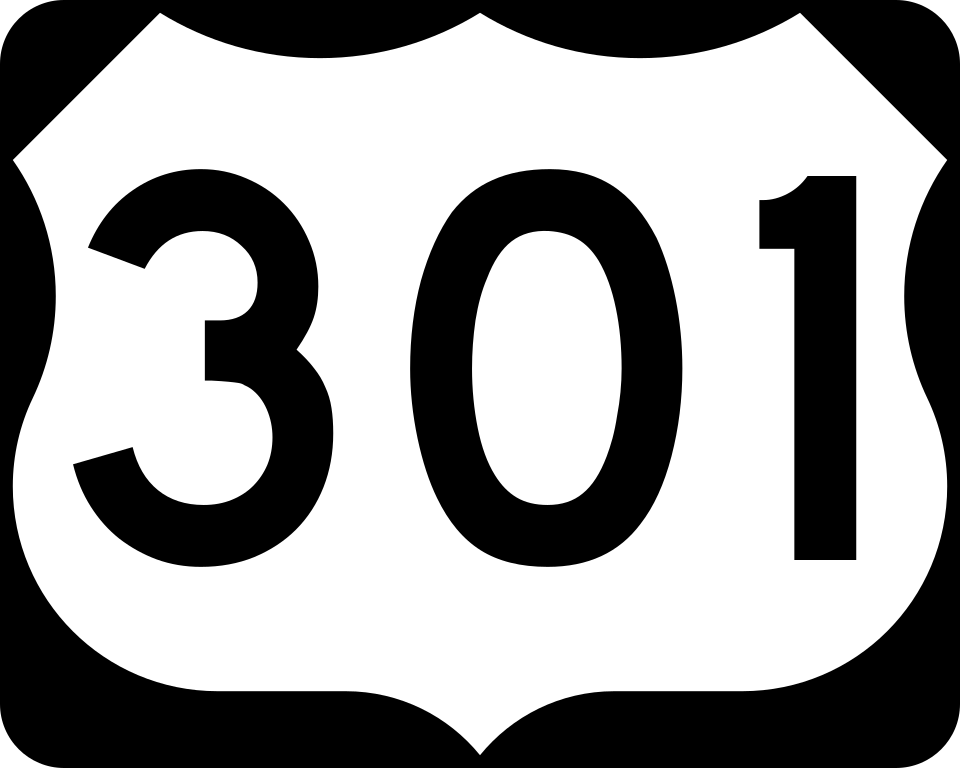
US Route 301
6 exits in Ocala
Truck alternate to I-75 on the east side of the city, running to Tampa via Wildwood and Dade City. Heavy aggregate, citrus, and Florida-Crystals sugar traffic.

Florida State Road 200
5 exits in Ocala
SW Ocala spine from I-75 Exit 350 out to Citrus County and the Gulf coast. The interchange with I-75 is one of the busiest in central Florida; common service points at the Heath Brook and Jasmine Plaza commercial corridors.

Florida State Road 40
7 exits in Ocala
East-west across central Florida from Ormond Beach to Yankeetown, intersecting I-75 at Exit 352. Heavy Daytona-to-Crystal-River traffic; the Silver Springs section is a known wildlife-incident zone after dark.
Ocala FL Trucking & Freight Industry Overview
Ocala straddles I-75 between Gainesville and Wildwood, and the corridor here carries the bulk of central Florida's interstate freight on the way down to Tampa, Orlando, and South Florida. The city's identity is horse country, more thoroughbred farms than any other county in the United States, and that pulls a steady flow of equine-trailer freight, hay and feed shipments, and specialty bedding loads through the FL-200 and US-27 corridors. Layer in The Villages retirement-community delivery density just south of the metro and Marion County's growing logistics build-out at the FedEx Ground hub, and the freight picture is heavier than the population numbers suggest.
Ocala is a city in and the county seat of Marion County, Florida, United States. Located in North Central Florida, the city's population was 63,591 as of the 2020 census, up from 56,315 at the 2010 census and making it the 43rd-most populated city in Florida. Ocala is the principal city of the Ocala metropolitan area, which had a population of 375,908 in 2020.
Ocala's freight economy lives on I-75 and bleeds out into a horse-country grid that doesn't look like anywhere else in the eastern United States. When a Class 8 reefer goes down on I-75 southbound at the FL-200 interchange in a July afternoon thunderstorm, the dispatcher in Atlanta is racing both the load schedule and the next cell coming off the Gulf, sometimes 90 minutes after the first call. Road Rescue Network's Ocala vendors are pre-positioned at the I-75 / FL-200 cluster and along the US-27 / US-441 spine, with response times calibrated for the kind of thunderstorm window that locks I-75 up almost every summer afternoon.
Ocala sits at the convergence of three patterns most cities never have to manage at once, an interstate-freight corridor, a horse-country specialty-trailer ecosystem, and a retirement-community delivery density that runs every weekday through The Villages. Daily afternoon thunderstorms from June through September bring lightning, microbursts, and standing water on FL-200 and FL-326 that fail brake systems and electrical grounds on schedule. Equine-trailer calls add their own complexity, you can't just yank a panel and tow when there are two thoroughbreds in the back of the trailer.
Whether you are a fleet manager dispatching from Jacksonville with a chassis stranded at the FedEx Ground hub, or an owner-operator on US-27 trying to reach a horse-farm pickup before the afternoon storm cell pushes inland, the closest verified, insurance-current vendor in our Ocala network is reached through a single phone call or service request. Coordination, dispatch, and ETA confirmation are handled by Road Rescue Network's 24/7 operations team.