Sebastian, FL.
Sebastian sits on the Treasure Coast at the northern boundary of Indian River County, paired with Vero Beach in the Sebastian-Vero Beach MSA — Florida's Indian River citrus belt and one of the most snowbird-driven retail corridors in the state. I-95 and US-1 carry both the long-haul transcontinental and local citrus and grocery freight, while CR-512 and FL-60 west feed inland to the dairy and ag operations of Indian River and Okeechobee counties. Hurricane corridor traffic peaks twice a year (June-November storm season + January-April snowbird load surge), salt-air corrosion ages chassis components fast, and summer afternoon thunderstorms knock down power and cellular every week.
Every roadside service we run in Sebastian
Featured Sebastian Service Providers
Insurance-current network vendors with verified compliance, equipment, and live availability status.
Treasure Coast Mobile Truck Repair
- 24/7 dispatch
- Fleet of 7
- 13 years in business
- Insurance verified
Barrier Island Tire & Fleet
- 24/7 dispatch
- Fleet of 6
- 11 years in business
- Insurance verified
Salt Air Iron Mobile Welding
- 24/7 dispatch
- Fleet of 5
- 14 years in business
- Insurance verified
Sebastian FL Freight Corridors & Interstate Service Coverage
Each corridor has a dedicated breakdown landing page with service zones, exits, and recent dispatched jobs.

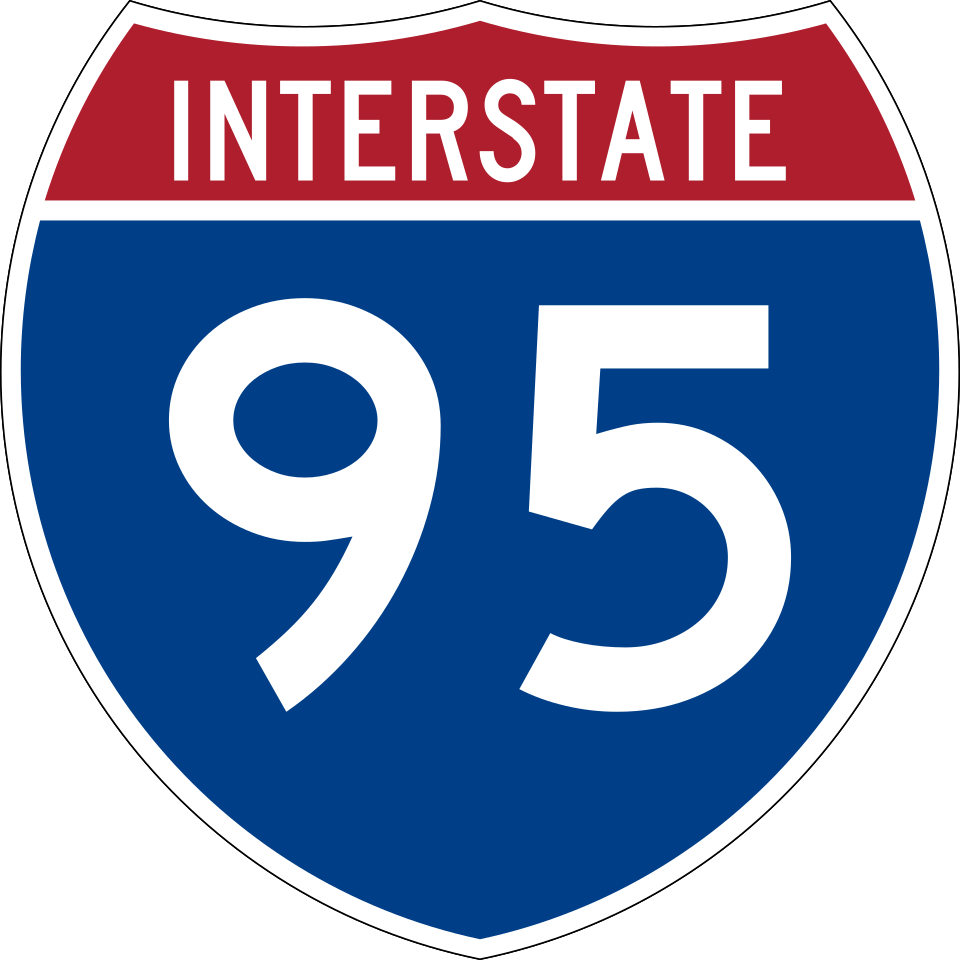
Interstate 95
4 exits in Sebastian
The transcontinental east-coast corridor and the primary freight artery serving Sebastian and Vero Beach. Heavy citrus reefer and snowbird-season retail traffic; common breakdown clusters at the Sebastian / Fellsmere exit (FL-512) and the Vero Beach exit (FL-60).

US Route 1
6 exits in Sebastian
The Treasure Coast shoreline corridor running north-south through downtown Sebastian, Vero Beach, and Indian River Shores. Carries local-delivery freight to coastal hotels, restaurants, and snowbird retail; salt-air corrosion is most acute on this route.

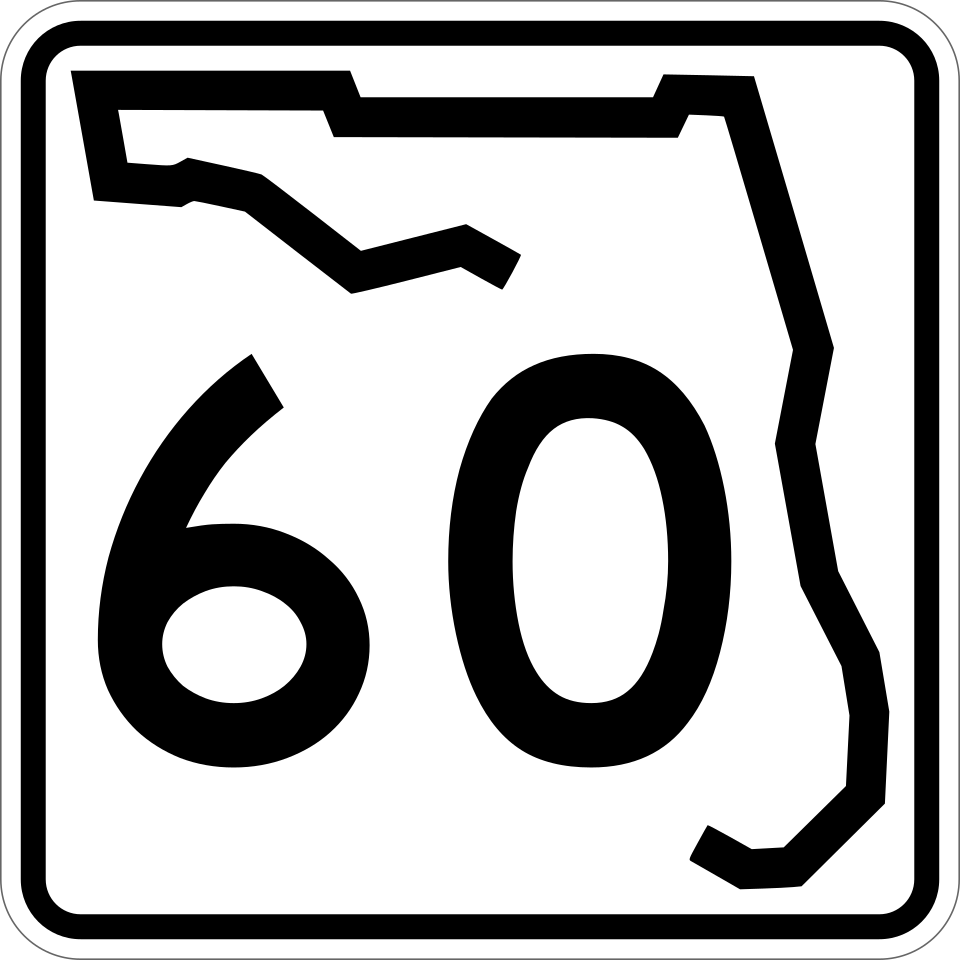
Florida State Road 60
0 exits in Sebastian
East-west arterial connecting Vero Beach to Lake Wales and the I-4 / Tampa corridor via Yeehaw Junction. Heavy citrus, dairy, and inland-ag freight; afternoon thunderstorm wind-shear regularly halts oversized loads here.

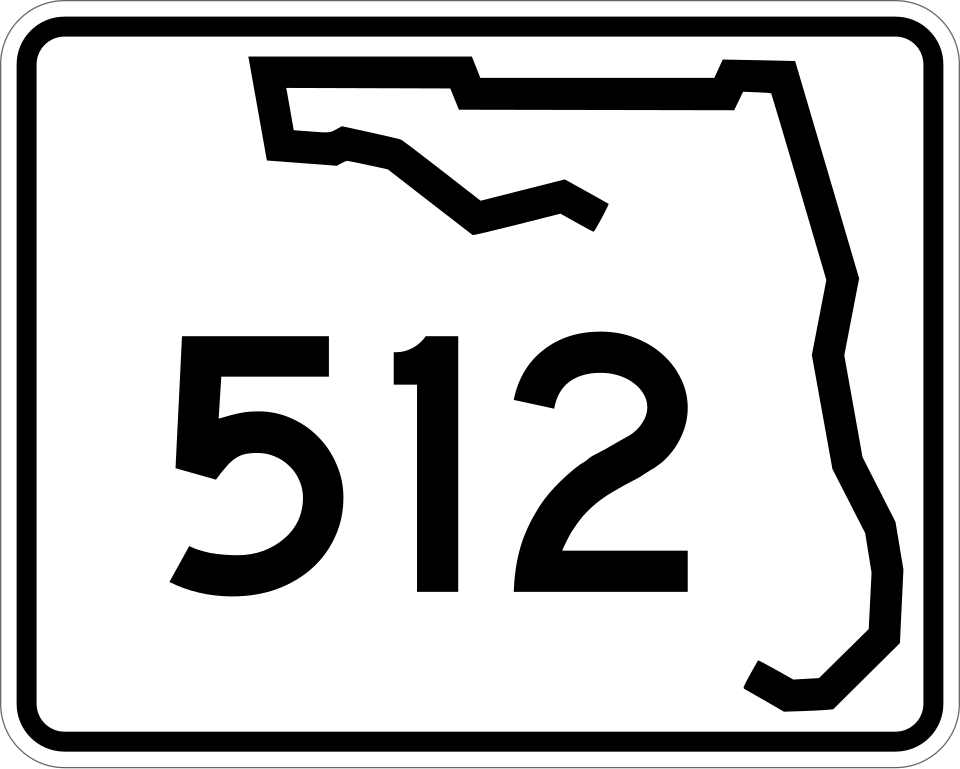
Florida State Road 512 / CR-512
4 exits in Sebastian
The Sebastian I-95 connector running west into Fellsmere and the citrus and pasture lands of inland Indian River County. Continuous citrus-grove and ag-input truck traffic during harvest.

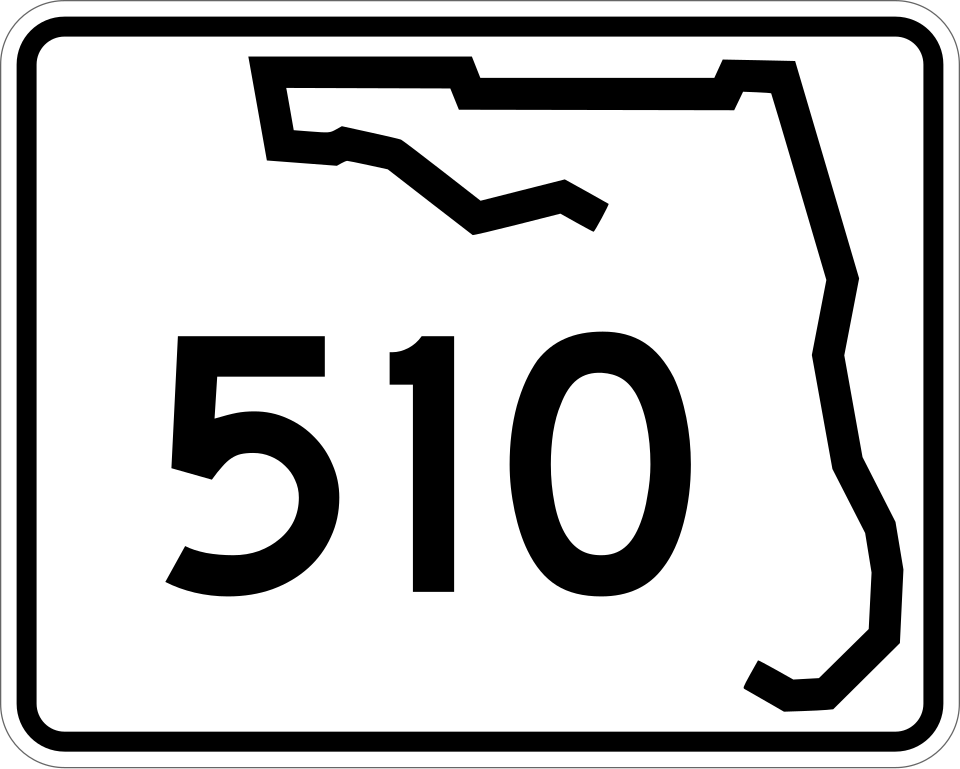
Florida State Road 510
3 exits in Sebastian
East-west arterial from US-1 through the Wabasso area to the barrier island and FL-A1A. Local-delivery and beach-resort freight; the Wabasso Causeway bridge is a chronic salt-corrosion zone for trailer brake lines.

Florida State Road A1A
5 exits in Sebastian
The Atlantic barrier-island route through Sebastian Inlet State Park, Vero Beach, and the Indian River Shores resort corridor. Carries hotel-supply, beach-club, and Disney resort freight; the Sebastian Inlet bridge is a known weak-spot for wind-driven trailer-spray corrosion.
Sebastian FL Trucking & Freight Industry Overview
Sebastian sits on the Treasure Coast at the northern boundary of Indian River County, paired with Vero Beach in the Sebastian-Vero Beach MSA — Florida's Indian River citrus belt and one of the most snowbird-driven retail corridors in the state. I-95 and US-1 carry both the long-haul transcontinental and local citrus and grocery freight, while CR-512 and FL-60 west feed inland to the dairy and ag operations of Indian River and Okeechobee counties. Hurricane corridor traffic peaks twice a year (June-November storm season + January-April snowbird load surge), salt-air corrosion ages chassis components fast, and summer afternoon thunderstorms knock down power and cellular every week.
Sebastian is the most populous city in Indian River County, Florida. It is located at the confluence of the St. Sebastian River and the Indian River. It is the largest city in Indian River County and the biggest population center between Palm Bay and Fort Pierce. The city's economy is heavily reliant on tourism. It is located near many natural and scenic areas such as Pelican Island National Wildlife Refuge, Sebastian Inlet State Park, and St. Sebastian River Preserve State Park.
Sebastian and the Sebastian-Vero Beach freight corridor live on three rhythms. The first is citrus harvest — November through April, Indian River grapefruit and orange reefers move continuously through the region's groves out CR-512 and FL-60 west, with packout houses pushing 18-wheel reefers north on I-95 toward Atlanta and Boston. The second is snowbird season — January through April, a wave of grocery, retail, and Amazon last-mile freight surges into the Vero Beach and Sebastian markets to feed seasonal residents who triple the local population. The third is hurricane season — June through November, when one approaching storm can put 200 trucks on I-95 northbound inside six hours.
Anyone who's dispatched a truck through the Sebastian / Vero Beach corridor knows two things about Florida coastal freight: salt eats chassis fast, and afternoon thunderstorms ruin schedules. Coastal humidity and ocean-spray salt corrode brake-line connections, air-system fittings, and electrical grounds at twice the rate you'd see inland. Our local mechanics carry stainless brake-line repair kits, anti-corrosion air-system fittings, and dielectric grease in standard inventory because every other call here is a corrosion-induced failure that wouldn't have happened in Memphis or Dallas.
Whether you're an owner-operator hauling Indian River grapefruit north on I-95 in February, a fleet manager dispatching a snowbird-season grocery reefer to the Publix DC in Vero Beach, or a Disney logistics coordinator routing supplies to the Vero Beach Resort, the closest verified Road Rescue Network vendor reaches you on a single call. Dispatch, ETA, photo updates, and consolidated invoicing run through RRN's 24/7 ops desk, and our hurricane-pre-stage protocol kicks in 72 hours ahead of any approaching named storm.