01
Air wedge & long-reach tool
Inflatable wedge, coated reach rod
Standard non-destructive entry on most vehicles. The wedge opens a controlled gap; the rod does the work without contacting the airbag or the wiring loom.
Need a lockout service in Louisville? We come to you and open it without breaking your glass or bending the frame. Faster and cheaper than a window, and no body shop bill. Most calls here come off a highway at a bad hour, so where you are standing matters as much as how fast we get there. I-64, I-71, and I-264 all run through Louisville, so most of our calls come off one of those. Freight around here moves for outfits like Amazon Fulfillment Center SDF8 and UPS, which is work that runs on a schedule.
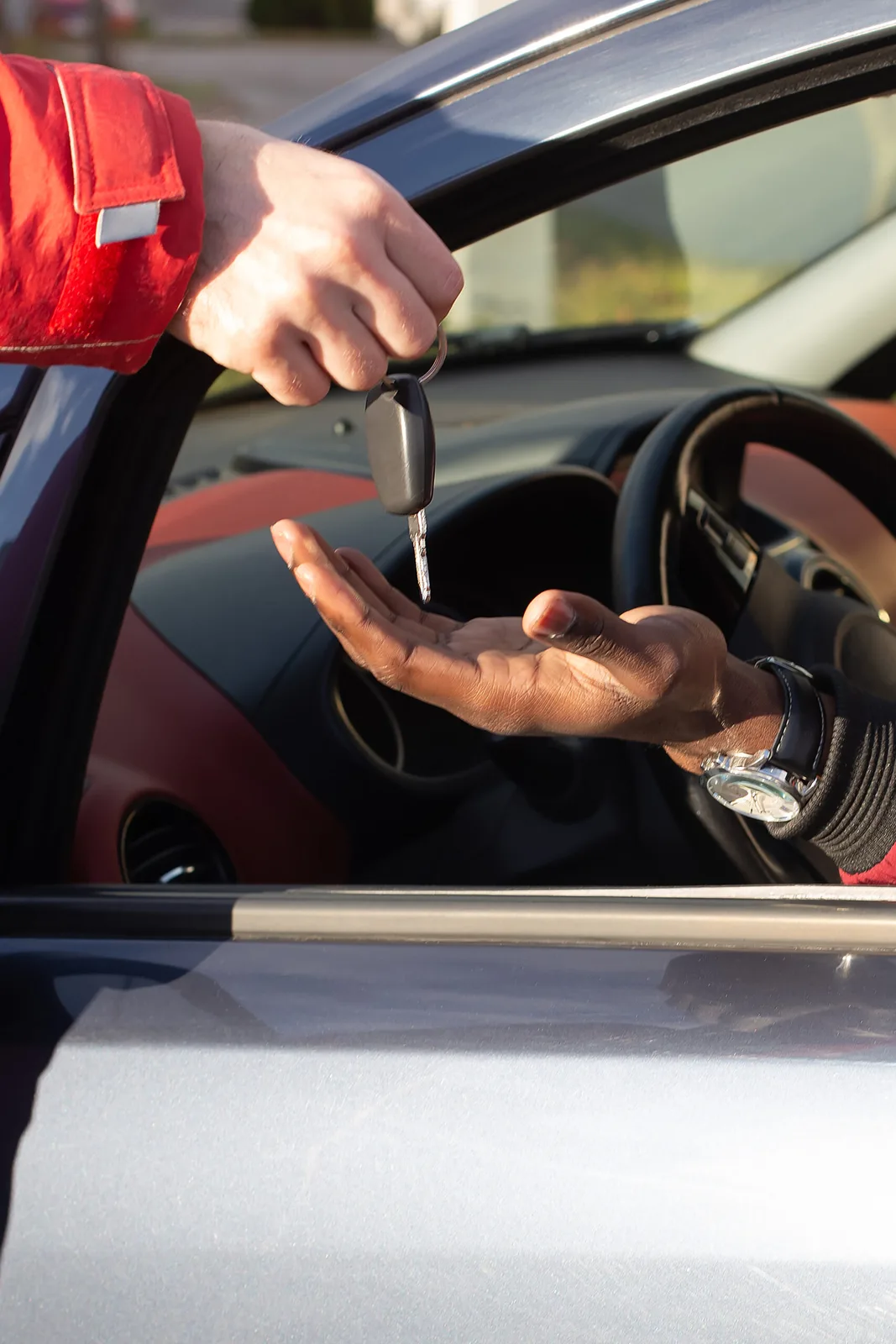
The difference between a lockout and a body-shop visit is which tools showed up. Here is what a properly equipped Louisville unit carries.
Inflatable wedge, coated reach rod
Standard non-destructive entry on most vehicles. The wedge opens a controlled gap; the rod does the work without contacting the airbag or the wiring loom.
Make-specific decoding picks
Cylinder-level entry, and the tool that can also decode the cut so a key can be originated without pulling a lock apart.
Edge-cut and laser/sidewinder capable
Any key origination. Laser-cut blanks used by most European and late-model vehicles cannot be produced on a standard edge machine.
OBD programming, immobilizer pairing
Every chipped key and fob. Cutting alone produces a key that turns the cylinder and never starts the engine.
Push-to-start pairing, PIN retrieval
Keyless-entry vehicles. Several makes enforce a security delay, which is why these appointments are scheduled with a longer window.
VIN-based code lookup under credentialed access
All-keys-lost. Retrieving a factory code requires credentialed access and proof of ownership — the safeguard that stops this from being a theft service.
Broken-key extractors, cylinder tools
Snapped blades and seized cylinders, before any new key is cut.
Common domestic, import, and heavy-truck blanks
Carried so the job finishes on the first visit. A dispatcher confirming your year, make, and model is checking stock, not stalling.
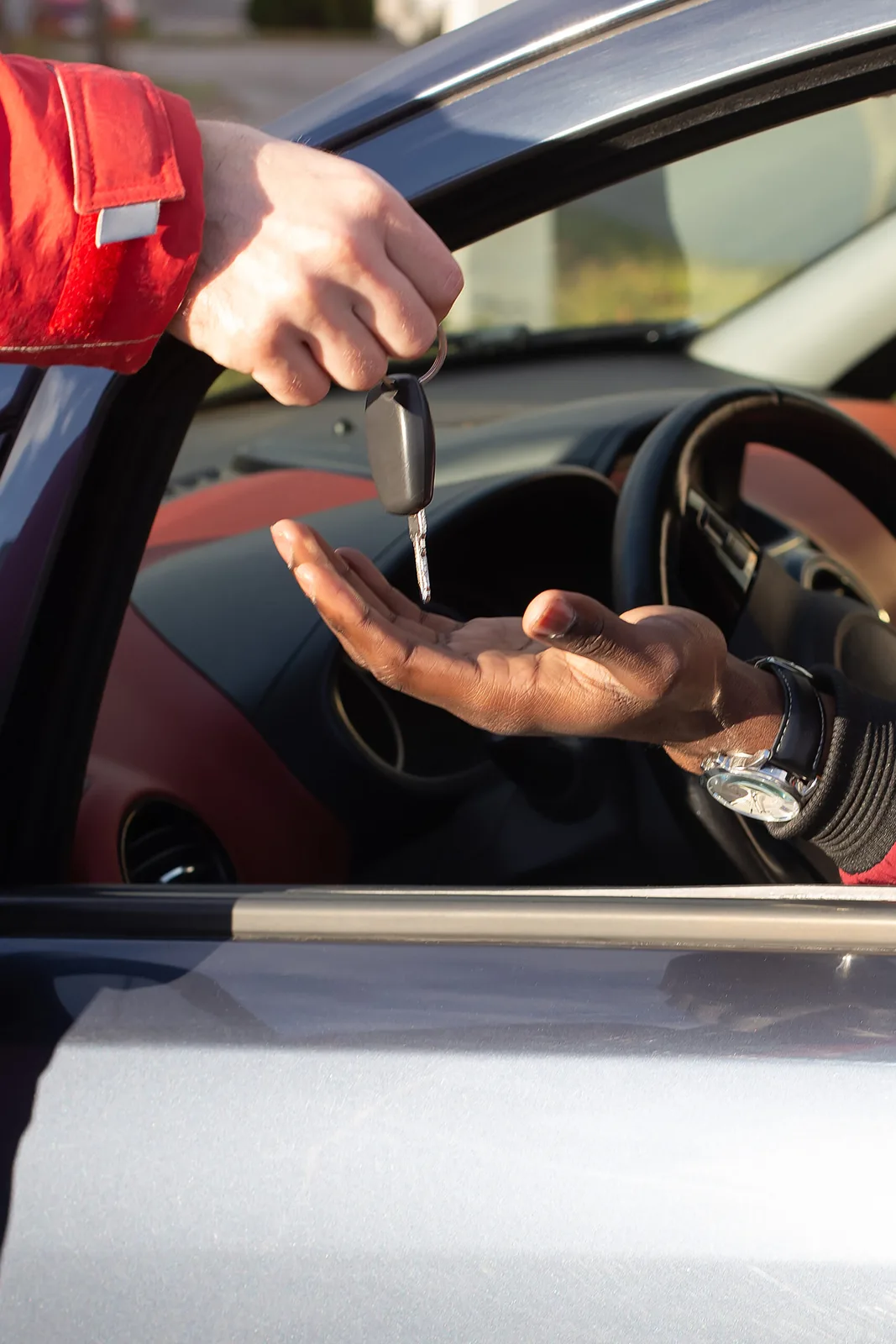
One call puts a lockout service unit on the road to you anywhere in Louisville or out along I-64 and I-71. Tell us the road and which way you are pointed and we do the rest.
Getting you back into the vehicle, and getting you a key that works. Non-destructive entry, cut-and-program key replacement, and all-keys-lost across the Louisville metro.
Non-destructive entry with a wedge and long-reach tool, or picked at the cylinder. Most Louisville lockouts open in under ten minutes without touching the paint, the glass, or the weatherstrip.
Call 911 first, then us. This is dispatched at top priority in Louisville and no operator will slow-walk it — but on a hot day emergency services can break glass immediately, and that is the correct trade.
Class 8 cab doors use different linkage geometry than a car and the tools are not interchangeable. A Louisville operator who only does cars will damage a Freightliner door panel finding that out.
Common on reefers, service trucks, and anything left idling. Dispatched urgently across Louisville — it is burning fuel, it is a theft target, and on some vehicles the doors auto-lock again.
Trunk-only lockouts, jammed hatches, and box-truck rollup doors, including vehicles with no cabin pass-through. Often the Louisville call where the keys are visibly inside the trunk itself.
Iced cylinders, worn wafers, and a key that turns without releasing. Louisville winter mornings generate a run of these, and forcing the key is how it snaps off inside.
A modern key is a cut blade plus a chip the car has to recognize. Cutting alone gets you a key that turns and an engine that will not start — both halves happen on the Louisville truck.
Remote lock, unlock, panic, and remote start paired to the vehicle through the diagnostic port. Far cheaper than the Louisville dealer for the identical result on most makes.
Smart keys for keyless-entry vehicles, programmed on site. Some makes require an extended security wait before a new key takes, so a Louisville appointment can run longer than the work itself.
No working key at all. The key code is pulled by VIN with proof of ownership, a key is originated, and the immobilizer is programmed — the Louisville job that most people assume requires a tow to the dealer and does not.
Cutting and programming a second key while you still have a working one. Dramatically cheaper than all-keys-lost, which is the same job done under pressure in a Louisville parking lot at midnight.
Sidewinder and internal-cut blades used by most European and late-model makes. Requires a different machine than a standard edge cut, so Louisville dispatch confirms the blank before rolling.
Keyed-alike sets, numbered spares, and a documented code record so a lost key on a Louisville fleet vehicle is a fifteen-minute problem instead of a day out of service.
Cut, drilled, or picked when the key is gone, and replaced with a fresh keyed set. Standard on a Louisville drop-and-hook where the trailer came with a lock and no key.
Refrigeration units and toolbox compartments locked with product inside. Time-sensitive across Louisville for the same reason any reefer call is — the cargo is on a clock.
Roll-up latches and cargo-door cylinders opened and rekeyed. Common on Louisville delivery fleets where the cargo door key and the cab key were never the same key.
A worn or seized ignition that eats keys and will not turn. Repaired or replaced and rekeyed to your existing key so a Louisville driver does not end up carrying two.
New cylinders or reprogrammed immobilizer after a break-in or a driver departure, which invalidates the old key. The step Louisville fleets skip and then wonder how the vehicle moved.
A snapped blade pulled from the cylinder with extraction tools, then a replacement cut. A Louisville key that broke because the cylinder is worn will break the new one too, so the cylinder gets checked.
Door and ignition cylinders replaced after a punch, a pry, or a failed entry attempt. Frequently the Louisville call that follows someone trying a coat hanger first.
Modern doors carry side-curtain airbag components and electrical looms inside the panel. This is why an amateur Louisville entry can turn a lockout into a four-figure repair.
A key that works sometimes is a key about to fail. Cut fresh to the factory code rather than copied from the worn one — a Louisville copy of a copy drifts further out of spec each time.
Diagnosed on site. Most Louisville "my fob stopped working" calls are a battery and a hidden mechanical blade, which costs almost nothing and takes two minutes.
Doors, locks, and glass verified working before we leave, so a Louisville vehicle opened at 2 a.m. is not left with a latch that no longer secures.
Rolling 30-day average dispatch-to-arrival, by service type, across the local rescuer network.
An entry and a key are two different jobs at two very different prices. Here is how a Louisville invoice breaks down, and where the dealer comparison actually lands.
Getting a technician to you and opening the vehicle. On a straightforward lockout this is often the entire bill.
Overnight and holiday calls price above daytime. Lockouts are disproportionately overnight, so ask which rate applies when you call.
Distance beyond the core service area. Confirm whether it counts from their base or from your location.
The physical key. A basic edge-cut blank is inexpensive; a laser-cut high-security blank is not.
Pairing the chip to the immobilizer, billed separately from cutting. Two steps, two charges — a quote naming only one is incomplete.
Smart keys and remote fobs are the expensive part and vary enormously by make. This is where the dealer comparison is usually most favorable to a mobile locksmith.
No working key means originating from the code rather than duplicating. More time, more tooling, and a higher price than a spare cut while you still have one.
Not a charge, but a hard requirement — ID plus registration or title. An operator who skips it is a problem for the next owner of your vehicle.
Some makes require dealer-only tooling or a security waiting period. A good operator tells you that on the phone rather than after arriving.
Broken key removal and worn cylinder replacement are labor beyond the key itself.
Priced per cylinder. After a theft, doing the ignition and skipping the doors is a half-measure worth understanding before you buy it.
A child or pet locked inside is treated as an emergency, not a revenue event. Call 911 first — always.
Road Rescue Network does not set a member operator's rates. What the network does is get the entry, the blank, and the programming quoted as separate lines before the tech rolls — the three-part breakdown a dealer quote never gives you.
The same crews that run Louisville also cover Lexington (85 mi), Nashville (175 mi) and Cincinnati (100 mi), so a call from either side of Jefferson County reaches the same desk.
Each service links to local response times, rescuer coverage, and recent dispatched jobs in this metro.
A live map of every lockout and key service unit in Louisville metro, with real-time positions, ETAs, and dispatch status, available inside your dashboard.
Sign in to track network rescuers across Louisville in real time, dispatch jobs, and confirm ETA before the truck rolls.
Each corridor has a dedicated breakdown landing page with service zones, exits, and recent dispatched jobs.

4 exits in Louisville
Primary east-west throughway connecting Louisville to Lexington (Kentucky), Cincinnati (Ohio), and westward to Indiana/Illinois. Heavy freight volume; the two Ohio River bridge crossings are critical choke points where backup cascades instantly from a single incident. Winter ice formation on bridge approaches and elevated sections is routine December–February. Breakdown on I-64 eastbound grade toward Kentucky hills often involves brake thermal stress and overheating; recovery must account for load weight and hill grade.
4 exits in Louisville
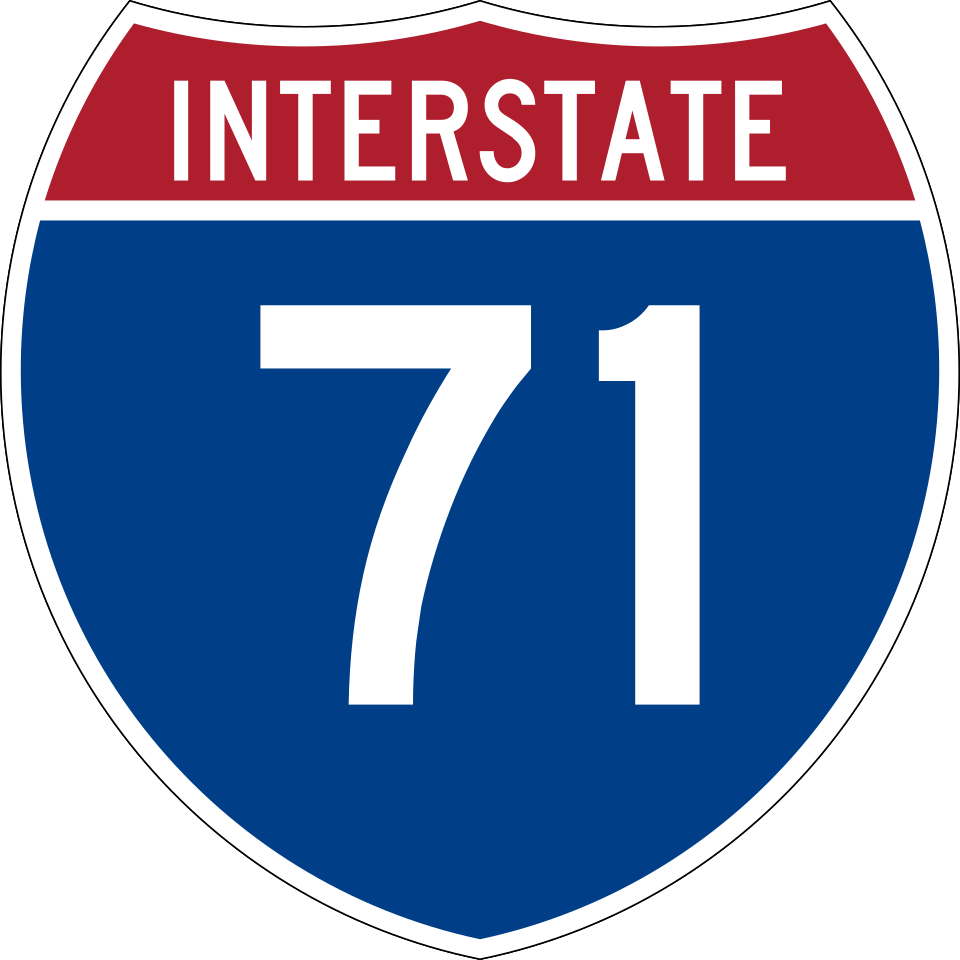
North-south corridor connecting Cincinnati and Louisville to Nashville and Tennessee. Moderate to heavy truck traffic, especially during evening peak hours (5–8 PM). Significant automotive and parts freight bound for assembly plants and redistribution hubs. Winter weather less severe than northbound I-75 through Ohio, but still ice-prone on elevated sections. Breakdown response on I-71 typically routes to dispatch centers in northern Louisville or Shepherdsville (south) depending on incident location.

4 exits in Louisville
Eastern Louisville bypass connecting I-71 and I-65 north of downtown, heavily used during incident avoidance and during major congestion on I-64. Lower speed than main corridors but steady truck traffic. Winter weather impacts are less severe than Ohio River bridges. Breakdown on I-264 typically has faster secondary-corridor response with less cascade impact than main interstate incidents.
4 exits in Louisville
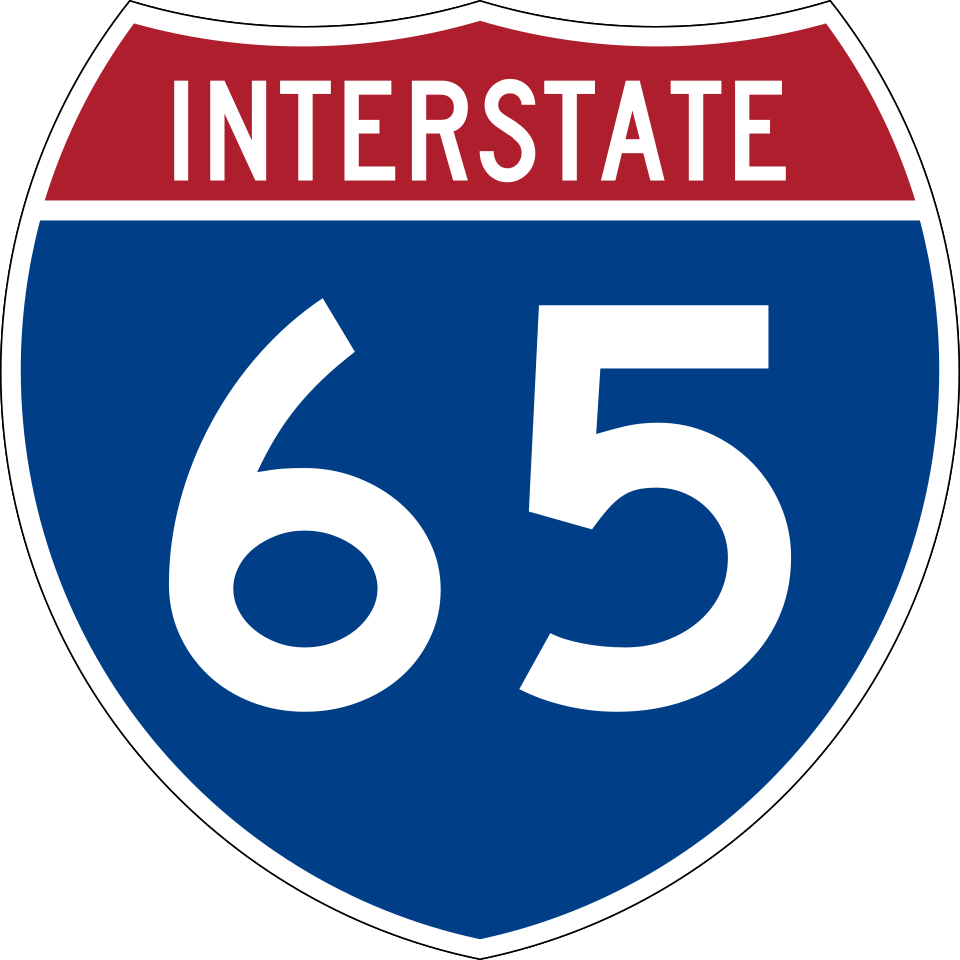
Major north-south freight corridor from Nashville through Louisville toward Indianapolis and Chicago. Consistent 800+ heavy vehicles daily, with peak consolidation movements 10 PM–7 AM from Kenco and other major DCs. Southbound grade approaching Tennessee line creates brake thermal stress; overheating failures are concentrated in this section. Emergency breakdown response on I-65 south is critical to prevent backup affecting downtown Louisville interchange.

4 exits in Louisville
East-west arterial through Louisville proper, connecting downtown to eastern suburbs and Frankfort (state capital). Secondary freight corridor; backup here extends into downtown local traffic. Less winter weather severity than interstates but significant urban congestion during day hours. Breakdown on US 60 often requires towing to avoid blocking arterial traffic flow.
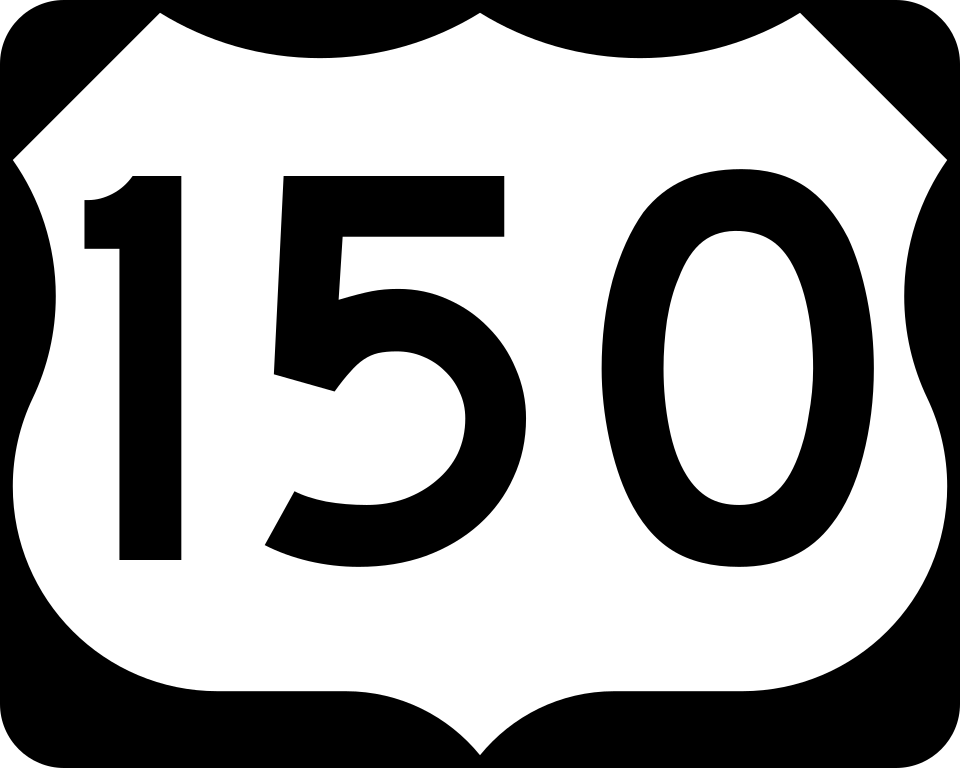
4 exits in Louisville
US 150 runs through the Louisville metro and is a common service-call corridor for the Louisville dispatch area.
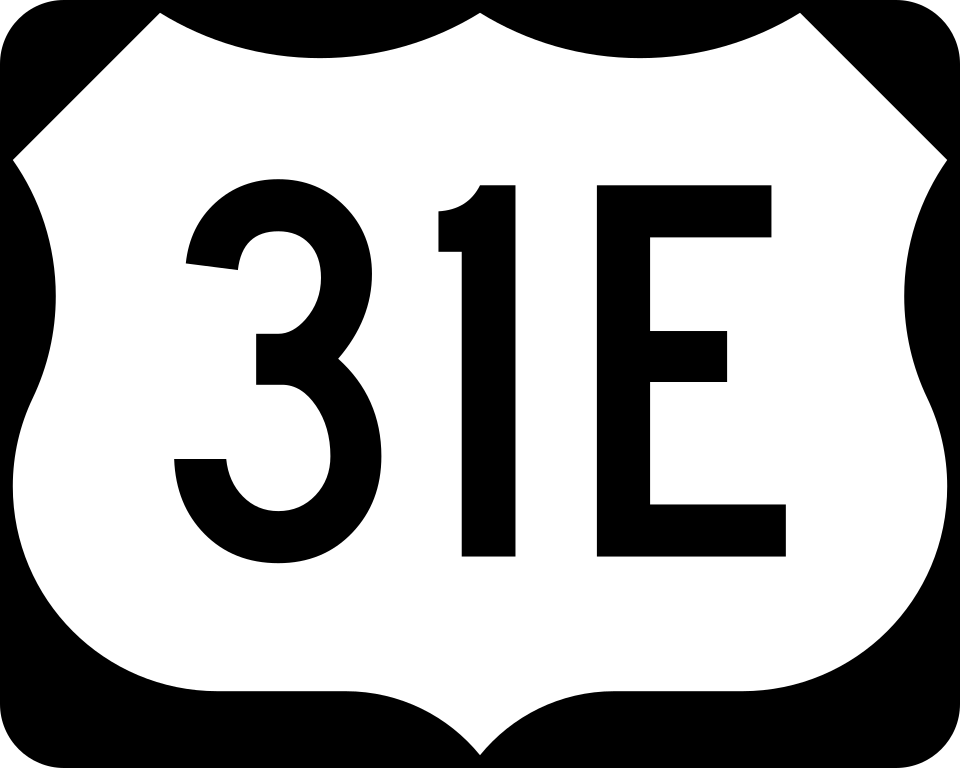
4 exits in Louisville
East Main Street runs through the Louisville metro and is a common service-call corridor for the Louisville dispatch area.
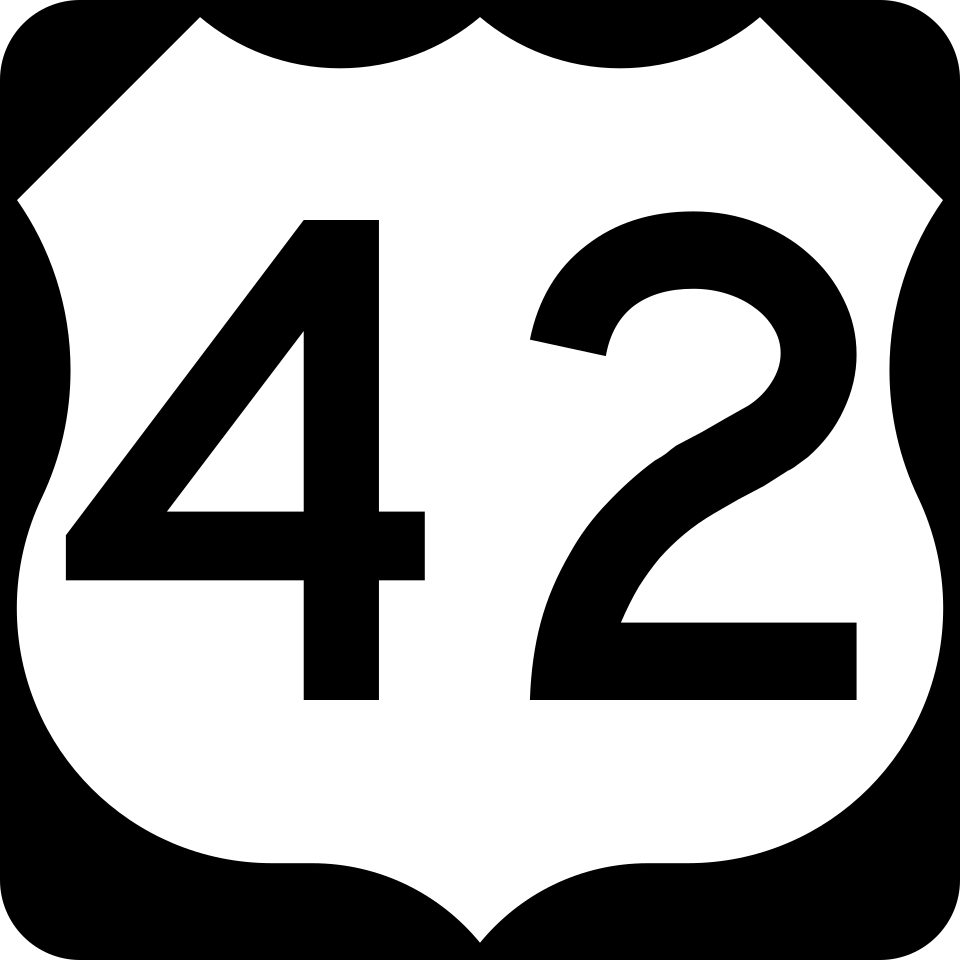
4 exits in Louisville
Northwest route connecting Louisville to northern suburbs and toward Indiana. Significant local traffic mixed with regional freight. Less critical than major interstates but important for load distribution during major incidents on I-64 or I-65 main approaches.
Patterns observed across recent dispatch data in this metro, by service type and corridor.
An 18-wheeler hauling automotive parts from Detroit to Nashville loses traction on the northbound I-64 bridge over the Ohio River during an unexpected ice storm at 7:45 AM. The trailer swings across two lanes; the driver corrects hard, the rig jackknifes, and lodges against the median barrier. Traffic backs up 4 miles on both sides within 10 minutes. RRN dispatch immediately coordinates with state police for lane closure, routes heavy-duty recovery with police escort, and manages backup flow. Recovery and debris clearance take 2.5 hours. Approximately $400,000 in downstream supply chain delays is incurred; RRN's rapid incident response kept delays from extending beyond 3 hours.
A fully-loaded refrigerated reefer hauling Kenco Logistics frozen goods southbound on I-65 encounters a 6% grade as elevation changes approaching the Tennessee line. The driver feels brake response degrading, sees brake temperature gauge climbing. RRN dispatch advises immediate pullover, routes a mobile brake specialist with cooling and replacement equipment. Technician performs emergency brake fluid flush, installs new brake pads, and verifies cold-down over 45 minutes. Load remains in temperature window; vehicle cleared for road without towing.
A reefer unit awaiting unload at Amazon Fulfillment Center SDF8 (Jeffersonville) develops hydraulic fluid seepage from transmission pan gasket during loading dock idle. RRN dispatch coordinates with SDF8 facility safety, routes a mobile transmission specialist within 15 minutes. Technician diagnoses leaking pan gasket, replaces with emergency replacement (kit in stock), and verifies seal integrity. Load transfer resumed within 75 minutes; no supply chain impact.
A reefer trailer hauling temperature-sensitive pharmaceutical product on I-264 experiences control panel arcing and begins smoking. Driver safely pulls to shoulder and evacuates. RRN dispatch alerts fire and emergency response, routes a mobile electrical specialist with fire suppression. Technician safely isolates power, confirms fire suppression, and replaces control panel with backup activation. Load transferred to backup reefer at nearby Exel facility within 90 minutes; no product loss.
Three tractors refueling at Pilot Travel Center in Shepherdsville develop fuel filter saturation and fuel-system alarms within 45 minutes of fueling. RRN dispatch fields hazmat alert, coordinates with Pilot facility management and state environmental response. Investigation reveals water ingress in Pilot's fuel tank supply. RRN's mobile fuel diagnostics team performs emergency fuel polishing on affected rigs (2-3 hours each), coordinates external fuel supply, and arranges Pilot tank system repair. Prevents fleet-wide contamination cascade.
A driver undergoes DOT roadside inspection at Love's Travel Stop in Memphis (25 miles south of Louisville) and is flagged for out-of-adjustment air brakes. RRN dispatch routes a DOT-certified air brake specialist who arrives within 50 minutes with full diagnostic and adjustment equipment. Technician performs complete air brake system inspection, adjusts brake stroke and pressure valve settings, restores compliance, and documents all work. Driver cleared for road within 1.5 hours without miss-delivery.
A locksmith opening a vehicle is doing the same physical act as a thief, separated only by verification. Here is what that means in Louisville, Kentucky.
A legitimate operator will ask for photo ID and registration, title, or comparable proof before opening a vehicle or cutting a key, and will document it. Anyone who does not ask is telling you what they would do for the next person who calls about your car.
Factory key codes are not public. Access runs through a credentialed vehicle-security registry that vets locksmiths, which is the safeguard that keeps all-keys-lost from being a theft service.
Some states license automotive locksmiths and require background checks; others do not regulate the trade at all. Insurance and bonding are the more universal signal — ask for both.
Professional entry does not break glass or damage the door. If an operator's first move is a punch or a slim jim on a modern vehicle, the resulting airbag or loom damage is on them.
Call 911 first. Many states grant civil immunity for forcing entry to a child or animal in danger, and heat inside a closed car rises far faster than most people expect.
Authority to open a vehicle you do not own comes from the registered owner or the fleet operator. A rental company or employer typically has to authorize the work directly.
Most Louisville calls are answered in about 36 minutes. You get a real time before anyone rolls, and the price before the work starts.
I-64, I-71, and I-65 form the backbone of Louisville's $4B+ annual freight ecosystem. Amazon SDF8, Kenco Logistics, Exel Global Logistics, and Lexmark/Ryder push product north to Chicago, east to Virginia, south to Nashville and Memphis, and west to St. Louis daily. A 6-hour breakdown on I-64 eastbound during daytime hours impacts delivery timelines for retailers across the Southeast and Midwest, estimated cost of delay is $280,000+ in cascading supply chain disruption. Bridge traffic (especially the I-64 Ohio River crossing) is the critical constraint: three lanes in each direction handle all north-south and east-west freight simultaneously. Any incident here triggers emergency response coordination with state police, HAZMAT teams, and emergency services. RRN dispatch operates at Tier-1 alert status during peak hours.
Louisville is the most populous city in the U.S. state of Kentucky, sixth-most populous city in the Southeast, and the 27th-most-populous city in the United States. By land area, it is the country's 24th-largest city; however, by population density, it is the 265th most dense city. Louisville is the historical county seat and, since 2003, the nominal seat of Jefferson County, on the Indiana state line.
Louisville is Kentucky's largest city and a Tier-1 logistics hub where three major interstate corridors: I-64, I-71, and I-65, converge at the Ohio River valley. The downtown interchange and bridges crossing the Ohio are among the most critical freight chokepoints in North America, moving freight destined for every major market from Nashville and Memphis north to Chicago and Detroit. Amazon's SDF8 fulfillment center, Exel Global Logistics, Kenco Logistics warehouses, and the Lexmark/Ryder distribution hub create 24/7 freight consolidation operations. Add UPS air operations and traditional LTL carriers, and Louisville's highways process 5,000+ heavy vehicles daily during peak hours.
Winter weather in Louisville is moderate compared to northern tiers but still treacherous in January–February: ice storms strike the I-64 bridges over the Ohio River with little warning, backup accumulates on both sides within minutes of a single breakdown, and visibility drops to near-zero on elevated sections. The Ohio River valley terrain means fog layering in early morning and late evening, compounding driver visibility and brake response challenges on bridge approaches. Spring flooding is a real concern; river stage monitoring is mandatory during March–April thaw. The I-64 eastbound grade toward Kentucky hills creates consistent brake thermal stress for heavy loads; overheating and brake fade incidents cluster on that approach.
RRN's verified rescuer network in Louisville includes specialized heavy-duty recovery teams, mobile diesel mechanics familiar with every major OEM powerplant, reefer specialists coordinating with Amazon and Kenco facilities, and 24/7 dispatch. Whether you break down on the I-64 Ohio River bridge during rush hour, blow a tire near the Exel distribution facility, or lose hydraulic pressure on I-65 southbound approaching the Tennessee line, our dispatch reaches you within 25–40 minutes with mobile repair capability or heavy-duty recovery. Louisville is a market where downtime cascades immediately to supply chains across six states. We staff for that reality.
Winter ice formation on the northbound bridge approach and elevated sections is routine December–February. Visibility drops to near-zero during freezing rain; a single breakdown cascades into a 4-mile backup within minutes. RRN maintains Tier-1 alert status on I-64 bridges during winter weather and pre-positions heavy-duty recovery assets. Incidents on the Ohio River bridges are priority-dispatch.
RRN has standing service agreements with Amazon SDF8, Kenco Logistics, and Exel Global Logistics. Mobile technicians are credentialed for facility access and can often repair equipment at dock areas or staging lots without towing. Dispatch maintains direct lines to facility operations managers to minimize supply chain impact and preserve load temperatures for reefer freight.
Yes. Hazmat transport on I-64 triggers enhanced dispatch protocols: immediate notification to Louisville Fire, INDOT, and state police. RRN's verified rescuers include hazmat-certified technicians with spill containment and specialized recovery equipment. We coordinate with environmental response teams and DOT hazmat specialists. All incidents are logged and reported per federal regulations.
December through February sees ice storm patterns and temperature drops that spike breakdown frequency by 40–60%. Most critical is January, when freeze-thaw cycles accelerate battery failures, transmission fluid gelation, and brake system contamination. RRN shifts resource allocation to winter-specific diagnostics: we pre-stage battery testing equipment, transmission fluid additives, and fuel gelling treatment kits at partner locations.
Downtown Louisville interchange (I-64, I-71, I-65 convergence) experiences 3,000+ vehicles per hour 6–8 AM and 4–6 PM. Any incident on main corridors during peak hours is priority-dispatch with maximum asset mobilization. RRN coordinates with state police for lane management and incident avoidance routing. We often tow disabled vehicles to secondary roads to prevent catastrophic backup extension.
Absolutely. Louisville's distribution centers (Amazon, Kenco, Exel) handle significant temperature-controlled freight daily. RRN's reefer specialists carry receiver-drier cartridges, refrigerant, compressor oil, and electrical replacement components. Most mobile reefer repairs (compressor service, control panel replacement, backup refrigeration activation) are completed roadside in 45–90 minutes.
That grade is a known brake overheating zone in July–August when ambient temperatures reach 95–100°F. Heavy loads and aggressive braking create thermal stress. RRN's brake specialists are trained in emergency brake cooling and emergency descent protocols. They can often restore brake functionality roadside or recommend safe descent procedures if brakes need extended cool-down time.
Pilot (Shepherdsville, Simpsonville, Memphis), Love's (Memphis, Shepherdsville), and Pacific Pride (Louisville proper) create a robust service network. RRN pre-positions mobile repair units at or near major truck stops, reducing initial response time to 15–25 minutes for breakdowns at or near stops. For roadway incidents between stops, response time extends to 30–40 minutes depending on highway and distance from dispatch center.
Louisville runs about 825,000 people and sits in Jefferson County, inside the Louisville Metropolitan Area (Jefferson County and surrounding). We take the call, find the closest crew that actually does this work, and tell you what it costs before anyone turns a wheel.
Coverage in surrounding cities and metros across the same network of verified rescuers.
The same verified network of providers, dispatched 24/7 across every major Kentucky metro and freight corridor.
Whether the truck is sitting in Louisville or out toward Cincinnati, it is the same phone number and the same crews. One call, day or night.
Road Rescue Network is actively recruiting verified lockout service providers in the Louisville metro. Heavy traffic, real fleet leads, no auction race-to-the-bottom, straight rescuer-to-customer dispatch with confirmed pricing.
We send Louisville lockout service calls directly to verified rescuers in your service radius. Apply once. Insurance & DOT verified. Live dispatch, fleet accounts, transparent pricing, no motor-club shave-down.
Deep-dive guide on choosing the right provider, common pitfalls, and what to expect on a service call.
OpenOpen positions at our network rescuers, full-time, part-time, and 1099 contract.
OpenOn-site photos from recent calls, see the work, not just the marketing.
OpenService trucks dispatch routinely to these locations across the metro freight corridors.


Local parts houses and diesel suppliers used by network mechanics for time-critical roadside repairs.
Major shippers, distribution centers, and industrial freight nodes generating outbound and inbound truck volume.
Three steps from the call to a cleared scene. Same flow whether you call from a fleet desk or the shoulder of an interstate.
Year, make, model, and whether any working key exists. That last answer is the whole price difference — a spare cut is routine, all-keys-lost is origination. And if a child or pet is inside, call 911 before you call anyone in Louisville.
We confirm the operator carries your blank and can program your immobilizer before dispatching, and you get entry, cutting, and programming as separate numbers. Nothing is worse than a Louisville tech arriving without the blank.
ID and registration checked, non-destructive entry, and every new key tested in the door and the ignition. A Louisville vehicle opened at 2 a.m. does not get left with a latch that no longer locks.
Network rescuers accept all major credit cards, fleet cards, and consumer payment apps. Confirmed at dispatch.