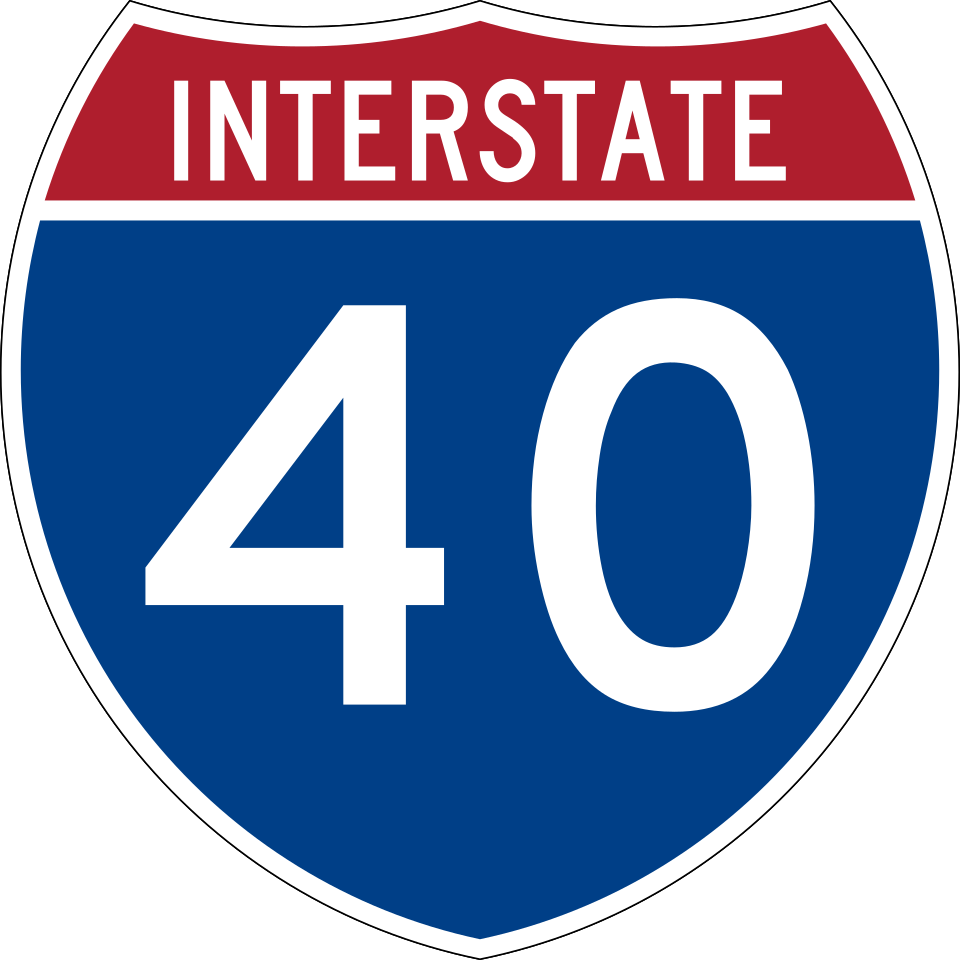
Wilmington's location at the convergence of the Cape Fear River, US-17, and the eastern terminus of I-40 makes it the most important deep-water freight gateway in the southeast that nobody talks about. Port of Wilmington drayage runs 24 hours, military and commercial container traffic punches through the Skyway Bridge cycle by cycle, and the I-40 corridor west toward Raleigh sees a steady drumbeat of refrigerated and dry-van movement. Road Rescue Network's Wilmington rescuers live this rhythm, and our average response time time inside the city beats the regional Carolinas heavy-duty benchmark on every service line we track.
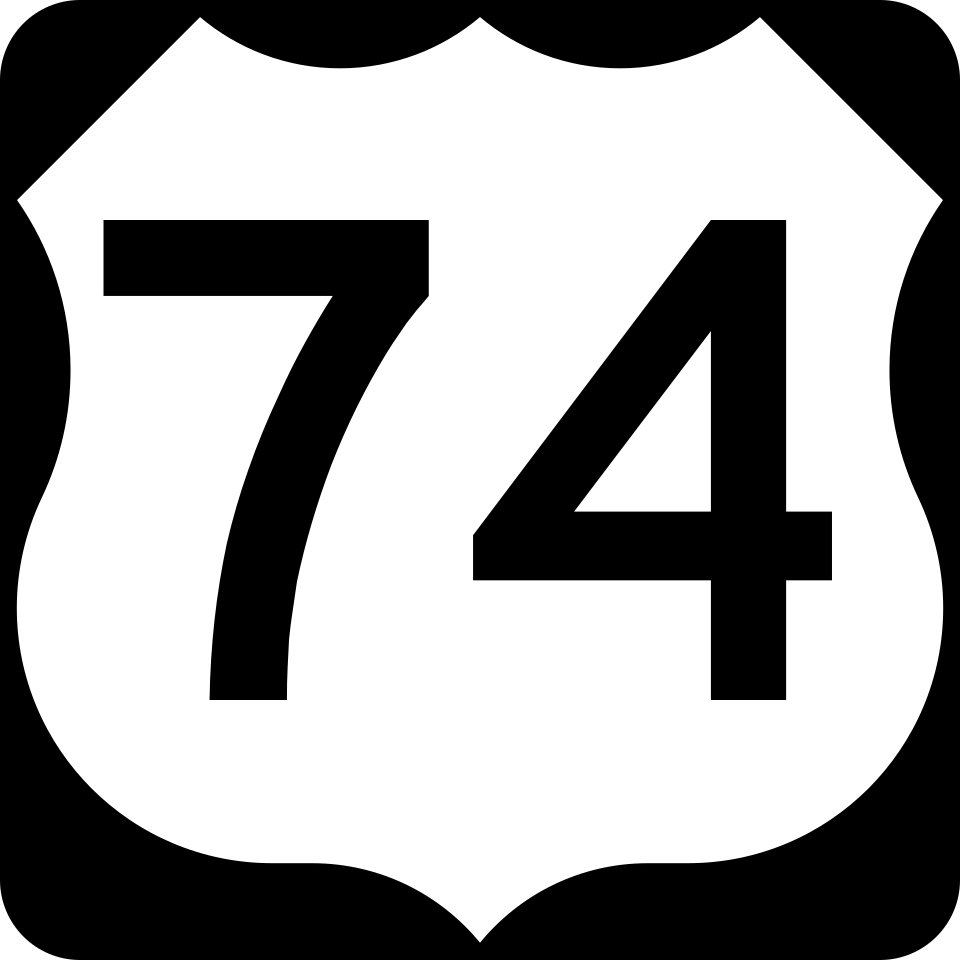
Anyone who has dispatched a truck through the Cape Fear region in September knows hurricane corridor logistics are not a marketing line. When a named storm sits offshore for three days, freight backlog explodes, and when the storm passes, the recovery window is unforgiving. Salt-air corrosion eats brake hardware faster here than in the Piedmont, and the beach-resort tourist surge from May through September fills US-17 and US-74 with RV traffic that turns simple breakdowns into multi-lane shutdowns. Our local mechanics carry stainless-steel hardware kits, salt-rated grease, and fast-cure poly tarps because eastern North Carolina is its own repair climate.
Whether you are a fleet manager dispatching from Charlotte with a drayage tractor stranded on the Cape Fear Memorial Bridge, or an owner-operator running US-17 to Myrtle Beach with a refrigerated load gone warm, the closest verified, insurance-current rescuer in our Wilmington network is one phone call away. Coordination with the New Hanover County Sheriff and NCSHP for safe-pullout protocol on the I-140 / US-17 corridor is handled by Road Rescue Network's 24/7 dispatch team.
Freight in and out of Wilmington is driven in large part by Port of Wilmington (NCSPA), GE Hitachi Nuclear Energy, Corning Optical Communications, PPD (Pharmaceutical Product Development), New Hanover Regional Medical Center (Novant), and nCino. When a truck serving one of them goes down, the delay is measured in downstream shifts rather than in hours, which is why our New Hanover County rescuers run around the clock.