Las Vegas, NV.
Las Vegas anchors the I-15 corridor between Los Angeles and Salt Lake City, the heaviest dedicated trade lane in the western US for retail-distribution and convention freight. The Strip and its 150,000-room hotel complex generate constant inbound food-service, beverage, and FF&E truckloads, while convention surge weeks like CES, MAGIC, World of Concrete, and SEMA push inbound freight volume up by 40 percent on a 5-day window. The North Las Vegas Speedway industrial corridor and the Apex Industrial Park anchor the metro's distribution and last-mile fleet base.
Every roadside service we run in Las Vegas
Featured Las Vegas Service Providers
Insurance-current network vendors with verified compliance, equipment, and live availability status.
Neon Strip Mobile Truck Repair
- 24/7 dispatch
- Fleet of 11
- 13 years in business
- Insurance verified
Silver State Commercial Tire
- 24/7 dispatch
- Fleet of 9
- 11 years in business
- Insurance verified
Apex Industrial 24/7 Recovery
- 24/7 dispatch
- Fleet of 13
- 12 years in business
- Insurance verified
Las Vegas NV Freight Corridors & Interstate Service Coverage
Each corridor has a dedicated breakdown landing page with service zones, exits, and recent dispatched jobs.

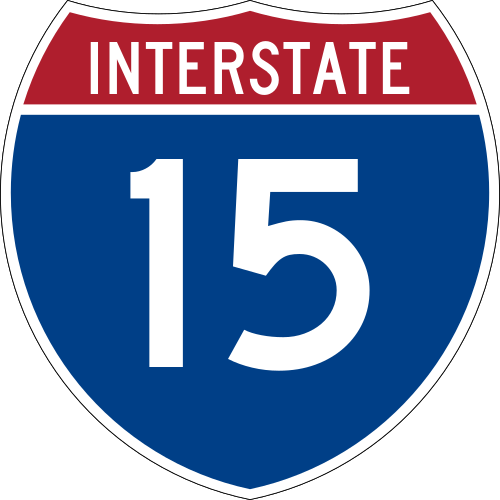
Interstate 15
16 exits in Las Vegas
The LA-to-Salt-Lake mainline and Las Vegas's primary north-south freight artery. Carries the densest volume of any rural interstate in the western US, with Friday afternoon peaks where bumper-to-bumper traffic can stretch from Sloan to Primm. Common breakdown zones at the Sloan summit climb, the Strip / Russell Rd interchange, and the Apex industrial cluster.

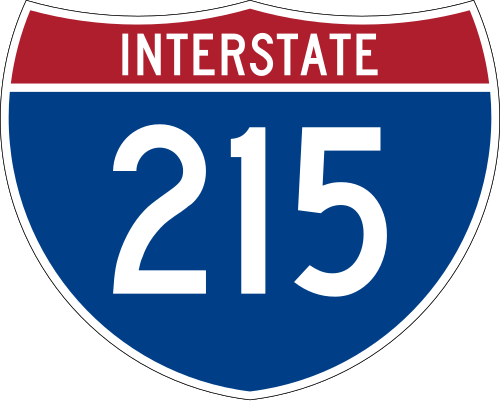
Interstate 215
22 exits in Las Vegas
The Bruce Woodbury Beltway, ringing the Las Vegas valley from Henderson through Summerlin and back to North Las Vegas. Heavy distribution-fleet truck volume around the Cheyenne / Decatur and Henderson Executive Airport interchanges. Common service points at the I-15 / I-215 split and the Las Vegas Blvd south interchange.

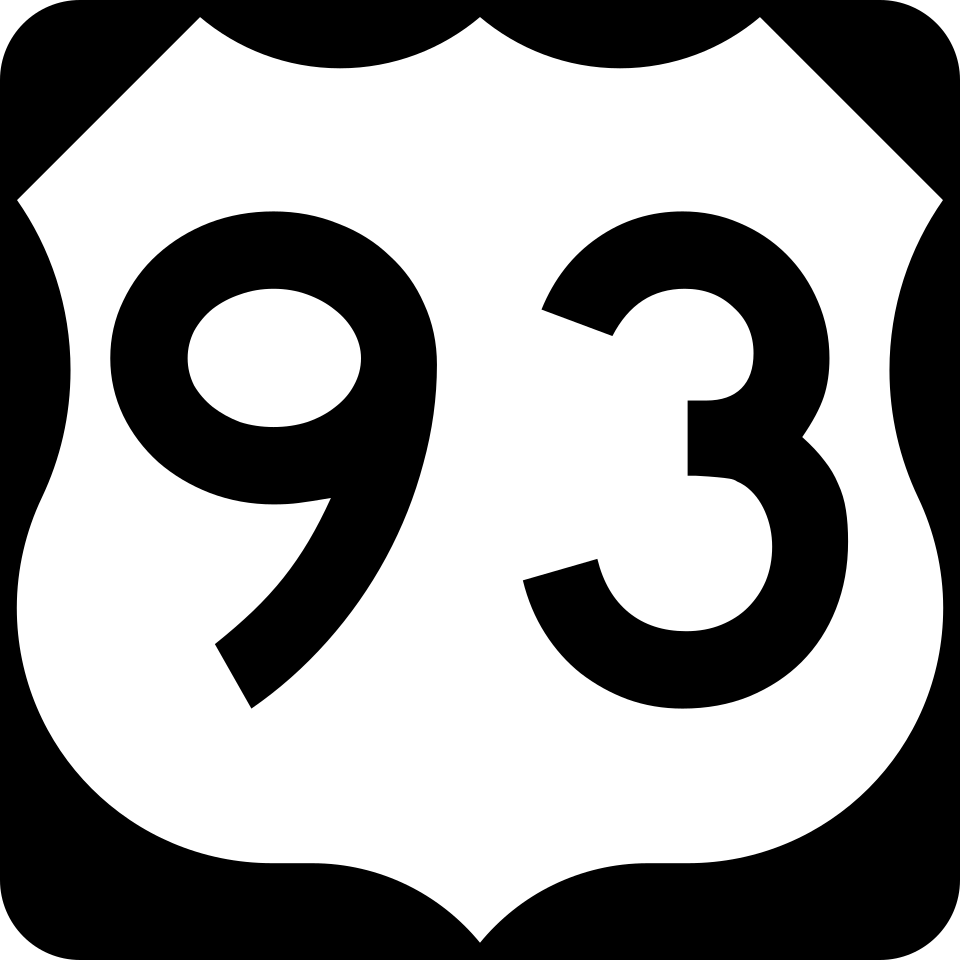
US Route 93
8 exits in Las Vegas
The Boulder City Expressway corridor, running south from the I-515 split to the Hoover Dam Bypass Bridge and onward to Phoenix. Steep grade descent into Boulder City, with chronic brake-fade calls on heavy southbound loads. Hoover Dam HAZMAT prohibition diverts hazmat freight to alternate corridors.

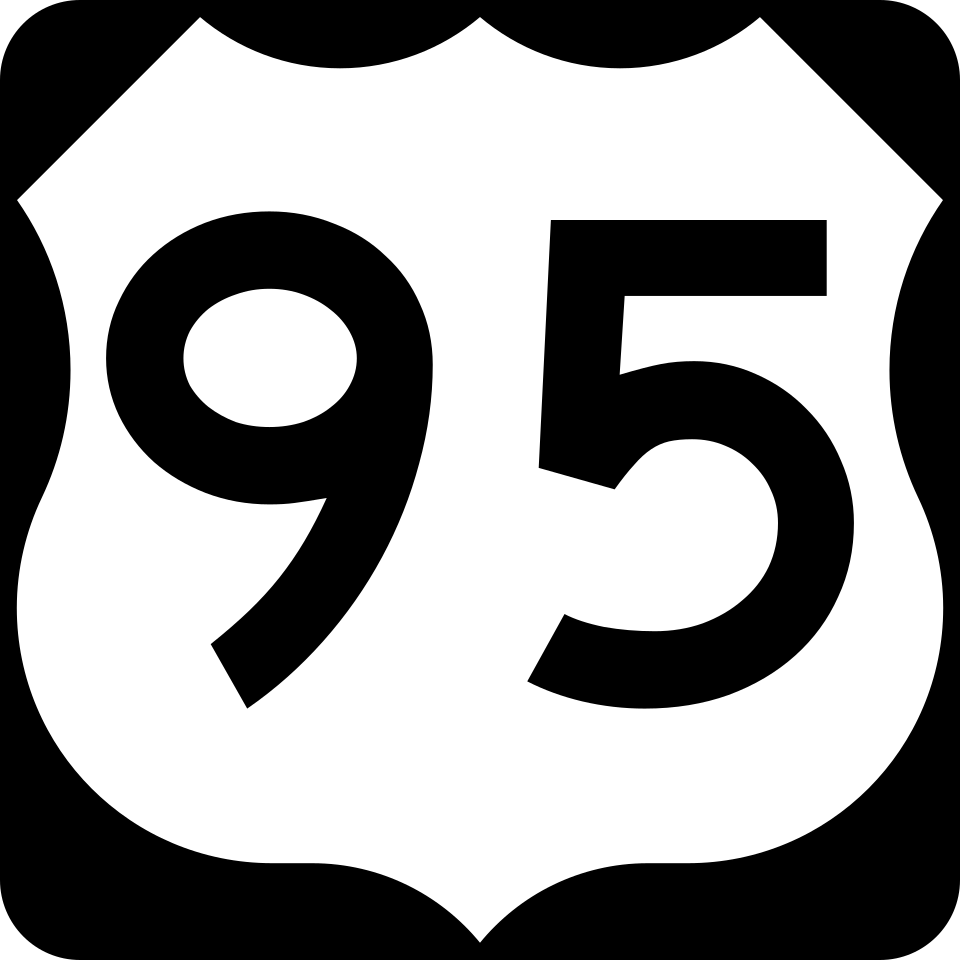
US Route 95
14 exits in Las Vegas
The northwest connector toward Tonopah and Reno, also signed as I-515 through downtown Las Vegas. Carries heavy industrial and aggregate truck freight from the North Las Vegas corridor; common service-call cluster at the US-95 / I-15 stack interchange (the Spaghetti Bowl).

Interstate 515
9 exits in Las Vegas
The downtown Las Vegas connector signed jointly as I-515 / US-93 / US-95, running from the Spaghetti Bowl interchange southeast through downtown to Henderson. Heavy commuter and convention-truck volume; common breakdown zones at the Eastern Ave and Charleston Blvd interchanges.

Nevada Route 159
5 exits in Las Vegas
The Blue Diamond Highway / Charleston Boulevard west extension, running from the I-15 corridor to Red Rock Canyon and Pahrump. Heavy aggregate-haul and limestone-quarry truck freight; common breakdown spots at the Blue Diamond mining operations and the Red Rock visitor-center bypass.
Las Vegas NV Trucking & Freight Industry Overview
Las Vegas anchors the I-15 corridor between Los Angeles and Salt Lake City, the heaviest dedicated trade lane in the western US for retail-distribution and convention freight. The Strip and its 150,000-room hotel complex generate constant inbound food-service, beverage, and FF&E truckloads, while convention surge weeks like CES, MAGIC, World of Concrete, and SEMA push inbound freight volume up by 40 percent on a 5-day window. The North Las Vegas Speedway industrial corridor and the Apex Industrial Park anchor the metro's distribution and last-mile fleet base.
Las Vegas, colloquially shortened to Vegas, is the most populous city in the U.S. state of Nevada and the seat of Clark County. It is the 24th-most populous city in the United States, with 641,903 residents at the 2020 census. The Las Vegas metropolitan area has an estimated 2.4 million residents and is the 29th-largest metropolitan area in the country. Las Vegas is an internationally renowned major resort city, known primarily for its gambling, shopping, fine dining, entertainment, and nightlife. Most of these venues are located in downtown Las Vegas or on the Las Vegas Strip, which is outside city limits in the unincorporated towns of Paradise and Winchester. The Las Vegas Valley serves as the leading financial, commercial, and cultural center in Nevada.
Anyone who has dispatched a truck through Las Vegas in July knows the difference 110 degrees on the asphalt makes to a freight schedule. A reefer compressor or steer-tire failure on I-15 between the California state line and Sloan summit at 2 p.m. on a 113-degree day can cost a load if the response time slips past 45 minutes. Road Rescue Network's Las Vegas vendors are pre-positioned across the Strip corridor, North Las Vegas, Henderson, and the Apex industrial belt, with response times built around the reality that Las Vegas heat, convention surge weeks, and the Friday I-15 LA-Vegas peak are operationally unlike any other freight market in the country.
Las Vegas freight has a heat envelope that exists nowhere outside Phoenix and Death Valley. Late-July afternoons routinely run 108 to 117 degrees, and the asphalt skin temperature on I-15 climbs another 30 degrees on top of that. Cooling-system failures, A/C-compressor seizures, blown coolant hoses, and steer-tire blowouts cluster in the 1 p.m. to 7 p.m. peak heat window from June through September. Layer convention surge weeks like CES and SEMA on top, and you have a freight market that punishes any equipment that is not maintained at a high standard.
Whether you are a fleet manager dispatching from Ontario CA with a truck stranded on the climb out of the Mojave at the California-Nevada line, or an owner-operator hauling exhibit freight onto the Las Vegas Convention Center West Hall during a CES setup window, the closest verified, insurance-current Road Rescue Network vendor is reached through a single phone call or service request. Coordination, dispatch, and ETA confirmation are handled by Road Rescue Network's 24/7 operations team.