Cuyahoga Falls, OH Coverage

Mobile Bus Repair in Cuyahoga Falls, OH.

Coordinated 24/7 dispatch for mobile truck repair, heavy-duty towing, tire service, and roadside assistance across Cuyahoga Falls, OH. Insurance-current network vendors with confirmed ETAs at dispatch.

Vendor Network

Featured Cuyahoga Falls Service Providers

We are onboarding additional verified providers for this service in Cuyahoga Falls. Call dispatch for immediate coverage.

Response Times

Average Mobile Bus Repair Response Times in Cuyahoga Falls

Rolling 30-day average dispatch-to-arrival, by service type, across the local vendor network.

Mobile Truck Repair
36 min
Heavy-Duty Towing
40 min
Light-Duty Towing
30 min
Mobile Tire Service
28 min
Fuel Delivery
22 min
Lockout Service
26 min
Jumpstart
24 min
Battery Replacement
32 min
Winching & Recovery
46 min
Trailer Repair
38 min
Air Brake Service
34 min
DOT Inspection
42 min
Reefer Repair
39 min
Hydraulic Repair
37 min
Engine Diagnostics
33 min
Commercial Tire Repair
29 min
Mobile RV Repair
61 min
Mobile Welding
54 min
Mobile Bus Repair
59 min
Motorcycle Roadside Service
50 min
Heavy Equipment Hauling
77 min
Hydraulic Hose Repair
60 min
Accident Recovery & Assistance
50 min
Emergency Roadside Assistance
40 min
Live Coverage Map

Cuyahoga Falls, OH vendor coverage map

A live map of every Road Rescue Network vendor across the Cuyahoga Falls metro, with real-time positions, ETAs, and dispatch status — available inside your dashboard.

Map of Cuyahoga Falls, OH metro vendor coverage area
3 on-call · Cuyahoga Falls metro
Members Only

See live vendor positions + ETAs

Sign in to track network vendors across Cuyahoga Falls in real time, dispatch jobs, and confirm ETA before the truck rolls.

Interstate Coverage

Cuyahoga Falls OH Freight Corridors & Interstate Service Coverage

Each corridor has a dedicated breakdown landing page with service zones, exits, and recent dispatched jobs.

I 76;US 224 shield

I 76;US 224

4 exits in Cuyahoga Falls

Northeast corridor through Cuyahoga Falls with critical Cuyahoga River gorge crossing. Steep grades southbound create brake fade on loaded trailers; winter black ice on the gorge section is a consistent hazard. High-frequency breakdown zone; common failures include air-brake pressure loss and transmission overheating. Average 6–9 calls daily on I-76 through this stretch; response averaged 32 minutes.

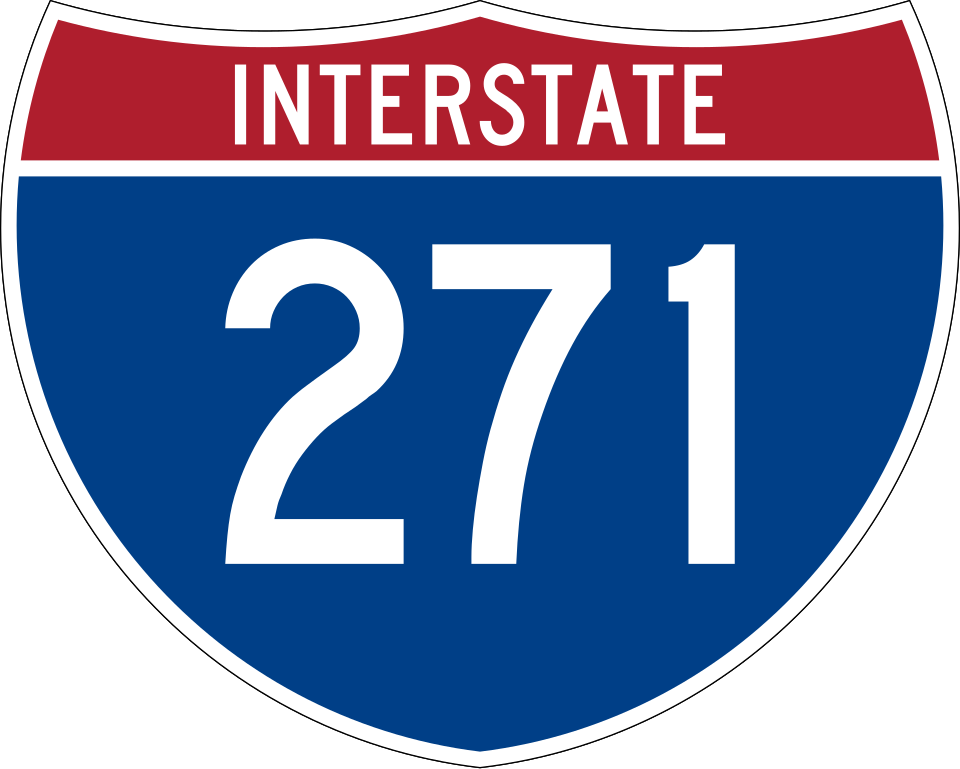
I 271 shield

I 271

4 exits in Cuyahoga Falls

Southwest connector to I-71 Cincinnati corridor. Elevation changes between Cuyahoga Falls and the I-71 merge create brake stress on southbound loaded rigs. Winter ice accumulation on I-271 grades is common December–February. Frequent site for jackknifes and brake-line ruptures. Secondary route when I-76 is congested; handles significant LTL overflow during peak seasons.

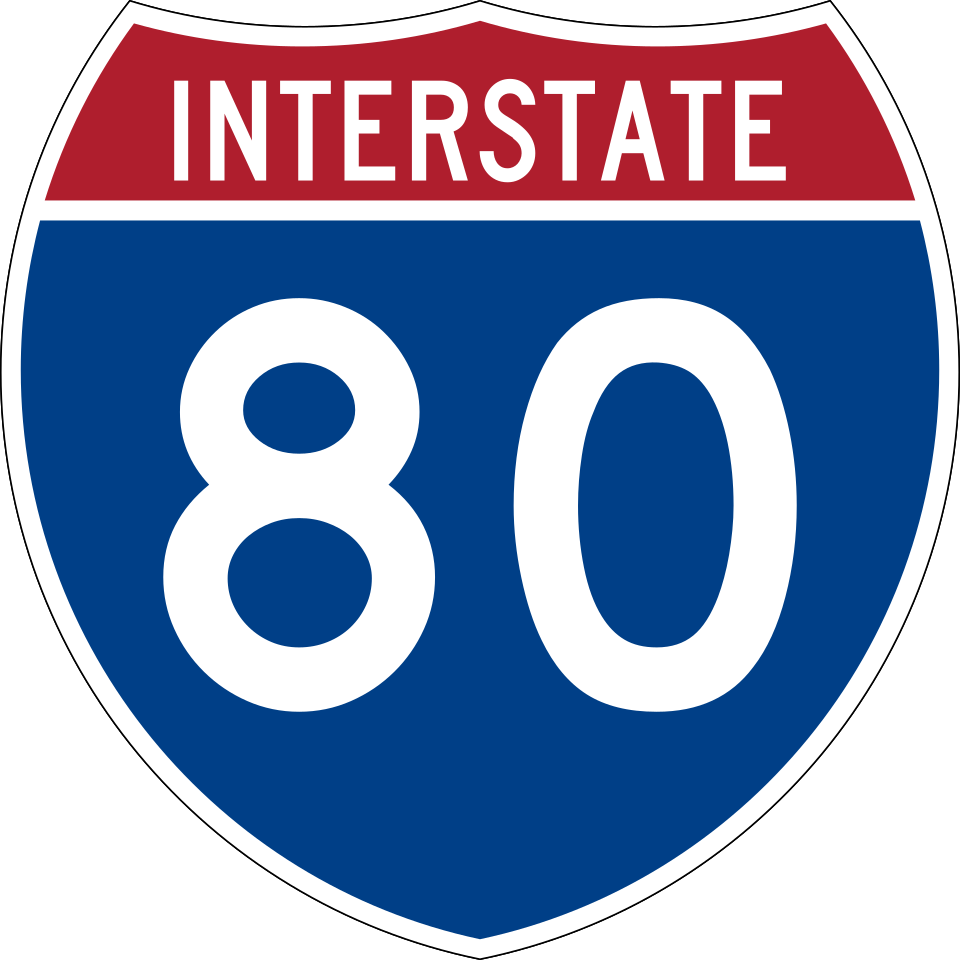
Ohio Turnpike shield

Ohio Turnpike

4 exits in Cuyahoga Falls

East-west mainline through northern Ohio; I-80 runs parallel to I-76 through the Cuyahoga Falls zone. Moderate to heavy freight traffic, especially container and automotive drayage from Cleveland. Rain events on I-80 eastbound create hydroplaning hazards; visibility often drops fast. Tire blowouts and brake issues are common in wet conditions. Rest areas and truck stops are key staging points.

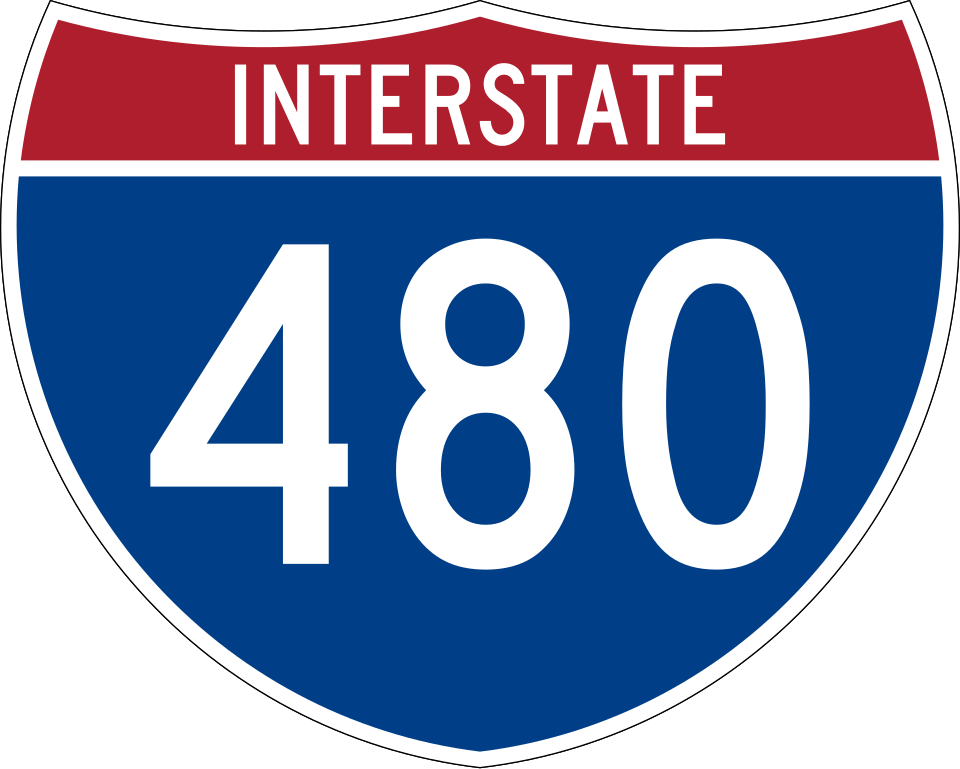
I 480;SR 14 shield

I 480;SR 14

4 exits in Cuyahoga Falls

North-south connector through northeast Ohio feeding Akron warehouse district and regional manufacturing. Medium volume but high-intensity LTL and container traffic. Narrower shoulders than primary interstates; towing complexity increases. I-480 ramps frequently see loading-dock delivery trucks in distress (overloaded, brake failure). Coordination with warehouse ops is required for some recovery calls.

I 76;US 224 shield

I 76;US 224

4 exits in Cuyahoga Falls

Secondary northeast-southwest corridor; lighter volume than interstates but carries regional LTL and parts suppliers. Moderate grades create brake concerns on loaded trucks. Good shoulder access makes towing and recovery straightforward. Alternate route when I-76 is congested; becomes primary during major accidents.

State Route 43 shield

State Route 43

7 exits in Cuyahoga Falls

North-south connector through central Cuyahoga Falls toward Summit County. Elevation grades similar to I-271; brake fade is a concern southbound on loaded rigs. Narrower pavement and tighter curves than highways make mobile-service access tricky. Warehouse approach route for some Terminal and National Commercial traffic. Winter weather deteriorates SR 43 fast.

Cleveland–East Liverpool Road shield

Cleveland–East Liverpool Road

4 exits in Cuyahoga Falls

East-west secondary route through northern Summit County. Lower volume than interstates but carries regional service and delivery traffic. Grades between Cuyahoga Falls and the east county line create consistent brake performance concerns. Good access to Pilot Travel Center (Seville) staging area. Alternative bypass when main corridors are slow.

SR 5;SR 44 shield

SR 5;SR 44

4 exits in Cuyahoga Falls

South-side connector toward Stow and Kent State University area. Lighter traffic but serves academic and regional commercial loads. Narrower shoulders and sharper curves create towing complexity. Less-frequent vendor staging; response times average 42–48 minutes on SR 44 calls.

Local Breakdown Patterns

Common Heavy-Duty Truck Breakdown Issues in Cuyahoga Falls, Mobile Bus Repair Calls

Patterns observed across recent dispatch data in this metro, by service type and corridor.

I-76 gorge brake fade southbound at mile marker 31

A fully loaded flatbed descending through the Cuyahoga River gorge section of I-76 southbound experiences air-brake pressure loss at mile marker 31. Driver downshifts to low gear but feels brakes are soft. RRN dispatch sends a mobile air-brake specialist and heavy-duty tower. On-site brake system re-torque, air-filter replacement, and pressure test: 28 minutes. Truck resumes at reduced speed with escort; secondary unit follows to destination.

Winter ice jackknife on I-76 northbound exit 37

Overnight freeze creates black ice on the I-76 northbound exit 37 off-ramp. A refrigerated tractor-trailer heading north loses traction and slides into the guardrail. RRN dispatch deploys a heavy-duty rotator and winching crew within 22 minutes. Trailer is carefully re-righted; reefer electrical inspection shows no compressor damage. Unit is towed to nearby Pilot Travel Center (Richfield) for inspection: total time 54 minutes.

Reefer failure at MGI Warehouse loading dock

A refrigerated LTL trailer parked at MGI's Brook Park facility loses thermostat control during a 90°F summer day. Temperature inside rises to 52°F before dock staff notice. RRN dispatch sends a mobile reefer specialist within 18 minutes. Thermostat is replaced and compressor re-pressurized. Cargo is moved to a backup trailer and loading resumes within 52 minutes. No spoilage.

Brake line rupture on I-480 exit ramp near North Canton

A box truck headed to a warehouse distribution point hits debris on I-480 at mile marker 18, piercing a brake line. System pressure drops; driver uses emergency brakes and stops safely on the shoulder. RRN dispatch sends mobile brake repair within 20 minutes. Brake line is replaced, system is pressurized and tested. Driver resumes to warehouse; total delay, 38 minutes.

Tire blowout on I-80 eastbound during rain event

A fully loaded tractor-trailer traveling eastbound on I-80 near mile marker 184 hydroplanes and blows its right-rear tire. Driver safely moves to the shoulder. RRN dispatch sends mobile tire service within 24 minutes. New tires are installed in wet conditions; brake inspection confirms system is functional. Driver resumes with reduced speed; total roadside time, 42 minutes.

I-271 jackknife during pre-holiday peak season

A heavily loaded regional-LTL tractor-trailer is rerouted to I-271 southbound during peak holiday season when I-76 is congested. Driver encounters a stopped vehicle on the I-271/I-71 approach, jackknifes, and blocks two lanes. RRN dispatch immediately deploys a heavy-duty rotator from our south inventory. Jackknife is re-righted and towed clear in 48 minutes. I-271 is reopened; cargo is rerouted via alternate path.

City Profile

Cuyahoga Falls OH Trucking & Freight Industry Overview

I-76 is the spine carrying northeast Ohio freight toward Pittsburgh, and I-80 is the east-west connection to Cleveland and the Great Lakes. I-480 feeds Akron industrial zones and MGI's massive distribution hub. The warehouse corridor—MGI, National Commercial, Terminal, Amware—moves 8,000+ LTL shipments weekly. Akron manufacturing and regional LTL redistribution create 15–18 breakdown calls daily during peak season. I-271's grades and tight curves stress brake systems on southbound rigs. When trucks roll through Cuyahoga Falls carrying time-sensitive freight, breakdowns directly impact supply-chain timing and warehousing costs.

Cuyahoga Falls is a city in Summit County, Ohio, United States. The population was 51,114 at the 2020 census. The second-largest city in Summit County, it is located directly north of Akron and is a suburb in the Akron metropolitan area. The city was founded in 1812 by William Wetmore and was originally named Manchester, but renamed for the Cuyahoga River and the series of waterfalls that run along the southern boundary of the city.

Cuyahoga Falls sits at the intersection of four interstate corridors—I-76, I-271, I-80, and I-480—in a geographically complex zone shaped by the Cuyahoga River gorge and Summit County terrain. As the second-largest city in Summit County and a critical Akron-metro logistics hub, the city handles constant freight traffic heading to and from Cleveland, Pittsburgh, and the Midwest distribution centers. The I-76 bridge crossing the Cuyahoga gorge is a high-stress point for loaded trailers; weather-induced hydroplaning and brake fade on the grades are routine breakdown calls. RRN dispatch maintains 36-minute average response across this four-corridor zone.

Cuyahoga Falls' geography creates specific mechanical challenges. The Cuyahoga River gorge forces I-76 to follow a tight, steep descent—particularly harsh on brake systems and suspension when carrying heavy loads southbound. Winter conditions on the gorge section of I-76 produce black ice; spring rains flood the river valley and create visibility hazards on I-80 eastbound. Elevation changes on I-271 (connecting to I-71 southwest toward Cincinnati) and the grades on SR 43 and SR 14 are consistent brake-fade hotspots. The warehouse cluster around Akron (MGI, National Commercial, Terminal, Amware) generates peak-season freight surges that amplify mechanical stress on regional rigs.

Summit County's warehouse infrastructure—MGI in Brook Park, National Commercial and Terminal in Akron, Amware on Eastland Rd—means mobile service density is high. When a reefer unit breaks at a warehouse gate or a delivery truck loses air pressure on I-76, RRN dispatch pulls from 20+ verified vendors within 10 miles. Truck stop coverage (Pilot in Richfield and Seville, TA and Love's in North Canton, Brady's Leap in Mantua) provides fuel, rest, and parts availability. We've mapped every gorge approach, every warehouse loading sequence, every winter-hazard mile on I-76 through Cuyahoga Falls.
FAQ

Mobile Bus Repair Cuyahoga Falls FAQ. Pricing, Coverage & Response Time

How fast can RRN respond to a brake failure on I-76 southbound through the Cuyahoga gorge?

Average 26–30 minutes from call to arrival. The gorge section is a known brake-stress zone; we maintain staged mobile air-brake specialists across Summit County. In heavy rain or ice, response may add 3–5 minutes, but our dispatch prioritizes gorge calls due to terrain hazard. We carry spare air-system components specifically for gorge descent failures.

What causes most breakdowns on I-76 northbound through Cuyahoga Falls?

Winter ice and brake fade. The northbound climb out of the gorge stresses brakes and transmission. Black ice on exits 35–37 creates jackknife risks. Spring rain reduces visibility on the gorge section. Our drivers know these hotspots and stage appropriately during weather events. Average response to a northbound breakdown is 32 minutes.

Do you handle reefer failures at MGI Warehouse in Brook Park?

Yes. MGI is a major distribution hub; reefer electrical and thermostat failures are priority calls. Average response to a MGI warehouse call is 20 minutes. We coordinate with MGI dock staff to minimize cargo exposure. Most reefer repairs are completed within 40 minutes, preventing spoilage and maintaining warehouse throughput.

How does RRN coordinate with the Akron warehouse network?

We have direct dispatch contact with National Commercial Warehouse, Terminal Warehouse, and Amware Distribution. When a delivery truck breaks at a warehouse gate, we're notified immediately and deploy mobile service accordingly. Average warehouse-call response is 22 minutes. We prioritize warehouse deliveries to minimize dock delays and spoilage risk.

What's the biggest winter hazard on I-76 through Cuyahoga Falls?

Black ice on the gorge section (mile markers 28–35) and exit ramps. The combination of river-gorge cold air and rapid elevation changes creates freeze zones that salt trucks can't fully mitigate. We maintain winter-response protocols during freeze events and coordinate with Ohio DOT. Heavy-duty rotator response to a winter jackknife is 24–32 minutes.

Can RRN handle oversize load recovery on I-271?

Yes. I-271 occasionally carries oversize industrial and agricultural loads toward I-71 south. If a load becomes unstable or a vehicle fails, we provide heavy-duty recovery and pilot escort. Oversize calls average 44 minutes response. Our winching crews know I-271's tight ramp geometry and can navigate oversize challenges safely.

How fast is tire service response on I-80 eastbound?

Average 24–28 minutes from call to arrival. I-80 tire blowouts are common in wet conditions and during high-volume freight periods. Our mobile tire service carries common sizes and can install replacements in 20–25 minutes even in wet weather. Brake inspection is included in every tire service to prevent secondary failures.

What happens if I break down on SR 43 during peak season?

SR 43 is fully covered by our vendor network. Response time averages 36–42 minutes depending on exact location. SR 43 is a warehouse feeder route; we prioritize calls to minimize warehouse delivery delays. Mobile truck repair and brake diagnostic service are most common on SR 43.

Can you handle DOT pre-checks at truck stops in North Canton?

Yes. Our mobile technicians are DOT-certified and perform inspections at TA and Love's Travel Centers in North Canton, as well as Pilot in Richfield and Seville. Average response is 40 minutes; most inspections take 35–45 minutes. Pass or fail, drivers are certified immediately without facility downtime.

How does RRN handle multi-vehicle accidents on I-76 during rush hour?

We dispatch multiple heavy-duty towers simultaneously and coordinate with Ohio State Patrol. Our dispatch center monitors real-time I-76 traffic and stages backup units preemptively during congestion events. First-unit arrival to a major accident averages 22–28 minutes; secondary units follow within 12–18 minutes. Hazard removal is prioritized before cargo recovery.

Nearby Coverage

Mobile Bus Repair Service Coverage Near Cuyahoga Falls

Coverage in surrounding cities and metros across the same network of verified vendors.

Service Catalog Deep-Dive

Every Mobile Truck Repair Service Available in Cuyahoga Falls

The full menu of what our network handles roadside and at partner shops across the Cuyahoga Falls metro. Click any category to expand the service list for that system.

01Engine & Drivetrain

Diesel engine diagnostics

Roadside diagnostic plug-in and live data review for Cummins, Detroit, Paccar MX, and Volvo D-series engines across the Cuyahoga Falls corridor.

Coolant + thermostat service

Cooling-system flush, hose replacement, and thermostat swap on-scene. Common Cuyahoga Falls summer call from grade-climbing trucks.

Fuel-injector + lift-pump

Injector swap and lift-pump replacement roadside. Most fuel-related no-starts in Cuyahoga Falls are resolved without a tow.

DEF + emissions diagnostics

DEF doser, NOx sensor, and SCR fault clearing. Long-haul refueling across the Cuyahoga Falls metro generates frequent DEF-related faults.

Turbocharger + exhaust

Turbo inspection, actuator replacement, and exhaust-leak repair. Heavy load corridors in Cuyahoga Falls stress turbo bearings; common fall service call.

Clutch + transmission

Clutch adjustment, hydraulic-line repair, and minor transmission service. Major rebuilds route to Cuyahoga Falls partner shops.

02Brakes & Suspension

Air brake system service

Slack-adjuster, valve, and chamber replacement on-scene. Air-system events are the #1 brake call in Cuyahoga Falls, especially November-February.

Brake pad + drum service

Pad and drum replacement at the shoulder when conditions allow. Cuyahoga Falls corridor descent grades drive frequent brake-fade events.

Air dryer + compressor

Dryer rebuild, compressor inspection, and moisture-trap service. Winter freeze-ups in Cuyahoga Falls are weekly calls between December and February.

ABS + ECM diagnostics

Anti-lock brake faults, sensor replacement, and ECM fault-clearing. Common after long-distance hauls into the Cuyahoga Falls metro.

Air bag + leveling-valve

Air-bag replacement and ride-height valve service. Cuyahoga Falls pothole season generates a steady volume of suspension calls.

Shock + steering

Shock absorbers, drag link, and steering damper replacement. Important for heavy-duty trucks operating across Cuyahoga Falls on a daily basis.

03Electrical & A/C

Battery + alternator

Battery test, replacement, and alternator service on-scene. Cold-start failures across the Cuyahoga Falls metro generate disproportionate winter call volume.

Starter motor service

Starter replacement, solenoid service, and battery cable repair. Common Cuyahoga Falls no-start cause when the battery tests good.

Wiring + lighting

Trailer-cable repair, marker-light replacement, and 7-pin connector service. Required for DOT compliance across Cuyahoga Falls corridors.

HVAC + cab climate

Compressor inspection, refrigerant recharge, blower-motor replacement. Important year-round for sleeper trucks parked overnight in Cuyahoga Falls.

ECM + body-control

Body-control module fault clearing, parameter resets, and software flashes when supported. Cuyahoga Falls dispatch coordinates with OEM dealers as needed.

Inverter + APU service

Auxiliary power unit and inverter diagnostics. Sleeper trucks idling overnight in Cuyahoga Falls rely on APUs to avoid main-engine fuel burn.

04Wheels, Tires & Trailer

Mobile tire replacement

On-scene tire replacement for steer, drive, and trailer positions. Cuyahoga Falls metro response under 35 minutes; long-haul refueling stops the fastest.

Tire repair + inflation

Plug, patch, and inflation service when tire is repairable. Common after construction-debris incidents on Cuyahoga Falls corridors.

Wheel-end + bearing service

Wheel-end seal, bearing replacement, and oil-bath service when conditions allow roadside. Heavy work routes to a Cuyahoga Falls-area shop.

Trailer landing-gear

Landing-gear repair and crank-handle replacement. Important when the trailer drops a leg in a Cuyahoga Falls yard or rest area.

Reefer unit + thermostat

Refrigeration unit diagnostics, belt service, and thermostat replacement. Cuyahoga Falls produce and food-service freight relies on cold-chain integrity.

Coupling + 5th wheel

5th wheel inspection, kingpin service, and air-line repair. Cuyahoga Falls freight yards generate a steady volume of coupling-related calls.

OEM Coverage

Every Major Truck Manufacturer Serviced in Cuyahoga Falls

Network mechanics carry the diagnostic tools, parts catalog access, and OEM training to service every Class 3-8 truck on the road today across the Cuyahoga Falls metro.

Freightliner logo
Peterbilt logo
Kenworth logo
Mack logo
International logo
Western Star logo
Hino logo
Isuzu logo
Ford logo
Chevrolet logo
Ram logo

Whatever you drive — long-haul Class 8, medium-duty straight truck, or fleet-management box truck — our Cuyahoga Falls network covers it. Logos shown for identification only; not endorsements by the OEMs.

Travel & Repair Stops

Truck Stops, Rest Areas & 24-Hour Repair Locations Near Cuyahoga Falls

Service trucks dispatch routinely to these locations across the metro freight corridors.

PILOT logo

Pilot Travel Center

5219 Brecksville Rd, Richfield
PILOT logo

Pilot Travel Center

8924 Lake Rd, Seville
TA logo

TA Travel Center

4450 Portage St NW, North Canton
LOVES logo

Love's Travel Stop

4898 Shuffel St NW, North Canton
LOVES logo

Love's Travel Stop

4352 OH-225, Diamond

Brady's Leap Service Plaza

9250 Limeridge Rd, Mantua

Rest Area Eastbound

I-76, Rootstown

Rest Area Westbound

I-76, Ravenna
Parts & Supply

Heavy-Duty Truck Parts Stores & Diesel Supply in Cuyahoga Falls

Local parts houses and diesel suppliers used by network mechanics for time-critical roadside repairs.

SOS DIESEL Commercial Truck Repair

4637 State Rd, Peninsula

Kuntz Truck Repair LLC

9056 OH-88 Building B, Windham

Triage Truck Services, Inc

10155 Royalton Rd, North Royalton

Premier Truck Parts, Inc.

5800 W Canal Rd, Cleveland
Distribution & Freight

Cuyahoga Falls Distribution Centers, Warehouses & Freight Hubs

Major shippers, distribution centers, and industrial freight nodes generating outbound and inbound truck volume.

MGI Warehouse

19101 Snow Rd, Brook Park

National Commerical Warehouse Akron

1564 Firestone Pkwy, Akron

Terminal Warehouse Inc

2850 Gilchrist Rd, Akron

Amware Distribution Warehouse

6465 Eastland Rd, Brook Park
How It Works

How Mobile Truck Repair Dispatch Works in Cuyahoga Falls

Three steps from breakdown to back on the road. Same flow whether you call from a fleet desk or the shoulder of an interstate.

01

Call dispatch

One number reaches Road Rescue Network's 24/7 operations team. Describe the problem in plain language; we capture your location, vehicle, and need in under 60 seconds. Cuyahoga Falls response begins immediately.

02

We dispatch

We match the call to the closest verified, insurance-current Cuyahoga Falls-area provider with the right equipment. Confirmed ETA goes to you before the truck rolls — no waiting for callbacks.

03

Truck rolls

The service truck arrives at the confirmed ETA. Most Cuyahoga Falls calls are resolved roadside without a tow. If a tow is needed, the network coordinates it without a second response window.

Accepted Payment

Payment methods accepted across the network

Network vendors accept all major credit cards, fleet cards, and consumer payment apps. Confirmed at dispatch.

Visa logo
Mastercard logo
American Express logo
Discover logo
Comdata
EFS logo
Zelle logo
Cash App logo
Venmo logo