Toledo, OH.
Toledo is a freight command center. I-75 and I-80 carry automotive parts, agricultural products, and manufactured goods from Michigan and Indiana southbound; I-90 connects to the port and moves Great Lakes containers east-west. DHL, Spartan Logistics, and Pepsi distribution anchor the industrial economy. A disabled truck on the I-280 ramp or a reefer breakdown on US-24 between Findlay and Toledo creates immediate backlog. Road Rescue Network dispatch keeps these routes moving 24/7.
Every roadside service we run in Toledo
Featured Toledo Service Providers
Insurance-current network vendors with verified compliance, equipment, and live availability status.
Glass City Emergency Mobile Truck Repair
- 24/7 dispatch
- Fleet of 9
- 12 years in business
- Insurance verified
Toledo Heavy Tire & Service
- 24/7 dispatch
- Fleet of 6
- 9 years in business
- Insurance verified
Mud Hens 24/7 Recovery
- 24/7 dispatch
- Fleet of 10
- 11 years in business
- Insurance verified
Toledo OH Freight Corridors & Interstate Service Coverage
Each corridor has a dedicated breakdown landing page with service zones, exits, and recent dispatched jobs.

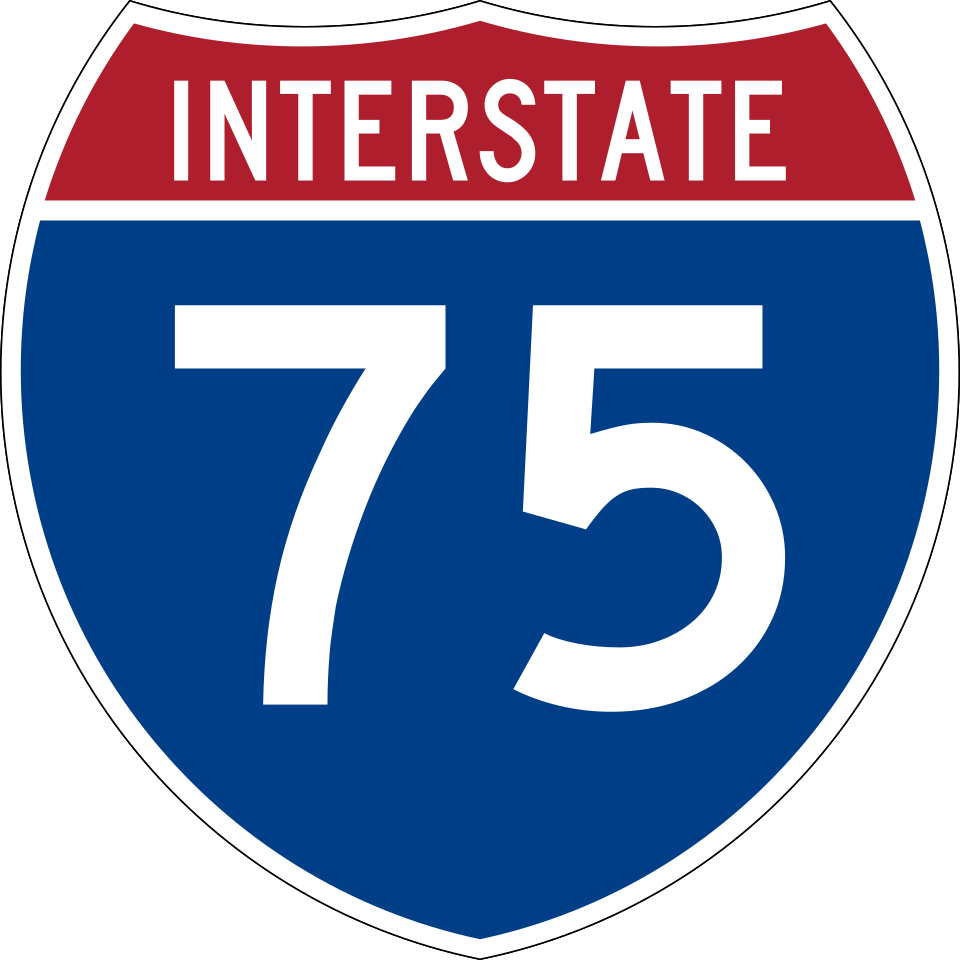
I 75
4 exits in Toledo
I-75 is Toledo's primary north-south spine, carrying heavy automotive and agricultural freight from Michigan down to Cincinnati. The corridor experiences peak congestion at the I-280 interchange south of downtown. Winter weather and bridge icing near the Maumee River create frequent breakdown clusters. Mobile truck repair demand spikes during seasonal transitions when brake systems fail under cold-weather stress.

Ohio Turnpike
4 exits in Toledo
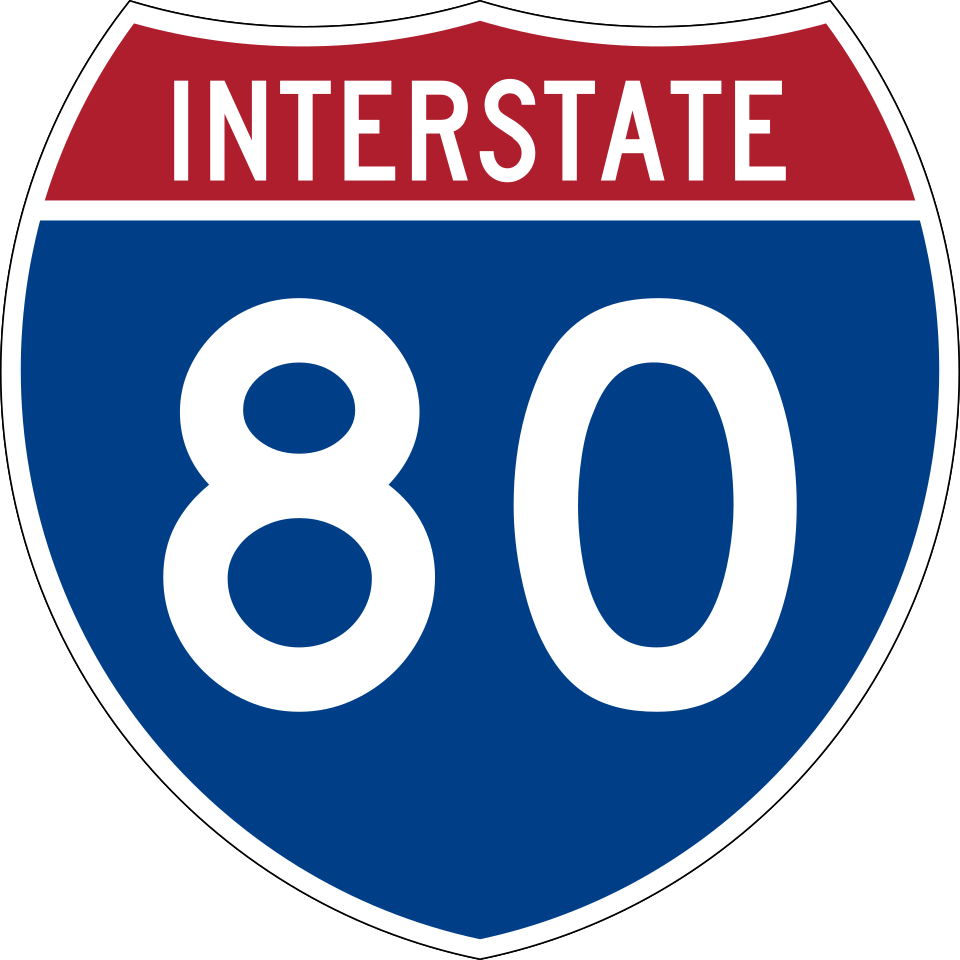
I-80 approaches Toledo from the east and intersects I-75 at the city's south edge, creating one of Ohio's most critical interchange zones. Eastbound traffic toward Cleveland and westbound toward Chicago competes for limited merge lanes. Trailer jackknife incidents occur regularly during wet conditions; breakdown recovery here demands experienced heavy-duty towing crews familiar with multi-lane gridlock scenarios.

Ohio Turnpike
4 exits in Toledo
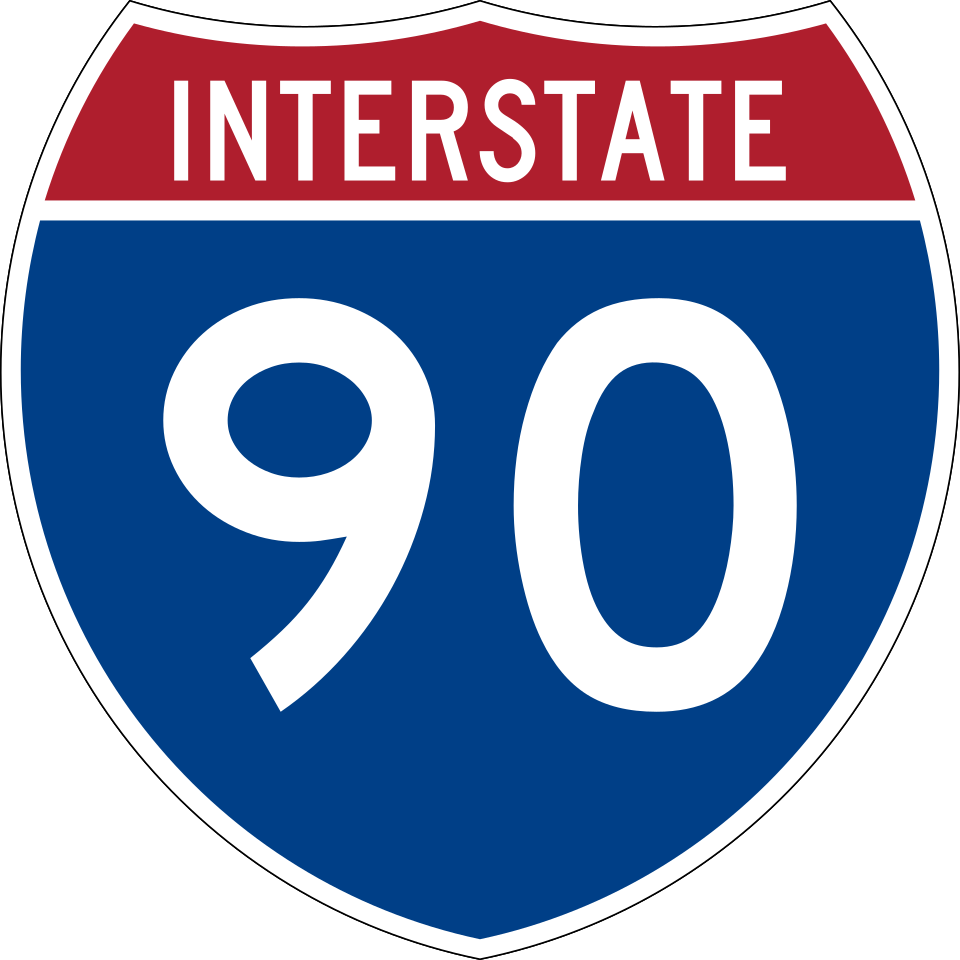
I-90 enters Toledo from the northeast and connects the city to the Great Lakes port and Michigan industrial zones. Reefer units and container traffic dominate this corridor. Compressor failures and brake adjustments are common near the I-90/US-24 junction. Lake Effect snow can reduce visibility to near-zero and freeze brake lines; emergency roadside service response times here factor in weather-induced delays.

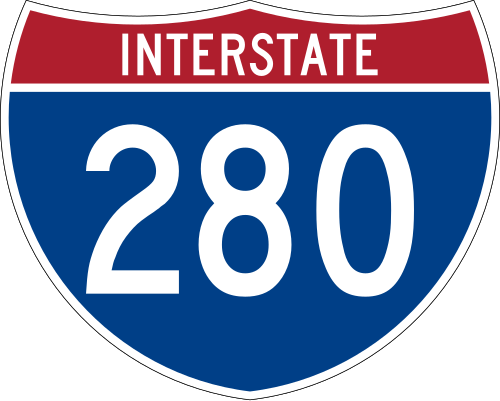
I 280
4 exits in Toledo
I-280 is a short but critical bypass route that connects I-75 and I-90 southeast of downtown Toledo. It funnels port-bound freight and local distribution traffic. The interchange is a frequent bottleneck; a single disabled tractor-trailer here can create tailbacks extending two miles. Mobile service vendors on I-280 prioritize rapid assessment and staging to clear breakdowns before congestion cascades.

I 475;US 23
4 exits in Toledo
I-475 circles west of Toledo, connecting I-75 to I-90 and bypassing downtown congestion. Longer-haul freight avoids I-280 by using this route, particularly when routing around rush-hour delays. Less congested than I-280, but still sees significant reefer and automotive parts traffic. Breakdown response times here tend to be shorter due to lower traffic density.

North Detroit Avenue
4 exits in Toledo
US-24 runs east-west across northwestern Ohio, connecting Toledo to Fort Wayne. This is a secondary freight corridor carrying regional distribution loads and agricultural products. Asphalt in rural stretches deteriorates quickly; tire blowouts and suspension failures increase during summer heat. The corridor also carries hazmat trucks, requiring specialized roadside support near industrial zones.

I 475;US 23
4 exits in Toledo
US-23 runs north-south on Toledo's east side, connecting the city to Detroit and Ann Arbor. It carries automotive parts and component traffic bound for Michigan plants. The Dundee truck stop on US-23 is a major staging point. Fuel delivery calls and battery replacements cluster here during winter months when older rigs experience electrical failure.

US 23;US 223
4 exits in Toledo
US-223 enters Toledo from the west, carrying agricultural and produce freight from rural Lucas County toward the city's distribution network. Less congested than interstate routes but still sees steady heavy-duty traffic. Breakdowns here often involve smaller independent carriers and produce-hauling operations that lack immediate vendor relationships; RRN dispatch bridges that gap with rapid response.
Toledo OH Trucking & Freight Industry Overview
Toledo is a freight command center. I-75 and I-80 carry automotive parts, agricultural products, and manufactured goods from Michigan and Indiana southbound; I-90 connects to the port and moves Great Lakes containers east-west. DHL, Spartan Logistics, and Pepsi distribution anchor the industrial economy. A disabled truck on the I-280 ramp or a reefer breakdown on US-24 between Findlay and Toledo creates immediate backlog. Road Rescue Network dispatch keeps these routes moving 24/7.
Toledo is a city in Lucas County, Ohio, United States, of which it is also the county seat. It is located at the western end of Lake Erie along the Maumee River. Toledo is the fourth-most populous city in Ohio and 86th-most populous city in the U.S., with a population of 270,871 at the 2020 census. The Toledo metropolitan area has an estimated 601,000 residents. Toledo also serves as a major trade center for the Midwest; its port is the fifth-busiest on the Great Lakes.
Toledo sits at the convergence of I-75, I-80, and I-90—three of the country's heaviest freight corridors. With the Maumee River crossing the city and Lake Erie forming the northern boundary, every truck coming through these routes faces unique navigation challenges. Whether you're heading south on I-75 toward Cincinnati or pushing east on I-90 toward Cleveland, a breakdown here doesn't just strand you—it snarls the entire Midwest logistics pipeline. Road Rescue Network operates 24/7 across Lucas County with verified towing and mobile repair vendors positioned at key interchange points.
Toledo's role as Ohio's fourth-largest city and home to the fifth-busiest Great Lakes port means freight moves constantly. Winter brings Lake Effect snow off Erie that can close highways in minutes; summer heat buckles older asphalt on US-24 east of the city. Reefer units hauling perishables bound for DHL and Spartan Logistics warehouses experience brake and compressor failures at higher rates during seasonal transitions. Our dispatch network knows these patterns—we calibrate response times to match the freight reality, not a generic estimate.
DHL Supply Chain, Pepsi distribution, automotive parts suppliers, and dozens of independent carriers keep Toledo's logistics ecosystem running. A mechanical failure at the I-280/US-23 interchange can cascade into hours of delays for Midwest supply chains. Road Rescue Network vendors are embedded in this market—they understand bridge clearances, load restrictions on local roads, and the fastest reroutes when major corridors back up. We're not a generic roadside service; we're part of Toledo's freight infrastructure.