Charleston, SC.
Charleston is the East Coast's fourth-busiest container port and the deepest harbor on the South Atlantic at 52 feet, handling over 2.8 million TEUs a year through the Wando Welch and Hugh K. Leatherman terminals. The Port of Charleston feeds I-26 west to the Inland Port Greer and the I-85 distribution belt, and I-526 around the metro to drayage yards in North Charleston, Hanahan, and Goose Creek. Boeing's North Charleston 787 line, Volvo Cars' Berkeley County plant, and Mercedes-Benz Vans push out a steady stream of high-value oversize loads year-round.
Every roadside service we run in Charleston
Featured Charleston Service Providers
Insurance-current network vendors with verified compliance, equipment, and live availability status.
Charleston SC Freight Corridors & Interstate Service Coverage
Each corridor has a dedicated breakdown landing page with service zones, exits, and recent dispatched jobs.

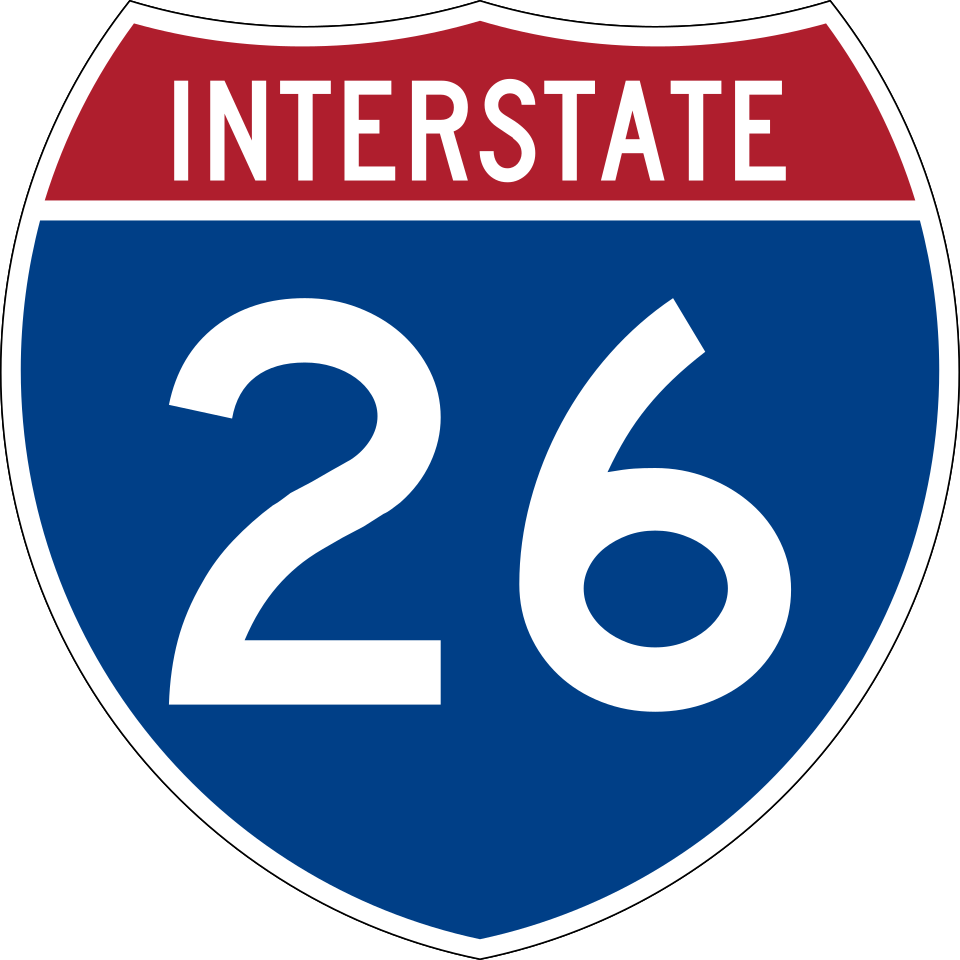
Interstate 26
13 exits in Charleston
The single most-used freight corridor between the Port of Charleston and the upstate South Carolina distribution belt. Heavy drayage volume from Wando Welch and Leatherman terminals; service-call hot spots at the I-526 split and the Cosgrove/Aviation Avenue exits in North Charleston.

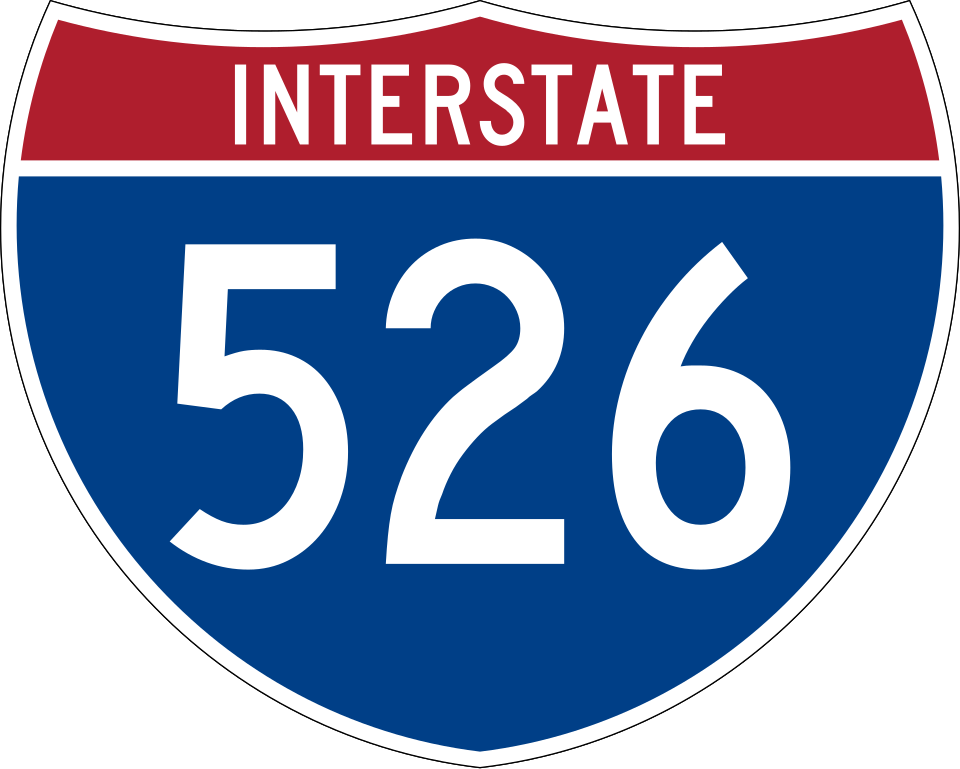
Interstate 526
9 exits in Charleston
The Mark Clark Expressway, the partial beltway that crosses the Don Holt Bridge over the Cooper River and ties together every drayage yard north of the peninsula. Bridge-deck breakdowns are dangerous; we coordinate with SCHP for shoulder protocol on every Don Holt call.

US Route 17
16 exits in Charleston
The Atlantic coastal artery that carries the Arthur Ravenel Jr. Bridge over the Cooper River into Mount Pleasant and on to Myrtle Beach. Heavy hurricane-evac volume in season; the Ravenel Bridge bicycle lane and tour-bus traffic create unique service-call patterns.

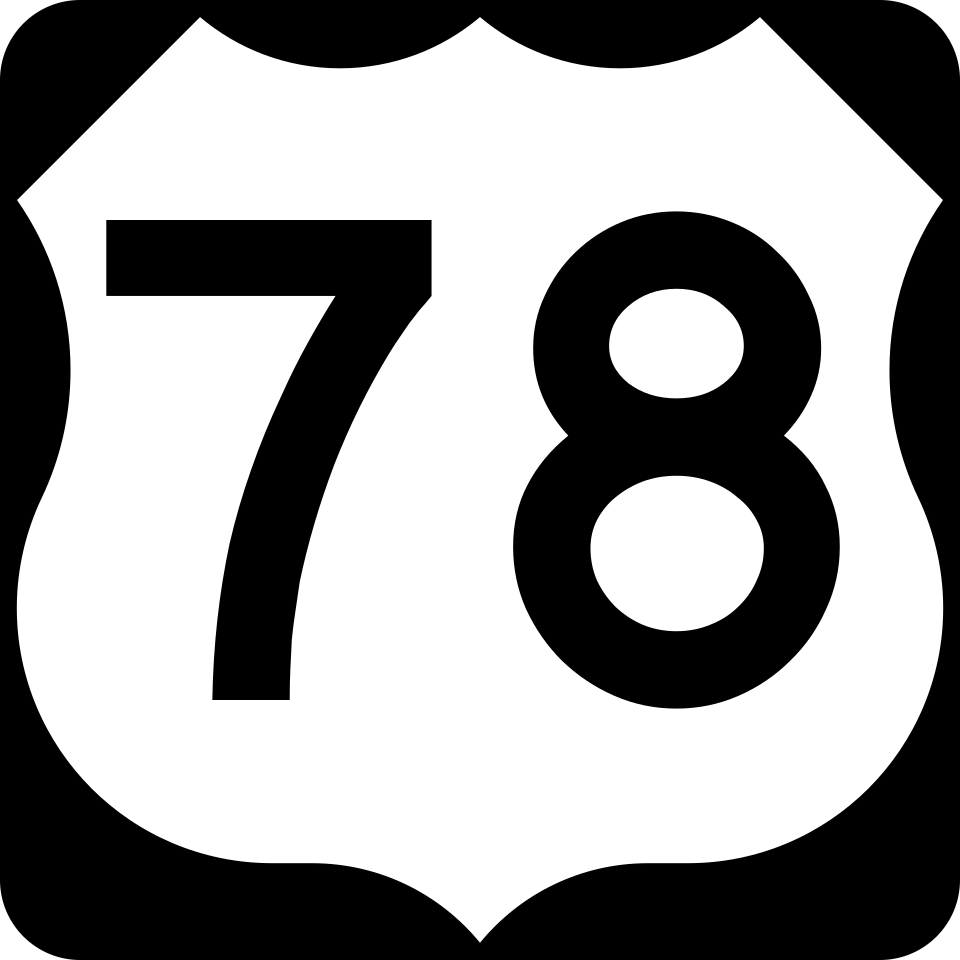
US Route 78
11 exits in Charleston
Inland alternate from North Charleston west toward Summerville and Columbia. Heavy local industrial volume serving the Bosch and Joint Base Charleston freight yards; common service points at the Ladson Road exit cluster.

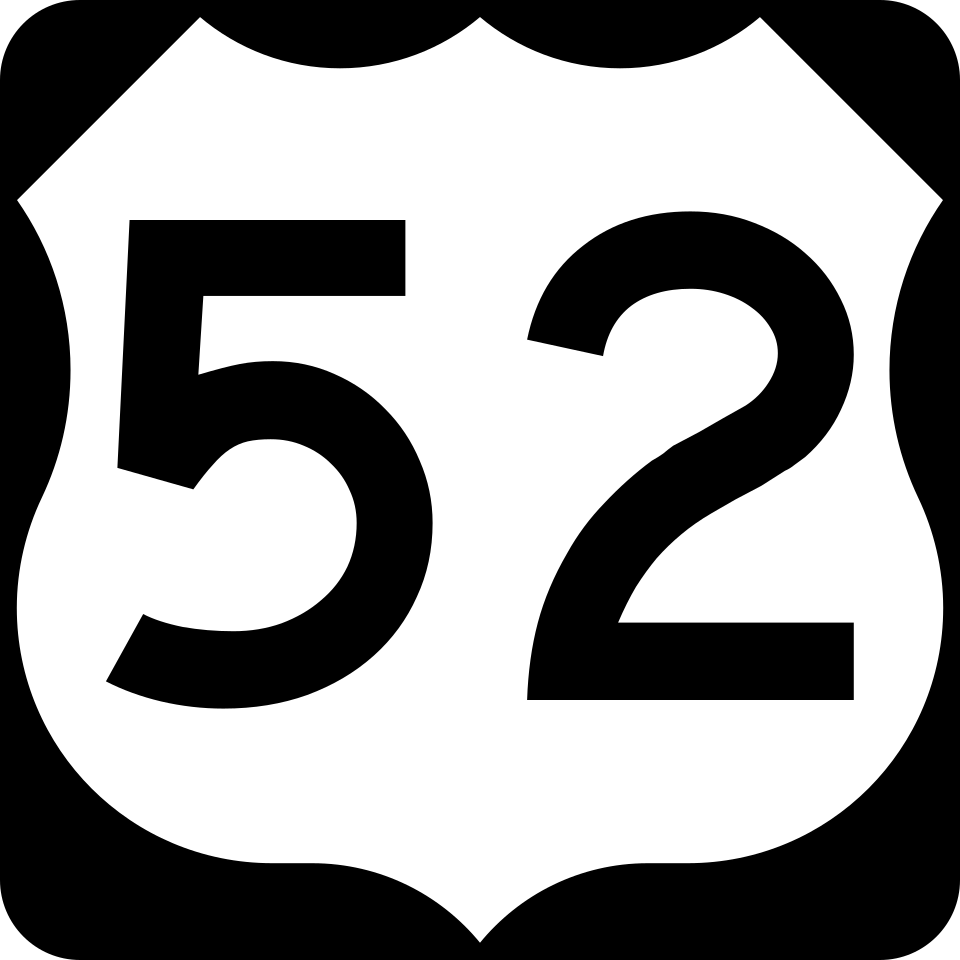
US Route 52
7 exits in Charleston
North-south route paralleling I-26 from the peninsula through Goose Creek and into Berkeley County. Heavy lumber, chemical-tank, and Mercedes-Benz Vans plant freight; Naval Weapons Station Charleston sits on this corridor.

US Route 176
5 exits in Charleston
Northwest route from North Charleston through Goose Creek and into the Berkeley County industrial belt. Used as a primary I-26 bypass during hurricane evac contraflow operations.
Charleston SC Trucking & Freight Industry Overview
Charleston is the East Coast's fourth-busiest container port and the deepest harbor on the South Atlantic at 52 feet, handling over 2.8 million TEUs a year through the Wando Welch and Hugh K. Leatherman terminals. The Port of Charleston feeds I-26 west to the Inland Port Greer and the I-85 distribution belt, and I-526 around the metro to drayage yards in North Charleston, Hanahan, and Goose Creek. Boeing's North Charleston 787 line, Volvo Cars' Berkeley County plant, and Mercedes-Benz Vans push out a steady stream of high-value oversize loads year-round.
Charleston is the most populous city in the U.S. state of South Carolina. The city lies just south of the geographical midpoint of South Carolina's coastline on Charleston Harbor, an inlet of the Atlantic Ocean formed by the confluence of the Ashley, Cooper, and Wando rivers. Charleston had a population of 150,227 at the 2020 census, while the Charleston metropolitan area, comprising Berkeley, Charleston, and Dorchester counties, has an estimated 870,000 residents. It ranks as the third-most populous metropolitan area in the state and the 71st-most populous in the U.S. It is the county seat of Charleston County.
Charleston's freight economy runs on the Port, the I-26 / I-526 cross, and the daily reality that everything coming off a ship at Wando Welch has to clear an industrial corridor that was carved into a salt-marsh peninsula 250 years ago. A breakdown on I-526 at the Don Holt Bridge during a 7 a.m. drayage push, with three Boeing 787 fuselage trailers staged behind it, can stop a downstream production schedule by mid-morning. Road Rescue Network's Charleston vendors are pre-positioned around the port complex with response times calibrated for the choke points where the Cooper, Ashley, and Wando rivers all converge on the same handful of bridges.
Anyone who's dispatched a truck through the Charleston peninsula knows salt-air corrosion and hurricane prep are not seasonal concerns, they are a daily operating environment. Brake-line corrosion shows up at half the mileage trucks see in the interior, alternator brushes go on rust storms, and ABS sensors fail constantly under salt-spray. Layer in the four-month hurricane window from June through October and a single named storm in the harbor approach can collapse the dispatch grid if your vendor doesn't have a generator, a fuel reserve, and a pre-storm staging plan.
Whether you are a fleet manager dispatching from Atlanta with a chassis stranded at the Wando Welch gate, or an owner-operator on US-17 trying to reach a Mount Pleasant delivery before the Ravenel Bridge gets crossed up by a tour bus, the closest verified, insurance-current vendor in our Charleston network is reached through a single phone call or service request. Coordination, dispatch, and ETA confirmation are handled by Road Rescue Network's 24/7 operations team.