Collierville, TN.
Collierville anchors the Memphis metropolitan distribution network. I-269 northbound is the primary gateway to Tennessee interior destinations and northbound freight; I-240 loops around Memphis connecting to all major interstates (I-40, I-55). Walmart Distribution, Ashley HomeStore, Home Depot, and Midwest Warehouse generate constant outbound delivery traffic. US 72 and US 78 handle secondary freight and regional distribution. Summer heat stress on refrigerated units and heavy trucks is extreme (95-100°F regularly); moisture in air brake systems and engine coolant failures are predictable seasonal issues. Wolf River flooding during spring runoff can force reroutes on low-lying secondary segments. Peak season (September-December) sees maximum truck density; any roadside incident cascades through entire metro distribution network.
Every roadside service we run in Collierville
Featured Collierville Service Providers
We are onboarding additional verified providers for this service in Collierville. Call dispatch for immediate coverage.
Collierville TN Freight Corridors & Interstate Service Coverage
Each corridor has a dedicated breakdown landing page with service zones, exits, and recent dispatched jobs.

Governor Winfield Dunn Parkway
4 exits in Collierville
Primary north-south route through Collierville, I-269 northbound from Memphis carries regional freight toward Tennessee interior and Kentucky destinations. Moderate to heavy truck volume (8,000-12,000 daily). Grade northbound is sustained climb (mile markers 0-20 Collierville area); southbound is descent toward Memphis flatlands. Summer heat creates engine stress; winter ice patterns are less severe than interior Tennessee but still common during cold snaps. Incident recovery slow during peak hours (6-9am, 3-7pm) due to traffic density.

Avron B Fogelman Expressway
4 exits in Collierville
Outer loop around Memphis, I-240 circles through northern sections near Collierville with tighter radius curves and more frequent on/off ramps than I-269. Brake-wear hot spots exist on curved sections. Used as alternate when I-269 is congested or closed. Lower truck volume than I-269 but still significant regional traffic. Grade is gentle; summer heat stress remains issue. Winter ice on bridge decks is seasonal hazard.

US 72
4 exits in Collierville
East-west connector with moderate truck traffic, US 72 serves secondary and regional freight routing. Grade is gentle; infrastructure adequate for regional movements. Used as bypass when interstates are congested. Narrower than interstates with occasional traffic signals and commercial access. Spring flooding risk minimal; summer heat creates engine stress on heavy loads.

US 78
4 exits in Collierville
Northeast-southwest corridor with moderate truck volume, US 78 connects Collierville toward Mississippi destinations and regional routing. Grade is gentle; infrastructure adequate for regional movements. Used for secondary freight and bypass routing. Potential flooding risk on low-lying creek crossings during heavy spring rains. Summer heat is primary operational concern.

US 64
4 exits in Collierville
East-west route with lower truck volume, US 64 provides secondary routing toward Tennessee interior. Narrower pavement and tighter radius curves create operational challenges for oversized loads. Used primarily by local/regional drivers familiar with Memphis suburbs. Emergency response times longer due to lower traffic density and fewer vendor locations on this corridor.

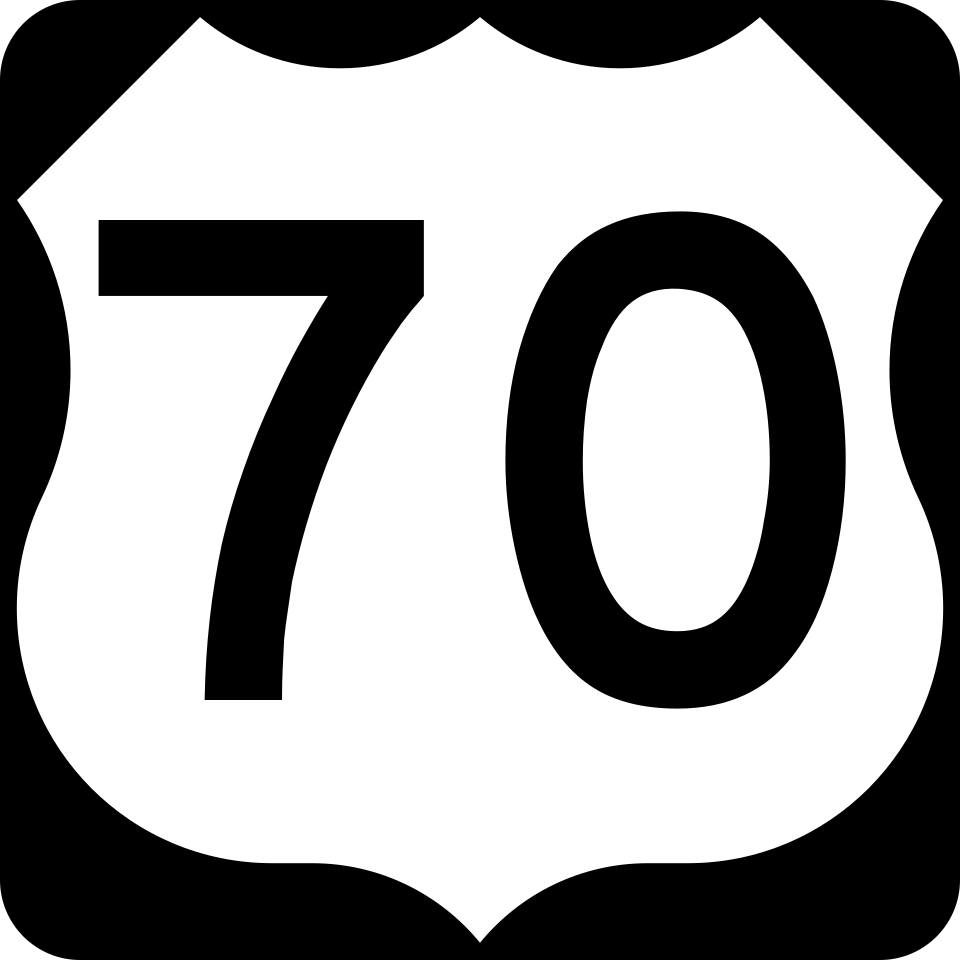
US 70;US 79
4 exits in Collierville
Secondary east-west connector with light to moderate traffic, US 70 serves local and regional routing. Narrower than US 72 with commercial access and occasional traffic signals. Used for local delivery coordination. Grade is flat; infrastructure adequate for regional movements. Not primary truck corridor but important for routing flexibility during incidents on main routes.

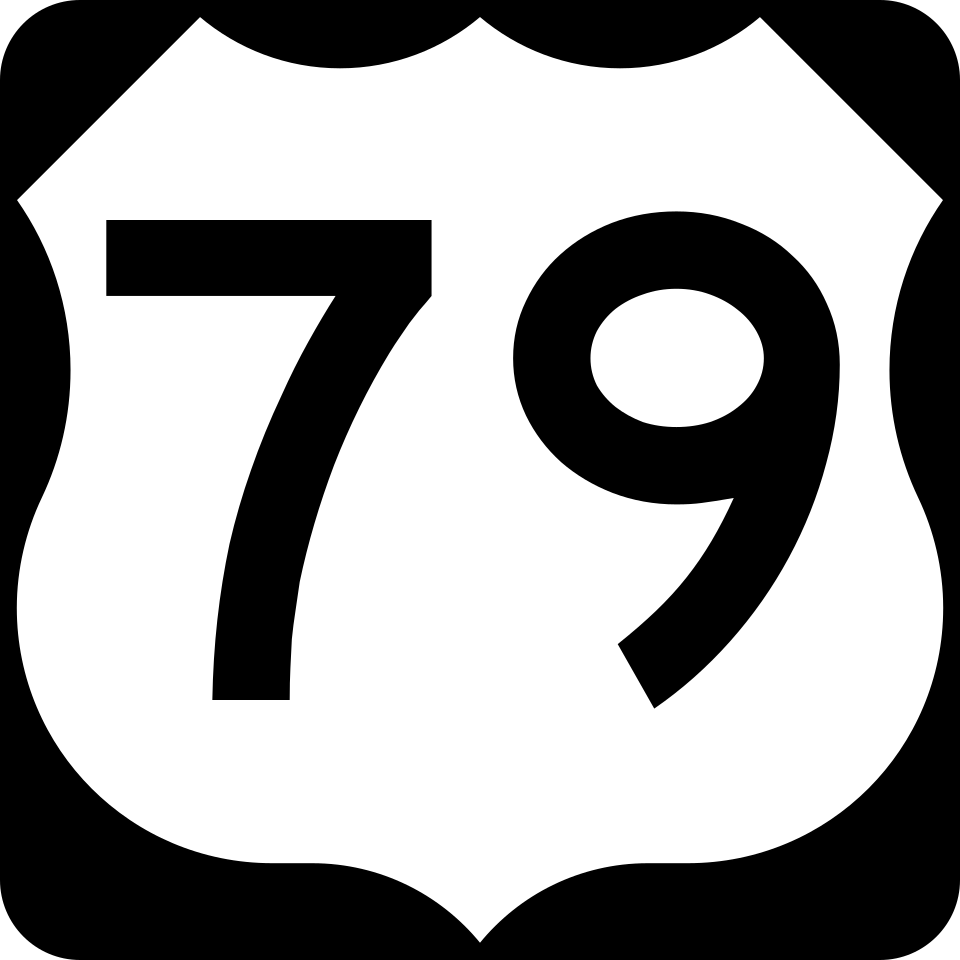
US 70;US 79
4 exits in Collierville
South-north route with lower truck volume, US 79 provides secondary routing toward Shelby County interior. Narrower and more serpentine than US 72/US 78. Used primarily by local/regional operators. Emergency response times longer due to lower traffic density. Flooding risk on creek crossings during spring runoff.

Goodman Road
4 exits in Collierville
Mississippi state route connector near Collierville's southern boundary, MS 302 provides cross-state routing toward Mississippi destinations. Lower truck volume; narrower infrastructure. Used for regional bypass and local routing. Emergency response times may be longer due to county-line coordination requirements.
Collierville TN Trucking & Freight Industry Overview
Collierville anchors the Memphis metropolitan distribution network. I-269 northbound is the primary gateway to Tennessee interior destinations and northbound freight; I-240 loops around Memphis connecting to all major interstates (I-40, I-55). Walmart Distribution, Ashley HomeStore, Home Depot, and Midwest Warehouse generate constant outbound delivery traffic. US 72 and US 78 handle secondary freight and regional distribution. Summer heat stress on refrigerated units and heavy trucks is extreme (95-100°F regularly); moisture in air brake systems and engine coolant failures are predictable seasonal issues. Wolf River flooding during spring runoff can force reroutes on low-lying secondary segments. Peak season (September-December) sees maximum truck density; any roadside incident cascades through entire metro distribution network.
Collierville, officially the Town of Collierville, is a town in Shelby County, Tennessee, United States, and a suburb located in the Memphis metropolitan area. With a population of 51,324 in the 2020 census, Collierville is the third-largest municipality in the county after Memphis and Bartlett. It is home to the Carriage Crossing shopping mall and is served by Collierville Schools.
Collierville sits in Shelby County as Memphis's third-largest municipality (51,300 population), positioned at the intersection of I-269, I-240, US 72, and US 78 as a critical distribution node for the Memphis metro region. This is furniture distribution territory (Ashley HomeStore), big-box logistics (Walmart, Home Depot), and regional freight routing—not sleepy Memphis suburb. Breakdowns here cascade across supply chains: summer heat spikes on I-269 northbound climbs, winter ice forms on I-240's curving sections, and the constant flow of heavy distribution traffic means incident recovery windows are measured in minutes, not hours. RRN dispatch operates Collierville with awareness of major warehouse staging areas and the hyperlocal routing complexity that comes with being a third-tier distribution hub.
Collierville's geography creates specific freight realities: the Wolf River runs through eastern sections, creating spring-flood risk on low-lying route segments; the terrain transitions between Memphis flatlands (west) and slight elevation gain toward Tennessee interior (east and north); summer humidity off the Mississippi River valley combines with 95-100°F heat to create peak-season engine stress on refrigerated units and heavy trucks. I-269 northbound from Memphis (mile markers 0-15 through Collierville area) sees sustained medium-duty traffic; I-240 curves around the city with tighter radius sections creating brake-wear hot spots. US 72 eastbound and US 78 routes handle secondary freight and local routing when interstates are congested. Winter ice storm risk is lower than interior Tennessee, but unpredictable weather patterns (occasional rare ice events) can strand unprepared trucks.
RRN operates through Collierville with direct coordination with major distribution partners: Walmart Distribution Center (1980 Getwell Rd, Memphis, 8 miles southwest), Ashley HomeStore and Home Depot distribution (nearby), plus dense vendor presence at Flying J (Olive Branch, MS, 12 miles south), Pilot (Stanton/Mason, TN, 15-18 miles), and Love's network (Memphis proper, 10-15 miles). Mobile techs positioned in Collierville and Memphis suburb network can reach I-269 incidents in 18-28 minutes; warehouse-area breakdowns in 20-32 minutes. This is metropolitan saturation-level service with rural-accessibility challenges on secondary routes like US 64 east and US 79.