Abilene, TX.
Abilene anchors I-20 in the heart of the Texas Big Country, the Dallas-to-El Paso corridor that moves freight across the southern Plains. Dyess Air Force Base and the surrounding agricultural and oilfield service industries give the city a defense, ag, and energy freight base unusual for its size. Summer 100°F+ heat, severe weather and tornado season April through June, and occasional ice storms in winter create a year-round breakdown demand pattern that doesn't quiet down.
Every roadside service we run in Abilene
Featured Abilene Service Providers
Insurance-current network rescuers with verified compliance, equipment, and live availability status.
Abilene TX Freight Corridors & Interstate Service Coverage
Each corridor has a dedicated breakdown landing page with service zones, exits, and recent dispatched jobs.

Interstate 20
9 exits in Abilene
The Dallas-to-Pecos corridor and Abilene's main east-west truck artery. Heavy through-fleet density; common breakdown zones at the US-83/84 split and the Loop 322 interchange.

US Route 83
6 exits in Abilene
North-south route from the Mexican border up through the Texas Panhandle. Carries oilfield-service and Big Country ag traffic; common service points at the I-20 interchange.

US Route 84
5 exits in Abilene
Diagonal southwest-northeast route from Lubbock through Abilene to Waco. Moves cotton, ag, and oil-patch freight. Concurrent with US-277 through Abilene.

US Route 277
5 exits in Abilene
North-south route from Wichita Falls through Abilene to Del Rio. Used heavily by oil-service and military supply traffic to/from Dyess AFB.

US Route 180
4 exits in Abilene
East-west route paralleling I-20 to the south. Carries local-fleet and oilfield-service traffic between Abilene and the Permian Basin.

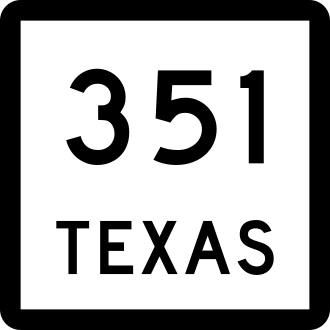
Texas State Highway 351
4 exits in Abilene
North-south state highway connecting downtown Abilene to Loop 322 and Dyess AFB access. Heavy daily commuter and military-supply flow.
Abilene TX Trucking & Freight Industry Overview
Abilene anchors I-20 in the heart of the Texas Big Country, the Dallas-to-El Paso corridor that moves freight across the southern Plains. Dyess Air Force Base and the surrounding agricultural and oilfield service industries give the city a defense, ag, and energy freight base unusual for its size. Summer 100°F+ heat, severe weather and tornado season April through June, and occasional ice storms in winter create a year-round breakdown demand pattern that doesn't quiet down.
The mechanics in Abilene who handle heavy-duty calls already know the patterns. I-20 cuts the city in half east-to-west and US-83/277/84 funnel north-south traffic from the oil patch and the Texas Panhandle through the same pinch point. When a Class 8 loses an air system at the I-20 + US-83 cloverleaf at 110°F in August, the breakdown isn't just a service call, it's a heat-stress reading on the rest of the rig. Road Rescue Network's Abilene rescuers run hot-weather response 24/7 with average dispatch-to-arrival times that beat regional benchmarks.
Abilene's freight economy runs on three legs that other Texas cities don't share. Dyess AFB drives a steady defense-logistics calendar, the surrounding Big Country oil and ranching regions feed energy and ag freight onto US-83 and US-277, and the Mrs Baird's bakery and Hendrick Health distribution networks add daily local-fleet density. Tornado season April through June brings shoulder cleanups and downed power-line incidents that cascade into truck breakdowns; ice events in January periodically shut I-20 east into the Metroplex. Our local crews dispatch in conditions other crews don't risk.
Whether you're routing a fleet truck through Abilene en route from Fort Worth to El Paso or an owner-operator stranded at the I-20 truck stops east of town, the closest verified Road Rescue Network rescuer is reached through a single phone call or service request. Coordination with TxDPS for shoulder pullouts on I-20, ETA confirmation through dispatch, and consolidated invoicing for national fleet accounts are all handled by RRN's 24/7 operations team.