Austin, TX.
Austin sits at the I-35 chokepoint between San Antonio and Dallas-Fort Worth, the busiest two-lane-each-way stretch of any major US interstate. The Tesla Gigafactory southeast of downtown drives a continuous inbound auto-parts and outbound vehicle cycle, while the SXSW and ACL Festival surge weekends turn the entire Hill Country freight corridor into a logistics minefield. US-183, US-290, TX-71, TX-130, and the MoPac (Loop 1) ring the city, each with its own grade and lane-narrowing quirks the Hill Country geography hands you whether you like it or not.
Every roadside service we run in Austin
Featured Austin Service Providers
Insurance-current network vendors with verified compliance, equipment, and live availability status.
Violet Crown Mobile Truck Repair
- 24/7 dispatch
- Fleet of 9
- 12 years in business
- Insurance verified
Barton Springs Tire & Service
- 24/7 dispatch
- Fleet of 6
- 9 years in business
- Insurance verified
MoPac 24/7 Recovery
- 24/7 dispatch
- Fleet of 11
- 11 years in business
- Insurance verified
Austin TX Freight Corridors & Interstate Service Coverage
Each corridor has a dedicated breakdown landing page with service zones, exits, and recent dispatched jobs.

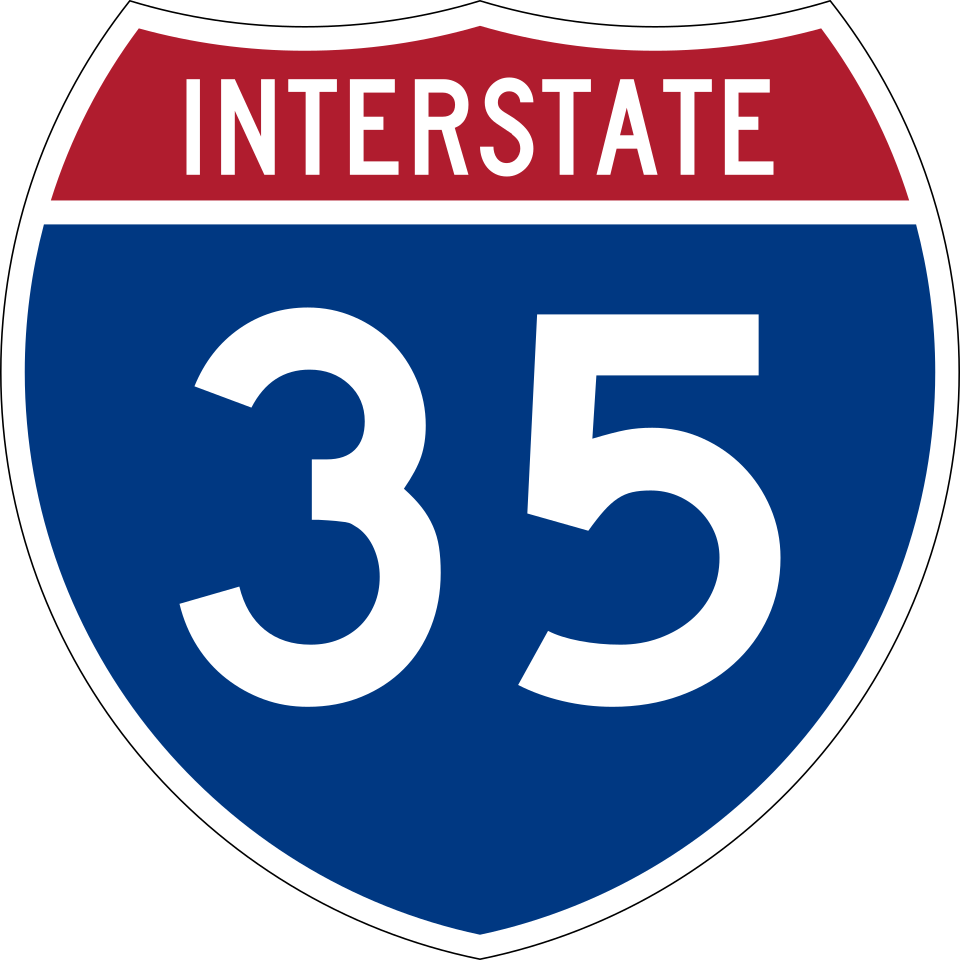
Interstate 35
16 exits in Austin
The NAFTA-corridor north-south spine — and the most congested two-lane-each-way stretch of any major US interstate. Heavy congestion through downtown Austin (exits 232 to 240) and a frequent breakdown zone at the I-35/US-290 interchange in Round Rock.

US Route 183
14 exits in Austin
The northwest corridor running from downtown out to Cedar Park and Lago Vista. Heavy fleet traffic at the US-183/MoPac stack and the toll-road segment north of FM 620.

US Route 290
12 exits in Austin
The east-west route from Houston through Austin out to Fredericksburg. Heavy box-truck and last-mile delivery volume; tight curves through the Hill Country west of MoPac.

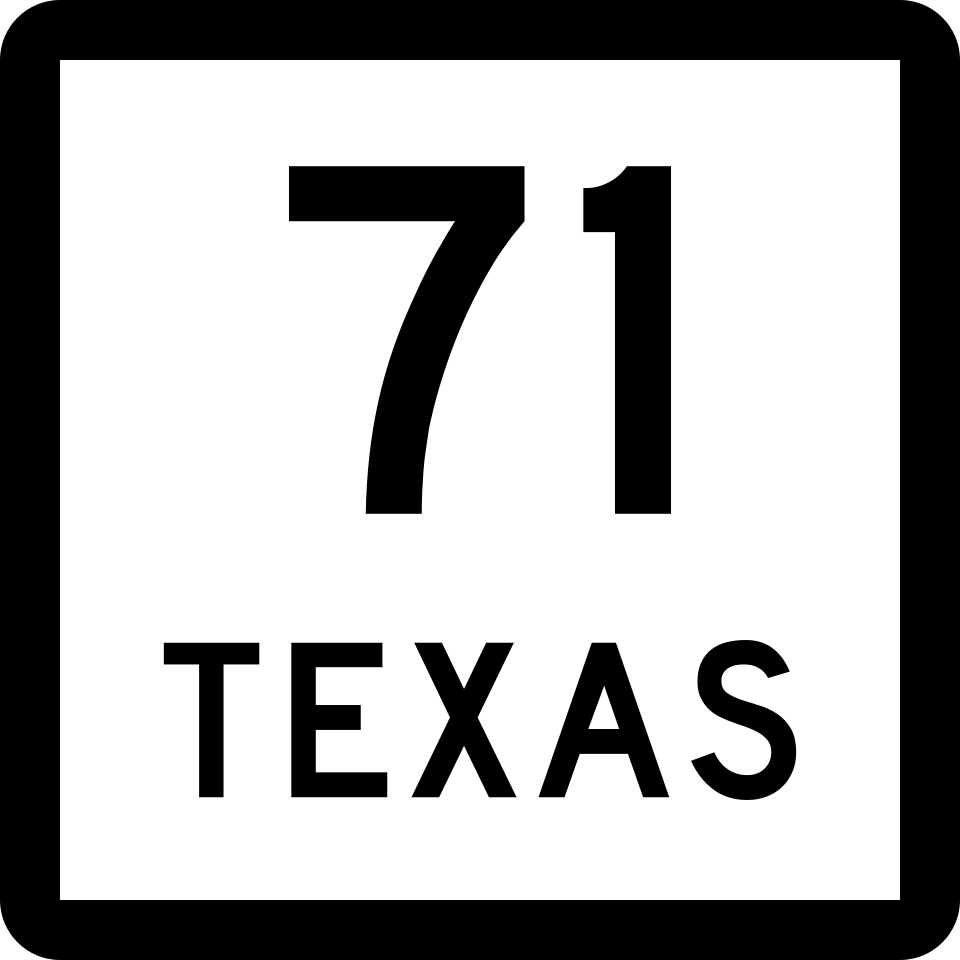
Texas State Highway 71
11 exits in Austin
The Bastrop-to-Austin-to-Llano east-west corridor and primary access to Austin-Bergstrom International. Heavy air-cargo drayage and Hill Country grades; common service zone at the TX-71/TX-130 interchange.

Texas State Highway 130
9 exits in Austin
The eastern bypass toll road running from Seguin north past Tesla and Samsung up to Georgetown. The 85-mph segment is the highest posted speed in the country and a frequent tire-failure zone in summer heat.

MoPac Expressway (Loop 1)
13 exits in Austin
The western bypass running from US-290 north through downtown to the Williamson County line. Heavy commuter and tech-corridor freight; the southern toll segment is a frequent service-call zone for high-cube box trailers.
Austin TX Trucking & Freight Industry Overview
Austin sits at the I-35 chokepoint between San Antonio and Dallas-Fort Worth, the busiest two-lane-each-way stretch of any major US interstate. The Tesla Gigafactory southeast of downtown drives a continuous inbound auto-parts and outbound vehicle cycle, while the SXSW and ACL Festival surge weekends turn the entire Hill Country freight corridor into a logistics minefield. US-183, US-290, TX-71, TX-130, and the MoPac (Loop 1) ring the city, each with its own grade and lane-narrowing quirks the Hill Country geography hands you whether you like it or not.
Austin is the capital city of the U.S. state of Texas. With a population of 961,855 at the 2020 census, it is the 13th-most populous city in the U.S., fifth-most populous city in Texas, and second-most populous U.S. state capital, while the Austin metro area with an estimated 2.55 million residents is the 25th-largest metropolitan area in the nation. Austin is the county seat and most populous city of Travis County, with portions extending into Hays and Williamson counties. Incorporated on December 27, 1839, it has been one of the fastest-growing large cities in the United States since 2010.
Austin's freight economy has been completely rewritten in the last five years. Tesla's Gigafactory turned the southeast side into a continuous freight cycle that didn't exist before 2022, the Samsung semiconductor expansion in Taylor pulled freight up TX-130 in volumes the corridor wasn't designed for, and the SXSW + ACL surge weekends layer in pop-up freight on top of an interstate already running at capacity. Road Rescue Network's Austin vendors plan around all of it. Our dispatch averages beat regional benchmarks because our mechanics already know which I-35 exits between Round Rock and Buda cluster the Tesla inbound breakdowns.
Anyone who has dispatched a truck up I-35 through Austin during a SXSW Friday afternoon knows the corridor functions as a single-lane parking lot. Add the Hill Country grades west of MoPac, the Texas summer that bakes brake systems into glaze by mid-July, and the daily reality of hauling freight through a metro that grew faster than its road network, and you have a service-call pattern unlike anywhere else in Texas. Our network is built for it.
Whether you are running a Tesla inbound off TX-130, hauling Dell freight up I-35 to Round Rock, or running a SXSW pop-up venue load through downtown, the closest verified, insurance-current vendor in our Austin network is reached through a single phone call or service request. Coordination, dispatch, and ETA confirmation are handled by Road Rescue Network's 24/7 operations team.