Seattle, WA.
Seattle anchors the I-5 Cascadia freight corridor and the Ports of Seattle and Tacoma (the Northwest Seaport Alliance), the fifth-largest container gateway in North America. SeaTac airfreight, the Boeing supply chain, and the Snoqualmie Pass and Stevens Pass mountain crossings make Greater Seattle one of the most weather-and-grade-challenged freight environments on the West Coast.
Every roadside service we run in Seattle
Featured Seattle Service Providers
Insurance-current network vendors with verified compliance, equipment, and live availability status.
Seattle WA Freight Corridors & Interstate Service Coverage
Each corridor has a dedicated breakdown landing page with service zones, exits, and recent dispatched jobs.

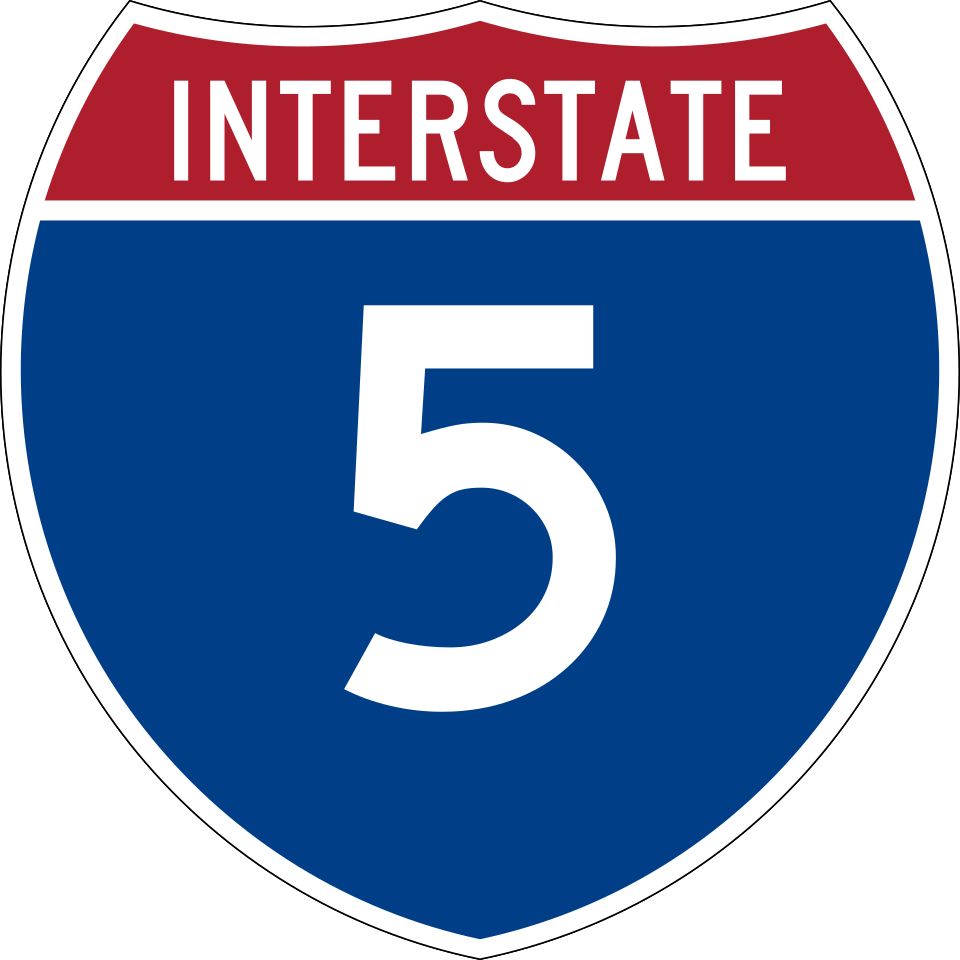
Interstate 5
19 exits in Seattle
The Cascadia spine, runs through downtown via the SODO viaduct and the Ship Canal Bridge. Heaviest service-call clusters at the I-90 split, the SR-520 interchange, and the SODO viaduct south to the Port.

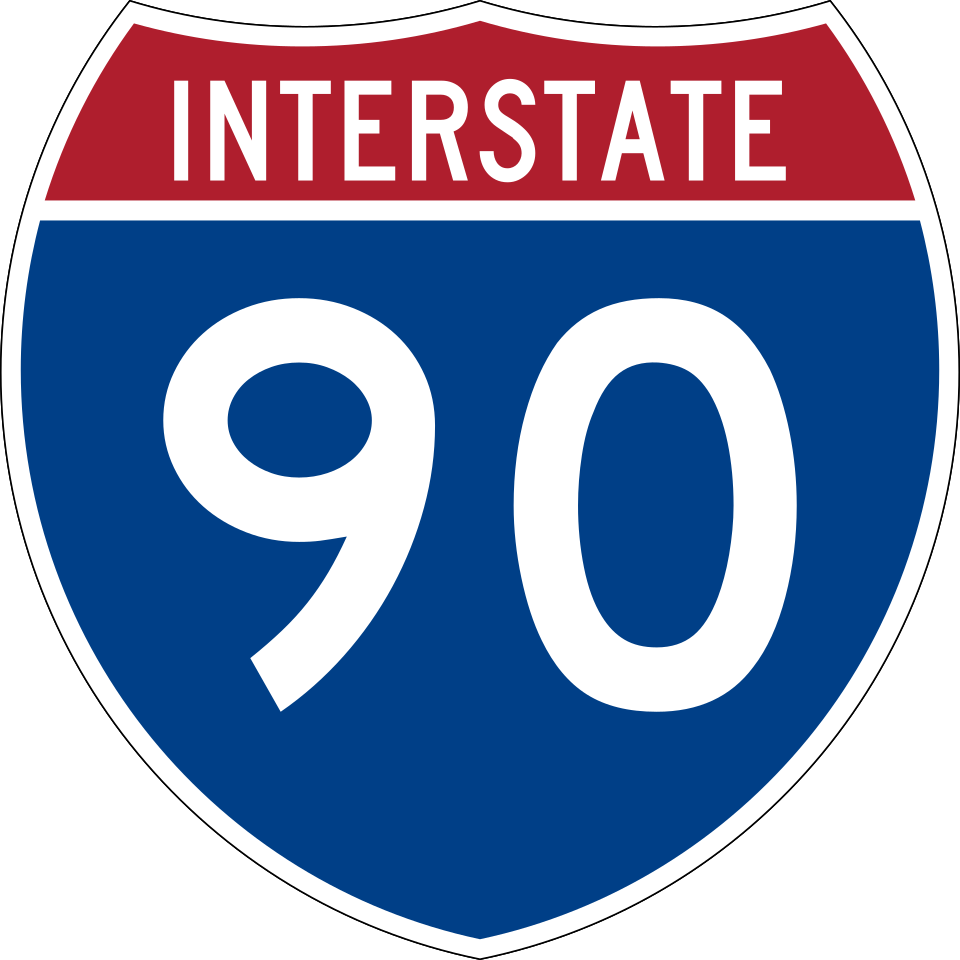
Interstate 90
8 exits in Seattle
East-west spine across the I-90 floating bridge to Mercer Island, Bellevue, and Snoqualmie Pass. Snoqualmie Pass closures during winter chain restrictions cascade calls back to the metro.

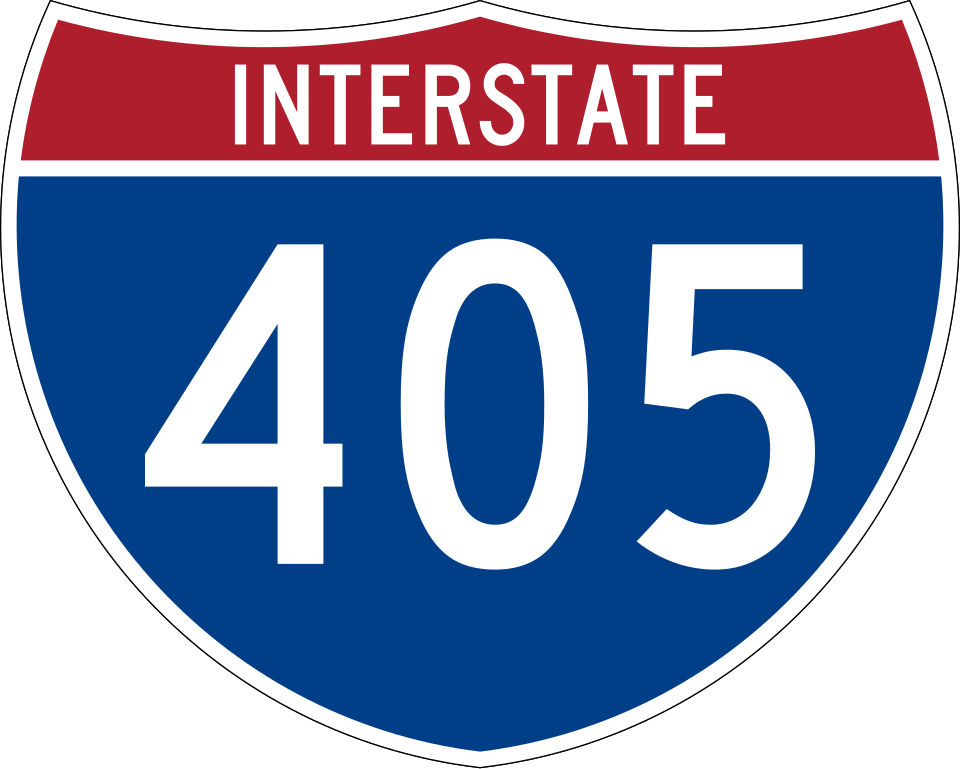
Interstate 405
18 exits in Seattle
Eastside bypass from Tukwila through Bellevue and Kirkland to Lynnwood. Microsoft, Costco, and Boeing supplier corridor; service calls cluster at the NE 8th and Coal Creek interchanges.

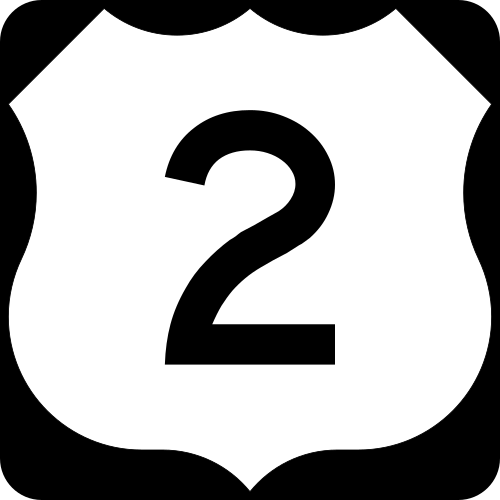
US Route 2
5 exits in Seattle
Stevens Pass crossing east through Monroe and Leavenworth. Heavy aggregate, fuel, and produce volume; chain-restriction-vulnerable from October through April.

WA-99 / Aurora Avenue
11 exits in Seattle
Surface freight artery, replaced the Alaskan Way Viaduct with the SR-99 tunnel. High volume of port-drayage traffic; tunnel height-restriction at 14'2" excludes oversized loads.

WA-520 / Evergreen Point Bridge
5 exits in Seattle
Eastside crossing connecting Seattle to Bellevue and Redmond. Tolled, weight-restricted in the floating-span sections; common service-call zone at the Montlake interchange.
Seattle WA Trucking & Freight Industry Overview
Seattle anchors the I-5 Cascadia freight corridor and the Ports of Seattle and Tacoma (the Northwest Seaport Alliance), the fifth-largest container gateway in North America. SeaTac airfreight, the Boeing supply chain, and the Snoqualmie Pass and Stevens Pass mountain crossings make Greater Seattle one of the most weather-and-grade-challenged freight environments on the West Coast.
Seattle is the most populous city in the U.S. state of Washington and the Pacific Northwest region of North America. It is the 18th-most populous city in the United States with a population of 780,995 in 2024, while the Seattle metropolitan area at over 4.15 million residents is the 15th-most populous metropolitan area in the nation. The city is the county seat of King County, the most populous county in Washington. Seattle's growth rate of 21.1% between 2010 and 2020 made it one of the country's fastest-growing large cities.
Seattle's freight economy starts at the docks. The Northwest Seaport Alliance (Ports of Seattle + Tacoma) moves 3+ million TEUs a year, and the I-5 / I-90 / I-405 grid is what carries those containers to the Inland Empire and the Midwest. A breakdown on the I-5 SODO viaduct or the East Marginal Way drayage corridor cascades into chassis-pool backups within minutes. Road Rescue Network's Seattle vendors know the gate clerks at Terminal 5, Terminal 18, Pier 30, and the SR-99 SODO ramps cold.
Seattle sits between two major mountain crossings, Snoqualmie Pass on I-90 and Stevens Pass on US-2, both of which close to commercial traffic during winter chain restrictions. A truck running east of the Cascades that gets caught on the wrong side of a pass closure is stranded for hours or days. Our network is built around mechanics who track WSDOT pass cameras and chain-up advisories in real time, and our dispatchers reroute proactively when a pass is forecast to close.
Whether you are a fleet manager dispatching from Atlanta with a reefer stranded at the Tukwila Costco DC, or an owner-operator on I-5 inbound through Tacoma, the closest verified, insurance-current vendor in our Seattle network is reached through a single phone call or service request. Our 24/7 dispatch desk handles ETA confirmation, WSP coordination on the corridors, and direct hand-off to the responding tech.