Milwaukee is the largest manufacturing freight market on the western Great Lakes, anchored by the Harley-Davidson global headquarters, Rockwell Automation, the Briggs and Stratton small-engine cluster, and a constant base of brewery freight from Miller, Pabst, and a dozen craft producers. The Port of Milwaukee on Jones Island moves bulk salt, grain, and project cargo from the Great Lakes-St. Lawrence Seaway, while I-94, I-43, I-41, and I-894 carry the metro's distribution and last-mile freight. Lake-effect snow off Lake Michigan, brutal winter air-system freezes, and the Wisconsin road-salt corrosion belt all impose freight constraints unique to this market.
Milwaukee is the most populous city in the U.S. state of Wisconsin. Located on the western shore of Lake Michigan, it had a population of 577,222 at the 2020 census, making it the 31st-most populous city in the United States and the fifth-most populous city in the Midwest. The Milwaukee metropolitan area has over 1.57 million residents and ranks as the 40th-largest metropolitan area in the nation. The city is the county seat of Milwaukee County.
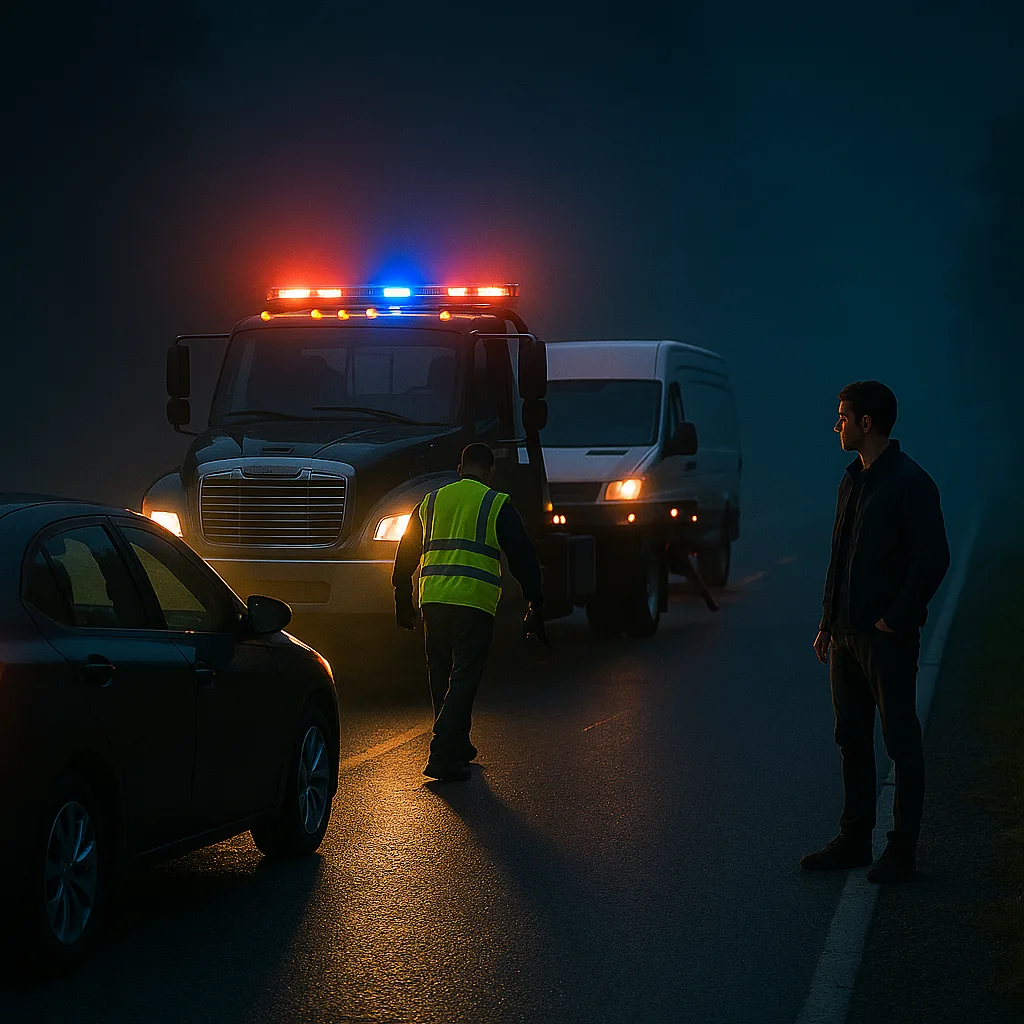
Milwaukee freight runs on Lake Michigan weather and a manufacturing base that demands sub-30-minute response on critical breakdown calls. A coolant blowout on I-94 westbound at the Marquette interchange during a January morning lake-effect band can drop visibility from clear to whiteout in fifteen minutes and freeze a chassis brake-chamber line in under an hour. Road Rescue Network's Milwaukee rescuers are pre-positioned across Milwaukee, Waukesha, Ozaukee, and Racine counties, with response times built around the reality that Wisconsin winter freight runs on equipment that has to survive a 40-below windchill envelope and 10 inches of road salt per mile.
Milwaukee freight has a winter envelope nobody outside the upper Midwest fully respects. Lake-effect snow bands rolling west off Lake Michigan can deliver 8 to 18 inches in 12 hours, with surface temperatures dropping to -10 F and windchills past -35 F multiple weeks per winter. Air-system freezes, frozen DEF lines, frozen brake chambers, frozen fifth-wheel grease, and battery failures spike to multiple-call-per-day rates from December through February. The Wisconsin road-salt belt also accelerates frame rust, brake-line failure, and electrical-fault rates above any other Midwestern market.
Whether you are a fleet manager dispatching from Chicago with a truck stranded at the Port of Milwaukee Jones Island salt dock during a winter no-start call, or an owner-operator on I-43 northbound trying to clear the Harley-Davidson final-assembly receiving dock before a midnight slot, the closest verified, insurance-current Road Rescue Network rescuer is reached through a single phone call or service request. Coordination, dispatch, and ETA confirmation are handled by Road Rescue Network's 24/7 operations team.