West Virginia
City Coverage

Huntington, WV.

Huntington sits at the I-64 / US-60 / US-52 freight pivot on the Ohio River, the head of a tri-state coal-and-chemical corridor that ties southern West Virginia, eastern Kentucky, and southern Ohio into the inland barge system. The Port of Huntington Tri-State is, by tonnage, the largest inland river port in the United States — coal, petroleum, ore, and chemicals move every day on the slackwater pool above the Greenup Lock. CSX's Huntington shop and the Norfolk Southern Heartland Corridor put rail freight into the same yards, and US-60 carries the bulk of east-west truck volume across the city's narrow river-bench streets.

4
Vendors on-call now
41 min
Average dispatch ETA
120
Calls last 30 days
24/7
Always available
Interstate Coverage

Huntington WV Freight Corridors & Interstate Service Coverage

Each corridor has a dedicated breakdown landing page with service zones, exits, and recent dispatched jobs.

Interstate 64 shield

Interstate 64

6 exits in Huntington

Huntington's main east-west freight artery — Lexington to Charleston via the Big Sandy crossing. Heavy truck volume on the climb up from the Ohio River bench around the Hal Greer Boulevard interchange (Exit 11). Common service zones on the 5th Street ramps and the Barboursville climb.

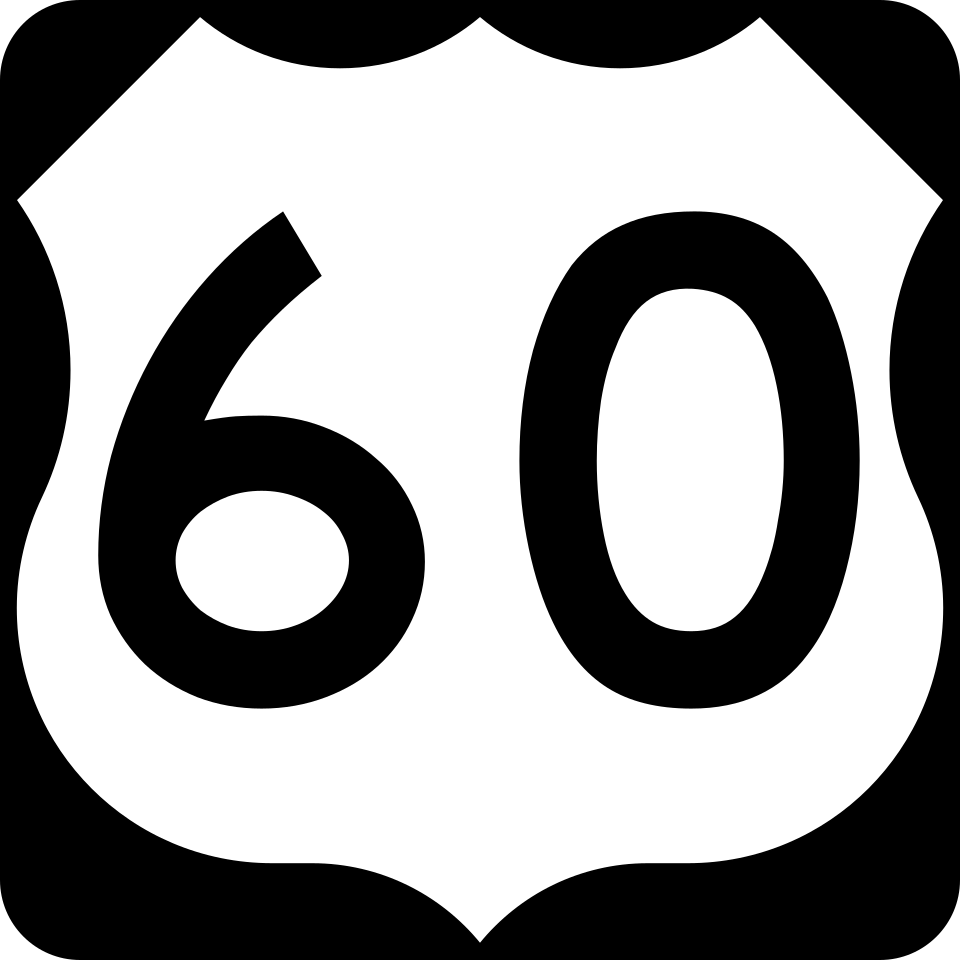
US Route 60 shield

US Route 60

11 exits in Huntington

Old Midland Trail — the Tri-State's local east-west spine paralleling I-64 across 5th Avenue and 8th Street West. Carries coal-haul tandems, chemical tankers, and the bulk of Marathon refinery traffic across the Big Sandy at Kenova.

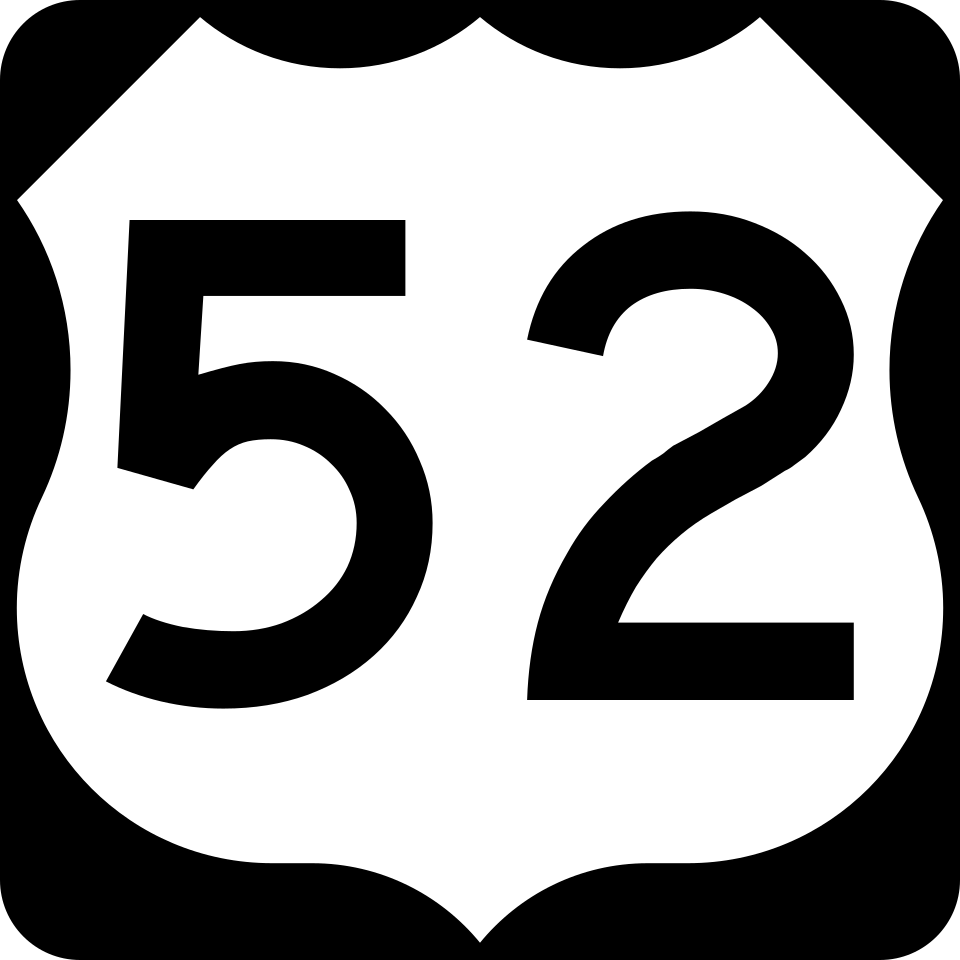
US Route 52 shield

US Route 52

4 exits in Huntington

South-running corridor down the Tug Fork into McDowell County coal country and on to Bluefield. Two-lane mountain freight, narrow shoulders, frequent rockfall closures. Common service zones at Wayne and Kermit.

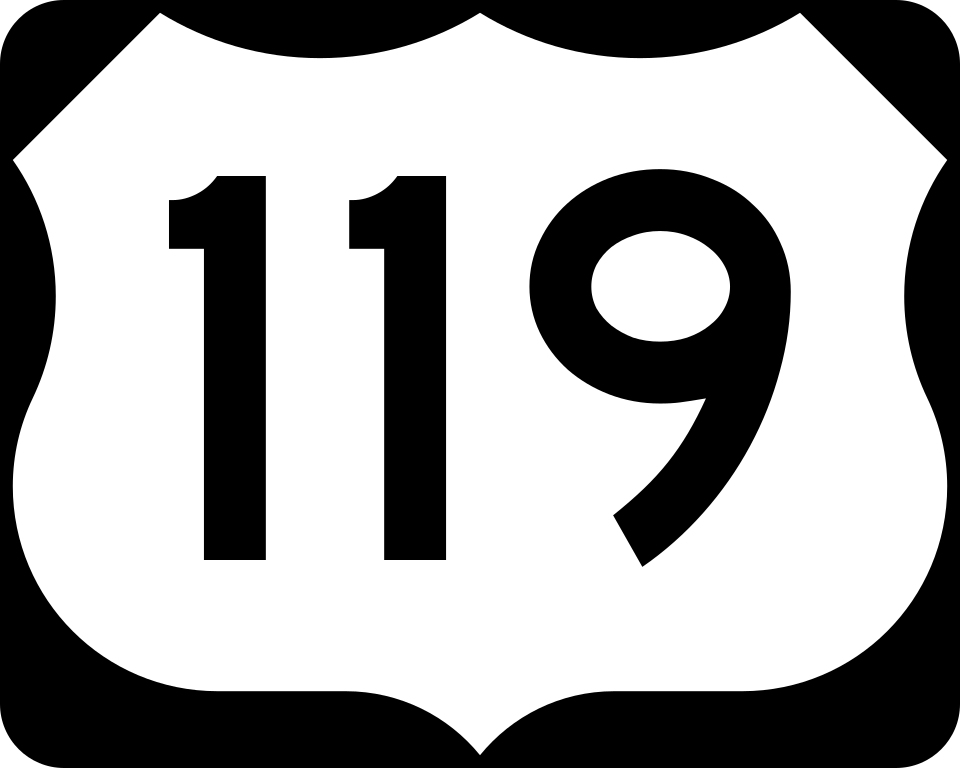
US Route 119 (Corridor G) shield

US Route 119 (Corridor G)

3 exits in Huntington

The Robert C. Byrd Appalachian Highway connecting Huntington and Charleston south to Pikeville. Heavy coal-haul tandem volume; brutal grades into the Coal River valley. Frequent winter ice closures.

WV-2

WV Route 2

8 exits in Huntington

The Ohio River road — Huntington north along the West Virginia bank past Point Pleasant to Wheeling. Riverfront industrial freight, narrow lanes through Ceredo and Kenova, frequent coal-barge-loading dock traffic.

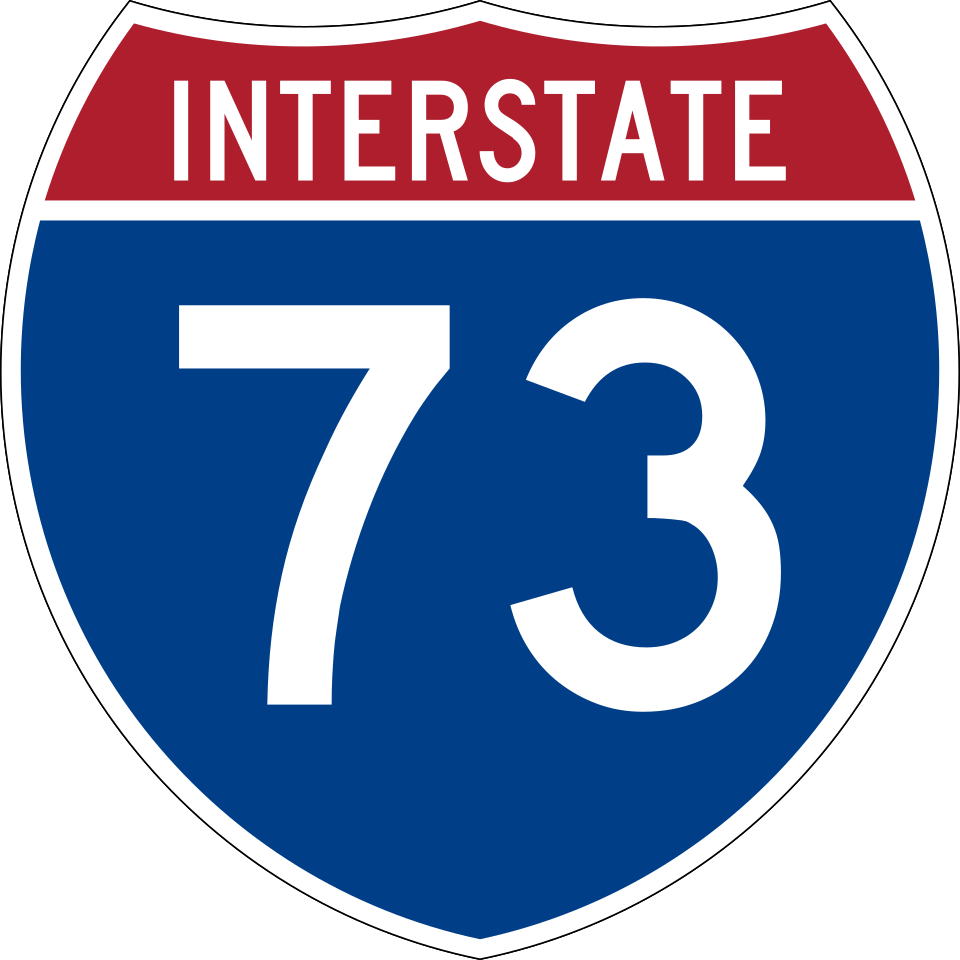
Future I-73 / King Coal Highway shield

Future I-73 / King Coal Highway

2 exits in Huntington

Phased mountain corridor under construction across southern Cabell, Wayne, and Mingo counties. Active construction routing and frequent detours; coal-haul truck volume already running on completed segments.

City Profile

Huntington WV Trucking & Freight Industry Overview

Huntington sits at the I-64 / US-60 / US-52 freight pivot on the Ohio River, the head of a tri-state coal-and-chemical corridor that ties southern West Virginia, eastern Kentucky, and southern Ohio into the inland barge system. The Port of Huntington Tri-State is, by tonnage, the largest inland river port in the United States — coal, petroleum, ore, and chemicals move every day on the slackwater pool above the Greenup Lock. CSX's Huntington shop and the Norfolk Southern Heartland Corridor put rail freight into the same yards, and US-60 carries the bulk of east-west truck volume across the city's narrow river-bench streets.

Huntington is a city in Cabell and Wayne counties in the U.S. state of West Virginia. It is the county seat of Cabell County and sits at the confluence of the Ohio and Guyandotte rivers in the southwestern part of the state. With a population of 46,842 at the 2020 census, Huntington is the second-most populous city in West Virginia. The Huntington–Ashland metropolitan area, spanning seven counties across West Virginia, Kentucky and Ohio, has an estimated 368,000 residents.

Huntington's freight economy runs on the Ohio River, the Heartland Corridor rail double-stack route, and the I-64 climb out of the river bench up onto the Cabell County plateau. When a Class 8 truck breaks down on the US-60 viaduct or in the narrow Sixth Street approach to the Robert C. Byrd Bridge, every minute it sits is a freight schedule cascading downstream toward Charleston or Lexington. Road Rescue Network's Huntington vendors are on-call 24/7, with average dispatch-to-arrival times that beat the regional benchmark for tri-state coal-corridor work.

The city's geography is a freight engineer's headache and a mechanic's daily problem set: a thin strip of riverfront with steep climbs onto the surrounding hills, four-foot-wide street parking on 4th Avenue, and an aging surface road network that takes a beating from coal-haul tandems and chemical tankers. Our Huntington network knows which exits handle a 53-foot trailer and which don't, where the low clearances are on US-52, and how to stage a wrecker on the river-bench grades without blocking the only viable detour.

Anyone who's dispatched a truck through the Tri-State during a January ice storm knows the call you don't want — freezing rain locks onto US-60 from Kenova to Barboursville, the coal-haul route on US-52 turns into a slip plane, and Cabell County drops its salt resources mostly on the interstate. Whether you're a fleet manager dispatching from Charlotte with a truck stranded at the Pilot in Kenova, or an owner-operator on US-60 outside Barboursville, the closest verified, insurance-current vendor in our Huntington network is reached through a single phone call. Coordination, dispatch, and ETA confirmation are handled by Road Rescue Network's 24/7 operations team.