Muskegon, MI.
Muskegon is West Michigan's deepest commercial port and the only natural deep-water harbor between Milwaukee and Mackinac. The Port of Muskegon moves bulk cement, aggregate, salt, and limestone via the Lake Michigan car-ferry and freighter routes, while I-96, US-31, and US-31 BR feed inland freight east toward Grand Rapids and south toward the Indiana state line. Lake-effect snowbands off Lake Michigan can drop a foot of snow in six hours from November through March, and summer beach-season tourism produces a 24/7 reefer surge into the lakeshore communities.
Every roadside service we run in Muskegon
Featured Muskegon Service Providers
Insurance-current network rescuers with verified compliance, equipment, and live availability status.
Great Lakes Mobile Truck Repair
- 24/7 dispatch
- Fleet of 8
- 13 years in business
- Insurance verified
Lakeshore Tire & Fleet Service
- 24/7 dispatch
- Fleet of 6
- 11 years in business
- Insurance verified
Muskegon Iron Mobile Welding
- 24/7 dispatch
- Fleet of 5
- 14 years in business
- Insurance verified
Muskegon MI Freight Corridors & Interstate Service Coverage
Each corridor has a dedicated breakdown landing page with service zones, exits, and recent dispatched jobs.

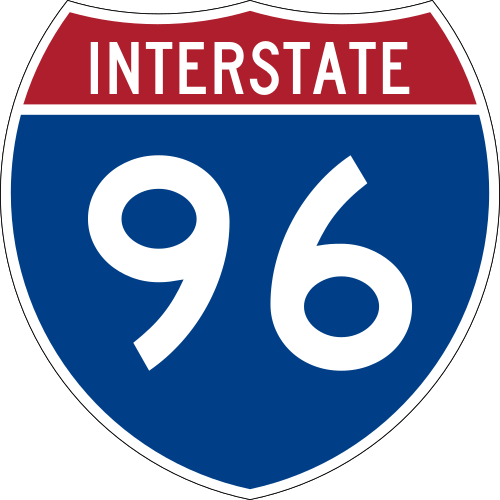
Interstate 96
4 exits in Muskegon
I-96's western terminus is in Muskegon, where it merges into US-31 BR. The corridor between Muskegon and Grand Rapids carries the highest density of food and dairy freight in West Michigan; common breakdown clusters at the Fruitport exit and the Coopersville rest area.

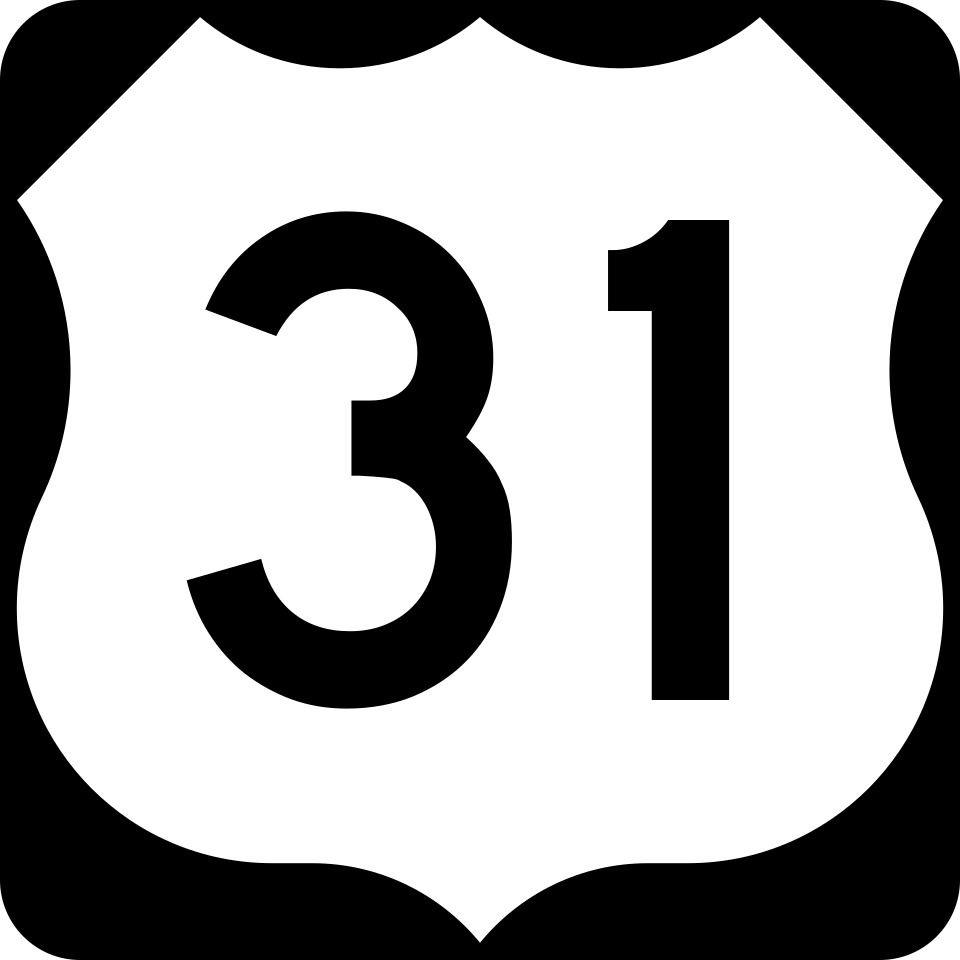
US Route 31
7 exits in Muskegon
The Lake Michigan shoreline corridor. Carries beach-tourism freight north to Pentwater and Ludington and south toward Holland and Benton Harbor. Heavy reefer traffic in summer; brutal lake-effect snow events between Holton and Whitehall in winter.

US Route 31 Business
5 exits in Muskegon
The downtown spur connecting I-96 to the port and the Mart Dock complex. Heavy bulk-cement and aggregate truck traffic; the Bluff Boulevard climb up from the channel is a known brake-fade and downshift point for loaded dump trucks.

US-31 Bypass / Seaway Drive
3 exits in Muskegon
Bypass routing around downtown Muskegon for through freight. Important alternate when the Bluff Boulevard or Lakeshore Drive sections close for winter weather.

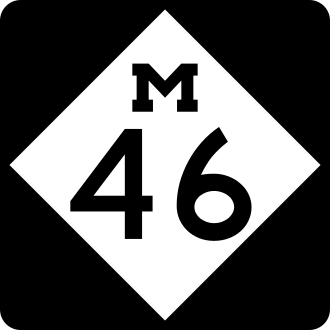
Michigan State Route 46
3 exits in Muskegon
East-west corridor running from the Muskegon city limits into Cedar Springs and Saginaw beyond. Heavy aggregate and ag-input freight; punishing washboard frost-heave damage in spring thaw.

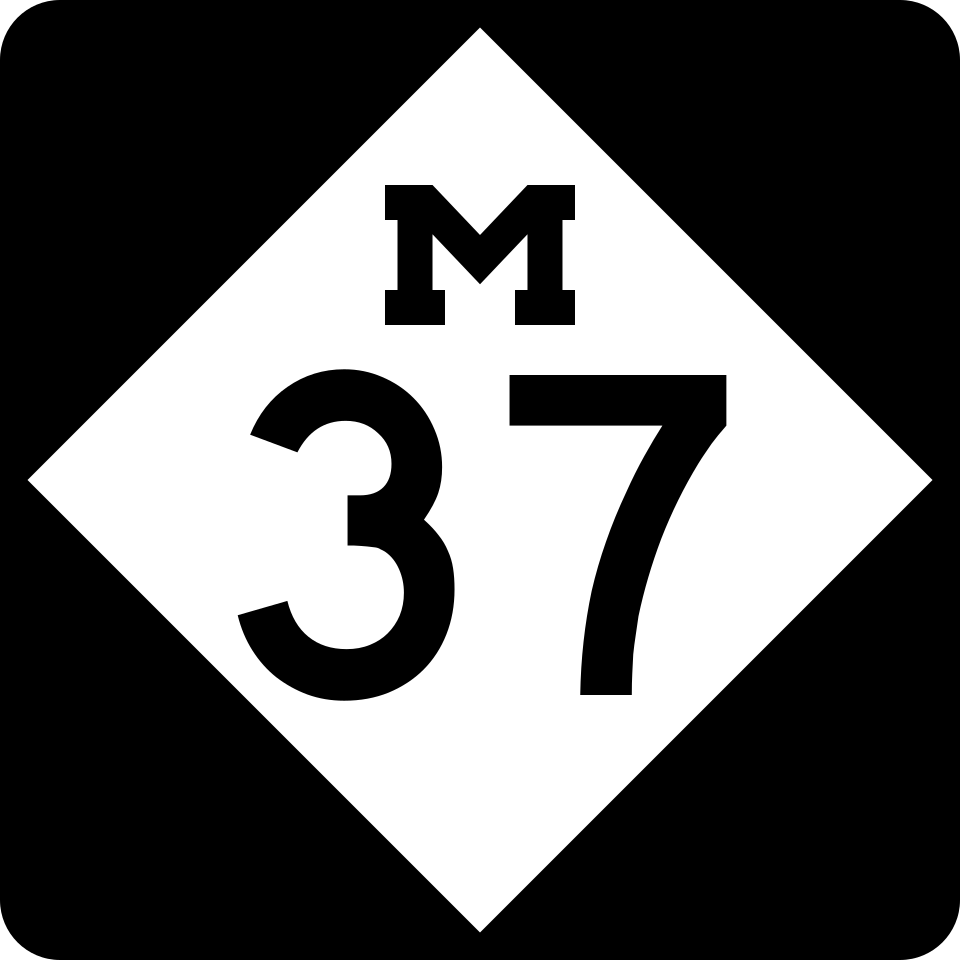
Michigan State Route 37
0 exits in Muskegon
North-south from the Indiana state line through Grand Rapids and Newaygo. Critical secondary route for traffic detouring around US-131 closures or Lake Michigan storm-driven I-96 shutdowns.
Muskegon MI Trucking & Freight Industry Overview
Muskegon is West Michigan's deepest commercial port and the only natural deep-water harbor between Milwaukee and Mackinac. The Port of Muskegon moves bulk cement, aggregate, salt, and limestone via the Lake Michigan car-ferry and freighter routes, while I-96, US-31, and US-31 BR feed inland freight east toward Grand Rapids and south toward the Indiana state line. Lake-effect snowbands off Lake Michigan can drop a foot of snow in six hours from November through March, and summer beach-season tourism produces a 24/7 reefer surge into the lakeshore communities.
Muskegon's freight economy runs on the lake. The Port of Muskegon's bulk-cargo docks at Mart Dock and Verplank Trucking pull aggregate, cement, and limestone barges through the channel from May to January, and every one of those loads ends up on a Class 8 dump or pneumatic tank for the run east on I-96 or south on US-31. When a hopper trailer goes down inside the port complex, the dispatcher's clock isn't measured in dollars per minute, it's measured in dock-time penalties to the next ship in queue. Road Rescue Network's Muskegon rescuers keep service trucks at the port itself.
Anyone who's tried to dispatch a tow on US-31 in February knows the lake-effect math. A snowband off Lake Michigan can drop visibility from eight miles to a hundred feet in four minutes, and that's exactly when the air-system freezes and the dead-battery calls stack up. Our local mechanics don't learn the difference between a temporary lake-effect cell and a county-wide blizzard out of a manual, they live it from Thanksgiving to St. Patrick's Day every year.
Whether you're an owner-operator pulling a load of Continental Dairy cheese east toward Grand Rapids, a fleet manager in Holland routing a flatbed of Howmet aerospace forgings down US-31, or a beach-season reefer driver dropping ice cream at the Pere Marquette concession stand, the closest verified Road Rescue Network rescuer in Muskegon reaches you on a single phone call. Dispatch, ETA, and consolidated billing are all handled by RRN's 24/7 ops team.