Washington DC anchors the I-95 Northeast Corridor and the I-495 Capital Beltway, the highest-volume metro freight ring on the East Coast. Federal-cargo security checkpoints, Reagan and Dulles airfreight inbound, the Port of Alexandria barge traffic on the Potomac, and dense last-mile parcel volume to Capitol Hill, K Street, and Pentagon City make DC one of the most procedurally complex freight environments in the country.
Washington, D.C., officially the District of Columbia and commonly shortened to Washington, or DC, is the capital city of the United States, and its only federal district.
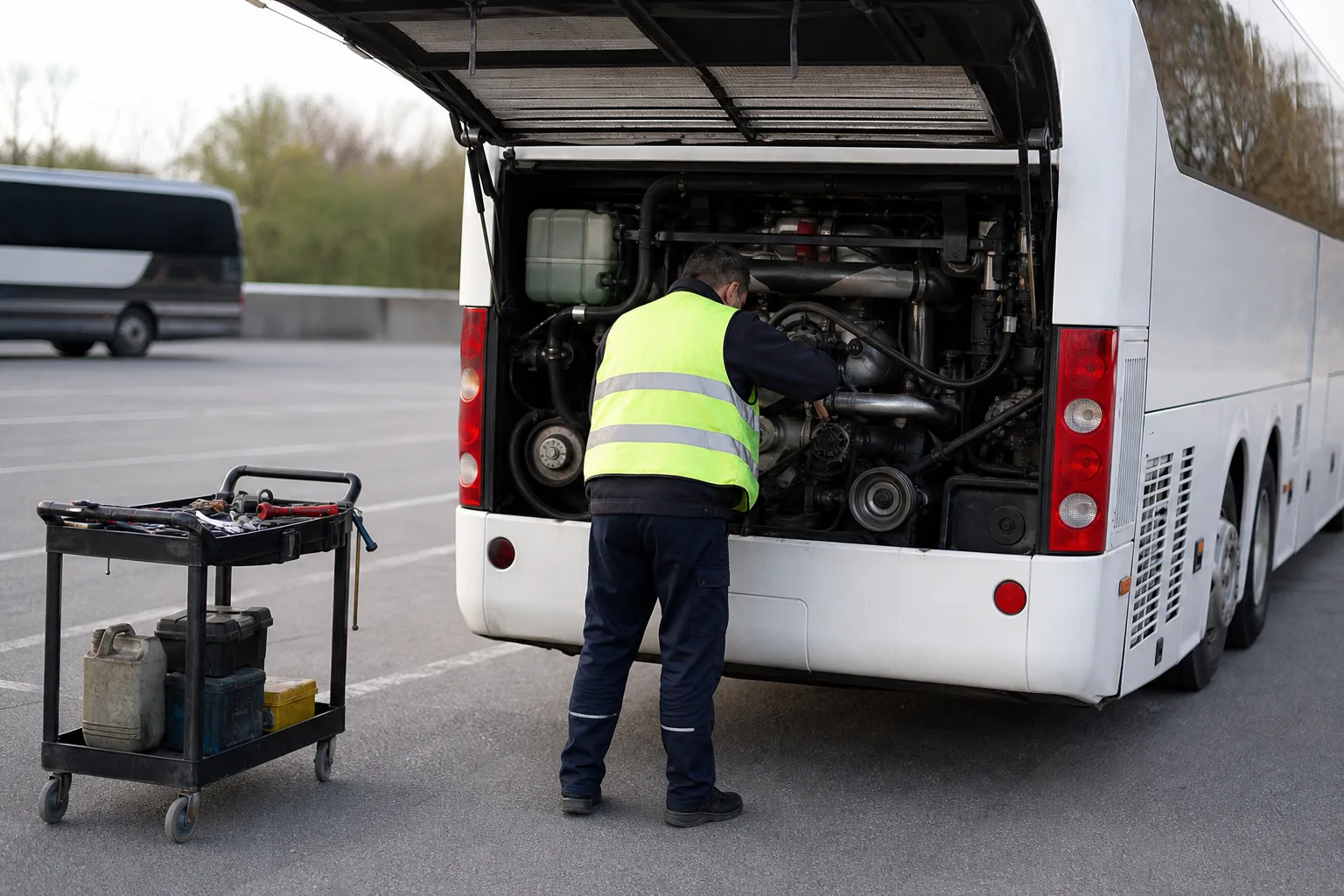
The Capital Beltway is unforgiving when a Class 8 loses air at rush hour. I-495 between Springfield and the Wilson Bridge runs at 200,000+ vehicles a day, with shoulders that vanish at every bridge deck and overpass. Road Rescue Network's DC-area rescuers are pre-staged on both the Maryland and Virginia legs of the Beltway, with average dispatch times that beat the regional benchmark by double digits at every hour of the day.
Federal-load drivers running into DC face a different kind of breakdown calculus, escorted-cargo schedules cannot be missed, security-checkpoint protocols at GSA, Pentagon, and Anacostia Naval require credentialed mobile mechanics, and a busted air dryer on Suitland Parkway is not the same call as a busted air dryer on US-50. Our DC rescuers hold current background-check status and know which Beltway exits are escort-friendly versus enforcement-heavy.
Whether you are a fleet manager dispatching from Charlotte with a reefer stranded at the Springfield Interchange, or an owner-operator pulled to the shoulder of the Anacostia Freeway, the closest verified, insurance-current rescuer in our DC network is reached through a single phone call or service request. Our 24/7 dispatch desk handles ETA confirmation, US Park Police or DCFD coordination on no-shoulder corridors, and direct hand-off to the responding tech.