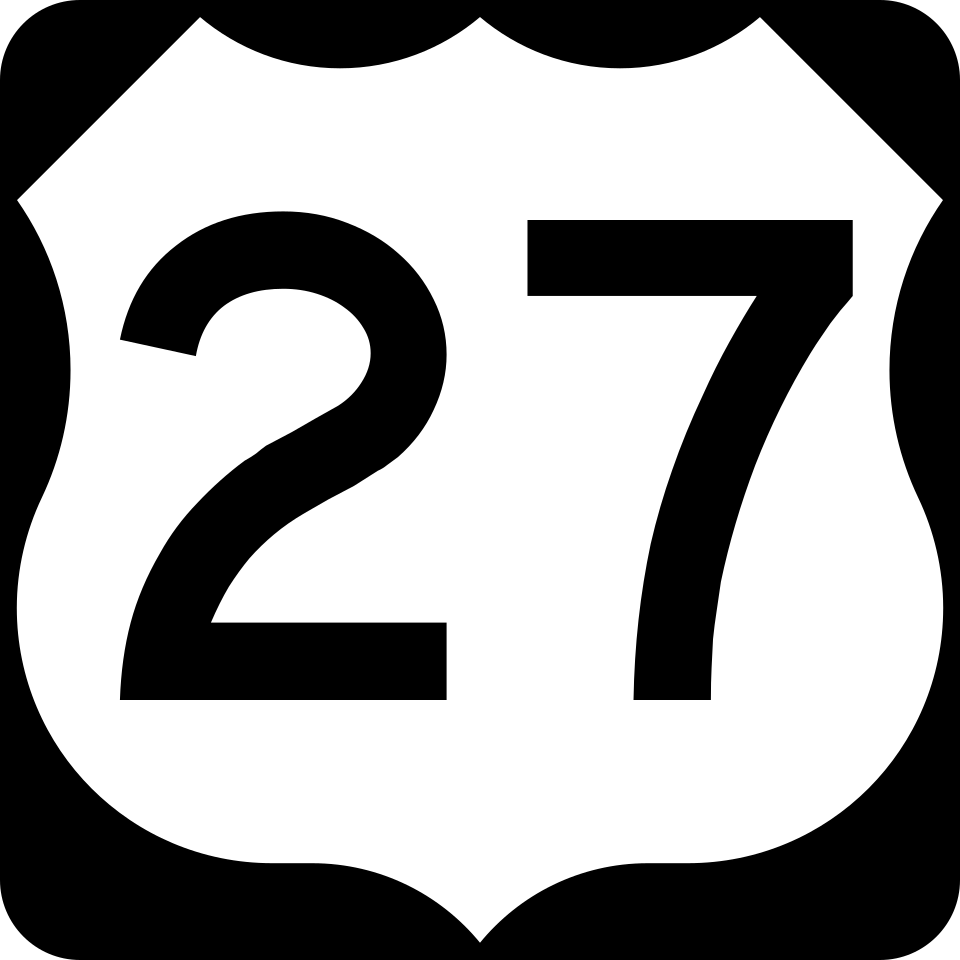
Newport sits at the confluence of the Ohio and Licking rivers, directly across from downtown Cincinnati, and it is the Kentucky anchor of the I-471 corridor. That interstate is the eastern of the two Kentucky-to-Ohio freeway crossings, and it carries the freight that will not or cannot use the Brent Spence. On the surface side, US-27 (Monmouth Street) runs south through the city and KY-8 tracks the river, while the Newport on the Levee entertainment district and the riverfront hotels generate constant hospitality, food-service and event delivery traffic in a very tight street grid.
Newport is a home rule-class city in Campbell County, Kentucky, United States. It is at the confluence of the Ohio and Licking rivers across from Cincinnati. The population was 14,150 at the 2020 census. Historically, it was one of four county seats of Campbell County. Newport is an urban center of Northern Kentucky and is part of the Cincinnati metropolitan area.
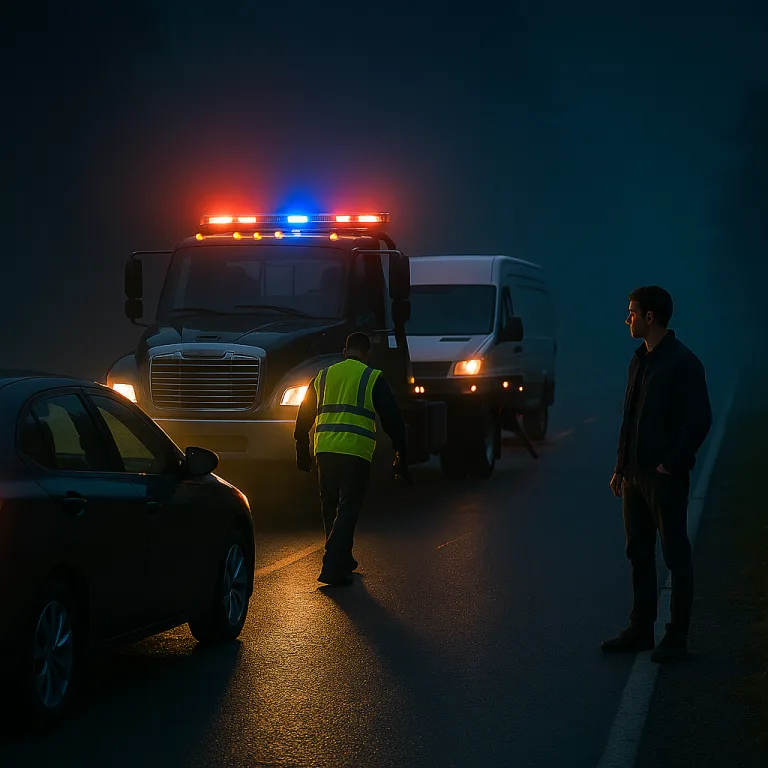
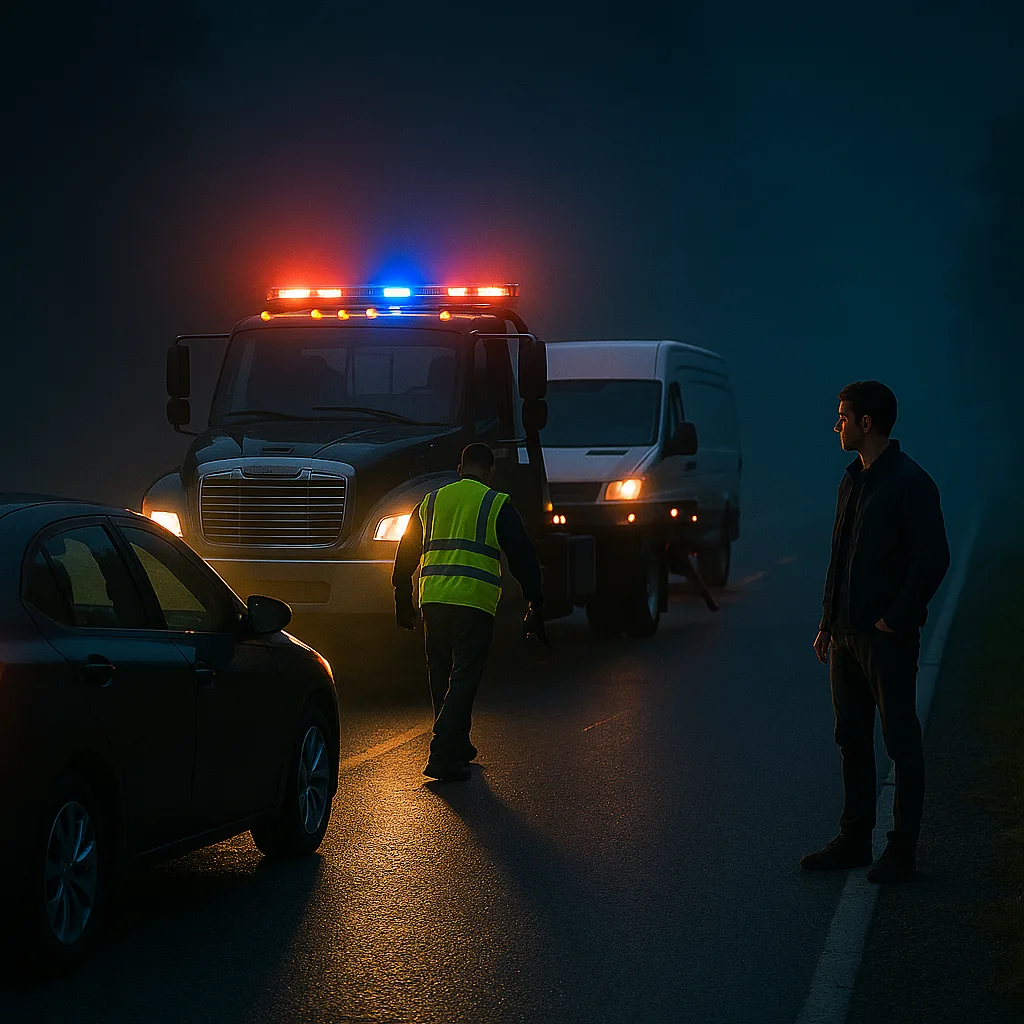
Newport is a compact river city with an interstate through it, which means two completely different service problems in one small footprint. On I-471, calls are high-speed interstate work with bridge approaches and limited shoulder. Four blocks away in the Monmouth Street grid, they are city work, delivery trucks, food-service reefers and box vans in narrow one-way streets with parked cars on both sides. Road Rescue Network dispatches both, 24/7.
The river crossings define the timing. I-471 backs up on both approaches at peak, and the Taylor Southgate and Purple People bridges give the surface grid its own rhythm of congestion. A truck that goes down on the Kentucky approach to a river bridge is in a queue, not in free-flowing traffic, so our dispatchers stage from the surface side to get around the stack rather than joining it.
The steady Newport call mix is hospitality and food service. The Levee district, the aquarium and the riverfront hotels take deliveries every day into loading zones that were laid out long before 53-foot trailers existed. Reefer faults, lift-gate failures and units blocking a one-way street are our routine work here, and they are almost always time-critical because the delivery window is short and the street cannot absorb a stopped truck.