Salem sits on the I-5 spine of the Willamette Valley, halfway between Portland's container terminals and the Eugene distribution belt, and the entire valley's agricultural output, hops, hazelnuts, marionberries, Christmas trees, processed grass seed, moves through Salem yards on its way to the Port of Portland or the Pacific Northwest grocery chains. As the state capital, Salem also pulls a steady volume of state-government and contract freight through downtown that other cities its size do not see. Winter ice and freezing-rain events on the I-5 corridor make even mid-distance reefer runs a planning exercise from late November through February.
Salem is the capital city of the U.S. state of Oregon, and the county seat of Marion County. It is located in the center of the Willamette Valley alongside the Willamette River, which runs north through the city. The river forms the boundary between Marion and Polk counties, and the city neighborhood of West Salem is in Polk County.
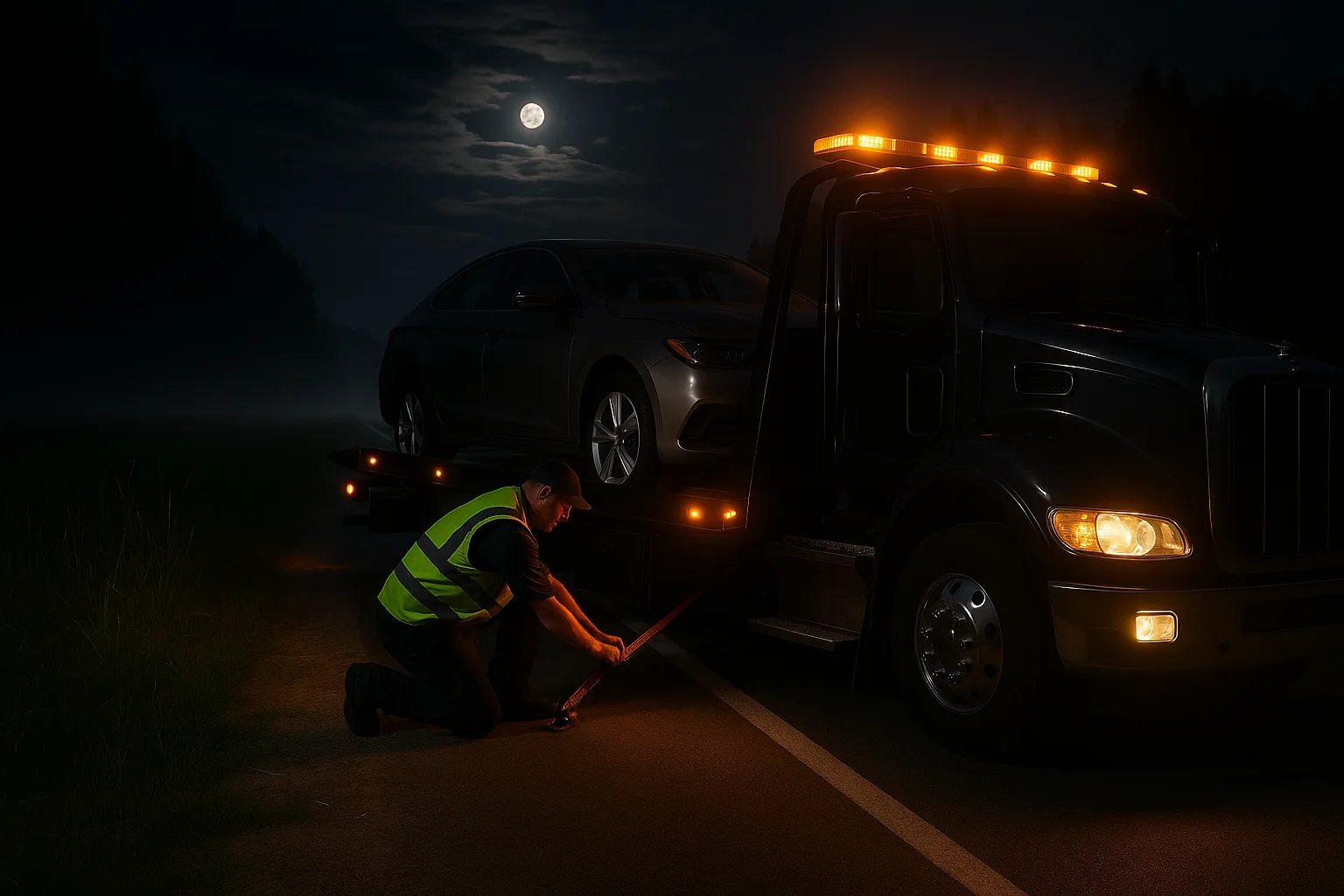
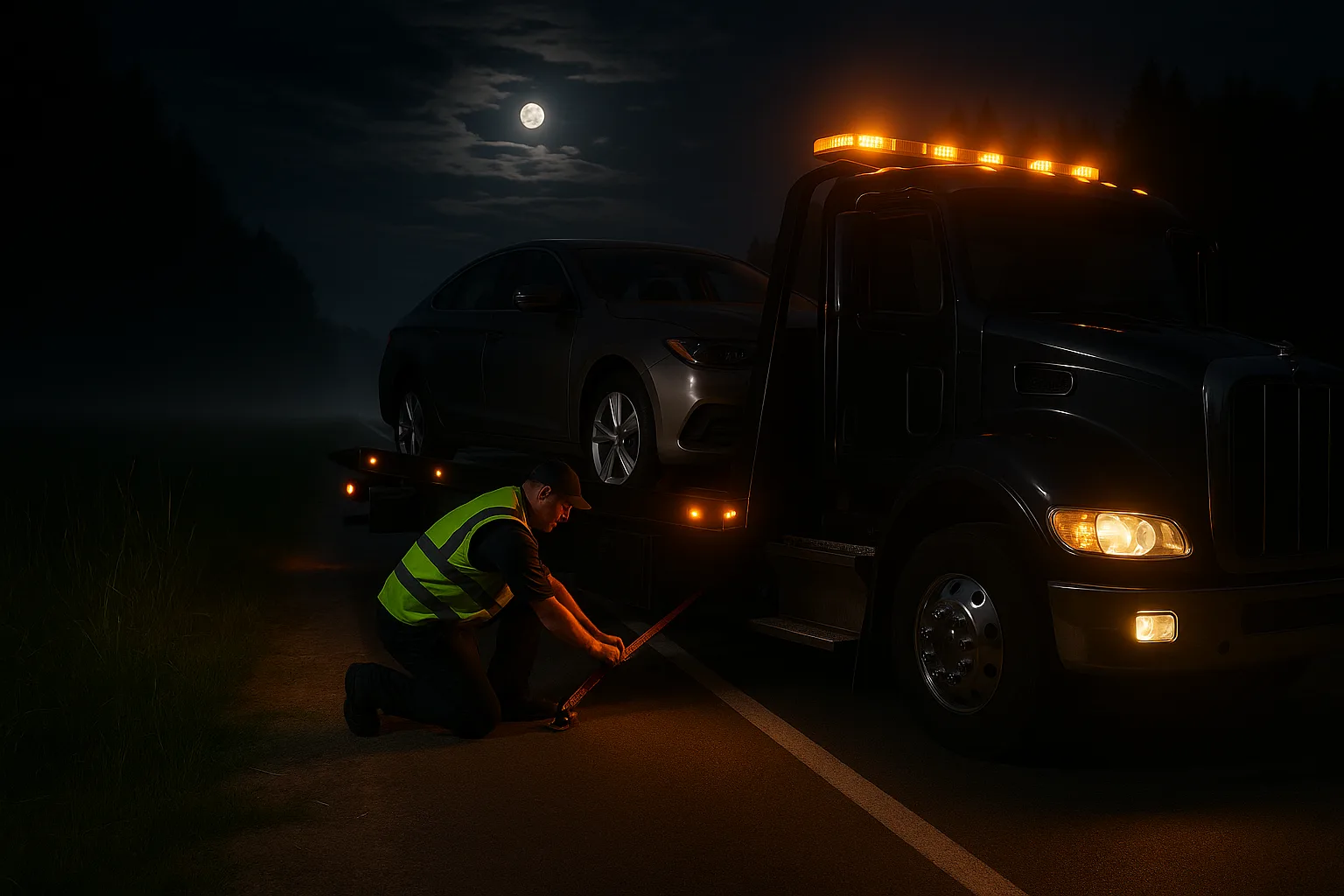
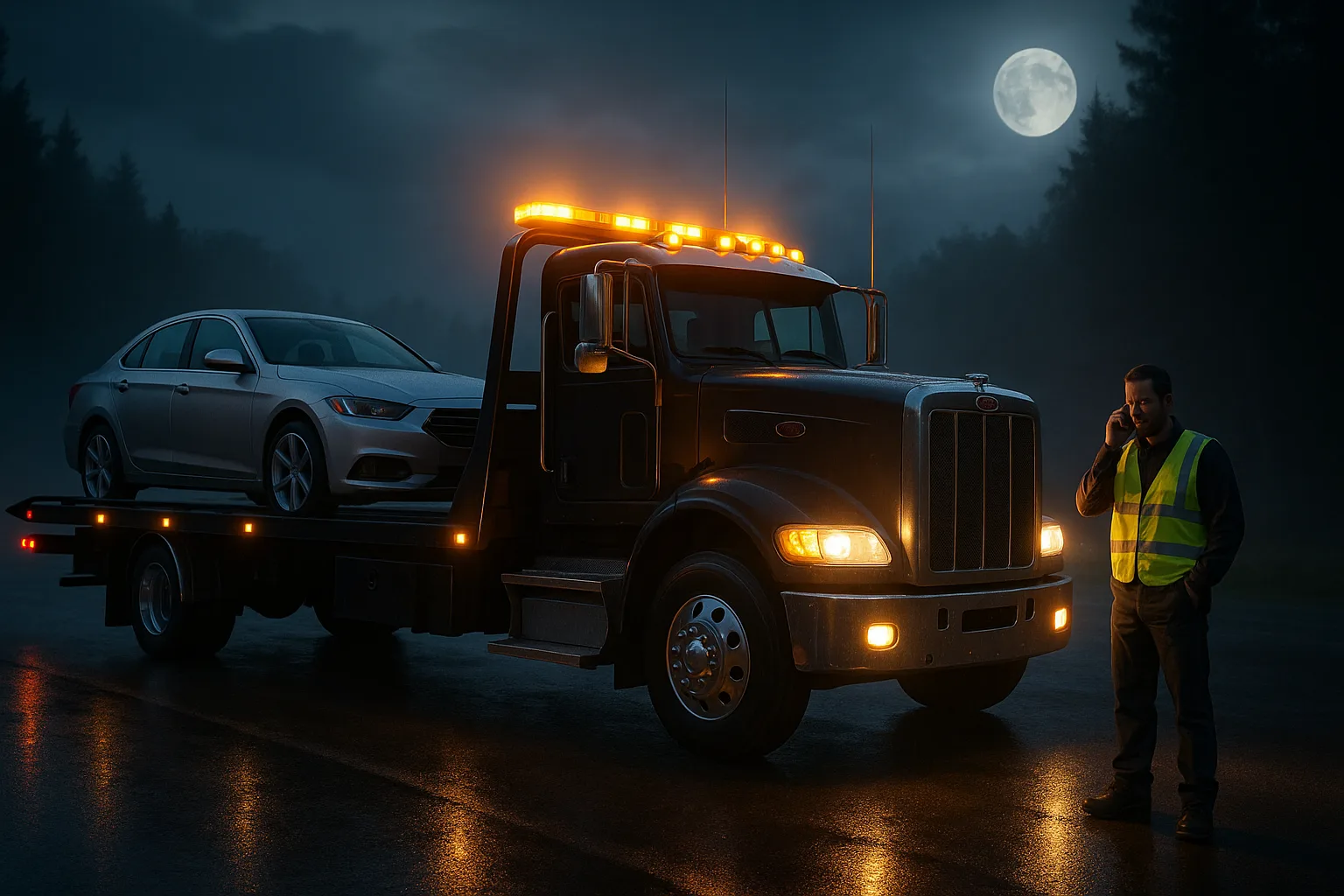
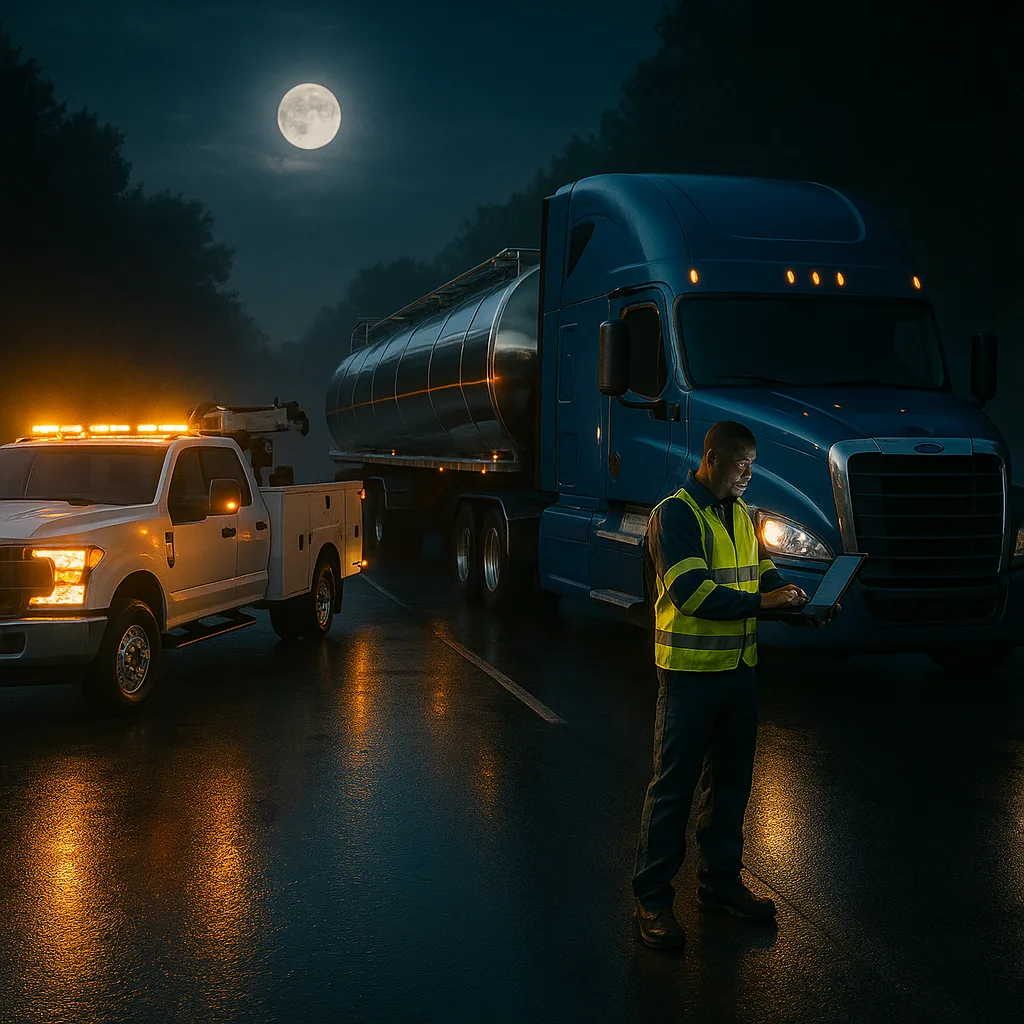
Salem's freight economy runs on the I-5 corridor, the agricultural belt that wraps around the city, and a state government that adds twenty thousand vehicles to the downtown grid every weekday morning. When a Class 8 reefer pulling marionberries out of NORPAC's Stayton plant goes down on I-5 during the December ice window, every minute it sits is a quality-spec clock running on a load that has to clear Portland by morning. Road Rescue Network's Salem rescuers are pre-positioned at the Kuebler interchange and along the OR-22 corridor with response times calibrated for the kind of weather that locks the valley up two or three nights a winter.
Anyone who's run a fleet through Willamette Valley winters knows that the freezing-rain window on I-5 between Salem and the Eugene split is one of the most consistently treacherous freight stretches on the West Coast. Black ice on the OR-22 climb out toward Stayton, low-pressure tire failures in 28-degree pre-dawn loadouts at the hops yards near Independence, and air-system freezes on flatbeds parked overnight at the Kuebler Pilot, those are the calls that fill our December and January boards. The rest of the year the picture flips to summer wildfire-smoke advisories that put extra strain on cooling systems and air filters across the valley.
Whether you are a fleet manager dispatching from Portland with a tractor stranded at the Salem Parkway approach, or an owner-operator on OR-22 trying to reach a Mehama-area trailhead drop before an ice advisory hits, the closest verified, insurance-current rescuer in our Salem network is reached through a single phone call or service request. Coordination, dispatch, and ETA confirmation are handled by Road Rescue Network's 24/7 operations team.