Hose Make-on-Truck
Custom-length R1, R2, R12, 4SP, 4SH hose stock crimped to spec on the service truck. Fitting library covers SAE 37° (JIC), SAE 45°, ORFS, BSPP, and metric.
Need hydraulic hose repair in Philadelphia? We build the hose or hydraulic line on site to the fitting you actually have, and your machine goes back to work the same visit. Breakdowns here cluster on the interchanges, and a truck stopped on one is a traffic problem before it is a repair problem. I-95, I-76, and I-476 all run through Philadelphia, so most of our calls come off one of those. Freight around here moves for outfits like PhilaPort and Comcast, which is work that runs on a schedule.
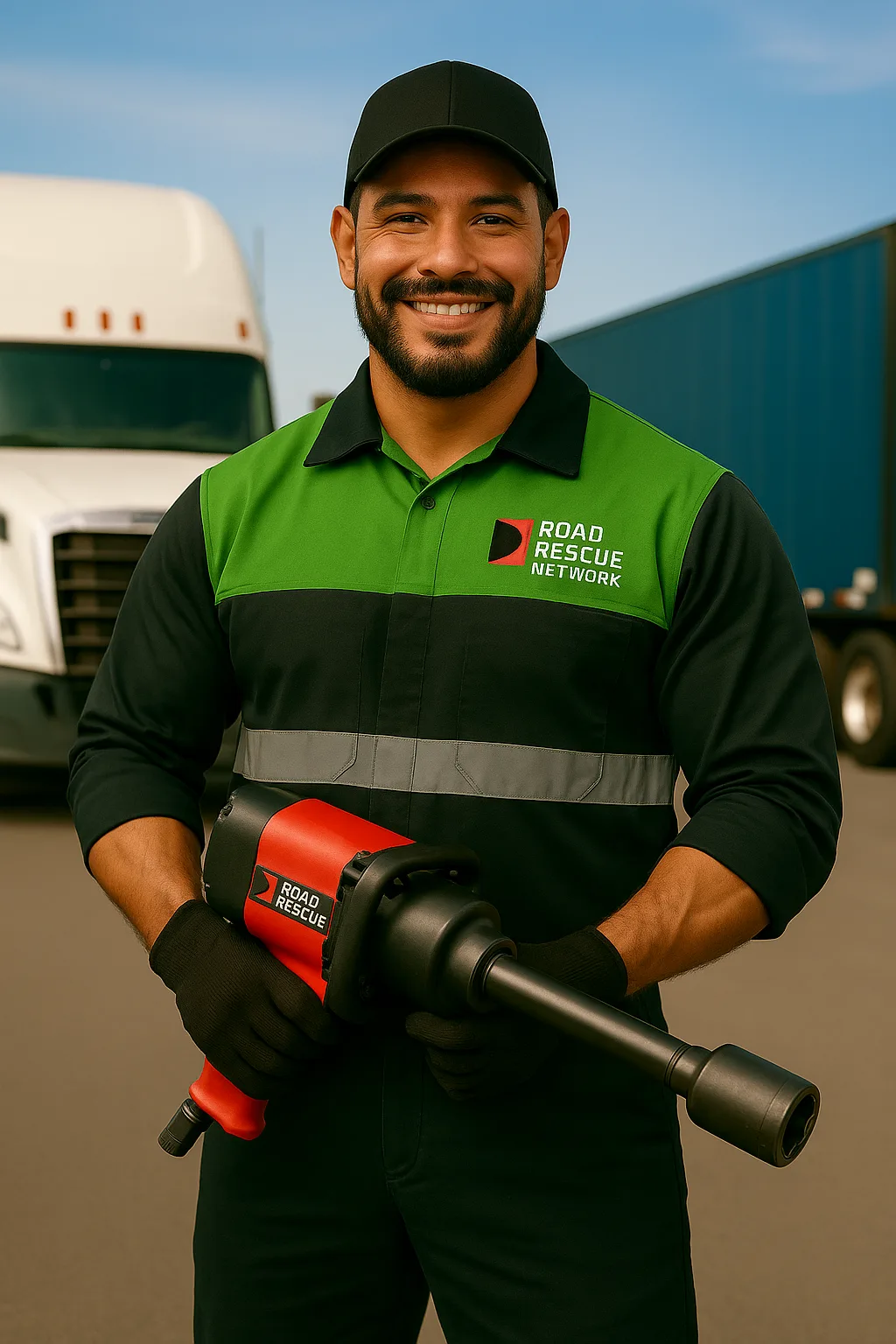
Hydraulic systems are the backbone of heavy machinery, they generate the force needed to lift, dig, move, and manipulate. When a hydraulic hose fails, the equipment stops, productivity halts, and depending on the application a safety hazard can develop. Mobile hydraulic hose service brings a portable crimper rig and a fitting library to your equipment, repairs or replaces the failed line on-site, and gets the machine back to work, usually under 90 minutes.
Hose failures happen because of pressure cycling, friction, environmental exposure, or general wear. Across Philly's freight and construction corridors we see the highest volume from refuse-truck packers, dump-trailer cylinders, dock-equipment forklifts, and construction-site equipment.
Custom-length R1, R2, R12, 4SP, 4SH hose stock crimped to spec on the service truck. Fitting library covers SAE 37° (JIC), SAE 45°, ORFS, BSPP, and metric.
On-site seal kits for common refuse and dump-trailer cylinders (Heil, McNeilus, Labrie, Mailhot).
Low-pressure (up to 4,000 PSI), medium (up to 6,000 PSI), high-pressure spiral (up to 6,500 PSI). Specialty thermoplastic and ag-grade ordered same-day.
Emergency body-lower / arm-lower procedures for stuck-up dump trailers and packed refuse bodies that can't move until pressure is released.
Construction, agriculture, material handling, mining, forestry, refuse, marine. Bring the failed component photo and we know whether it's stocked.
Yard-side hose inspection and replacement for fleets running pre-trip checks. Cheaper to catch a worn hose than a roadside blowout.
Hauling a stuck-up dump trailer or a packed refuse truck to a hydraulic shop is impossible, the body can't lower without first releasing system pressure. Mobile hydraulic dispatch handles the bleed and the repair where the equipment sits.
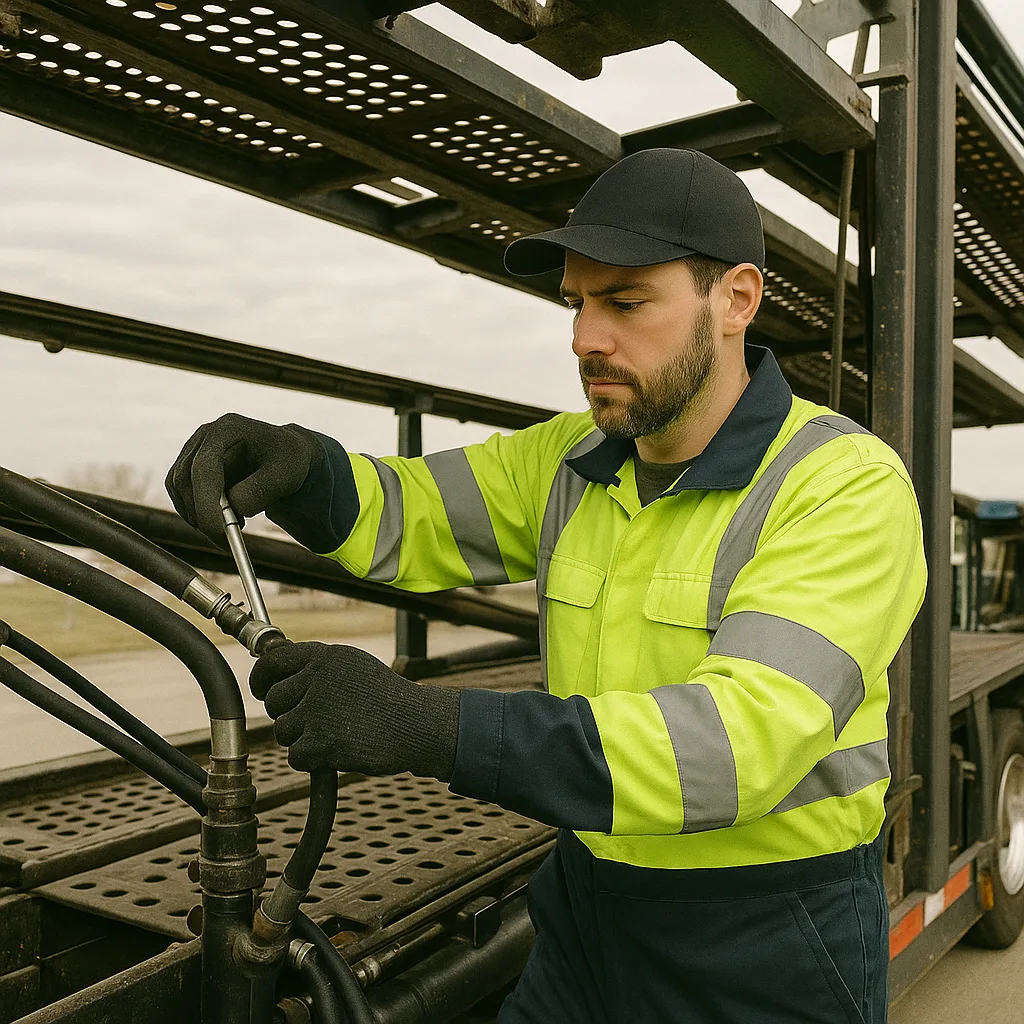
Service trucks run a portable crimper, full hose-stock reels for R1/R2/R12/4SP/4SH, and a fitting library (SAE 37°/45°, ORFS, BSPP, metric). Cylinder seal kits for major refuse and dump-trailer brands stocked on-truck.
The entire value here is a crimper that arrives at the machine. A Philadelphia truck without bulk hose and a die set can diagnose a burst hose and do nothing about it.
Crimper with full die range, calibrated
Every hose call. This single tool is the difference between a repair on site and a parts-counter round trip.
1- and 2-wire braid, 4- and 6-spiral, common IDs
Carried so the assembly is built to the machine's actual pressure rating rather than to whatever is on the shelf.
JIC, ORFS, NPT, SAE flange, BSPP, metric
Carried in depth because end identification is where these jobs are won or lost.
Cut-off saw, projectile cleaning system
Every assembly. Cutting debris left inside a new hose goes straight into the pump — this step is not optional.
Gauges, flow meter, test fittings
Pump, valve, and performance complaints. Confirms the repair restored rated pressure rather than just stopping the leak.
Common hydraulic fluids, filters, pumps
Any repair that loses significant fluid, and every contamination cleanup.
Absorbent, booms, drain covers, disposal
Any burst that put oil on the ground. A storm drain reaching release is reportable, and containment is the first move.
Gland tools, seal kits, honing gear
Drifting and weeping cylinders, where the fix is a seal rather than a replacement assembly.
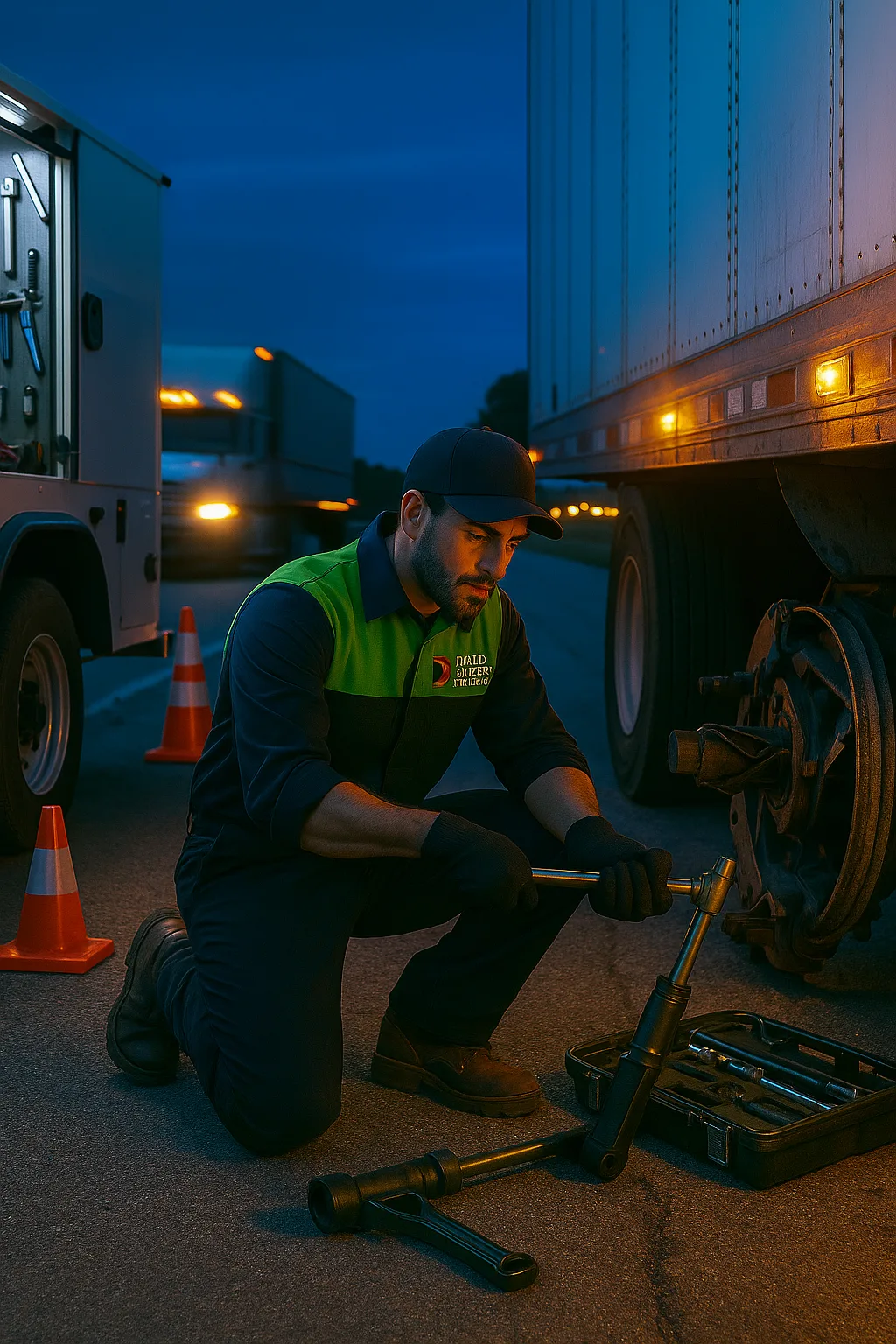
One call puts a hydraulic hose repair unit on the road to you anywhere in Philadelphia or out along I-95 and I-76. Tell us the road and which way you are pointed and we do the rest.
Hoses built and replaced where the machine sits across Philadelphia — jobsite, yard, quarry, dock, or shoulder. A blown hose stops a machine instantly and dumps oil while it does, so this is measured in hours of downtime, not in the price of the hose.
Hose cut, fittings selected, and the assembly crimped at the machine. A Philadelphia truck carrying bulk hose and dies replaces the parts-counter round trip that normally costs half a shift.
One- and two-wire braid for general service, four- and six-spiral for high pressure and impulse. Fitting a Philadelphia machine with underrated hose is the most common cause of a repeat failure.
JIC, ORFS, NPT, SAE flange, BSPP, and metric ends identified on the spot. Getting this wrong is why a hose that physically threads on still weeps at pressure in Philadelphia.
Steel tube bending, flaring, and adaptation where the failure is a line rather than a hose. Frequently faster than sourcing a Philadelphia OEM assembly that is weeks out.
Sleeving, clamps, spiral wrap, and rerouting away from heat and pinch points. Abrasion is the leading cause of Philadelphia hose failure, and the second failure is preventable even when the first was not.
Walking a Philadelphia fleet or jobsite to find cracked covers, weeping fittings, and hoses rubbing through before any of them let go. The cheapest hydraulic work there is.
Finding the actual source when oil is everywhere and the machine is hot. A Philadelphia leak that appears to be a hose is often a fitting, a seal, or a cracked port.
Rod seals, wipers, and packing on lift, tilt, boom, and outrigger cylinders. A Philadelphia cylinder that drifts under load is a seal problem long before it is a cylinder problem.
Diagnosing lost flow and lost pressure, and distinguishing a failing pump from a relief valve, a suction restriction, or aerated fluid. Replacing a good Philadelphia pump is an expensive way to not fix it.
Directional, relief, and load-holding valves, plus solenoid and pilot faults. The reason a Philadelphia function moves slowly, drifts, or will not hold.
Filter service, fluid replacement, and cleanup after a burst. Contamination is what destroys Philadelphia pumps and valves, and a hose failure introduces it directly into the system.
Gauges and flow meters to confirm the system actually performs after the repair. A Philadelphia machine that runs is not the same as a machine that makes rated pressure.
Boom, arm, bucket, and auxiliary circuits. The highest-volume Philadelphia hydraulic hose calls, because these machines flex their hoses through every cycle of every hour.
Hoist cylinders, wet kits, PTO circuits, and pump drives. A Philadelphia dump body stuck up is both a downtime problem and a clearance hazard.
Wheel-lift, boom, winch, and underlift circuits. A hydraulic failure on a Philadelphia recovery unit takes the rescuer out of service in the middle of somebody else's emergency.
Packer blades, tippers, aerial devices, and outriggers. Philadelphia municipal and utility fleets run these hard on fixed routes with no slack in the schedule.
Tractors, implements, forklifts, and telehandlers. Quick-couplers and long implement runs make these Philadelphia machines particularly prone to abrasion failures.
Crane circuits and liftgate pumps and cylinders. A Philadelphia liftgate that will not lift strands the freight rather than the truck, which is often worse.
A blown hose stops the machine where it stands. Philadelphia dispatch is built around getting a crimper to it rather than getting it to a crimper.
Liftgates, dump bodies, and wet kits failing on the road. A raised Philadelphia dump body cannot legally or safely travel, so the repair happens where it stopped.
Absorbent and containment for the fluid a burst hose puts on the ground. A Philadelphia release to soil or a storm drain is a reportable environmental problem, not just a mess.
Flushing and filtration after a catastrophic failure has put debris through the circuit. Skipping it in Philadelphia means the new pump fails the same way the old one did.
Capping or looping a circuit so a Philadelphia machine can be moved off a roadway or out of a work zone when the full repair has to wait for a part.
Hose replacement scheduled into a Philadelphia night or weekend shutdown so production does not stop for planned work. The cheapest possible version of this repair.
Rolling 30-day average dispatch-to-arrival, by service type, across the local rescuer network.
Google shows "how much does it cost to fix a hydraulic hose" on this search because nobody on page one answers it. The honest answer is that the hose is rarely the expensive part — here is what actually drives a Philadelphia invoice.
Bringing a crimper, bulk hose, and fittings to the machine. This is the line that replaces the downtime of getting the machine to a counter, which is usually the larger cost by far.
The biggest driver of the assembly price. Small one-wire braid is inexpensive; large six-spiral high-pressure hose is several times that per foot, and underrating it to save money guarantees a repeat failure.
Priced by the foot, plus the labor to route it correctly. A hose that is right but routed against a hot surface fails again on its own schedule.
Two ends per assembly, and specialty or metric ends cost more than common JIC. Correct identification is what keeps a fitting from weeping at pressure.
Reaching the failed hose is frequently the job. A boom circuit on an excavator or a hose buried in a chassis takes far longer than the crimp itself.
Hoses of the same age fail on the same schedule. Replacing the neighbors while the machine is already down is usually cheaper than a second dispatch next week.
A burst empties the reservoir onto the ground. Replacement fluid at volume is a real line item, and the correct specification matters to the pump.
A catastrophic failure sends debris through the circuit. Flushing and filter replacement is the cheap step that protects the pump and valves that are not cheap.
Absorbent, containment, and proper disposal of oil-soaked material. Small on the invoice and much smaller than an environmental report.
A stopped machine on a jobsite or a raised dump body on a roadway is an emergency dispatch, and it carries the premium tier.
The line that dominates the real cost. An idle crew and a stopped machine usually exceed the entire repair within hours, which is the whole economic case for mobile.
Charged when the complaint is lost pressure or drift rather than a visible burst. Worth it — replacing a healthy pump is the most expensive wrong guess in hydraulics.
Road Rescue Network does not set a member operator's rates. What the network does is get a truck with a crimper, bulk hose, and a full fitting range to the machine, so the assembly is built to the right pressure rating on the first visit instead of guessed at a counter.
The same crews that run Philadelphia also cover Camden (4 mi), Cherry Hill (11 mi) and Upper Darby (6 mi), so a call from either side of Philadelphia County reaches the same desk.
Each service links to local response times, rescuer coverage, and recent dispatched jobs in this metro.
A live map of every mobile hydraulic hose technician in Philadelphia metro, with real-time positions, ETAs, and dispatch status, available inside your dashboard.
Sign in to track network rescuers across Philadelphia in real time, dispatch jobs, and confirm ETA before the truck rolls.
Each corridor has a dedicated breakdown landing page with service zones, exits, and recent dispatched jobs.
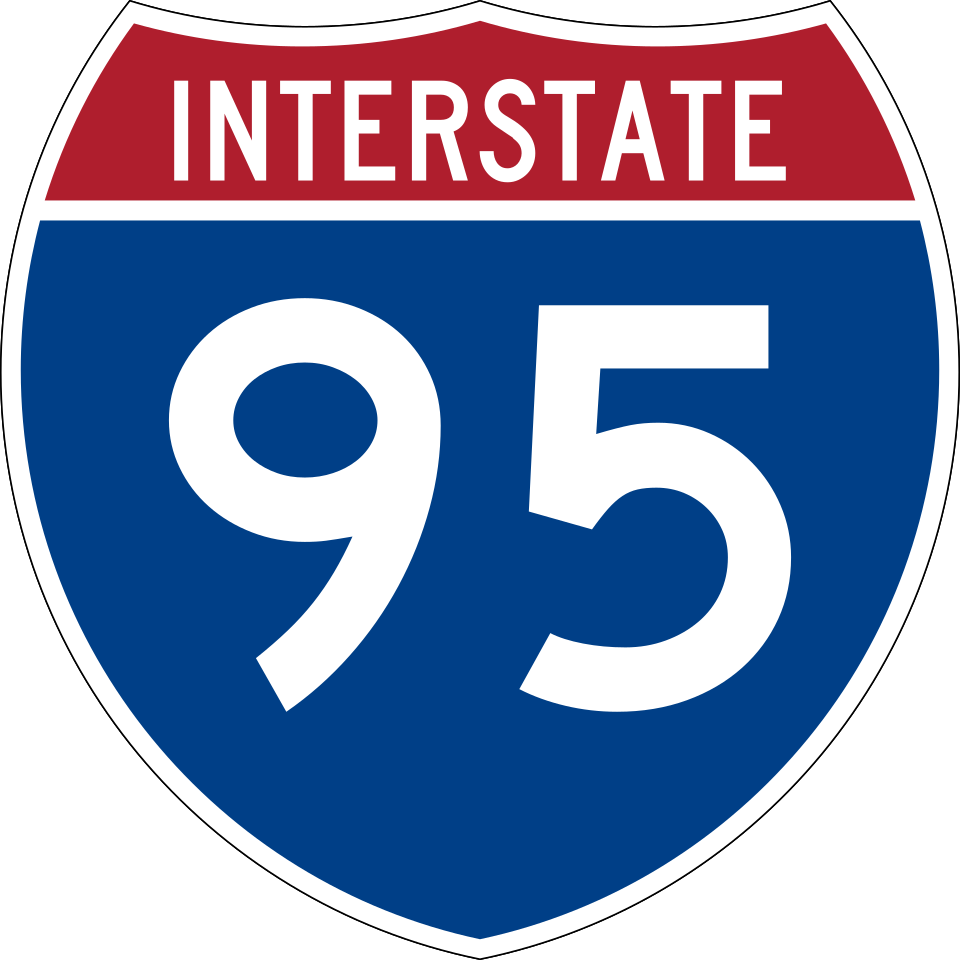
18 exits in Philadelphia
The Northeast Corridor spine through Northeast Philadelphia and South Philly. PennDOT's I-95 reconstruction project has rolling lane closures between Cottman Avenue and Girard Avenue. Heavy breakdown clusters at Cottman, Allegheny, and the Walt Whitman approach.
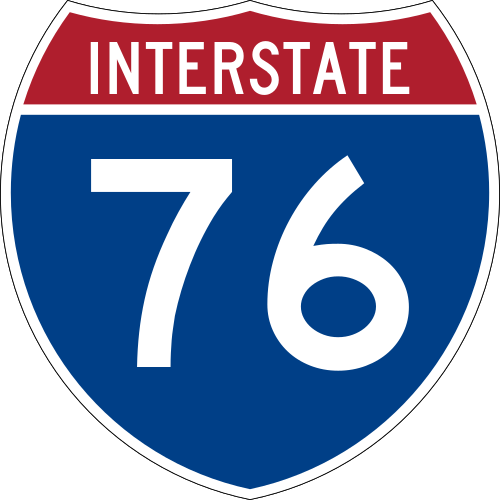
13 exits in Philadelphia
The Schuylkill Expressway, two lanes each way through Center City, infamous for shoulderless stretches and chronic congestion. The Conshohocken Curve and the Vine Street Expressway tie-in are daily breakdown zones.
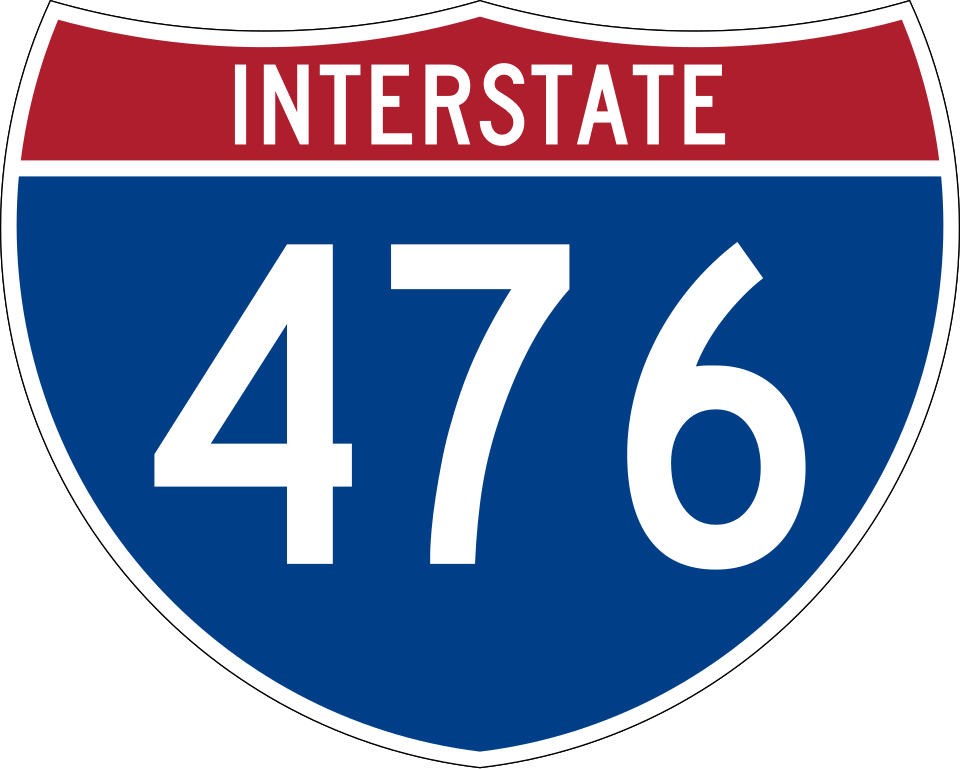
14 exits in Philadelphia
The Blue Route around the western suburbs from Plymouth Meeting to Chester, then Northeast Extension up to Allentown. Major freight relief route avoiding Center City; service calls cluster at the I-95 and I-76 interchanges.
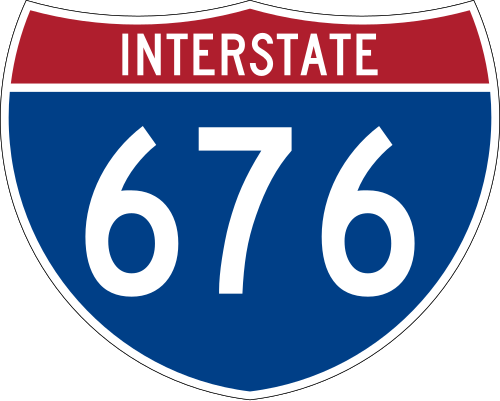
6 exits in Philadelphia
Vine Street Expressway, the Center City crosstown spur connecting I-95 to I-76 and across the Ben Franklin Bridge to Camden. Tunnel-style depressed roadway, low overhead clearance issues for over-height freight.

19 exits in Philadelphia
Roosevelt Boulevard, surface freight artery from the Northeast through to City Avenue. High-volume box-truck and last-mile fulfillment corridor; a notorious traffic-fatality stretch with active red-light cameras.
11 exits in Philadelphia
Lancaster Avenue / Lincoln Highway, east-west surface route through West Philadelphia and the Main Line. Heavy mixed-use volume between Center City and Paoli; freight traffic supplements I-76 when the Schuylkill is closed.
Patterns observed across recent dispatch data in this metro, by service type and corridor.
Packer Avenue Marine Terminal yard forklift dumps hydraulic fluid from a blown high-pressure hose, operations stop until repair clears. We dispatch a hose tech with a hose reel and crimping rig on the service truck. Most blowouts resolve under 90 minutes with on-truck stock; specialty fittings order same-hour from our Bensalem hydraulic supply partner.
Loaded dump-trailer hydraulic line blows on US-1 with the body partially raised. Truck cannot move, body cannot lower, and traffic backs up immediately. We carry emergency manual-bleed procedures and replacement R12 hose on the service truck, most calls clear the lane in under 75 minutes.
Refuse-truck packer cylinder leaks down at Pureland after a route, operator can't lift to service depth. Cylinder seal replacement happens on-truck where the rig sits; we carry the common Heil, McNeilus, and Labrie cylinder seal kits stocked on the service truck.
Hydraulic work carries two hazards most trades do not — injection injury and an environmental release. What governs it in Philadelphia, Pennsylvania.
Dense redevelopment across Center City and the river wards keeps excavators, skid steers, and material handlers working in tight sites. Confined working room is exactly the condition that abrades hoses against structure, and it is also what makes a mobile repair worth more than a shop visit.
Packer Avenue and the surrounding terminals run reach stackers, forklifts, and container handlers continuously. A hydraulic failure inside a terminal blocks a lane rather than a jobsite, so the clock is measured differently.
Ongoing I-95 corridor reconstruction keeps paving equipment, sweepers, and attenuator trucks in service on tight schedules. Hydraulic downtime inside an active work zone has knock-on traffic-control costs beyond the machine itself.
Philadelphia sanitation and regional utility fleets run packer bodies and aerial devices on fixed daily routes with no spare capacity. These are the fleets where a scheduled hose survey pays for itself the first time it prevents a mid-route failure.
Philadelphia's combined sewer system means oil reaching a street drain can enter the system directly. Pennsylvania environmental authorities take petroleum releases seriously, and containment at the scene is what keeps a burst hose from becoming a reportable incident.
Delaware Valley cold stiffens hose covers and makes marginal, cracked hose fail on the first hard cycle of the morning. A cover crack found during a fall survey is a five-minute problem; the same hose in January is an emergency.
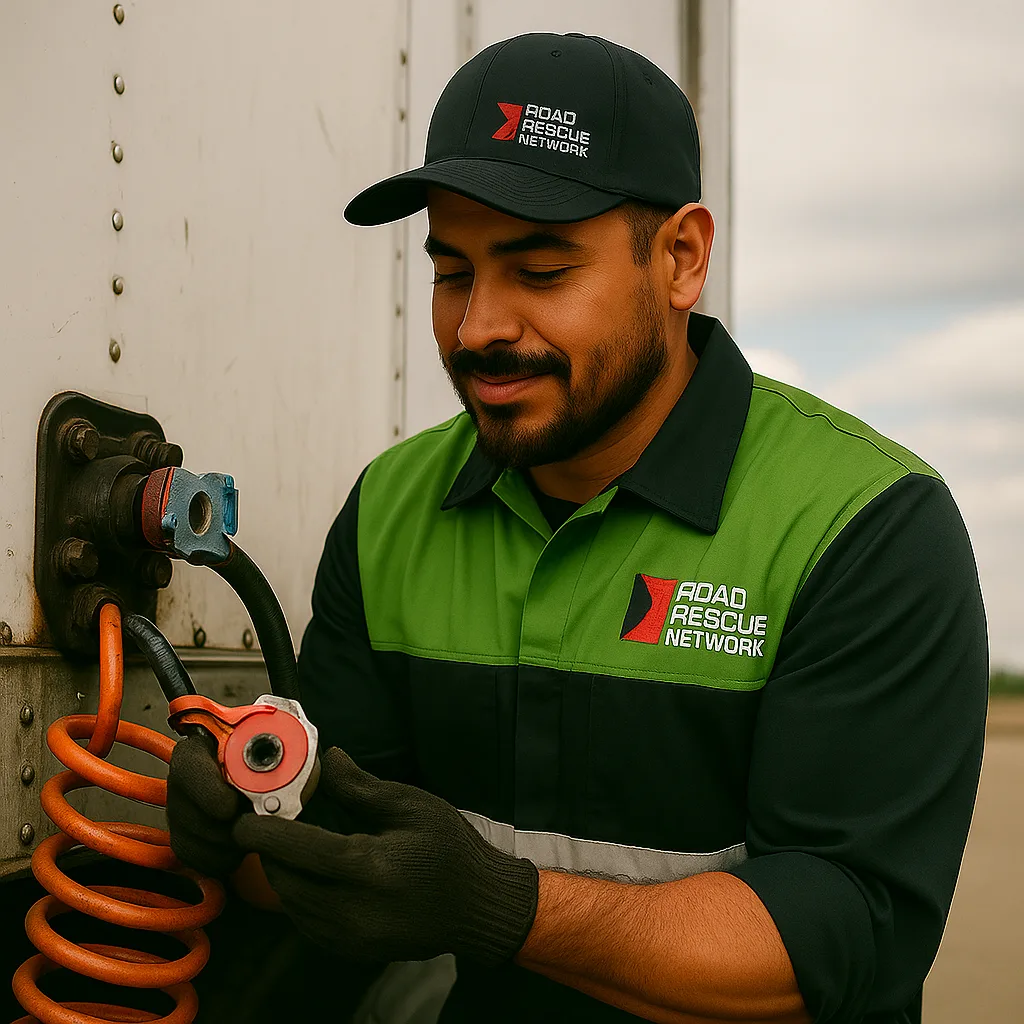
Most Philadelphia calls are answered in about 38 minutes. You get a real time before anyone rolls, and the price before the work starts.
Philadelphia is the I-95 corridor's mid-Atlantic anchor and home to PhilaPort, one of the East Coast's fastest-growing container terminals after the channel deepening to 45 feet. PennDOT bridge work along the I-95 spine, Schuylkill Expressway congestion, and dense Walt Whitman / Ben Franklin Bridge truck volume between Philadelphia and South Jersey make this metro one of the most procedurally tight freight environments in the Northeast.
Philadelphia, colloquially referred to as Philly, is the most populous city in the U.S. state of Pennsylvania and the sixth-most populous city in the United States. Its population was 1.60 million at the 2020 census and estimated at 1.57 million in 2025. The Philadelphia metropolitan area, also known as the Delaware Valley, is located in both the Mid-Atlantic and northeastern United States; home to 6.33 million residents, it is the nation's ninth-largest metropolitan area. Philadelphia is known for its culture, cuisine, and history, maintaining contemporary influence in technology and business, sports, and music.
Anyone who has dispatched a truck through Philadelphia knows the Schuylkill Expressway's reputation, two narrow lanes each way, no shoulders for miles, and a daily mid-morning crawl that turns any breakdown into a multi-county incident. Road Rescue Network's Philadelphia rescuers stage on both the I-76 east and west banks with the precise PennDOT-cleared pull-off list memorized, so a 9am breakdown at the Conshohocken curve becomes a 35-minute response, not a 2-hour ordeal.
Philadelphia's freight economy runs on bridges. The Walt Whitman, Ben Franklin, Betsy Ross, and Tacony-Palmyra each have their own truck restrictions, height envelopes, and weight constraints, and PennDOT's rolling I-95 reconstruction means yesterday's safe stretch is today's lane-closure zone. Our network is built around mechanics who track these closures daily, not generalists guessing at where to pull off.
Whether you are a fleet manager dispatching from Atlanta with a reefer stranded at the Packer Avenue terminal, or an owner-operator on US-1 inbound from Trenton, the closest verified, insurance-current rescuer in our Philadelphia network is reached through a single phone call or service request. Our 24/7 dispatch desk handles ETA confirmation, PSP coordination on the Schuylkill, and direct hand-off to the responding tech.
Reviews collected from fleet customers and drivers after completed service calls in this metro.
“Driver lost a turbo on I-76 westbound during the morning crawl. RRN got a tech to the Belmont Avenue pull-off in 28 minutes, swapped in a loaner turbo and limped us to the shop. Saved a same-day delivery to PhilaPort.”
“Lost air on the Walt Whitman during the evening rush. Tow operator coordinated with DRPA, had me off the bridge in 45 minutes flat, and dropped me at a shop that knew the Volvo air system cold. Smooth all the way.”
“Steer blew on the Schuylkill near University Avenue. Tech got there in 33 minutes with the right size, but PennDOT had a lane shift that added 10 minutes to the wait. Got us legal and rolling, fair price.”
The assembly itself is usually the smallest part of the number. Price is driven by hose diameter and pressure rating — a short one-wire braid hose is inexpensive, while large four- or six-spiral high-pressure hose costs several times as much per foot — plus two fittings, the length, and the labor to reach the failure. A Philadelphia mobile call adds a service charge for bringing the crimper and bulk hose to the machine. The cost that dominates all of it is downtime: an idle crew and a stopped machine typically exceed the entire repair within hours, which is why on-site repair usually wins on total cost even when the line item is higher. If several hoses are the same age, ask about replacing the neighbors on the same visit.
Many NAPA locations do build custom hydraulic hose assemblies at the counter, and for a hose you can carry in, that is a legitimate and often inexpensive option. The catch is the part nobody mentions: you have to get the failed hose off the machine and bring it in, then get back and install it. On a skid steer in a yard that might be fine. On an excavator boom, a raised dump body, or a machine in the middle of a jobsite, the removal and the round trip cost more in downtime than the entire mobile call. The counter is right when the machine can wait and the hose comes off easily; a mobile crimper is right when it cannot.
Yes — O'Reilly offers custom-built hydraulic hose assemblies at many stores, and their own service page ranks for this search. Same trade-off as any parts counter: it is a good option for a hose you can remove and carry in, and no option at all for a machine that is down where it sits. It is also worth knowing that a hose assembly is rated as a system — hose, fittings, and crimp together — so the assembly needs to be built to the machine's actual working pressure rather than to whatever bulk hose is nearest. Bring the old hose and the layline printing if you go that route; it is what lets whoever builds it match the rating.
Road Rescue Network dispatches mobile hydraulic technicians across Philadelphia and the surrounding Pennsylvania metro, carrying a crimper, bulk hose in common diameters and pressure ratings, and a full fitting range so the assembly is built at the machine. Send a photo of both fitting ends and the layline printed on the hose when you call — that is what lets the truck arrive able to build the hose rather than just to measure it. We cover jobsites, yards, terminals, quarries, and roadside failures including raised dump bodies and liftgates, which cannot legally travel until they come down.
There is no fixed mileage or hour figure, because hose life is set by how it is used rather than by age alone. Flexing through every machine cycle, heat, UV, and above all abrasion against structure are what kill hoses, which is why the ones on an excavator boom fail long before the ones on a static circuit. The useful signal is visual: a cracked or worn cover, exposed wire braid, a weeping fitting, or a hose that has rubbed a bright spot on itself is a hose about to fail. Hoses of the same age on the same machine tend to fail in the same window, so finding one usually means checking its neighbors.
Shut the machine down and lower or block anything held up by hydraulics — a raised boom or bed is held by trapped pressure and can drop. Never touch a suspected leak with your hand or search for one by feel: fluid escaping a pinhole at operating pressure can inject through skin with no visible wound, and that is a surgical emergency that looks harmless for the first several hours. Get absorbent down and keep oil out of any storm drain, because a release into a drain can become a reportable environmental incident. Then photograph both fitting ends and the hose layline before calling, so the truck that comes can build the assembly on arrival.
Make on-truck. Our hose techs run a portable crimper rig with R1, R2, R12, 4SP, and 4SH hose stock plus a fitting library covering SAE 37° (JIC), SAE 45°, ORFS, BSPP, and metric fittings. Custom-length hoses with the right fittings get crimped at the service truck, no waiting for a shop callback.
Standard low-pressure (R1, R2 (up to 4,000 PSI), medium-pressure (R12) up to 6,000 PSI), and high-pressure spiral (4SP, 4SH, up to 6,500 PSI). Specialty applications (thermoplastic, ag-grade) order in same-day from our partner suppliers.
Yes, where the cylinder can be unbolted in-place. Common refuse and dump-trailer cylinders (Heil, McNeilus, Labrie, Mailhot) we keep seal kits stocked. Larger lift cylinders may require shop pull, we make the call based on access and hoisting needed for the cylinder.
Average response across the metro is 56 minutes from notification. In-yard calls at known fleet customers run faster (35-45 minutes). Cross-bridge calls into NJ run longer (60-80 minutes) due to bridge clearance protocols.
Service-call dispatch $185-265, hose stock and fittings billed at cost, labor at $135/hour with a 1-hour minimum. Most single-hose replacements run all-in $295-425 depending on hose length and fitting complexity. We give the all-in number before the truck rolls.
Average response time in Philadelphia is 38 minutes for mobile truck repair. Closer to 25 minutes inside the I-95 / I-76 / I-676 box, longer for the Main Line and South Jersey crossings. We track every call and post real averages, not marketing fluff.
Yes, those are our highest-volume service zones. Schuylkill breakdowns require PSP coordination for safe-pullout protocol on shoulderless stretches; Walt Whitman recoveries require DRPA credentials. Our dispatchers handle both handoffs, and we have rescuers stationed on both the Pennsylvania and South Jersey sides.
Every Road Rescue Network rescuer in Philadelphia is required to maintain current general liability, automobile liability, workers comp, and (where applicable) garage-keepers insurance. We re-verify every renewal cycle. Expired insurance = automatic suspension from dispatch.
Yes. We service national accounts with consolidated invoicing, fleet-card billing, and a single point of contact. Most national fleets onboard in under 48 hours. Reach out via the form on this page or call our dispatch line.
24/7/365. There is no after-hours surcharge for our network, rescuers quote the same rate at 3am as at 3pm.
We track the active work-zone schedule daily and route service trucks to approach from the contractor-MPT-cleared direction. If the breakdown is inside a closed work zone, our dispatcher coordinates with the contractor's MPT lead before our unit enters.
We dispatch routinely to TA Bordentown (I-295 Exit 57A), Pilot #228 Bensalem (I-95 Exit 37), Love's #389 Carneys Point NJ, the King of Prussia Service Plaza, and TA Lamar (I-80 Exit 173). Most of our service trucks know these locations by sight.
Most DPF regen issues we can resolve roadside with a forced regen and a cleaning of the differential pressure sensor. Full DPF removal/cleaning happens at our partner shops in Bensalem and Plymouth Meeting. We'll tell you upfront which path we're taking.
Standard service-call dispatch fee runs $155-235 in the Philadelphia metro depending on time of day and service type. Heavy-duty towing starts around $470 for in-county moves. We give a confirmed quote before the truck rolls, no surprises on arrival.
If we determine on-scene that the truck can't be fixed roadside in a reasonable window, we coordinate the tow with one of our heavy-duty network rescuers. Many of our service trucks dispatch alongside a wrecker so there's no second response time.
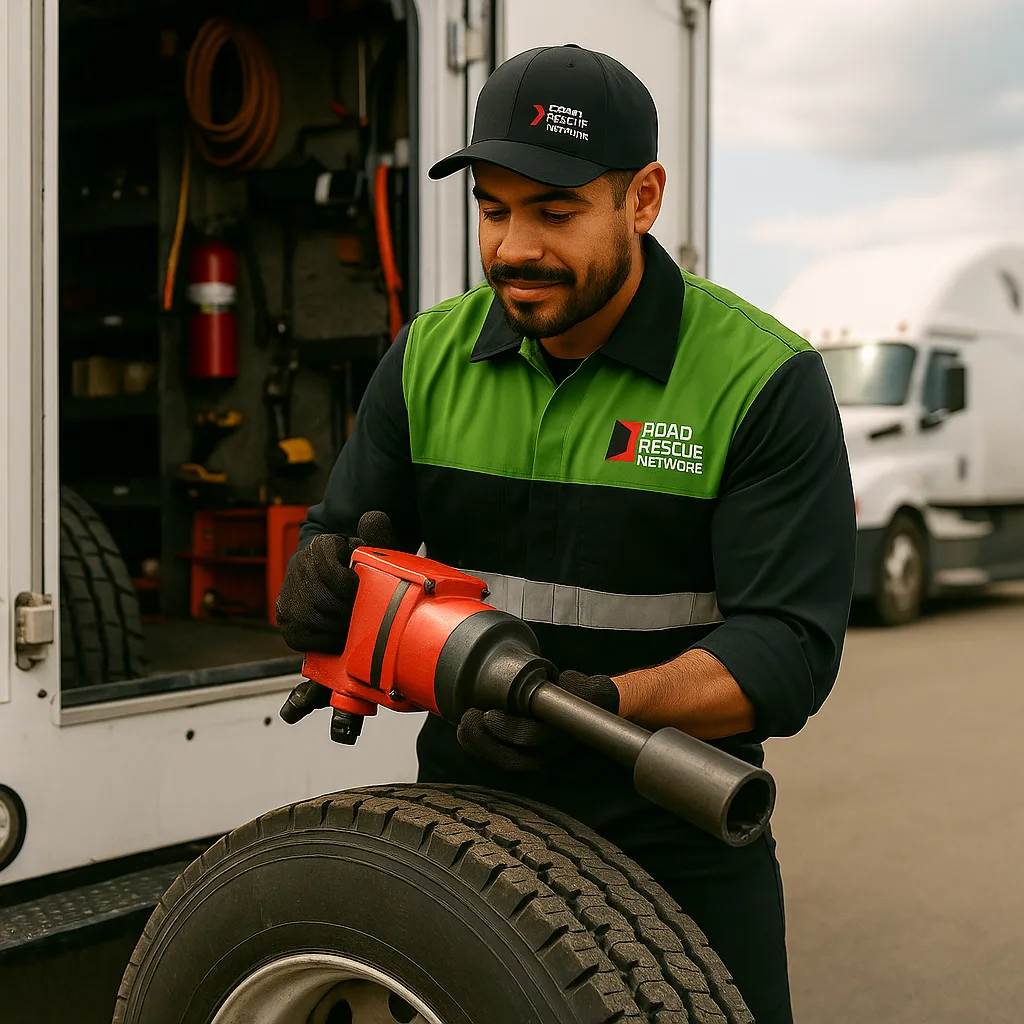
Philadelphia runs about 1,567,258 people and sits in Philadelphia County, inside the Delaware Valley / Philadelphia Metropolitan Area. We take the call, find the closest crew that actually does this work, and tell you what it costs before anyone turns a wheel.
Sample of recent dispatched service calls in this metro. Customer details removed; locations and response times preserved.
| When | Service | Location | Response |
|---|---|---|---|
| Friday 13:47 ET | Hydraulic Hose Repair | Packer Avenue Marine Terminal | 58 min |
| Tuesday 09:22 ET | Hydraulic Hose Repair | Roosevelt Boulevard at Adams | 52 min |
| Saturday 16:14 ET | Hydraulic Hose Repair | Pureland Industrial Complex | 64 min |
| Thursday 22:33 ET | Hydraulic Hose Repair | Tioga Marine Terminal | 55 min |
Coverage in surrounding cities and metros across the same network of verified rescuers.
The same verified network of providers, dispatched 24/7 across every major Pennsylvania metro and freight corridor.
Whether the truck is sitting in Philadelphia or out toward Upper Darby, it is the same phone number and the same crews. One call, day or night.
Road Rescue Network is actively recruiting verified hydraulic hose repair providers in the Philadelphia metro. Heavy traffic, real fleet leads, no auction race-to-the-bottom, straight rescuer-to-customer dispatch with confirmed pricing.
We send Philadelphia hydraulic hose repair calls directly to verified rescuers in your service radius. Apply once. Insurance & DOT verified. Live dispatch, fleet accounts, transparent pricing, no motor-club shave-down.
Deep-dive guide on choosing the right provider, common pitfalls, and what to expect on a service call.
OpenOpen positions at our network rescuers, full-time, part-time, and 1099 contract.
OpenOn-site photos from recent calls, see the work, not just the marketing.
OpenNetwork technicians carry diagnostic equipment, OEM-spec tooling, and common-failure parts for every major hydraulic hose repair brand on the road. Out-of-stock specifics order in within 24 hours.
Service trucks dispatch routinely to these locations across the metro freight corridors.
Closest full-service TA to Philly, scales, parking 250+
View Directory Profile →
Open 24/7, full service, north of city
View Directory Profile →
Tire Care center, Delaware Memorial Bridge feeder
View Directory Profile →
Iron Skillet, 24-hr shop, common westbound layover
View Directory Profile →Truck parking, food, fuel
Shop, food court, central PA relay
View Directory Profile →Local parts houses and diesel suppliers used by network mechanics for time-critical roadside repairs.
Heavy-duty parts, will-call, port-area drayage account
View Directory Profile →
HD truck parts
View Directory Profile →
Engine parts + dealer service
View Directory Profile →Major shippers, distribution centers, and industrial freight nodes generating outbound and inbound truck volume.
PhilaPort container terminal, drayage origin
Convenience-store DC, 700+ trucks/day
Ground sortation hub for the Delaware Valley
Eastwick + Northeast clusters, 1,500+ trucks/day
Largest industrial park in NJ, drayage gateway
Major outbound origin for the Delaware Valley
Three steps from the call to a cleared scene. Same flow whether you call from a fleet desk or the shoulder of an interstate.
A picture of both fittings and the layline printed on the hose tells us diameter, pressure rating, and end types. That one photo is what lets a Philadelphia truck arrive able to build the assembly rather than to measure it.
Bulk hose, a full die set, and a fitting range roll to where the machine stopped. Nothing about a Philadelphia hose repair requires moving the equipment, and moving it is usually the expensive part.
The assembly is built to the machine's actual working pressure, the system is brought up and checked at pressure, and the oil on the Philadelphia ground gets contained rather than left there.
Network rescuers accept all major credit cards, fleet cards, and consumer payment apps. Confirmed at dispatch.