Cab Lockout (Damage-Free)
Manufacturer-approved entry tooling specific to each Class 8 cab type. No trim damage, no warranty void.
Need a lockout service in Philadelphia? We come to you and open it without breaking your glass or bending the frame. Faster and cheaper than a window, and no body shop bill. Most calls here come off a highway at a bad hour, so where you are standing matters as much as how fast we get there. I-95, I-76, and I-476 all run through Philadelphia, so most of our calls come off one of those. Freight around here moves for outfits like PhilaPort and Comcast, which is work that runs on a schedule.
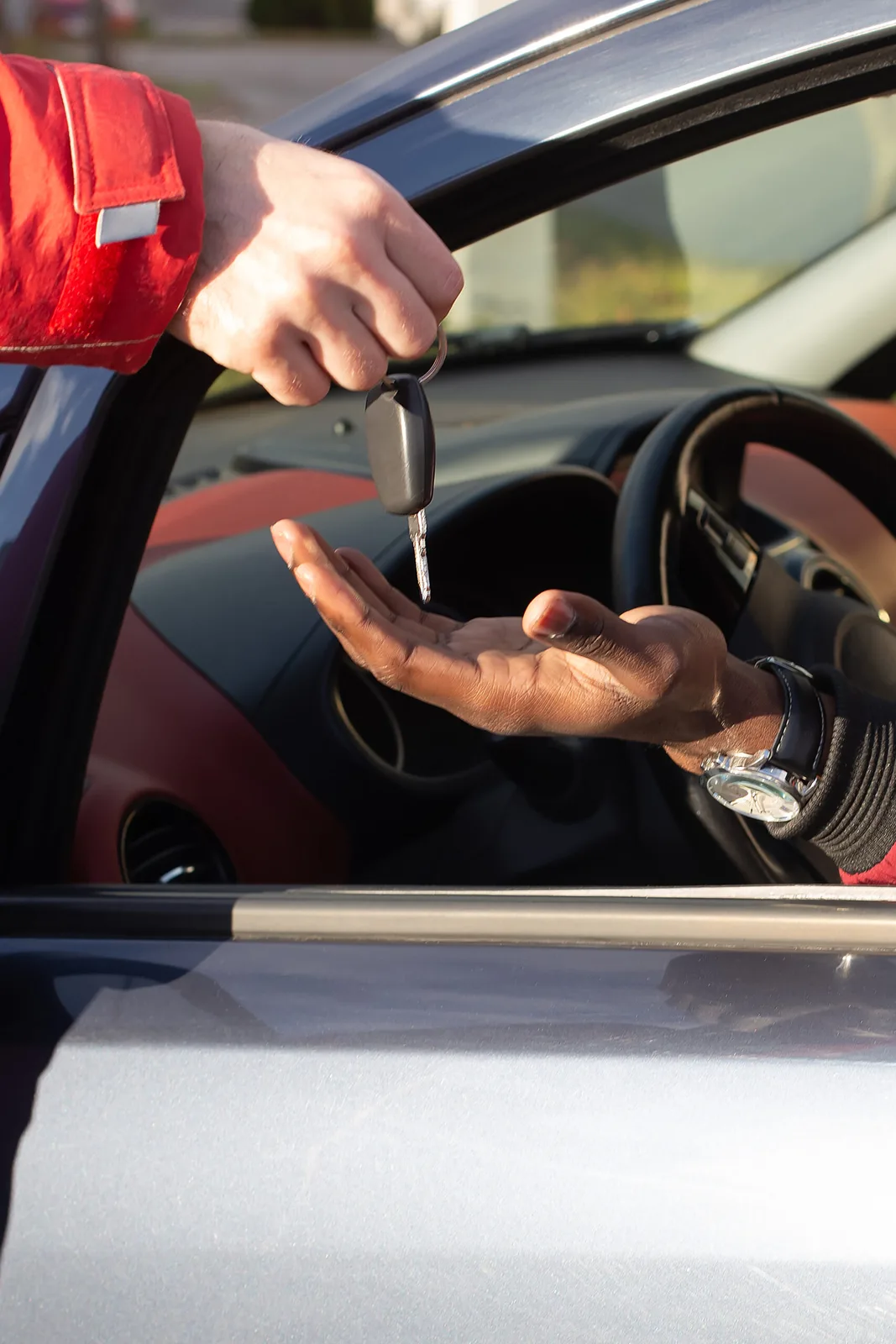
Commercial lockout service uses manufacturer-approved non-destructive entry tooling on commercial cabs and trailers, different equipment from the wedge-and-rod method common to passenger-car locksmiths. The tooling difference matters: trim damage on a fleet truck is unacceptable, and improper entry on modern Volvo or Mack cabs voids electronic-lockout warranties.
Lockouts cluster around truck stops and yard transitions, driver completes a shower, pre-trip break, or yard handoff and finds the keys in the cab and the door closed-locked. Most clear in 23-28 minutes from notification.
Manufacturer-approved entry tooling specific to each Class 8 cab type. No trim damage, no warranty void.
On-the-spot blank cutting plus transponder programming for chassis that require ECM authentication. Some specialty trucks coordinate with dealer for final flash.
Cargo and reefer trailer rear-door locks. Pin-tumbler, wafer, and disc-detainer pick sets on the truck.
Specialty pin and glad-hand lock removal where the customer has lost the key. Cutting tools for non-recoverable locks.
Yard padlocks, dock plate locks, and equipment-specific keyed cylinders. Coordinates with site security where needed.
dispatch for fleet yards with multiple lockouts (e.g., shift change). Quoted as a yard sweep to minimize per-truck dispatch fees.
Calling a passenger-car locksmith for a Class 8 cab risks $1,000+ in trim damage. Commercial lockout dispatch sends the right tooling for the chassis the first time.
Locksmith trucks carry manufacturer-approved non-destructive entry tools for each major Class 8 cab brand, plus key-blank stock and OEM programmers for transponder cutting. Pick sets for trailer cargo locks, king-pin locks, and disc-detainer disc-style padlocks.
The difference between a lockout and a body-shop visit is which tools showed up. Here is what a properly equipped Philadelphia unit carries.
Inflatable wedge, coated reach rod
Standard non-destructive entry on most vehicles. The wedge opens a controlled gap; the rod does the work without contacting the airbag or the wiring loom.
Make-specific decoding picks
Cylinder-level entry, and the tool that can also decode the cut so a key can be originated without pulling a lock apart.
Edge-cut and laser/sidewinder capable
Any key origination. Laser-cut blanks used by most European and late-model vehicles cannot be produced on a standard edge machine.
OBD programming, immobilizer pairing
Every chipped key and fob. Cutting alone produces a key that turns the cylinder and never starts the engine.
Push-to-start pairing, PIN retrieval
Keyless-entry vehicles. Several makes enforce a security delay, which is why these appointments are scheduled with a longer window.
VIN-based code lookup under credentialed access
All-keys-lost. Retrieving a factory code requires credentialed access and proof of ownership — the safeguard that stops this from being a theft service.
Broken-key extractors, cylinder tools
Snapped blades and seized cylinders, before any new key is cut.
Common domestic, import, and heavy-truck blanks
Carried so the job finishes on the first visit. A dispatcher confirming your year, make, and model is checking stock, not stalling.
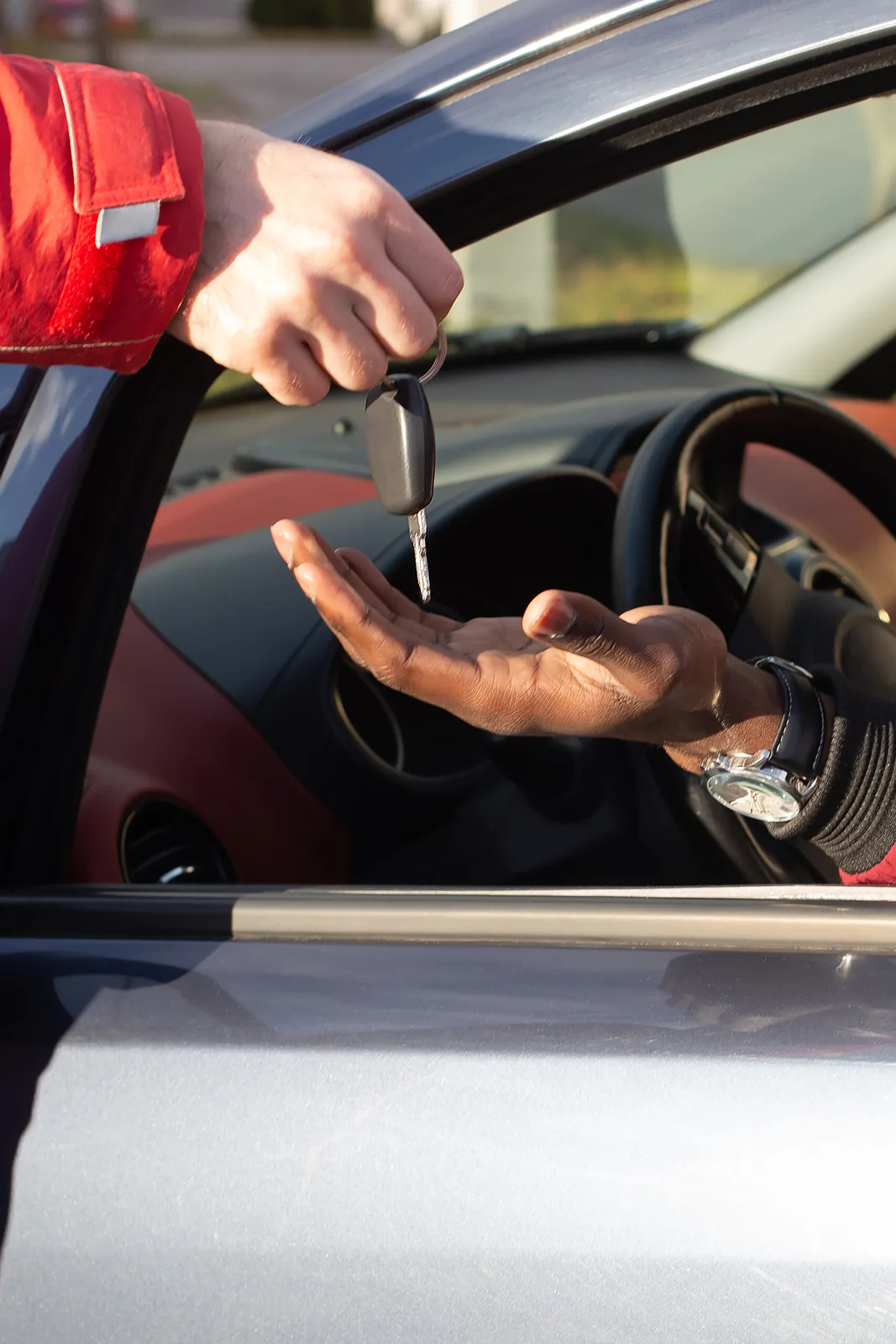
One call puts a lockout service unit on the road to you anywhere in Philadelphia or out along I-95 and I-76. Tell us the road and which way you are pointed and we do the rest.
Getting you back into the vehicle, and getting you a key that works. Non-destructive entry, cut-and-program key replacement, and all-keys-lost across the Philadelphia metro.
Non-destructive entry with a wedge and long-reach tool, or picked at the cylinder. Most Philadelphia lockouts open in under ten minutes without touching the paint, the glass, or the weatherstrip.
Call 911 first, then us. This is dispatched at top priority in Philadelphia and no operator will slow-walk it — but on a hot day emergency services can break glass immediately, and that is the correct trade.
Class 8 cab doors use different linkage geometry than a car and the tools are not interchangeable. A Philadelphia operator who only does cars will damage a Freightliner door panel finding that out.
Common on reefers, service trucks, and anything left idling. Dispatched urgently across Philadelphia — it is burning fuel, it is a theft target, and on some vehicles the doors auto-lock again.
Trunk-only lockouts, jammed hatches, and box-truck rollup doors, including vehicles with no cabin pass-through. Often the Philadelphia call where the keys are visibly inside the trunk itself.
Iced cylinders, worn wafers, and a key that turns without releasing. Philadelphia winter mornings generate a run of these, and forcing the key is how it snaps off inside.
A modern key is a cut blade plus a chip the car has to recognize. Cutting alone gets you a key that turns and an engine that will not start — both halves happen on the Philadelphia truck.
Remote lock, unlock, panic, and remote start paired to the vehicle through the diagnostic port. Far cheaper than the Philadelphia dealer for the identical result on most makes.
Smart keys for keyless-entry vehicles, programmed on site. Some makes require an extended security wait before a new key takes, so a Philadelphia appointment can run longer than the work itself.
No working key at all. The key code is pulled by VIN with proof of ownership, a key is originated, and the immobilizer is programmed — the Philadelphia job that most people assume requires a tow to the dealer and does not.
Cutting and programming a second key while you still have a working one. Dramatically cheaper than all-keys-lost, which is the same job done under pressure in a Philadelphia parking lot at midnight.
Sidewinder and internal-cut blades used by most European and late-model makes. Requires a different machine than a standard edge cut, so Philadelphia dispatch confirms the blank before rolling.
Keyed-alike sets, numbered spares, and a documented code record so a lost key on a Philadelphia fleet vehicle is a fifteen-minute problem instead of a day out of service.
Cut, drilled, or picked when the key is gone, and replaced with a fresh keyed set. Standard on a Philadelphia drop-and-hook where the trailer came with a lock and no key.
Refrigeration units and toolbox compartments locked with product inside. Time-sensitive across Philadelphia for the same reason any reefer call is — the cargo is on a clock.
Roll-up latches and cargo-door cylinders opened and rekeyed. Common on Philadelphia delivery fleets where the cargo door key and the cab key were never the same key.
A worn or seized ignition that eats keys and will not turn. Repaired or replaced and rekeyed to your existing key so a Philadelphia driver does not end up carrying two.
New cylinders or reprogrammed immobilizer after a break-in or a driver departure, which invalidates the old key. The step Philadelphia fleets skip and then wonder how the vehicle moved.
A snapped blade pulled from the cylinder with extraction tools, then a replacement cut. A Philadelphia key that broke because the cylinder is worn will break the new one too, so the cylinder gets checked.
Door and ignition cylinders replaced after a punch, a pry, or a failed entry attempt. Frequently the Philadelphia call that follows someone trying a coat hanger first.
Modern doors carry side-curtain airbag components and electrical looms inside the panel. This is why an amateur Philadelphia entry can turn a lockout into a four-figure repair.
A key that works sometimes is a key about to fail. Cut fresh to the factory code rather than copied from the worn one — a Philadelphia copy of a copy drifts further out of spec each time.
Diagnosed on site. Most Philadelphia "my fob stopped working" calls are a battery and a hidden mechanical blade, which costs almost nothing and takes two minutes.
Doors, locks, and glass verified working before we leave, so a Philadelphia vehicle opened at 2 a.m. is not left with a latch that no longer secures.
Rolling 30-day average dispatch-to-arrival, by service type, across the local rescuer network.
An entry and a key are two different jobs at two very different prices. Here is how a Philadelphia invoice breaks down, and where the dealer comparison actually lands.
Getting a technician to you and opening the vehicle. On a straightforward lockout this is often the entire bill.
Overnight and holiday calls price above daytime. Lockouts are disproportionately overnight, so ask which rate applies when you call.
Distance beyond the core service area. Confirm whether it counts from their base or from your location.
The physical key. A basic edge-cut blank is inexpensive; a laser-cut high-security blank is not.
Pairing the chip to the immobilizer, billed separately from cutting. Two steps, two charges — a quote naming only one is incomplete.
Smart keys and remote fobs are the expensive part and vary enormously by make. This is where the dealer comparison is usually most favorable to a mobile locksmith.
No working key means originating from the code rather than duplicating. More time, more tooling, and a higher price than a spare cut while you still have one.
Not a charge, but a hard requirement — ID plus registration or title. An operator who skips it is a problem for the next owner of your vehicle.
Some makes require dealer-only tooling or a security waiting period. A good operator tells you that on the phone rather than after arriving.
Broken key removal and worn cylinder replacement are labor beyond the key itself.
Priced per cylinder. After a theft, doing the ignition and skipping the doors is a half-measure worth understanding before you buy it.
A child or pet locked inside is treated as an emergency, not a revenue event. Call 911 first — always.
Road Rescue Network does not set a member operator's rates. What the network does is get the entry, the blank, and the programming quoted as separate lines before the tech rolls — the three-part breakdown a dealer quote never gives you.
The same crews that run Philadelphia also cover Camden (4 mi), Cherry Hill (11 mi) and Upper Darby (6 mi), so a call from either side of Philadelphia County reaches the same desk.
Each service links to local response times, rescuer coverage, and recent dispatched jobs in this metro.
A live map of every lockout and key service unit in Philadelphia metro, with real-time positions, ETAs, and dispatch status, available inside your dashboard.
Sign in to track network rescuers across Philadelphia in real time, dispatch jobs, and confirm ETA before the truck rolls.
Each corridor has a dedicated breakdown landing page with service zones, exits, and recent dispatched jobs.
18 exits in Philadelphia
The Northeast Corridor spine through Northeast Philadelphia and South Philly. PennDOT's I-95 reconstruction project has rolling lane closures between Cottman Avenue and Girard Avenue. Heavy breakdown clusters at Cottman, Allegheny, and the Walt Whitman approach.
13 exits in Philadelphia
The Schuylkill Expressway, two lanes each way through Center City, infamous for shoulderless stretches and chronic congestion. The Conshohocken Curve and the Vine Street Expressway tie-in are daily breakdown zones.
14 exits in Philadelphia
The Blue Route around the western suburbs from Plymouth Meeting to Chester, then Northeast Extension up to Allentown. Major freight relief route avoiding Center City; service calls cluster at the I-95 and I-76 interchanges.
6 exits in Philadelphia
Vine Street Expressway, the Center City crosstown spur connecting I-95 to I-76 and across the Ben Franklin Bridge to Camden. Tunnel-style depressed roadway, low overhead clearance issues for over-height freight.

19 exits in Philadelphia
Roosevelt Boulevard, surface freight artery from the Northeast through to City Avenue. High-volume box-truck and last-mile fulfillment corridor; a notorious traffic-fatality stretch with active red-light cameras.
11 exits in Philadelphia
Lancaster Avenue / Lincoln Highway, east-west surface route through West Philadelphia and the Main Line. Heavy mixed-use volume between Center City and Paoli; freight traffic supplements I-76 when the Schuylkill is closed.
Patterns observed across recent dispatch data in this metro, by service type and corridor.
Driver completes a shower at TA Bordentown, returns to find keys in the cab and the door closed-locked. Modern Volvo, Mack, and Freightliner cabs require non-destructive entry tooling, our locksmith dispatches with the manufacturer-approved entry tools and clears the cab without any door-trim or window damage.
Cab lockout at a fuel island stalls the pump and creates a yard-management headache. We dispatch a tech with both fast-entry tooling and the truck-stop coordination protocol: Pilot management is familiar with our operator and cleans the situation up faster than a generic locksmith would.
Driver loses the entire key set at Packer Avenue Marine Terminal during a check-in transition. Cab unlock plus on-the-spot key cut and program (where the vehicle uses a transponder key), most modern Class 8 tractors require both mechanical and transponder key creation. We carry the key-blank stock and OEM programmer on the truck.
A locksmith opening a vehicle is doing the same physical act as a thief, separated only by verification. Here is what that means in Philadelphia, Pennsylvania.
Pennsylvania does not operate a statewide automotive locksmith license, so the credential to ask for is insurance, bonding, and vehicle-security registry access rather than a state card. Verifying that is part of what the network does before an operator takes a Philadelphia dispatch.
With no state licensing scheme behind it, the ownership check is the entire safeguard here. A reputable Philadelphia operator documents ID and registration on every entry and every key origination without being asked.
A vehicle already towed to a Philadelphia Parking Authority or police lot is under that authority's control. A locksmith cannot open it on the lot without going through the release process first, whatever the ownership paperwork says.
A vehicle removed under Philadelphia's live-stop enforcement is impounded and its access is controlled by the city. Getting a key made does not get you the vehicle — the underlying violation has to be resolved first.
Pennsylvania law provides civil immunity for a person who forcibly enters a vehicle to rescue a child or a pet in imminent danger, subject to notifying authorities. Call 911 first and let responders make the call.
Philadelphia's dense on-street parking frequently leaves no room to work a door on the traffic side. Operators will often reposition or set cones before starting, which is a safety step rather than a delay.
Most Philadelphia calls are answered in about 38 minutes. You get a real time before anyone rolls, and the price before the work starts.
Philadelphia is the I-95 corridor's mid-Atlantic anchor and home to PhilaPort, one of the East Coast's fastest-growing container terminals after the channel deepening to 45 feet. PennDOT bridge work along the I-95 spine, Schuylkill Expressway congestion, and dense Walt Whitman / Ben Franklin Bridge truck volume between Philadelphia and South Jersey make this metro one of the most procedurally tight freight environments in the Northeast.
Philadelphia, colloquially referred to as Philly, is the most populous city in the U.S. state of Pennsylvania and the sixth-most populous city in the United States. Its population was 1.60 million at the 2020 census and estimated at 1.57 million in 2025. The Philadelphia metropolitan area, also known as the Delaware Valley, is located in both the Mid-Atlantic and northeastern United States; home to 6.33 million residents, it is the nation's ninth-largest metropolitan area. Philadelphia is known for its culture, cuisine, and history, maintaining contemporary influence in technology and business, sports, and music.
Anyone who has dispatched a truck through Philadelphia knows the Schuylkill Expressway's reputation, two narrow lanes each way, no shoulders for miles, and a daily mid-morning crawl that turns any breakdown into a multi-county incident. Road Rescue Network's Philadelphia rescuers stage on both the I-76 east and west banks with the precise PennDOT-cleared pull-off list memorized, so a 9am breakdown at the Conshohocken curve becomes a 35-minute response, not a 2-hour ordeal.
Philadelphia's freight economy runs on bridges. The Walt Whitman, Ben Franklin, Betsy Ross, and Tacony-Palmyra each have their own truck restrictions, height envelopes, and weight constraints, and PennDOT's rolling I-95 reconstruction means yesterday's safe stretch is today's lane-closure zone. Our network is built around mechanics who track these closures daily, not generalists guessing at where to pull off.
Whether you are a fleet manager dispatching from Atlanta with a reefer stranded at the Packer Avenue terminal, or an owner-operator on US-1 inbound from Trenton, the closest verified, insurance-current rescuer in our Philadelphia network is reached through a single phone call or service request. Our 24/7 dispatch desk handles ETA confirmation, PSP coordination on the Schuylkill, and direct hand-off to the responding tech.
Reviews collected from fleet customers and drivers after completed service calls in this metro.
“Driver lost a turbo on I-76 westbound during the morning crawl. RRN got a tech to the Belmont Avenue pull-off in 28 minutes, swapped in a loaner turbo and limped us to the shop. Saved a same-day delivery to PhilaPort.”
“Lost air on the Walt Whitman during the evening rush. Tow operator coordinated with DRPA, had me off the bridge in 45 minutes flat, and dropped me at a shop that knew the Volvo air system cold. Smooth all the way.”
“Steer blew on the Schuylkill near University Avenue. Tech got there in 33 minutes with the right size, but PennDOT had a lane shift that added 10 minutes to the wait. Got us legal and rolling, fair price.”
No. Our locksmith uses manufacturer-approved non-destructive entry tooling specific to commercial cabs: Volvo, Mack, Freightliner, Kenworth, Peterbilt, International. The wedge-and-rod method common with passenger-car locksmiths is not how we approach commercial cabs; trim damage is unacceptable on a fleet truck.
Yes. We carry common Class 8 key-blank stock plus the OEM programmers needed to flash a new transponder code into the truck's ECM. Some specialty trucks (newer Volvo D-series, Mack Anthem) require dealer-side authentication and we coordinate that handoff. Most trucks key-cut and program on the service truck within 30 minutes.
Yes. Trailer rear-door locks (cargo and reefer), king-pin locks, glad-hand locks, and equipment-yard padlocks are routine. We carry pin-tumbler, wafer, and disc-detainer pick sets plus cutting tools for non-recoverable locks.
Average response across the metro is 23-28 minutes from notification, lockout is one of our fastest-responding services because no parts inventory or specialty equipment is needed beyond the locksmith truck. Truck-stop calls run faster (sub-25 minutes) because the operator stages near major fueling areas overnight.
Cab lockout flat-rate $135-185 depending on time of day. Key cut and program runs $185-265 depending on chassis. Dock-equipment and trailer-lock service billed by complexity. We confirm pricing before dispatch, no on-scene markup.
Average response time in Philadelphia is 38 minutes for mobile truck repair. Closer to 25 minutes inside the I-95 / I-76 / I-676 box, longer for the Main Line and South Jersey crossings. We track every call and post real averages, not marketing fluff.
Yes, those are our highest-volume service zones. Schuylkill breakdowns require PSP coordination for safe-pullout protocol on shoulderless stretches; Walt Whitman recoveries require DRPA credentials. Our dispatchers handle both handoffs, and we have rescuers stationed on both the Pennsylvania and South Jersey sides.
Every Road Rescue Network rescuer in Philadelphia is required to maintain current general liability, automobile liability, workers comp, and (where applicable) garage-keepers insurance. We re-verify every renewal cycle. Expired insurance = automatic suspension from dispatch.
Yes. We service national accounts with consolidated invoicing, fleet-card billing, and a single point of contact. Most national fleets onboard in under 48 hours. Reach out via the form on this page or call our dispatch line.
24/7/365. There is no after-hours surcharge for our network, rescuers quote the same rate at 3am as at 3pm.
We track the active work-zone schedule daily and route service trucks to approach from the contractor-MPT-cleared direction. If the breakdown is inside a closed work zone, our dispatcher coordinates with the contractor's MPT lead before our unit enters.
We dispatch routinely to TA Bordentown (I-295 Exit 57A), Pilot #228 Bensalem (I-95 Exit 37), Love's #389 Carneys Point NJ, the King of Prussia Service Plaza, and TA Lamar (I-80 Exit 173). Most of our service trucks know these locations by sight.
Most DPF regen issues we can resolve roadside with a forced regen and a cleaning of the differential pressure sensor. Full DPF removal/cleaning happens at our partner shops in Bensalem and Plymouth Meeting. We'll tell you upfront which path we're taking.
Standard service-call dispatch fee runs $155-235 in the Philadelphia metro depending on time of day and service type. Heavy-duty towing starts around $470 for in-county moves. We give a confirmed quote before the truck rolls, no surprises on arrival.
If we determine on-scene that the truck can't be fixed roadside in a reasonable window, we coordinate the tow with one of our heavy-duty network rescuers. Many of our service trucks dispatch alongside a wrecker so there's no second response time.
Philadelphia runs about 1,567,258 people and sits in Philadelphia County, inside the Delaware Valley / Philadelphia Metropolitan Area. We take the call, find the closest crew that actually does this work, and tell you what it costs before anyone turns a wheel.
Sample of recent dispatched service calls in this metro. Customer details removed; locations and response times preserved.
| When | Service | Location | Response |
|---|---|---|---|
| Sunday 04:18 ET | Lockout Service | TA Bordentown I-295 Exit 57A | 23 min |
| Friday 13:42 ET | Lockout Service | Pilot #228 Bensalem | 25 min |
| Thursday 18:55 ET | Lockout Service | Packer Avenue Marine Terminal | 28 min |
| Tuesday 22:11 ET | Lockout Service | Love's #389 Carneys Point NJ | 31 min |
Coverage in surrounding cities and metros across the same network of verified rescuers.
The same verified network of providers, dispatched 24/7 across every major Pennsylvania metro and freight corridor.
Whether the truck is sitting in Philadelphia or out toward Upper Darby, it is the same phone number and the same crews. One call, day or night.
Road Rescue Network is actively recruiting verified lockout service providers in the Philadelphia metro. Heavy traffic, real fleet leads, no auction race-to-the-bottom, straight rescuer-to-customer dispatch with confirmed pricing.
We send Philadelphia lockout service calls directly to verified rescuers in your service radius. Apply once. Insurance & DOT verified. Live dispatch, fleet accounts, transparent pricing, no motor-club shave-down.
Deep-dive guide on choosing the right provider, common pitfalls, and what to expect on a service call.
OpenOpen positions at our network rescuers, full-time, part-time, and 1099 contract.
OpenOn-site photos from recent calls, see the work, not just the marketing.
OpenService trucks dispatch routinely to these locations across the metro freight corridors.
Closest full-service TA to Philly, scales, parking 250+
View Directory Profile →
Open 24/7, full service, north of city
View Directory Profile →
Tire Care center, Delaware Memorial Bridge feeder
View Directory Profile →
Iron Skillet, 24-hr shop, common westbound layover
View Directory Profile →Truck parking, food, fuel
Shop, food court, central PA relay
View Directory Profile →Local parts houses and diesel suppliers used by network mechanics for time-critical roadside repairs.
Heavy-duty parts, will-call, port-area drayage account
View Directory Profile →
HD truck parts
View Directory Profile →
Engine parts + dealer service
View Directory Profile →Major shippers, distribution centers, and industrial freight nodes generating outbound and inbound truck volume.
PhilaPort container terminal, drayage origin
Convenience-store DC, 700+ trucks/day
Ground sortation hub for the Delaware Valley
Eastwick + Northeast clusters, 1,500+ trucks/day
Largest industrial park in NJ, drayage gateway
Major outbound origin for the Delaware Valley
Three steps from the call to a cleared scene. Same flow whether you call from a fleet desk or the shoulder of an interstate.
Year, make, model, and whether any working key exists. That last answer is the whole price difference — a spare cut is routine, all-keys-lost is origination. And if a child or pet is inside, call 911 before you call anyone in Philadelphia.
We confirm the operator carries your blank and can program your immobilizer before dispatching, and you get entry, cutting, and programming as separate numbers. Nothing is worse than a Philadelphia tech arriving without the blank.
ID and registration checked, non-destructive entry, and every new key tested in the door and the ignition. A Philadelphia vehicle opened at 2 a.m. does not get left with a latch that no longer locks.
Network rescuers accept all major credit cards, fleet cards, and consumer payment apps. Confirmed at dispatch.