El Paso, TX.
El Paso is the largest US-Mexico border crossing for commercial truck freight on the I-10 transcontinental corridor and the third-busiest land port of entry by truck volume in North America. The Bridge of the Americas (BOTA), Ysleta-Zaragoza, and Santa Teresa NM crossings together clear over 800,000 commercial trucks a year, feeding maquiladora freight from Ciudad Juárez into the US distribution belt. The Union Pacific Sunset Route and the BNSF mainline both run through El Paso, with intermodal yards anchoring the inland-port economy alongside Foxconn, Hoover (TPI Composites), Schneider Electric, and a continuous corridor of automotive-supplier and electronics-assembly freight.
Every roadside service we run in El Paso
Featured El Paso Service Providers
Insurance-current network vendors with verified compliance, equipment, and live availability status.
Borderland Mobile Diesel
- 24/7 dispatch
- Fleet of 10
- 13 years in business
- Insurance verified
Rio Grande Heavy Recovery
- 24/7 dispatch
- Fleet of 14
- 21 years in business
- Insurance verified
Franklin Mountain Commercial Tire
- 24/7 dispatch
- Fleet of 7
- 12 years in business
- Insurance verified
El Paso TX Freight Corridors & Interstate Service Coverage
Each corridor has a dedicated breakdown landing page with service zones, exits, and recent dispatched jobs.

Interstate 10
21 exits in El Paso
The transcontinental corridor from Los Angeles to Jacksonville running directly through downtown El Paso. Heaviest truck-volume hour in the metro is the 7 a.m. CBP cross-feed window. Service-call hot spots at the Hawkins Boulevard, Lee Trevino, and Zaragoza interchanges that feed the maquiladora belt.

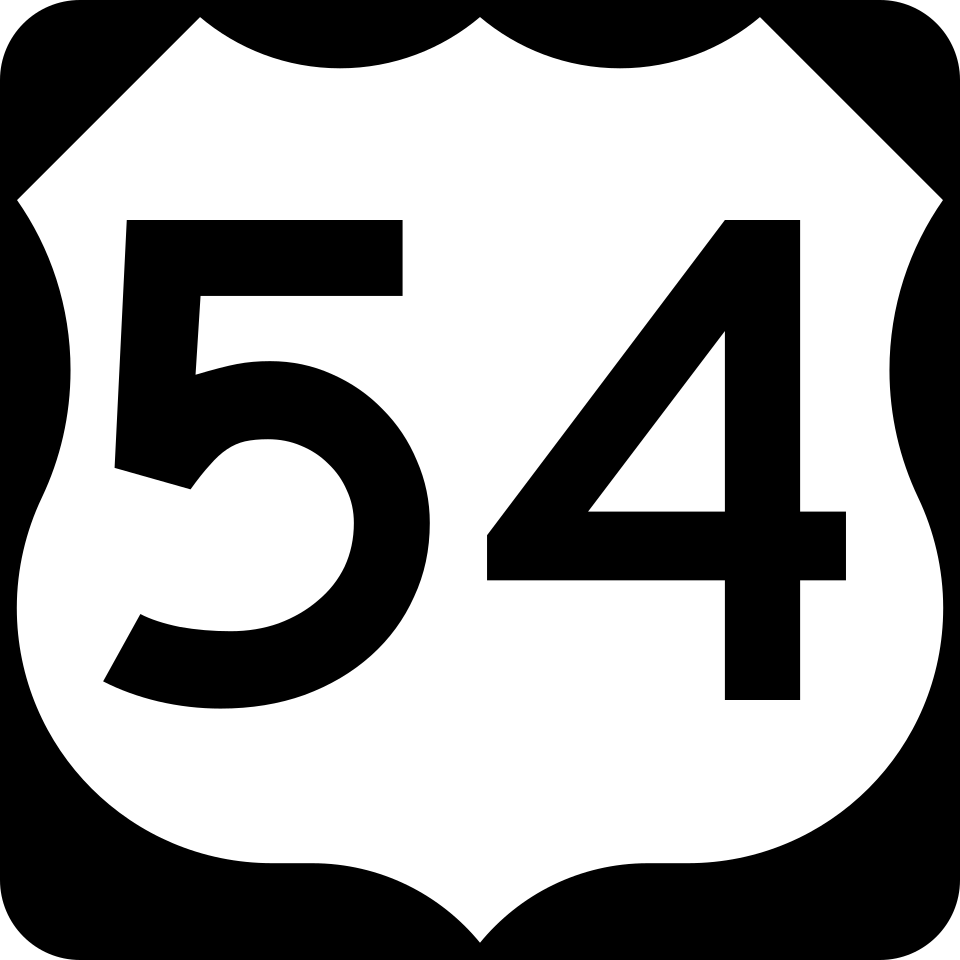
US Route 54
11 exits in El Paso
The Patriot Freeway, the primary north-south corridor from El Paso through Fort Bliss into New Mexico and toward Alamogordo. Heavy military freight, Walmart DC outbound from Las Cruces; common breakdown zones at the Fred Wilson and Sean Haggerty interchanges.

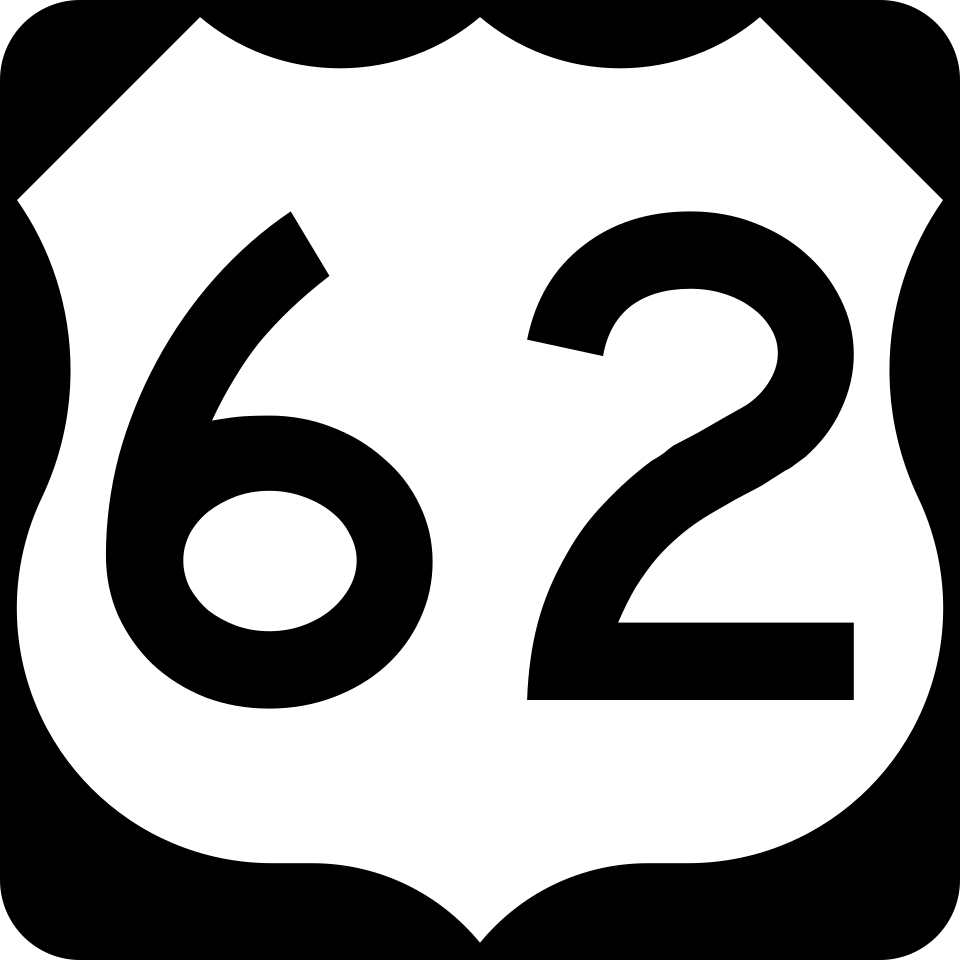
US Route 62
7 exits in El Paso
East-west corridor from El Paso through the Guadalupe Mountains to Carlsbad, NM. Heavy oilfield-services freight from the Permian Basin; the climb out of El Paso eastbound carries 1,500 feet of elevation gain through the Hueco range.

US Route 180
6 exits in El Paso
Northeast corridor from El Paso to the Permian Basin via Carlsbad. Co-signed with US-62 through eastern El Paso County; heavy oversize-load oilfield freight in season.

US Route 85
4 exits in El Paso
North-south corridor co-signed with I-25 north of El Paso, providing the northern leg toward Las Cruces and Albuquerque. Heavy electronics and pecan-orchard freight in season.

Loop 375 César E. Chávez Border Highway
14 exits in El Paso
The El Paso outer loop tracing the Rio Grande and the international border. Direct freight feeds into BOTA and Ysleta-Zaragoza commercial crossings; service-call patterns are entirely shaped by CBP queue dynamics.
El Paso TX Trucking & Freight Industry Overview
El Paso is the largest US-Mexico border crossing for commercial truck freight on the I-10 transcontinental corridor and the third-busiest land port of entry by truck volume in North America. The Bridge of the Americas (BOTA), Ysleta-Zaragoza, and Santa Teresa NM crossings together clear over 800,000 commercial trucks a year, feeding maquiladora freight from Ciudad Juárez into the US distribution belt. The Union Pacific Sunset Route and the BNSF mainline both run through El Paso, with intermodal yards anchoring the inland-port economy alongside Foxconn, Hoover (TPI Composites), Schneider Electric, and a continuous corridor of automotive-supplier and electronics-assembly freight.
El Paso is a city in and the county seat of El Paso County, Texas, United States. It is the 22nd-most populous city in the U.S., sixth-most populous city in Texas, and the most populous city in West Texas with a population of 678,815 at the 2020 census. The El Paso metropolitan area has an estimated 879,000 residents.
El Paso's freight economy runs on the border and the desert, a freight pattern unlike any other US city. Every day, tens of thousands of commercial trucks cross from Ciudad Juárez via BOTA, Ysleta-Zaragoza, and Santa Teresa, feeding maquiladora-assembled electronics, auto parts, medical devices, and consumer goods into the I-10 transcontinental flow. A breakdown on Loop 375 César E. Chávez at the BOTA approach during a 7 a.m. peak crossing wave, with sixty trucks queued behind it for a CBP appointment, can ripple back across the border into a maquila inbound dock by 9 a.m. Road Rescue Network's El Paso vendors are pre-positioned at every commercial port of entry with response times calibrated for the daily reality of CBP windows and bilingual driver communication.
El Paso sits at the convergence of the Chihuahuan Desert, the Rio Grande Valley, and the Franklin Mountains, with a heat-and-elevation envelope that stresses cooling and brake systems unlike anywhere else in Texas. June through August routinely runs 100-105 degrees with 4,000 feet of elevation, which means heat-soaked compressors, stressed turbochargers, and tire failures from the asphalt-temperature spike on I-10 across White Sands. Layer in the late-summer monsoon season, with three-inch downpours that flood Loop 375 in minutes, and a freight market that punishes weak equipment. Our network is built around mechanics fluent in both desert thermal management and CBP staging-yard service.
Whether you are a fleet manager dispatching from Phoenix with a load stranded at the Santa Teresa inland port, or an owner-operator on US-54 trying to reach a Fort Bliss freight gate before a military convoy window, the closest verified, insurance-current vendor in our El Paso network is reached through a single phone call or service request. Coordination, dispatch, and ETA confirmation are handled by Road Rescue Network's 24/7 operations team.