01
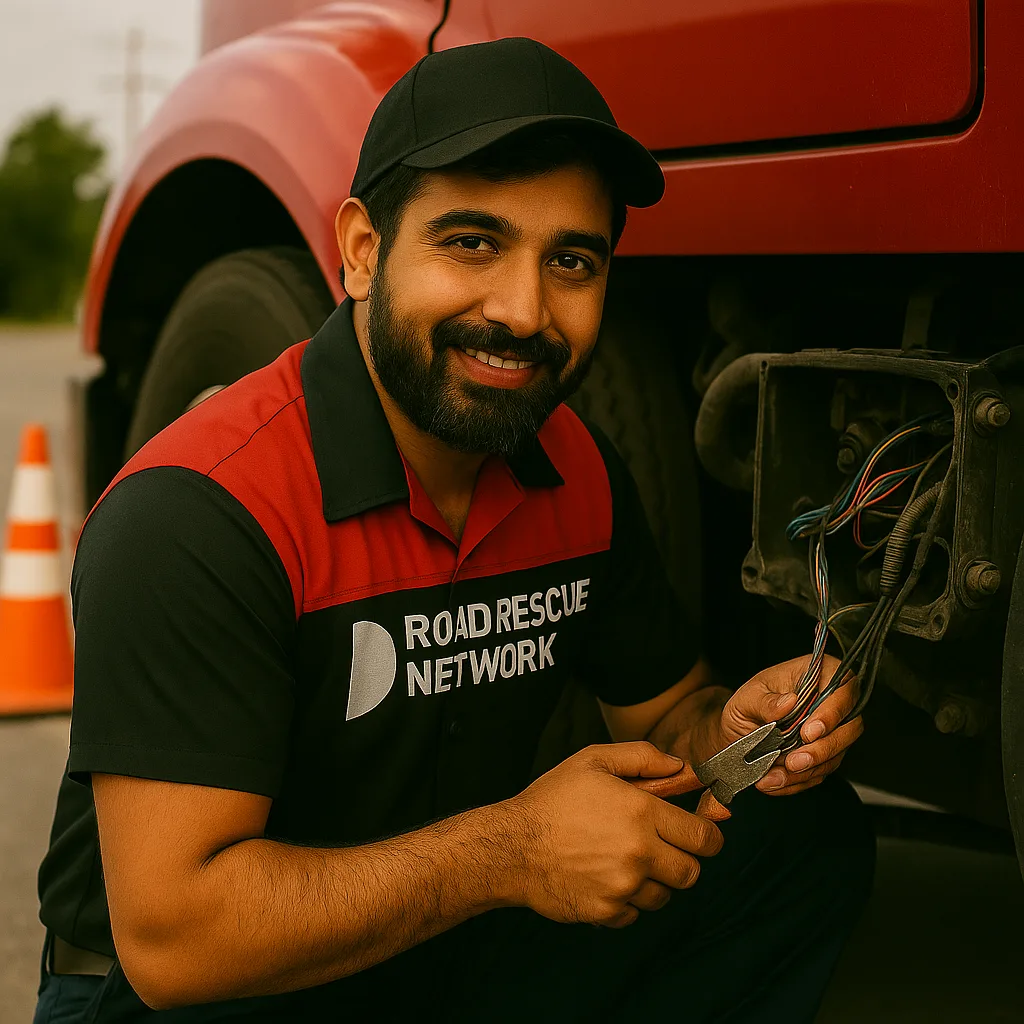
Mobile road service truck
Air, electrical, and hand tooling, common wear parts, lighting, and power
The default unit for most calls — air leaks, lamps, belts, hoses, batteries, and everything that ends on scene.
Need truck repair in Orange? We run mobile truck repair and road service to wherever the semi stopped, open now and through the night. Most calls we finish where the truck sits. Highway miles break different parts than city miles — cooling, aftertreatment and tires, more than brakes and mounts. I-5, CA-22, and CA-57 all run through Orange, so most of our calls come off one of those. Freight around here moves for outfits like St. Joseph Hospital and Children's Hospital of Orange County, which is work that runs on a schedule.

Mobile truck repair is decided by what is on the truck when it arrives. A Orange unit carrying diagnostics but no parts makes a diagnosis and a second appointment; the classes below are matched to the fault before dispatch rather than after.
Air, electrical, and hand tooling, common wear parts, lighting, and power
The default unit for most calls — air leaks, lamps, belts, hoses, batteries, and everything that ends on scene.
Manufacturer-level software for engine, chassis, ABS, and aftertreatment ECMs
Check-engine lamps, derates, and no-starts where a generic code reader names a circuit and stops there.
Chambers, valves, slack adjusters, air line and fitting stock, qualified brake inspector
Air system faults and brake defects — the single largest category of roadside truck repair.
Commercial tire changing, inflation, balancing, and torque for steer, drive, and trailer positions
Blowouts and flats, dispatched alongside a repair unit when the call is mixed.
Engine-driven welder, cutting and gouging capability, stock material
Cracked mounts, brackets, and body hardware — see the mobile welding page for what is and is not weldable.
Light through heavy recovery equipment
When the on-scene finding is a shop repair. Frequently dispatched with the service truck so there is no second wait.

One call puts a mobile truck repair unit on the road to you anywhere in Orange or out along I-5 and CA-22. Tell us the road and which way you are pointed and we do the rest.
The full menu of what our network handles roadside and at partner shops across the Orange metro. Expand any category to see the service list for that system.
Roadside diagnostic plug-in and live data review for Cummins, Detroit, Paccar MX, and Volvo D-series engines across the Orange corridor.
Cooling-system flush, hose replacement, and thermostat swap on-scene. Common Orange summer call from grade-climbing trucks.
Injector swap and lift-pump replacement roadside. Most fuel-related no-starts in Orange are resolved without a tow.
DEF doser, NOx sensor, and SCR fault clearing. Long-haul refueling across the Orange metro generates frequent DEF-related faults.
Turbo inspection, actuator replacement, and exhaust-leak repair. Heavy load corridors in Orange stress turbo bearings; common fall service call.
Clutch adjustment, hydraulic-line repair, and minor transmission service. Major rebuilds route to Orange partner shops.
Slack-adjuster, valve, and chamber replacement on-scene. Air-system events are the #1 brake call in Orange, especially November-February.
Pad and drum replacement at the shoulder when conditions allow. Orange corridor descent grades drive frequent brake-fade events.
Dryer rebuild, compressor inspection, and moisture-trap service. Winter freeze-ups in Orange are weekly calls between December and February.
Anti-lock brake faults, sensor replacement, and ECM fault-clearing. Common after long-distance hauls into the Orange metro.
Air-bag replacement and ride-height valve service. Orange pothole season generates a steady volume of suspension calls.
Shock absorbers, drag link, and steering damper replacement. Important for heavy-duty trucks operating across Orange on a daily basis.
Battery test, replacement, and alternator service on-scene. Cold-start failures across the Orange metro generate disproportionate winter call volume.
Starter replacement, solenoid service, and battery cable repair. Common Orange no-start cause when the battery tests good.
Trailer-cable repair, marker-light replacement, and 7-pin connector service. Required for DOT compliance across Orange corridors.
Compressor inspection, refrigerant recharge, blower-motor replacement. Important year-round for sleeper trucks parked overnight in Orange.
Body-control module fault clearing, parameter resets, and software flashes when supported. Orange dispatch coordinates with OEM dealers as needed.
Auxiliary power unit and inverter diagnostics. Sleeper trucks idling overnight in Orange rely on APUs to avoid main-engine fuel burn.
On-scene tire replacement for steer, drive, and trailer positions. Orange metro response under 35 minutes; long-haul refueling stops the fastest.
Plug, patch, and inflation service when tire is repairable. Common after construction-debris incidents on Orange corridors.
Wheel-end seal, bearing replacement, and oil-bath service when conditions allow roadside. Heavy work routes to a Orange-area shop.
Landing-gear repair and crank-handle replacement. Important when the trailer drops a leg in a Orange yard or rest area.
Refrigeration unit diagnostics, belt service, and thermostat replacement. Orange produce and food-service freight relies on cold-chain integrity.
5th wheel inspection, kingpin service, and air-line repair. Orange freight yards generate a steady volume of coupling-related calls.
Insurance-current network rescuers with verified compliance, equipment, and live availability status.
Rolling 30-day average dispatch-to-arrival, by service type, across the local rescuer network.
Road service is labor, travel, and parts against a fault nobody has seen yet, which is why an honest Orange quote is a structure rather than a number. Below is what actually moves the invoice, and where the money genuinely goes.
The trip is real cost on a repair that may take thirty minutes. Distance from the responding unit is the largest single variable on a small job and nearly irrelevant on a large one.
Finding the fault and fixing it are separate work. On modern equipment the diagnosis is frequently the expensive half, and a provider who quotes a repair before diagnosing is guessing with your money.
Overnight, weekend, and holiday calls carry a premium. A truck that fails Friday evening costs more to fix than the same truck failing Tuesday morning.
A part on the service truck ends the call. A part that has to be sourced adds a second dispatch, and an OEM-only component on a late-model unit can add a day.
Air brake, aftertreatment, and electrical work on a Class 8 tractor is different labor from the same nominal repair on a straight truck, and specialized equipment carries specialized time.
A yard or a truck stop is a working environment. A live highway shoulder requires scene protection and a slower pace for safety, and some repairs cannot legally or safely be attempted there at all.
Roadside labor rates run above shop rates because the truck, the parts, and the technician came to you. Against that, compare the tow, the shop's queue, and the days the unit is not earning.
The comparison that matters is not repair cost against zero. It is repair cost against a tow plus shop time plus a missed load — which is why a $400 roadside fix routinely beats a $200 shop fix.
We diagnose before we quote the repair, and you authorize the repair before it starts. If the finding is a shop job, you hear that on the phone from the technician rather than after the labor is spent.

The same crews that run Orange also cover Anaheim (4 mi), Santa Ana (4 mi) and Tustin (4 mi), so a call from either side of Orange County reaches the same desk.
Each service links to local response times, rescuer coverage, and recent dispatched jobs in this metro.
A live map of every mobile truck repair unit in Orange metro, with real-time positions, ETAs, and dispatch status, available inside your dashboard.
Sign in to track network rescuers across Orange in real time, dispatch jobs, and confirm ETA before the truck rolls.
Each corridor has a dedicated breakdown landing page with service zones, exits, and recent dispatched jobs.
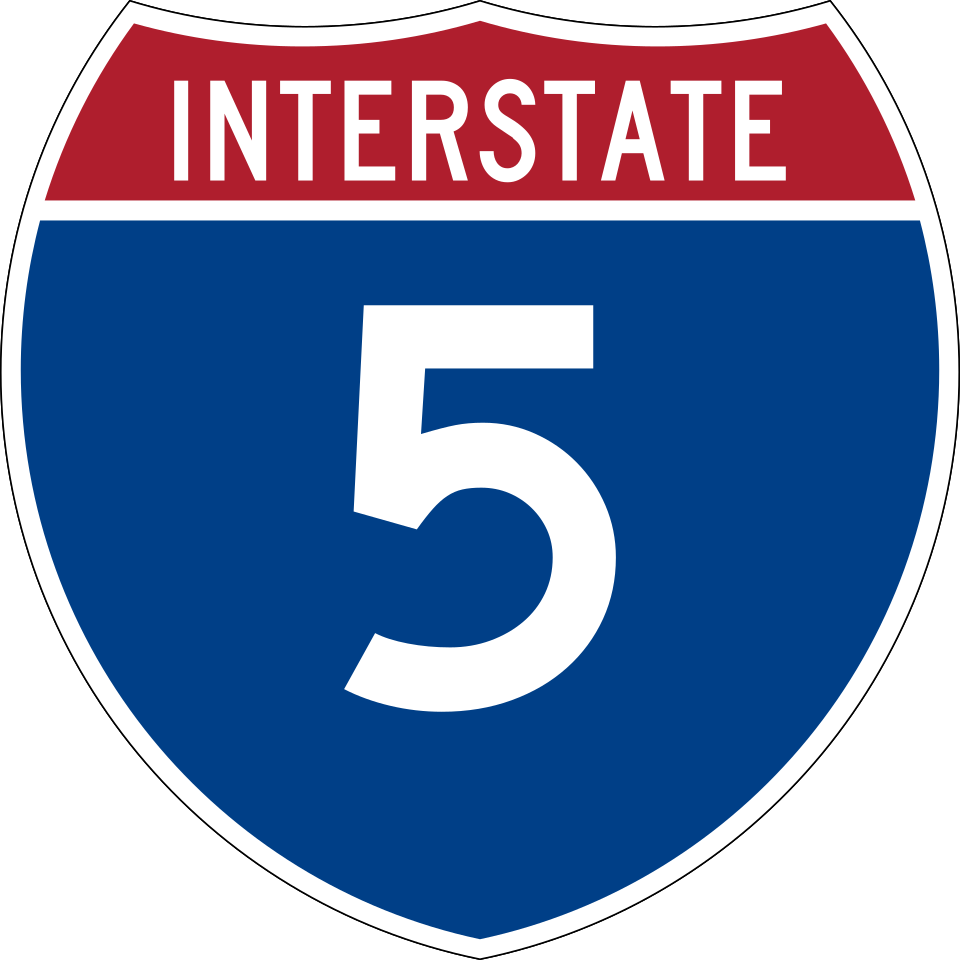
5 exits in Orange
The Santa Ana Freeway through Orange, the spine of Southern California freight from LA to San Diego. Its junction with SR-22 and SR-57 at the Orange Crush is the city's defining congestion and breakdown zone.

3 exits in Orange
The Garden Grove Freeway running west from the Orange Crush toward Long Beach, a heavily traveled commuter and freight corridor feeding the interchange from the coastal cities.
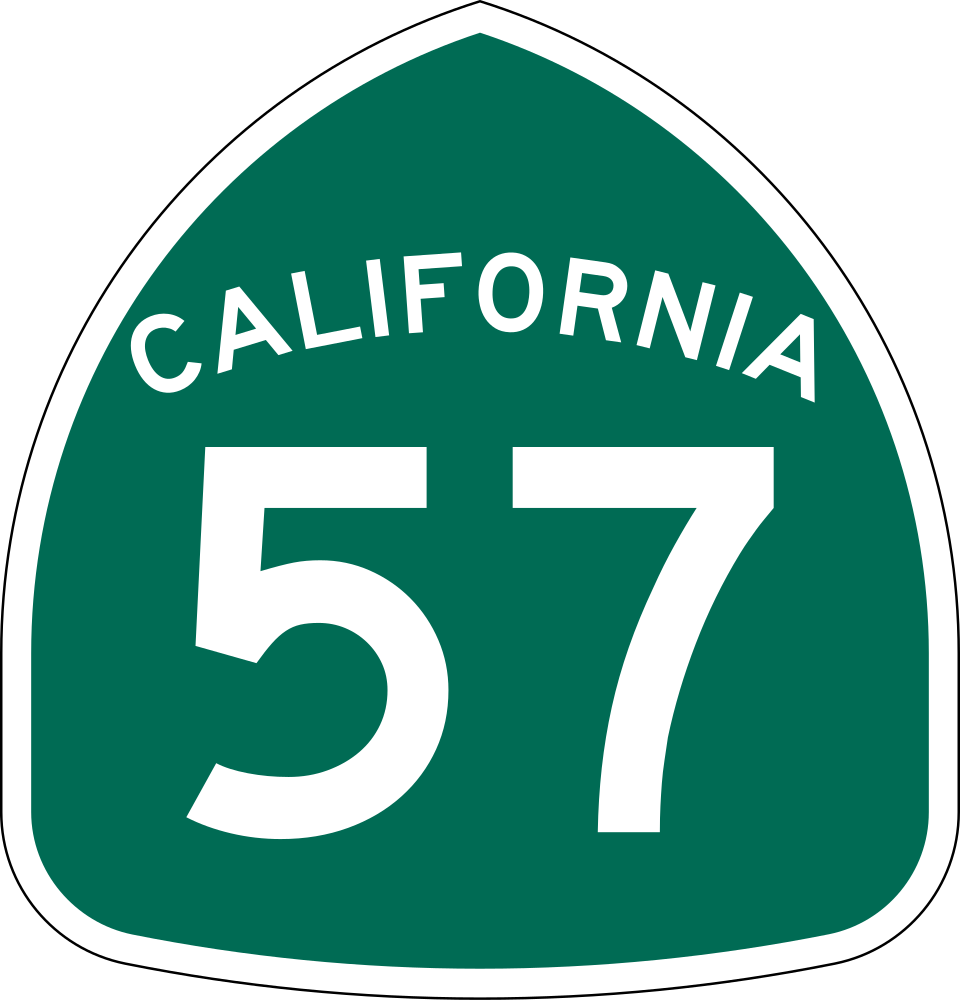
4 exits in Orange
The Orange Freeway running north from the Crush toward Pomona and the Inland Empire, a major drayage and dry-van corridor with steep volume through the interchange.
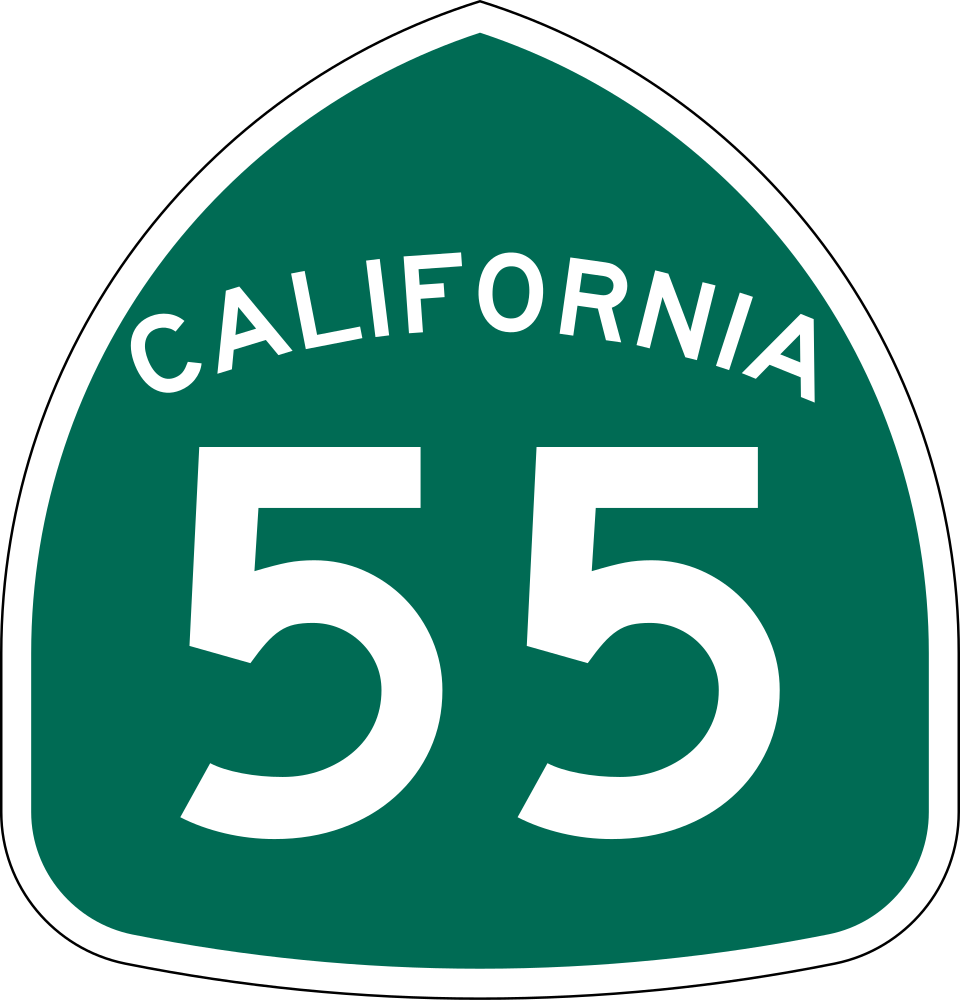
4 exits in Orange
The Costa Mesa Freeway through eastern Orange, linking the city to John Wayne Airport, the South Coast commercial district, and SR-91. Heavy box-truck and airport-supply traffic.
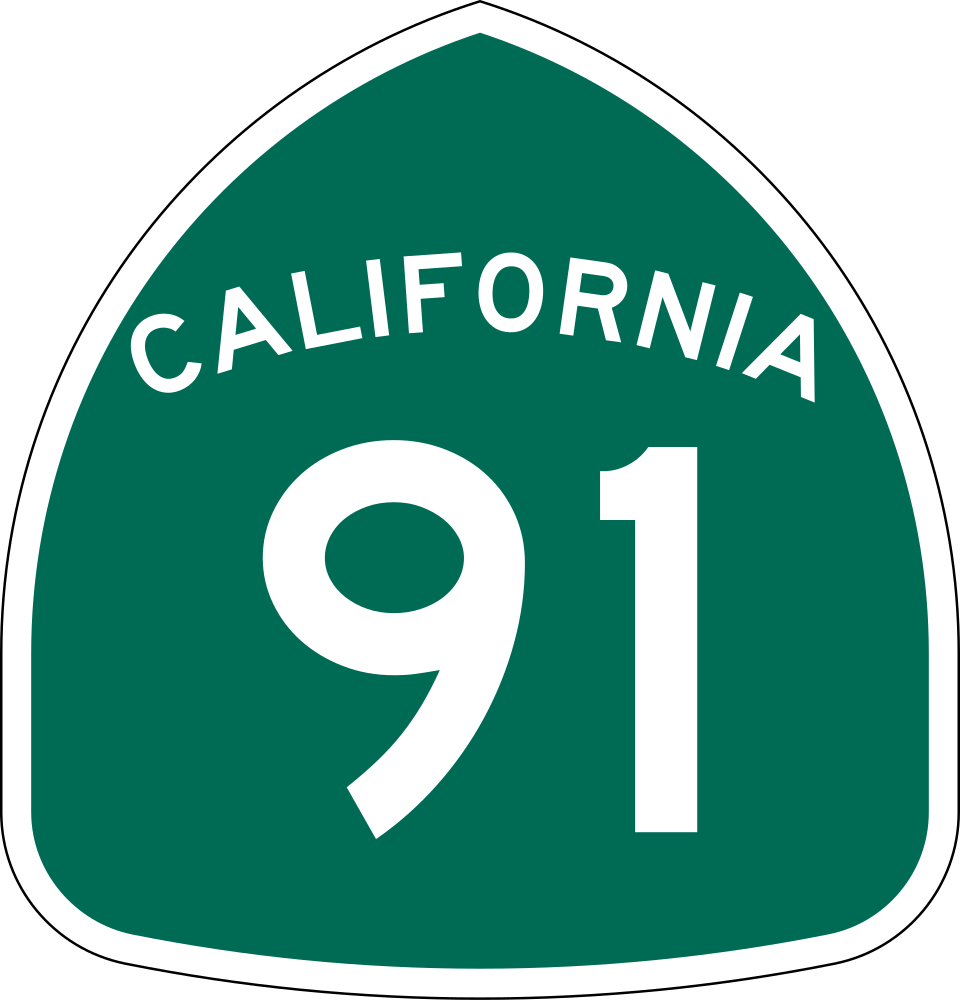
0 exits in Orange
The Riverside Freeway just north of Orange, the primary Orange County to Inland Empire commuter and freight corridor, reached via SR-55 or SR-57.

0 exits in Orange
The Eastern Transportation Corridor toll road southeast of Orange, an express bypass for freight avoiding the SR-55 and I-5 congestion through the county.
Patterns observed across recent dispatch data in this metro, by service type and corridor.
The Orange Crush stacks I-5, SR-22, and SR-57 into one of the busiest freeway junctions in the country, and a breakdown on its connector ramps backs up all three freeways at once. We treat the Crush as a priority zone, with techs who know its safe pullouts and dispatchers who coordinate the CHP handoff for shoulder work. The aim is a fast clear before the interchange gridlocks.
Orange's St. Joseph, CHOC, and UCI Medical district runs on time-sensitive supply and pharma deliveries, often refrigerated, and a breakdown or lift-gate failure puts critical freight at risk. We prioritize hospital-district calls with techs who carry hydraulic, reefer, and electrical parts. The goal is to save the delivery and keep cold-chain freight in spec.
Orange sits inland enough that summer afternoons push past the high 90s, and superheated pavement on the I-5 and SR-57 approaches blows tires and stresses cooling systems. Our techs roll with multiple tire sizes plus coolant and hose. The priority is getting a rig legal and cool before the heat sidelines it in the worst of the Crush congestion.
A repair is not finished when the truck moves. Federal rules decide what has to be recorded, who was allowed to perform it, and whether the unit is legal to dispatch — and a California carrier is judged on the file, not on the fix.
Carriers must keep a record for each vehicle listing inspections, repairs, and maintenance performed, with dates and identification of the vehicle. A roadside repair is maintenance. An invoice in a driver's cab is not a maintenance record, and the gap between the two is one of the most common findings in a compliance review.
Where a driver reported a defect, the carrier must repair it before dispatching the vehicle again and certify on the report that the repair was made or that none was needed. A repaired defect with no certification on the DVIR remains a violation, even though the truck is genuinely fixed.
A vehicle placed out of service at the roadside cannot move until the defect is corrected. The inspection report carries a section certifying the repair, and it has to be signed and returned. Fixing the truck and ignoring the paperwork leaves the violation open against the carrier.
Anyone who inspects, repairs, or maintains brakes must meet the federal brake inspector qualification standard, and the carrier must retain evidence of it. Because brake and air system faults are the largest category of roadside truck repair, this applies to a large share of road calls.
A commercial driver stopped on the traveled portion or shoulder of a highway must activate hazard lights immediately and place warning devices within ten minutes, positioned according to the road type. This is the driver's obligation before any repair unit arrives, and it is where roadside injuries are prevented or caused.
Every state now has a move-over or slow-down law covering emergency response areas, and most extend to disabled vehicles displaying hazards and to service vehicles with amber lighting. The protection is real and it is also incomplete — which is why a technician may relocate a unit before working on it.
Time spent waiting for and supervising a roadside repair is generally on-duty not driving, and it consumes the driver's available window. A repair that takes four hours can end a driver's day even though the truck is fixed, which is a scheduling fact worth knowing before authorizing a long roadside job.

Most Orange calls are answered in about 40 minutes. You get a real time before anyone rolls, and the price before the work starts.
The city of Orange sits on top of the Orange Crush, the famous interchange where I-5, SR-22, and SR-57 braid together into one of the busiest freeway junctions in the country. It is a central distribution and medical-supply hub for Orange County, moving retail, healthcare, and last-mile freight across the basin. The constant congestion at the Crush makes Orange a perpetual breakdown and recovery hot spot.
Orange is a city located in northern Orange County, California, United States. It is approximately 3 miles (4.8 km) north of the county seat, Santa Ana. Orange is unusual in this region because many of the homes in its Old Town District were built before 1920. While many other cities in the region demolished such houses in the 1960s, Orange decided to preserve them. The small city of Villa Park is surrounded by the city of Orange. The population of Orange was 139,911 as of 2020.
The mechanics in Orange who handle heavy-duty calls work directly on top of the Orange Crush, the I-5, SR-22, and SR-57 interchange that ranks among the most congested freeway junctions in the United States. Road Rescue Network's Orange rescuers know every connector ramp and safe pullout in that knot, because a breakdown in the Crush snarls three freeways at once. Average response time here holds steady even in the worst of the Orange County crush.
Orange's freight economy runs on healthcare, retail, and last-mile distribution feeding a dense Orange County population, which means box trucks, medical-supply runs, and lift-gate deliveries dominate over long-haul Class 8 traffic. That shifts the breakdown profile toward lift-gate hydraulics, brakes worn by relentless stop-and-go, and cooling systems stressed by inland summer heat. Our network is staffed with techs who carry hydraulic, brake, and cooling parts and treat the Crush as their daily commute.
When a Class 8 truck breaks down on the I-5 northbound approach to the Crush in the afternoon backup, or a medical-supply box truck stalls near the St. Joseph and CHOC hospital district, every minute ripples across freeways and delivery windows alike. Whether you're supplying a hospital dock or running retail freight to The Outlets at Orange, the nearest verified, insurance-current Road Rescue Network rescuer is one phone call away. Dispatch, ETA confirmation, and CHP coordination for the interchange shoulders are handled by our 24/7 operations team.
Reviews collected from fleet customers and drivers after completed service calls in this metro.
“Refrigerated supply truck lift gate failed at the CHOC dock with pharma still aboard. Tech reached us in 33 minutes, rebuilt the hydraulic line, and kept the cold chain intact. They understood the urgency of medical freight.”
“Truck went down on the SR-57 connector inside the Crush at rush hour. RRN coordinated with CHP and had a heavy wrecker threading the ramps in under an hour. The operator knew that interchange inside and out.”
“Steer tire blew on the 5 northbound in the heat. Service truck had the size and got us legal in about 40 minutes. One star off only because traffic slowed the first ETA, but the tech was excellent.”
There is no single figure, because a truck repair is labor plus parts against a fault nobody has seen yet — but the structure is knowable before you call. You are paying a service call covering the trip, labor for diagnosis, labor for the repair, and parts. What moves it in Orange: distance from the responding unit, whether the fault needs diagnosis or is already obvious, time of day since overnight and weekend calls carry a premium, whether the required part is on the truck or has to be sourced, and where the truck stopped, because a live highway shoulder requires scene protection and slows everything for safety reasons. Roadside labor runs above shop labor, and that comparison is the one people get wrong. The alternative to a roadside repair is usually a tow plus a shop queue plus days the unit is not earning — which is why a repair that costs more per hour routinely costs less in total. Ask for the diagnosis first and the repair quote second, and authorize them separately.
This question is usually asked by someone thinking about starting a mobile repair business rather than someone with a broken truck, so it is worth separating. Outfitting a mobile service truck is a substantial capital exercise: the chassis and service body, an air compressor and reel, a welder or generator, diagnostic software subscriptions per engine manufacturer — which are recurring and expensive — hand and air tooling, lighting, parts inventory, and commercial insurance appropriate to working on other people's equipment beside live traffic. The diagnostic licensing alone surprises most people, because manufacturer-level software is what separates a mobile mechanic from someone with a code reader, and it is not bought once. If instead you meant what it costs to have a mobile mechanic's truck come to you, that is a service call plus labor plus parts, and it is covered in the cost question above. We are not in the business of selling service trucks — we run them.
Most road calls end on scene, and knowing which ones will not is what makes a dispatch honest. Roadside work reliably covers air leaks and air system components, brake chambers and slack adjusters, batteries, alternators and starters, wiring and lighting, belts and hoses, cooling system leaks and thermostats, fuel filters and lift pumps, sensors, forced regenerations and derate recovery, tires at every position, coupling and air line repairs, and cracked mounts and brackets that can be welded. What needs a shop is anything requiring a lift, sustained heat, or a controlled environment: internal engine work, transmission and differential rebuilds, clutch replacement, driveline work, major cooling system components, frame repair in prohibited zones, alignment, and anything on a pressure boundary. In Orange the honest split is that the majority of calls resolve where the truck sits — and the value of a good technician is being told immediately, rather than after two hours of labor, when yours is one of the others.
In a metro like Orange response is normally measured in tens of minutes rather than hours, but four things decide it and one of them is yours. Ours are how far the nearest suitable unit is, what the fault requires — a tire truck, a diagnostic unit, and an air brake unit are different trucks with different availability — and traffic and weather at the time. Yours is how precisely you describe where you are: road, direction of travel, nearest mile marker or exit, and which side you are on, or better, a dropped pin. Vague location costs more response time than any other single factor, because it produces a unit on the correct highway travelling the wrong way. Storms, the first hard freeze of the season, and holiday weekends generate call volume that stretches everyone's response, ours included, and any provider promising a fixed arrival time during one of those is telling you what you want to hear.
Both, and they are genuinely different work rather than the same work on a different unit. Trailer road service covers ABS faults, brake chambers and slack adjusters, air lines and glad hands, lighting and wiring, landing gear, suspension and air bags, doors and hardware, and cracked crossmembers and mounts. Refrigerated trailers add a whole system of their own — unit diagnostics, belts, fuel and run-dry faults, temperature control and setpoint problems, and the difference between a unit that is not running and a unit that is running and not cooling, which are separate failures with separate causes. In Orange a mixed call is common: a tractor fault and a trailer fault discovered together, or a reefer alarm found while dealing with something else. We dispatch for both, and where the work is substantial enough to deserve its own attention, the trailer repair and reefer repair pages go considerably deeper than this one does.
Five things, and having them cuts real time off the call. First, your exact location — road, direction, nearest exit or mile marker, side of the road, or a dropped pin. Second, the unit: year, make, model, and engine, because the engine determines which diagnostic software the technician needs on board. Third, the symptom in the driver's words rather than a diagnosis: what the truck is doing, what warning lamps are lit, what any displayed fault codes say, whether it was gradual or sudden, and whether the truck can still move. Fourth, whether the trailer is loaded and with what, since that changes both the urgency and the options. Fifth, who authorizes the repair and up to what amount — a call that stalls waiting for a fleet manager to answer a phone is the most avoidable delay in road service. If the driver reported the defect on a DVIR, mention it, because the repair has to close that report and not just fix the truck.
Average response time in Orange is 40 minutes for mobile truck repair, faster off-peak, and longer when the Orange Crush gridlocks during the commute crush. We post real tracked averages, not marketing numbers.
Yes, the Orange Crush where I-5, SR-22, and SR-57 meet is one of our most-frequented and highest-priority service zones. Working its connector-ramp shoulders requires CHP coordination, and our dispatchers handle that handoff so the tech can focus on the repair while traffic is managed.
Every Road Rescue Network rescuer in Orange carries current general liability, automobile liability, workers comp, and where applicable garage-keepers coverage. We re-verify each renewal cycle, and expired insurance means automatic suspension from dispatch.
Yes. We service national accounts with consolidated invoicing, fleet-card billing, and a single point of contact. Most fleets onboard in under 48 hours through the form on this page or our dispatch line.
24/7/365. There is no after-hours surcharge in our network. Rescuers quote the same rate at 3am as at 3pm, which matters for early hospital-supply runs and overnight retail freight.
We dispatch routinely to the Pilot in Santa Fe Springs, the OC Diesel fuel stop near the Crush, the TA in Ontario up the SR-57, and the Love's in Corona on the 91. Our service trucks know the Orange County freight corridors and these stops by sight.
Yes, those are core Orange calls given the hospital and retail delivery economy. Our techs carry hydraulic and pump parts for lift gates plus common reefer belts and sensors, and most of these faults are roadside fixes that save the delivery and the cold chain.
Standard service-call dispatch fee runs $170-250 in central Orange County depending on time of day and interchange congestion. Heavy-duty towing starts around $485 for in-area moves. We give a confirmed quote before the truck rolls.
Yes. Several Orange rescuers run fleet-PM programs tailored to delivery and medical fleets, with lift-gate, reefer, brake, and cooling inspections built in. Tell us your fleet size and DOT cadence and we'll match you with the right shop.
If we determine on-scene that the truck can't be fixed roadside, we coordinate the tow with one of our heavy-duty network rescuers. In the Orange Crush and its feeder freeways we often dispatch a wrecker alongside the service truck so there's no second response time.
Orange runs about 140,992 people and sits in Orange County, inside the Greater Los Angeles. We take the call, find the closest crew that actually does this work, and tell you what it costs before anyone turns a wheel.
Sample of recent dispatched service calls in this metro. Customer details removed; locations and response times preserved.
| When | Service | Location | Response |
|---|---|---|---|
| Tuesday 16:14 PT | Mobile Truck Repair | I-5 N Orange Crush approach | 42 min |
| Monday 18:49 PT | Heavy-Duty Towing | SR-57 N at the Crush | 48 min |
| Sunday 11:02 PT | Commercial Tire Repair | Orange commerce center Batavia | 36 min |
| Saturday 14:27 PT | Mobile RV Repair | RV storage off SR-55 | 57 min |
| Friday 10:18 PT | Mobile Welding | Eckhoff industrial yard | 48 min |
| Thursday 06:41 PT | Mobile Bus Repair | OCTA base near Orange | 63 min |
| Wednesday 15:55 PT | Trailer Repair | The Outlets at Orange dock | 46 min |
| Tuesday 20:36 PT | Battery Jumpstart | St. Joseph supply dock | 25 min |
Coverage in surrounding cities and metros across the same network of verified rescuers.
The same verified network of providers, dispatched 24/7 across every major California metro and freight corridor.

Whether the truck is sitting in Orange or out toward Tustin, it is the same phone number and the same crews. One call, day or night.
Deep-dive guide on choosing the right provider, common pitfalls, and what to expect on a service call.
OpenOpen positions at our network rescuers, full-time, part-time, and 1099 contract.
OpenOn-site photos from recent calls, see the work, not just the marketing.
OpenNetwork technicians carry diagnostic equipment, OEM-spec tooling, and common-failure parts for every major mobile truck repair brand on the road. Out-of-stock specifics order in within 24 hours.
Service trucks dispatch routinely to these locations across the metro freight corridors.

Nearest full truck stop north, 24-hr
View Directory Profile →
Shop on-site, scales, north via the 57
View Directory Profile →
Tire Care, east on the 91
Local diesel and parking near the Crush
View Directory Profile →Limited truck parking near the Crush
Local parts houses and diesel suppliers used by network mechanics for time-critical roadside repairs.
Heavy-duty parts, will-call
View Directory Profile →
Commercial counter, HD batteries
View Directory Profile →
Engine parts + dealer service
View Directory Profile →Major shippers, distribution centers, and industrial freight nodes generating outbound and inbound truck volume.
Medical supply receiving, time-sensitive deliveries
Children's hospital supply, refrigerated pharma freight
Retail distribution and last-mile staging
Light-industrial and distribution tenants near the Crush
Fleet-yard and warehouse cluster
Distribution and light-manufacturing freight east of the city
Three steps from the call to a cleared scene. Same flow whether you call from a fleet desk or the shoulder of an interstate.
Road, direction of travel, nearest exit or mile marker, and which side you are on — then what the truck is doing. Half of Orange road service delay is a unit on the right highway going the wrong way, and a dropped pin removes it entirely.
A dash lamp, an air leak, and a blown steer tire need three different trucks. Matching the fault to the unit before dispatch is why a Orange call ends on the first visit instead of the second.
Hazards on immediately, warning devices placed within ten minutes, and dispatch will tell you whether to stay belted inside or get out on the passenger side. On a Orange shoulder that decision matters more than the repair does.
Network rescuers accept all major credit cards, fleet cards, and consumer payment apps. Confirmed at dispatch.