Heavy-Duty Towing (Class 7-8)
Rotator and heavy wrecker recovery for loaded tractor-trailers, mixers, dumps and coaches. Underlift towing that keeps the drive axles off the deck so the driveline never has to come apart on the shoulder.
Need a wrecker service in Amarillo? We roll heavy wreckers and rotators for semi truck towing, loaded trailers, and anything that left the road. You pick where it goes before we hook it. Traffic here is the hard part, not the hook — getting a lane closed and the unit clear takes longer than the pull most days. I-40, I-27, and US-287 all run through Amarillo, so most of our calls come off one of those. Freight around here moves for outfits like Tyson Foods and Bell Textron, which is work that runs on a schedule.
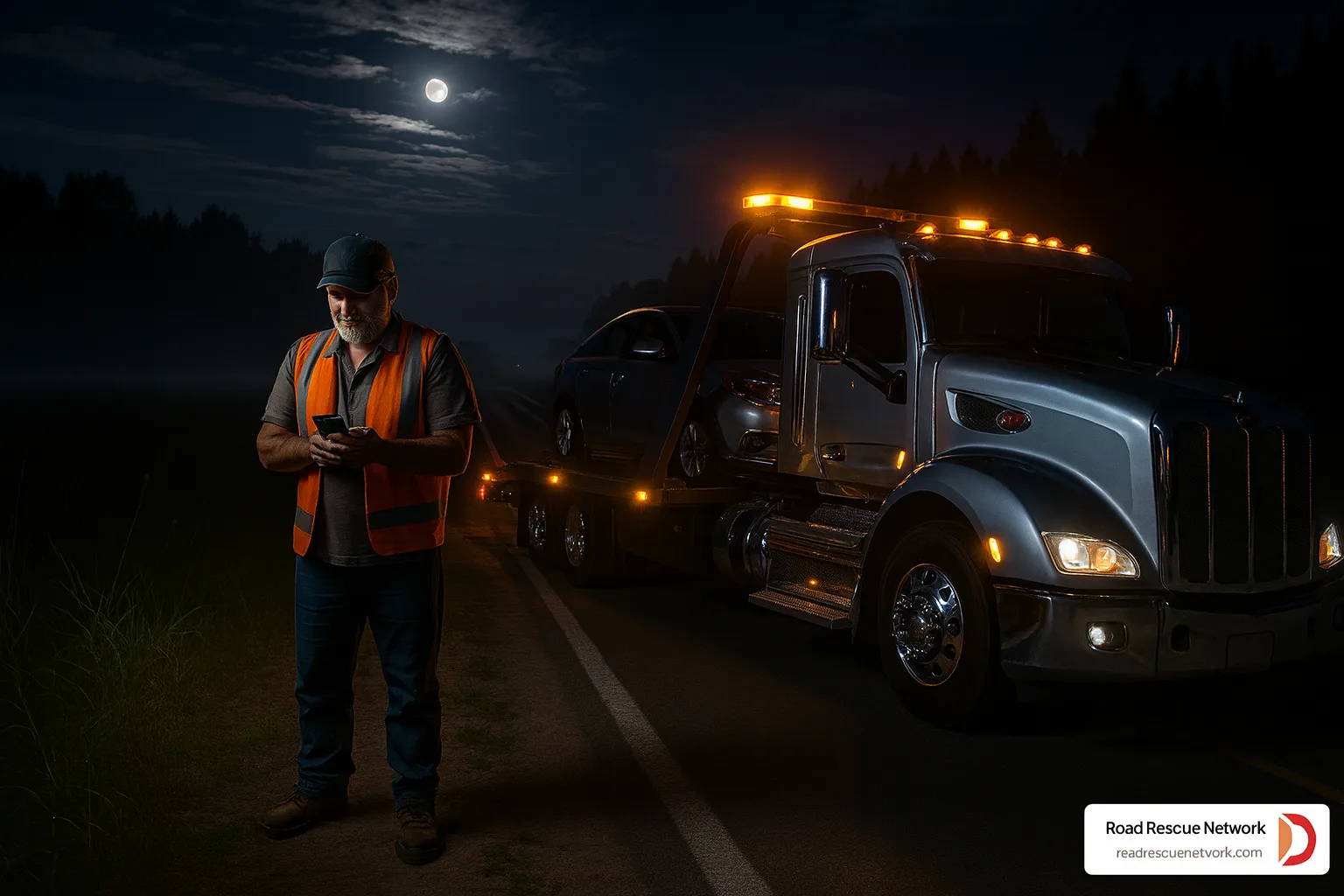
Heavy-duty towing is what you call when the truck cannot roll and a light-duty wrecker cannot legally take it. A Class 7 or 8 tractor, a loaded trailer, a mixer, a coach or a piece of equipment needs a heavy wrecker or a rotator, an operator rated for the tonnage, and the right hookup so the driveline and air system survive the move. The Amarillo recovery map is built around I-40 and I-27, where a blocking breakdown turns into a lane closure fast.
Around Amarillo the recovery work skews toward grain hoppers, livestock pots and produce reefers. Live-load and perishable freight is on a clock the tow itself cannot pause, so load transfer often beats a long tow. We match the unit to the load before dispatch, so the wrecker that arrives can actually take the weight on the first attempt.
Rotator and heavy wrecker recovery for loaded tractor-trailers, mixers, dumps and coaches. Underlift towing that keeps the drive axles off the deck so the driveline never has to come apart on the shoulder.
Tractor-only, trailer-only, or the full combination moved as one. Air-line and glad-hand hookup handled on scene so a truck with no air still rolls.
Off-road, soft-shoulder, ditch, mud and snow-bank extraction. Straight-line pull or a snatch block rig when the angle is wrong, without dragging the frame.
Uprighting a laid-over tractor or trailer with a rotator, then clearing the scene. We handle the DOT and law-enforcement coordination so the driver is not negotiating it roadside.
Re-securing a shifted load, or transferring freight to a second trailer when the original cannot legally or safely move. Keeps the freight moving instead of sitting in an impound.
Separating stacked or decked tractors, and undecking a unit that cannot be driven off. Standard work on drive-away and dealer-transport freight.
Excavators, loaders, backhoes and lifts moved on lowboy or traveling-axle trailers, including loads that need a permit and a route.
Straightening a jackknifed combination in a live traffic lane, the fastest way to reopen a blocked interstate and stop the secondary-crash risk.
A disabled Class 8 sitting in a live lane in Amarillo is not just a repair problem, it is a liability clock. Every minute it sits raises the odds of a secondary collision and, once law enforcement calls it in, the truck goes to a rotation wrecker and an impound yard you did not choose, at rates you did not agree to. Calling your own heavy wrecker first keeps the unit, the freight, and the destination in your control across Potter County.
Network heavy units run 25-to-75-ton wreckers and rotators with underlift, wheel-lift and rotating-boom capability, air cushions for rollovers, traveling-axle and lowboy trailers for equipment, and onboard air to get a truck with a dead system rolling. Every operator dispatched is insurance-verified and carries current towing and recovery liability, plus on-hook and garage-keepers coverage.
Tonnage is not the whole story — reach, boom rotation, and under-reach capacity decide whether a unit can actually make the pick. This is what the Amarillo network stages and when each one gets the call.
Rotating boom, dual winches, outriggers, full 360° pick capability
Loaded rollovers, over-the-guardrail and embankment picks, and any recovery where the wrecker cannot get square to the load. The rotator lifts and swings rather than dragging.
Rotating boom, dual winches, extendable under-reach
The metro workhorse for heavy recovery — uprighting, ditch extraction, and blocked-lane clearance where speed matters more than maximum tonnage.
Fixed boom, integrated underlift, wheel-lift grids
Standard Class 8 tractor-trailer and straight-truck tows. Fastest hookup of any heavy unit, so it is first out on a pure breakdown with no recovery component.
Medium-duty boom, wheel-lift, dolly capable
Class 5-7 box trucks, shuttle buses, ambulances, and light equipment — the units too big for a light-duty wrecker and too small to justify a rotator.
Traversing-tail deck, low load angle, deck winch
Wrecked or non-rolling units, forklifts, skid steers, and anything that must be carried rather than towed. The shallow load angle clears low-ground-clearance equipment.
Detachable gooseneck, multi-axle, oversize permit capable
Dozers, excavators, cranes, and machinery over legal deck height. Runs on an oversize permit with the route pre-cleared for bridge and overhead restrictions.
Low-pressure bags, manifold control, capacity in the hundreds of tons
Loaded trailer uprighting where boom lines would crush the sidewall. Deployed alongside a rotator, not instead of one.
Rigging inventory, absorbent stock, lighting, traffic control
Rolls with every major recovery. Carries the snatch blocks, straps, shackles, load cells, spill kit, and scene lighting the wrecker itself does not have room for.
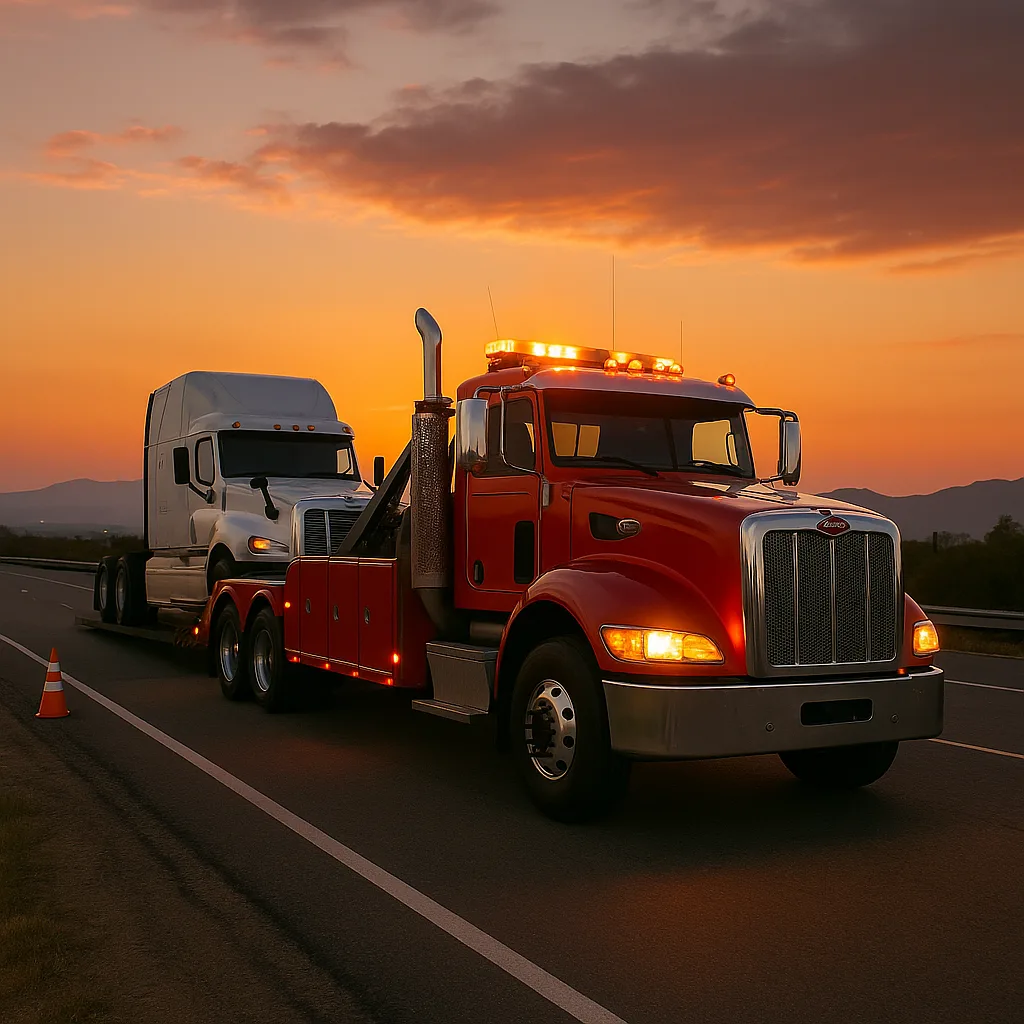
One call puts a heavy-duty towing unit on the road to you anywhere in Amarillo or out along I-40 and I-27. Tell us the road and which way you are pointed and we do the rest.
Class 7 and Class 8 wrecker work across the Amarillo metro — tractor-trailers, straight trucks, motorcoaches, refuse packers, mixers, and heavy equipment. Expand a category to see exactly what the network's heavy operators handle and what rolls to do it.
Full tractor-and-loaded-trailer pulls on an integrated heavy wrecker with underlift and wheel-grid. Drivelines are pulled or axles lifted so the tow does not shred a differential on the way across Amarillo.
Class 6-7 box trucks, stakebeds, and reefer bodies moved on a medium-duty wrecker or heavy rollback. The most common non-accident heavy call in the Amarillo metro is a box truck that will not roll from a delivery stop.
A trailer folded against the tractor is pushed and pulled back into line before anything is towed. Done wrong it bends the fifth wheel and the frame rail — done right the rig often drives away under its own power in a Amarillo work zone.
Overturned tractors and loaded trailers set back on their wheels with rotator boom lines, air cushions, or a combination of both. Load, lean angle, and slope decide the rigging plan before a single line goes tight on a Amarillo shoulder.
Off-shoulder, ditch, mud, snow, and soft-ground extractions using snatch blocks, tree savers, and multi-part line. Pull direction matters more than raw tonnage — a two-part line at the right angle beats a straight pull that digs the Amarillo unit deeper.
Cargo redistributed on-scene or moved to a second trailer when a shifted load puts an axle group over legal weight. Gets the freight moving again instead of stranding it in a Amarillo yard waiting on a permit.
Coaches, school buses, and transit units towed with air-brake caging and rear-engine clearance handled correctly. Passengers are moved to another vehicle before the hook so riders are not standing on a Amarillo roadside.
Packers, front-loaders, and roll-off trucks — often loaded, often leaking, usually blocking a residential Amarillo street. Recovered with containment down first, then hooked.
Concrete mixers with a live drum and loaded dumps carry a high, moving center of gravity. Drum discharge or load transfer usually has to happen before the unit can be safely towed anywhere in Amarillo.
Placarded tankers are staged and rigged with the shipper, the carrier's emergency contact, and responding agencies in the loop. Product transfer, not the tow, is the long pole on a Amarillo tanker incident.
Excavators, dozers, loaders, backhoes, telehandlers, and lifts hauled on a lowboy, RGN, or traversing-tail trailer. Dead iron that cannot roll on gets winched onto the deck rather than dragged across a Amarillo job site.
Engines, ladders, ambulances, plows, and street sweepers moved on priority dispatch. Amarillo municipal units are towed to the department's own shop, not to a storage yard, so they return to service the same day.
A dedicated recovery supervisor owns the rigging plan, the sequence, and the safety brief on any multi-unit Amarillo scene. This is the person insurers, police, and the risk-management desk talk to.
Cones, arrow boards, and shadow-vehicle protection set before the first line goes tight. Recovery inside an active Amarillo closure is worked under whoever controls the lane pattern, agency or contractor.
Diesel, coolant, hydraulic oil, and DEF captured with booms, pads, and absorbent before anything moves. Reportable quantities get called in — a Amarillo recovery that spreads a spill costs far more than the tow.
Wreckage, cargo, and glass cleared and the surface swept so the lane reopens clean. Roadway authorities across Amarillo expect the recovery contractor to hand back a driveable surface.
Low-pressure air bags roll a loaded trailer upright with the load still inside, spreading force across the sidewall instead of concentrating it on two boom lines. The difference between a Amarillo trailer that gets repaired and one that gets scrapped.
Underlift forks, wheel grids, and L-arms rather than chains on painted surfaces or plastic fairings. Lease-return tractors and late-model Amarillo fleet units come off the hook without a damage claim attached.
The rig goes where your maintenance program says it goes — your yard, your dealer, your contracted Amarillo shop — not automatically to the wrecker company's lot.
Fenced, lit, camera-covered yards with room to receive a full tractor-trailer when the destination shop is closed or the unit is evidence-held. Daily heavy rate is quoted up front on Amarillo jobs.
Out-of-metro and interstate relocation of a disabled Class 8 rig on a heavy wrecker or lowboy, priced by loaded mile rather than by the hour once you are clear of Amarillo.
A replacement tractor is put under the loaded trailer so the freight keeps its appointment while the broken unit gets towed separately. The single most valuable option on a Amarillo live-load breakdown.
Photo sets, itemized recovery narratives, scene diagrams, and time logs formatted for an adjuster or a post-accident file. Amarillo carriers use these to close claims without a second site visit.
Bobtail relocation, terminal-to-terminal repositioning, and lender-directed recovery of a Class 8 unit, handled with the same equipment and paperwork discipline as an accident scene in Amarillo.
Insurance-current network rescuers with verified compliance, equipment, and live availability status.
Rolling 30-day average dispatch-to-arrival, by service type, across the local rescuer network.
Heavy towing is not a flat rate and any operator quoting one over the phone has not seen the scene yet. These are the line items that actually appear on a Amarillo heavy recovery invoice, so you can read the estimate before you approve it.
Charged once the unit is dispatched and on scene. Heavy hook-up is a different number than light-duty and is quoted per wrecker class, not per truck.
Per-mile from the scene to the drop, measured loaded. Ask whether it is billed portal-to-portal or scene-to-drop — that single distinction moves long tows the most.
Billed per hour, per unit, from arrival to the moment the casualty is rolling. Recovery time is separate from towing time, which is why a short tow can carry a long bill.
A rotator carries its own hourly rate above a standard heavy wrecker because of what it can reach and lift. Confirm before it rolls whether the scene actually needs one.
The person who owns the rigging plan on a multi-unit scene, billed separately. On a complex recovery this is the line item that keeps the other line items small.
Per man-hour for extra operators. Rollovers, cargo transfers, and containment work all take hands beyond the wrecker driver.
Priced as a system, not by the bag. Cheaper than the trailer it saves whenever the load has to stay in place.
Booms, pads, speedy-dry, and disposal. Passed through at cost on most network jobs, and the roadway authority generally will not release the scene until it is done.
Per day, at a heavy rate, from the day of arrival. Runs until the unit is released — get the destination decided before the hook and this line never opens.
A premium tier, not a surcharge on the base. Most heavy recoveries happen outside business hours, so this is the norm rather than the exception.
Waiting on law enforcement clearance, a bridge authority escort, or a shipper's decision is billable time. Fast decisions on your end directly cut this line.
Oversize permits, bridge-authority credentials, and escort vehicles when the route or the load requires them. Quoted in advance whenever the route is known before dispatch.
Road Rescue Network does not set a member operator's rates. What the network does is make the estimate itemized and comparable before the truck rolls, so an approved heavy recovery does not arrive as a surprise invoice three weeks later.
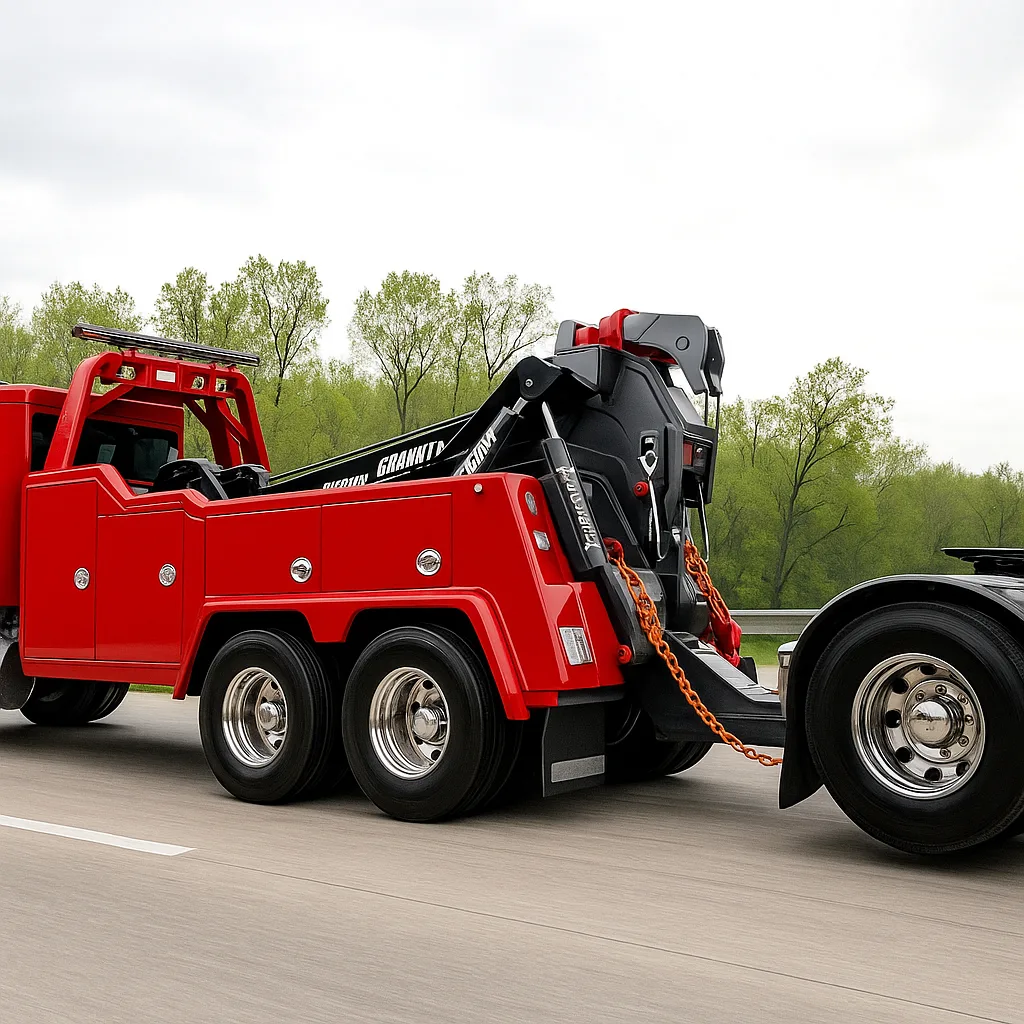
The same crews that run Amarillo also cover Canyon (18 mi), Dumas (49 mi) and Pampa (58 mi), so a call from either side of Potter County reaches the same desk.
Each service links to local response times, rescuer coverage, and recent dispatched jobs in this metro.
A live map of every heavy-duty towing and recovery operator in Amarillo metro, with real-time positions, ETAs, and dispatch status, available inside your dashboard.
Sign in to track network rescuers across Amarillo in real time, dispatch jobs, and confirm ETA before the truck rolls.
Each corridor has a dedicated breakdown landing page with service zones, exits, and recent dispatched jobs.
16 exits in Amarillo
The coast-to-coast southern artery and Amarillo's main east-west freight line, tracing the old Route 66. Breakdowns cluster around the Lakeside Drive and Grand Street exits and on the long grade west toward Vega.
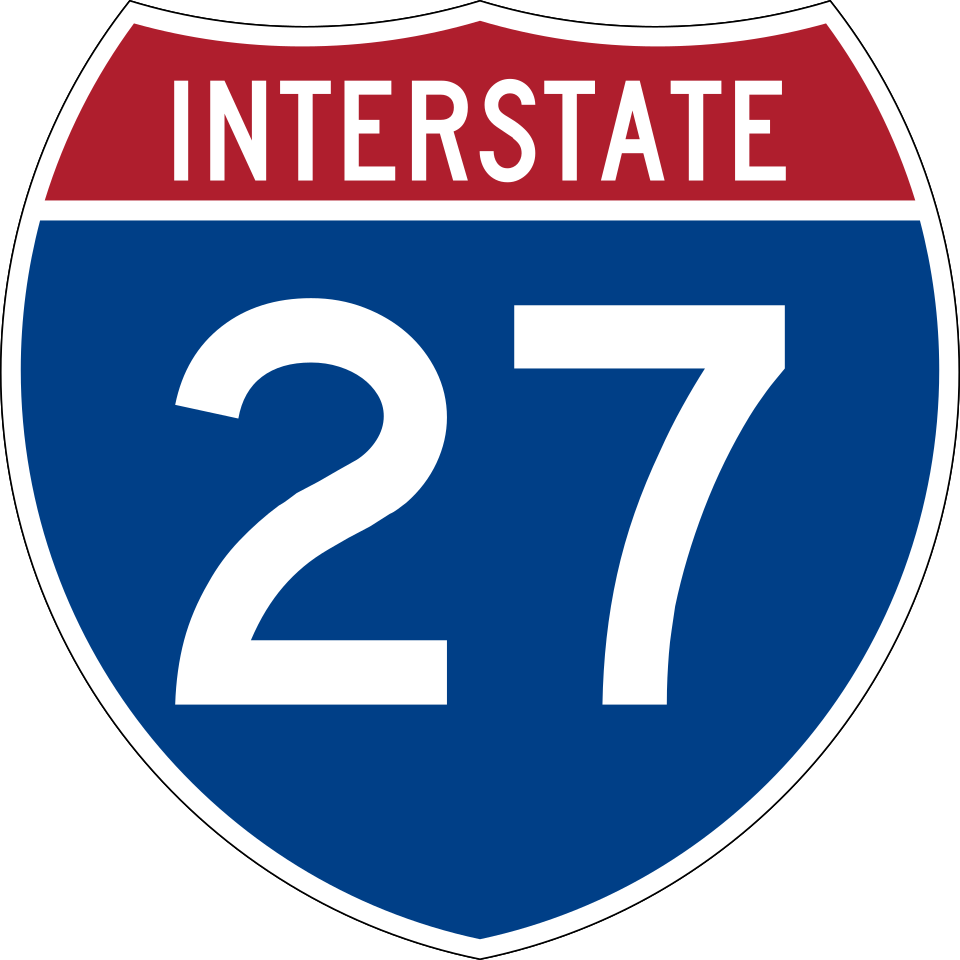
9 exits in Amarillo
The north-south spur connecting Amarillo to Lubbock, heavy with grain, cattle, and cotton freight. The I-40/I-27 mixmaster downtown is the Panhandle's busiest interchange and a frequent service-call zone.
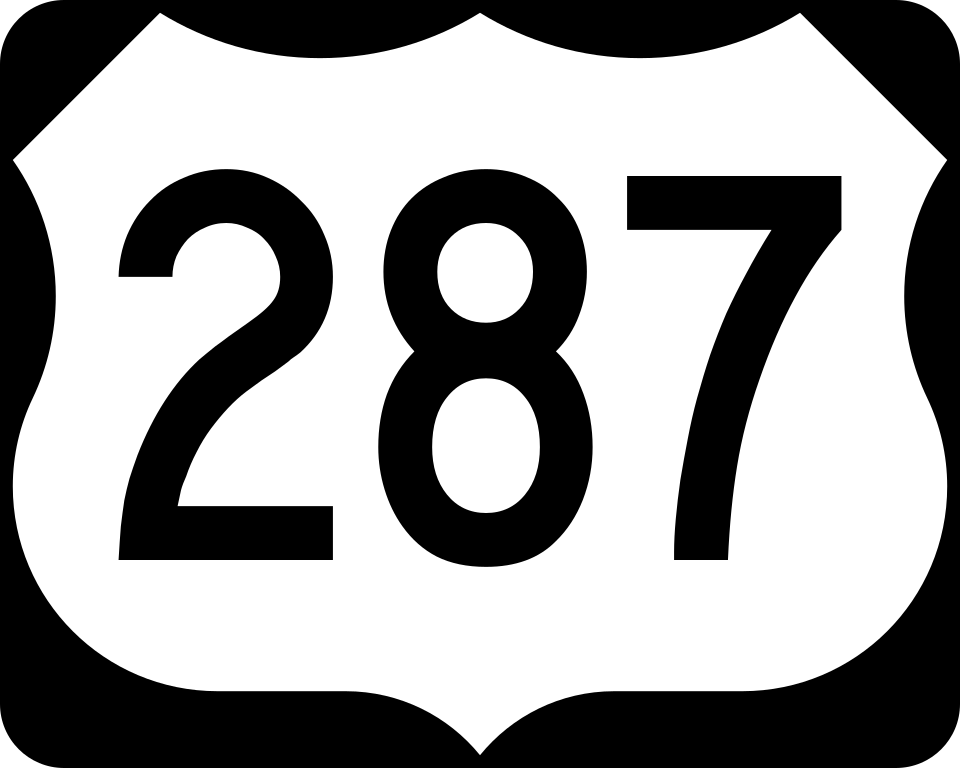
7 exits in Amarillo
The diagonal Dallas-to-Denver truck route that doubles as Amarillo's northeast freight corridor toward Dumas. Carries heavy oilfield and ag traffic; common breakdown points near the Dumas Avenue split.
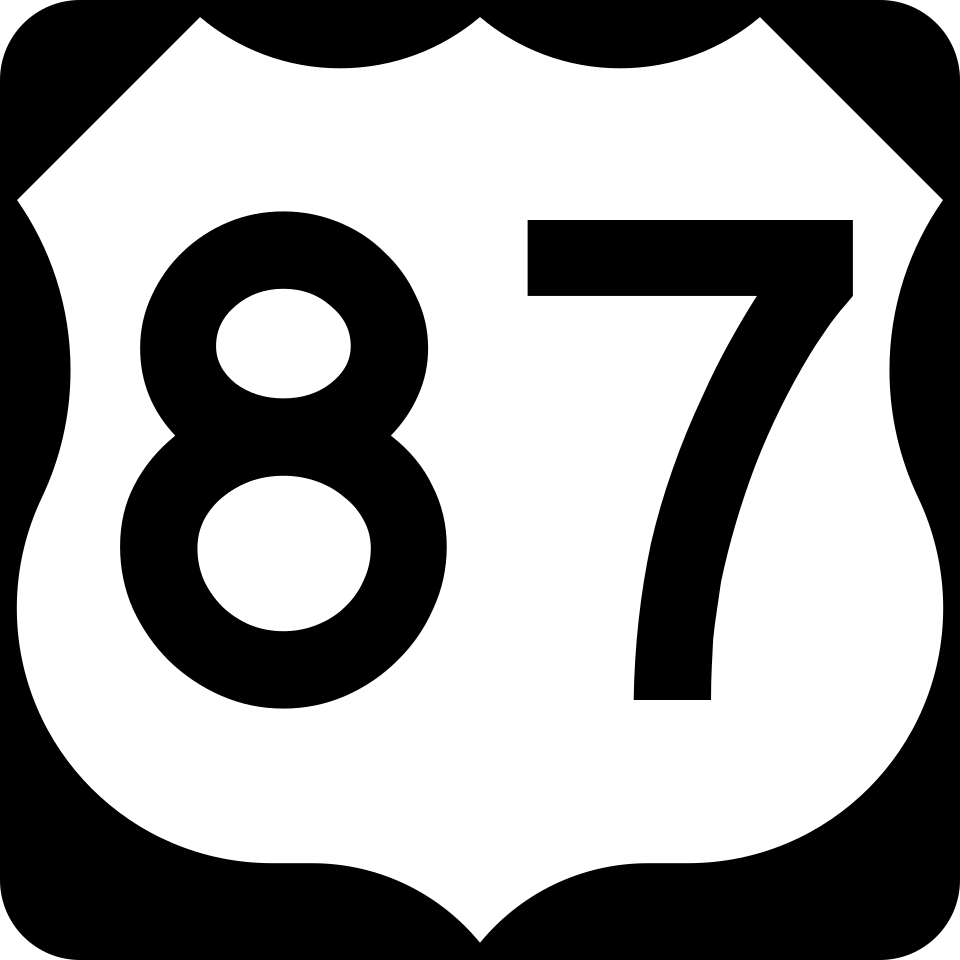
6 exits in Amarillo
North-south route overlapping I-27 through town, then running solo north toward Dumas and the feedlots. High volume of cattle haulers and tanker traffic.

5 exits in Amarillo
Northeast-southwest route linking Amarillo to Canyon and Pampa, a workhorse for grain elevators and rail-served industry. Concrete and aggregate trucks dominate the daytime traffic.
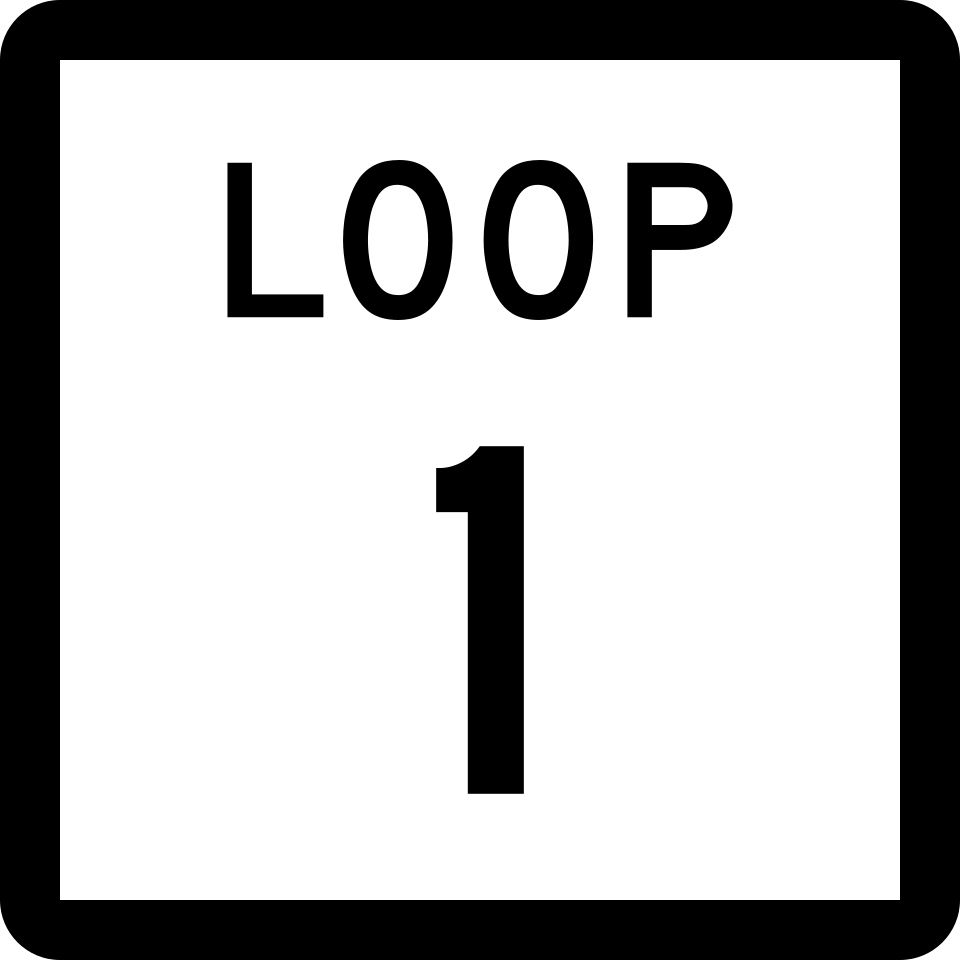
11 exits in Amarillo
Amarillo's outer loop, the bypass most through-freight uses to skip the downtown mixmaster. Service calls gather near the industrial parks on the east and south arcs.
Patterns observed across recent dispatch data in this metro, by service type and corridor.
A combination that jackknifes or loses air across a travel lane on I-40 stops being a towing job and becomes a traffic-control job. The longer the unit sits, the higher the secondary-collision risk, and once law enforcement calls it in the truck goes to whoever is on the rotation list rather than to a shop you chose. Our Amarillo operators run heavy wreckers with underlift so the combination can be straightened and pulled without breaking the driveline down in a live lane.
Most winch-out calls around Amarillo are not crashes. A driver drops a trailer tandem off the pavement edge on I-27, or backs into soft ground at a yard, and the unit is stuck without a scratch on it. The wrong answer is a straight pull on the frame. Our operators rig a snatch block and pull on the correct points so the truck comes out on its own wheels and stays legal to drive away.
Live-load and perishable freight is on a clock the tow itself cannot pause, so load transfer often beats a long tow. Recoveries in the Amarillo area are quoted on gross weight and whether the load can stay on the trailer, because those two answers decide whether this is a tow, a load transfer, or a full rotator recovery. We confirm both before an operator is dispatched so the bill matches the job that actually gets done.
Truck-stop lots around Amarillo generate steady heavy-duty work that has nothing to do with the highway: a unit parked in on all four sides, a trailer dropped on a collapsed landing gear, or a tractor that will not start and has to come off the lot before the parking clock runs out. Flying J Travel Center is a regular pickup for our operators, and lot work is quoted flat rather than by the mile.
Who controls the scene decides how fast the lane reopens. These are the authorities and rules that govern a heavy recovery in and around Amarillo, Texas — worth knowing before you are standing on the shoulder.
Most states now require drivers to move over or slow down for stopped tow trucks displaying amber lights, and authorize responders to clear a disabled or wrecked vehicle from travel lanes without waiting for the owner. Recovery operators work under those authorities, which is why an incident commander can order a tow you did not call.
Crash scenes on public roads are typically assigned from a law-enforcement rotation list, not by the motorist. If a rotation tow has already been dispatched, your preferred operator may only be able to take the second move — from the impound yard to your shop.
A tow you request is consensual and priced by agreement. A tow ordered by police or a property owner is non-consensual and priced under a regulated maximum. The rules that apply to your invoice depend on which one happened.
Federal securement rules apply to a recovered load the same as to a running one. Cargo transferred on scene has to be re-secured to standard before that trailer moves, which is part of why a load shift takes longer than the pull itself.
A recovered unit that exceeds legal dimensions or axle weights needs a permit and, sometimes, a routed escort. That permit is issued to the hauler, so the operator's credentials — not yours — determine whether the move can happen tonight.
Fuel, oil, and coolant releases above a reportable quantity trigger notification to state environmental authorities. The recovery contractor documents containment; the carrier remains the responsible party for the release.
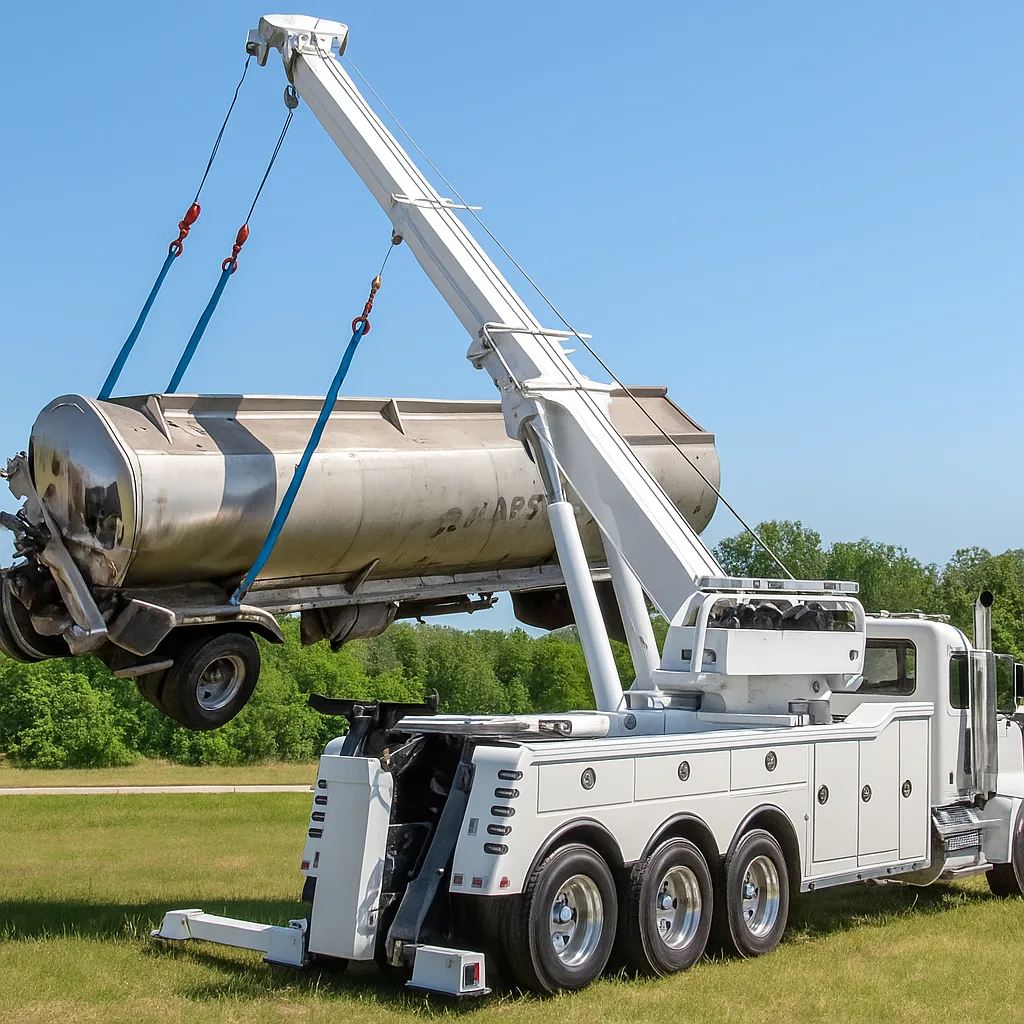
Most Amarillo calls are answered in about 44 minutes. You get a real time before anyone rolls, and the price before the work starts.
Amarillo is the freight pivot of the Texas Panhandle, sitting where I-40 (the old Route 66 transcontinental) crosses I-27 from Lubbock. Every coast-to-coast truck running the southern tier passes through here, and the region's beef-packing plants, grain elevators, and wind-turbine component traffic keep the corridor loaded around the clock. It is the last major service point for 100+ miles in any direction, which makes a breakdown here a real problem if you don't know who to call.
Amarillo is a city in the U.S. state of Texas and the county seat of Potter County, though most of the southern half of the city extends into Randall County. It is the 17th-most populous city in Texas and the most populous city in the Texas panhandle. The estimated population of Amarillo was 203,729 as of 2024, comprising nearly half of the panhandle's population. The Amarillo metropolitan area had an estimated population of 308,297 as of 2020.
Out on the High Plains, the nearest heavy-duty shop can be an hour of empty I-40 away, so when a rig goes down outside Amarillo the clock matters more than almost anywhere in Texas. Road Rescue Network's Panhandle rescuers run 24/7 and keep service trucks staged near the Tyson plant and the I-40/I-27 interchange, so response time stays tight even when the breakdown is well outside the city limits.
Anyone who's dispatched a truck through Amarillo in July knows the asphalt radiates heat well past 105°F, and the steady Panhandle wind drives dust across the lanes during the dry season. That combination cooks tires and stresses cooling systems on the long flat pulls between here and Tucumcari. Our mechanics work this climate every day and stock the coolant, hoses, and correct-size drive tires that the corridor chews through.
Whether you're a fleet manager routing a reefer of boxed beef eastbound, or an owner-operator who lost air at the Flying J on Lakeside, the closest verified, insurance-current rescuer in our Amarillo network is one phone call away. Road Rescue Network's operations team handles the dispatch, the ETA confirmation, and the handoff so you're not cold-calling shops off a billboard at 2am.
Reviews collected from fleet customers and drivers after completed service calls in this metro.
“Blew a steer 30 miles west of Amarillo on I-40, middle of nowhere, 108 degrees. RRN had a tire truck to me in under an hour with the right size on board. Saved my whole day. These guys actually run the empty stretches.”
“Reefer of boxed beef out of the Tyson plant lost coolant at the I-40/I-27 mixmaster. Tech diagnosed a water pump, had it swapped roadside in two hours, load never warmed up. Exactly the response a perishable load needs.”
“Driver jackknifed on US-287 in a dust blow. Tow operator coordinated with DPS and got him recovered safely. Took a bit longer than quoted because of the conditions, but the communication was solid the whole time.”
Heavy-duty towing in Amarillo starts around $475 for an in-area move, with a hook fee plus a per-mile rate beyond the local radius. A winch-out that does not need a tow is usually billed as a flat recovery call. Rollover, load-shift and rotator work is quoted on scene because the price depends on gross weight, whether the load stays on the trailer, and how long the lane is blocked. You get the number before the truck rolls, and there is no after-hours surcharge.
Yes. Class 7 and 8 tractors, loaded and empty trailers, and the full combination as one unit. Our Amarillo network runs heavy wreckers and rotators with underlift, so the drive axles come off the ground and the driveline does not have to be pulled apart on the shoulder. Box trucks, dumps, mixers, coaches, car haulers and diesel RVs are all in scope.
Often, yes, and it is the cheaper call. Winch-out and extraction covers soft shoulders, ditches, mud, snow banks and yard ruts, where the truck is stuck but undamaged. If the unit can drive away under its own power once it is back on hard surface, you pay for a recovery instead of a tow and a storage bill.
Tell dispatch that first, because it changes everything. A blocking unit is a live safety hazard and it puts you on the clock with law enforcement. If police call it in before you do, the truck goes to whoever holds the rotation contract and ends up in an impound yard at rates nobody negotiated. Calling your own heavy wrecker first keeps the truck, the freight and the destination in your hands.
Yes. I-40 and I-27 through Potter County are core recovery corridors, and heavy units stage to reach them 24/7. The same operators run the surrounding towns (Canyon, TX, Dumas, TX and Pampa, TX), so a call from either side of the county reaches the same dispatch desk.
Every operator dispatched in Amarillo carries current towing and recovery liability, on-hook coverage and, where applicable, garage-keepers insurance. We re-verify at every renewal cycle, and an expired policy is an automatic suspension from dispatch. That matters more on a heavy recovery than on any other call, because the exposure is the value of the tractor plus the freight.
Average response time in Amarillo is 44 minutes for mobile truck repair inside the metro. Breakdowns well out on I-40 or US-287 run longer simply because of the distance, this is open Panhandle country. We post real averages, not best-case marketing numbers.
Yes. The downtown I-40/I-27 interchange is one of our most-frequented service zones, and we deliberately stage rescuers who'll run the empty I-40 miles west toward Vega and Adrian where help is otherwise an hour away. Dust-storm pullouts on that stretch are worked with Texas DPS.
Every Road Rescue Network rescuer in Amarillo maintains current general liability, automobile liability, workers comp, and where applicable garage-keepers coverage. We re-verify each renewal cycle, and expired insurance means automatic suspension from dispatch.
Yes. We service national accounts with consolidated invoicing, fleet-card billing, and a single dispatch contact. Most national fleets onboard in under 48 hours. Reach out via the form on this page or call our dispatch line.
24/7/365. There is no after-hours surcharge in our network; rescuers quote the same rate at 3am as at 3pm.
We dispatch routinely to the Flying J and TA/Petro cluster at I-40 Exit 75 on Lakeside, Love's #312 at Exit 72A, and Pilot #424 on the west side at Exit 64. Most of our service trucks know these locations cold.
Most DPF regen faults we resolve roadside with a forced regen and a cleaning of the differential-pressure sensor. Full DPF removal and cleaning happens at our partner shops. We tell you upfront which path we're taking.
Standard service-call dispatch fee runs $160-240 in the Amarillo area depending on time of day and how far out on the corridor you are. Heavy-duty towing starts around $475 for in-city moves and scales with distance. We confirm a quote before the truck rolls.
Yes. Several Amarillo rescuers run fleet-PM programs with scheduled visits to your yard or terminal. Tell us your fleet size and DOT inspection cadence and we'll match you with the right shop.
If we determine on-scene that the truck can't be fixed roadside in a reasonable window, we coordinate the tow with one of our heavy-duty Panhandle rescuers. Many of our service trucks roll alongside a wrecker so there's no second response time.
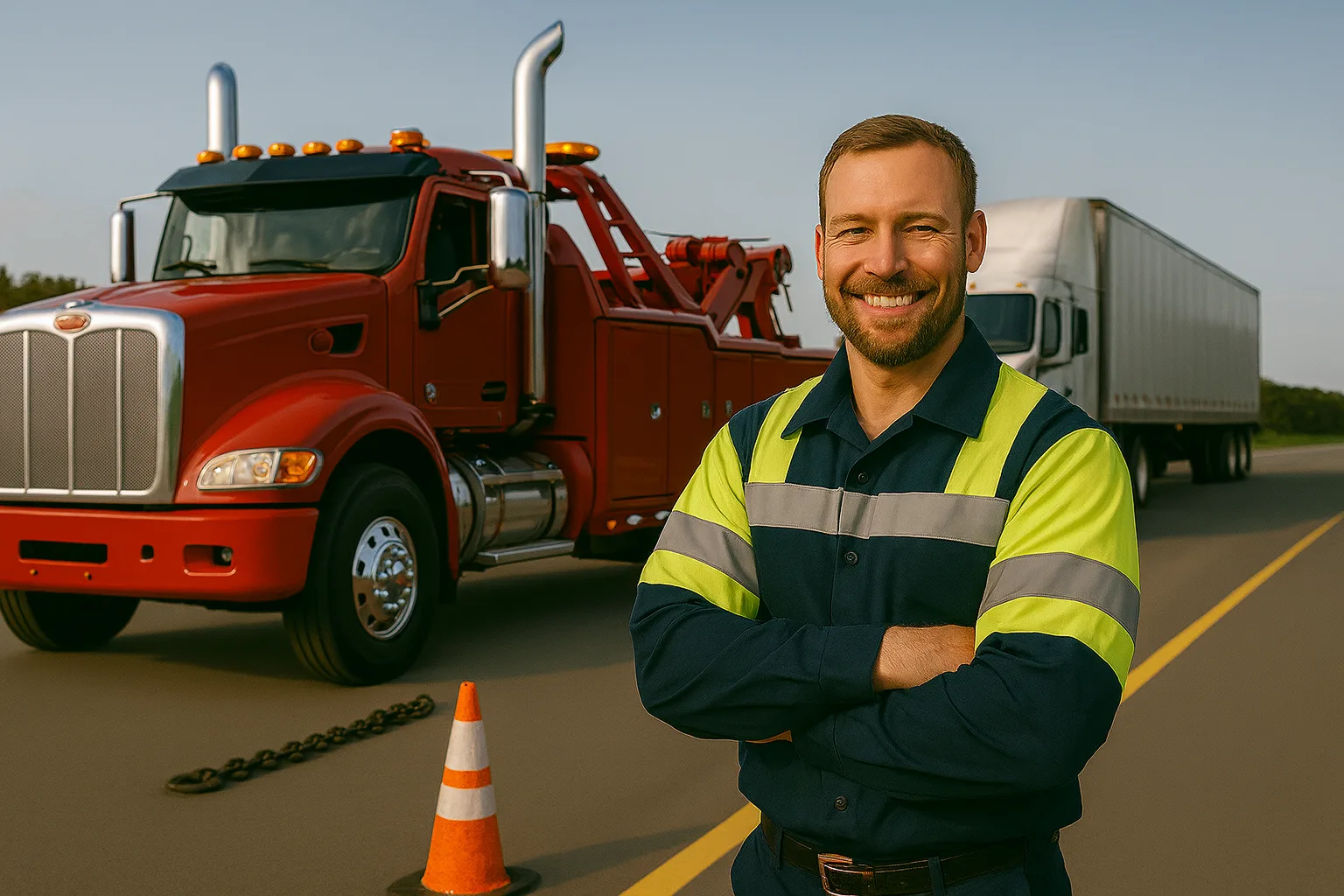
Amarillo runs about 198,645 people and sits in Potter County, inside the Amarillo Metropolitan Area. We take the call, find the closest crew that actually does this work, and tell you what it costs before anyone turns a wheel.
Sample of recent dispatched service calls in this metro. Customer details removed; locations and response times preserved.
| When | Service | Location | Response |
|---|---|---|---|
| Tuesday 02:41 CT | Mobile Truck Repair | I-40 W exit 64 | 46 min |
| Monday 16:08 CT | Commercial Tire Repair | I-40 EB near Conway | 51 min |
| Sunday 11:22 CT | Heavy-Duty Towing | I-27 N exit 122B | 48 min |
| Saturday 19:55 CT | Mobile RV Repair | Flying J Lakeside Dr | 58 min |
| Thursday 07:14 CT | Mobile Welding | Amarillo East industrial district | 54 min |
| Wednesday 23:37 CT | Mobile Bus Repair | AISD transportation yard | 66 min |
| Friday 13:49 CT | Fuel Delivery | Loop 335 SE arc | 31 min |
| Monday 05:26 CT | Tire Service | TA Amarillo I-40 exit 75 | 34 min |
Coverage in surrounding cities and metros across the same network of verified rescuers.
The same verified network of providers, dispatched 24/7 across every major Texas metro and freight corridor.
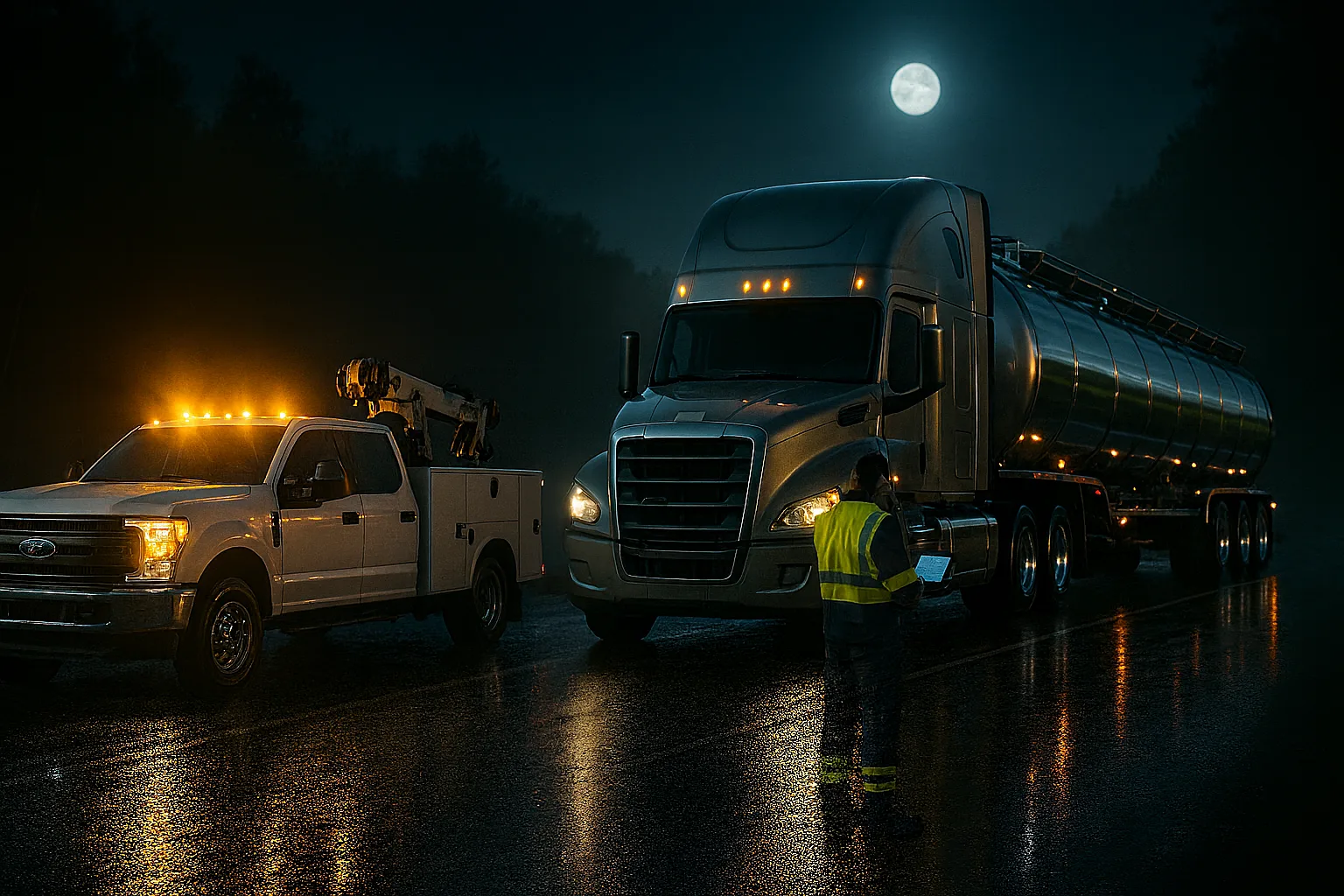
Whether the truck is sitting in Amarillo or out toward Pampa, it is the same phone number and the same crews. One call, day or night.
Deep-dive guide on choosing the right provider, common pitfalls, and what to expect on a service call.
OpenOpen positions at our network rescuers, full-time, part-time, and 1099 contract.
OpenOn-site photos from recent calls, see the work, not just the marketing.
OpenNetwork technicians carry diagnostic equipment, OEM-spec tooling, and common-failure parts for every major heavy-duty towing brand on the road. Out-of-stock specifics order in within 24 hours.
Service trucks dispatch routinely to these locations across the metro freight corridors.

24/7, scales, RV lanes
View Directory Profile →
Tire Care center, 24-hr
View Directory Profile →
On-site shop, parking 175+
View Directory Profile →West side, full service
View Directory Profile →
Iron Skillet, heavy-duty shop
View Directory Profile →Truck parking, restrooms
Local parts houses and diesel suppliers used by network mechanics for time-critical roadside repairs.
Heavy-duty parts, will-call
View Directory Profile →
HD parts + service bays
View Directory Profile →
Engine parts + dealer service
View Directory Profile →Major shippers, distribution centers, and industrial freight nodes generating outbound and inbound truck volume.
Major reefer freight origin
Building-products outbound freight
Foodservice distribution hub
Concentration of warehousing and 3PL freight
Rail-served manufacturing cluster
Three steps from the call to a cleared scene. Same flow whether you call from a fleet desk or the shoulder of an interstate.
Unit type, loaded or empty, upright or over, in a lane or on the shoulder, and whether police are already on scene. Those five answers decide whether Amarillo dispatch sends an integrated wrecker or stages a rotator — get them right and the correct truck rolls first.
We match tonnage, reach, and credentials to the scene, not just proximity. A closer wrecker that cannot legally stage on a Amarillo bridge or enter a work zone is not the fast answer — the credentialed one is. You get the unit class and a real arrival time before it leaves.
Containment goes down, the rigging plan is briefed, the unit is recovered, and the roadway is handed back clean. The rig goes where your maintenance program says it goes anywhere in the Amarillo metro, and the photo set and itemized narrative reach your desk the same day.
Network rescuers accept all major credit cards, fleet cards, and consumer payment apps. Confirmed at dispatch.