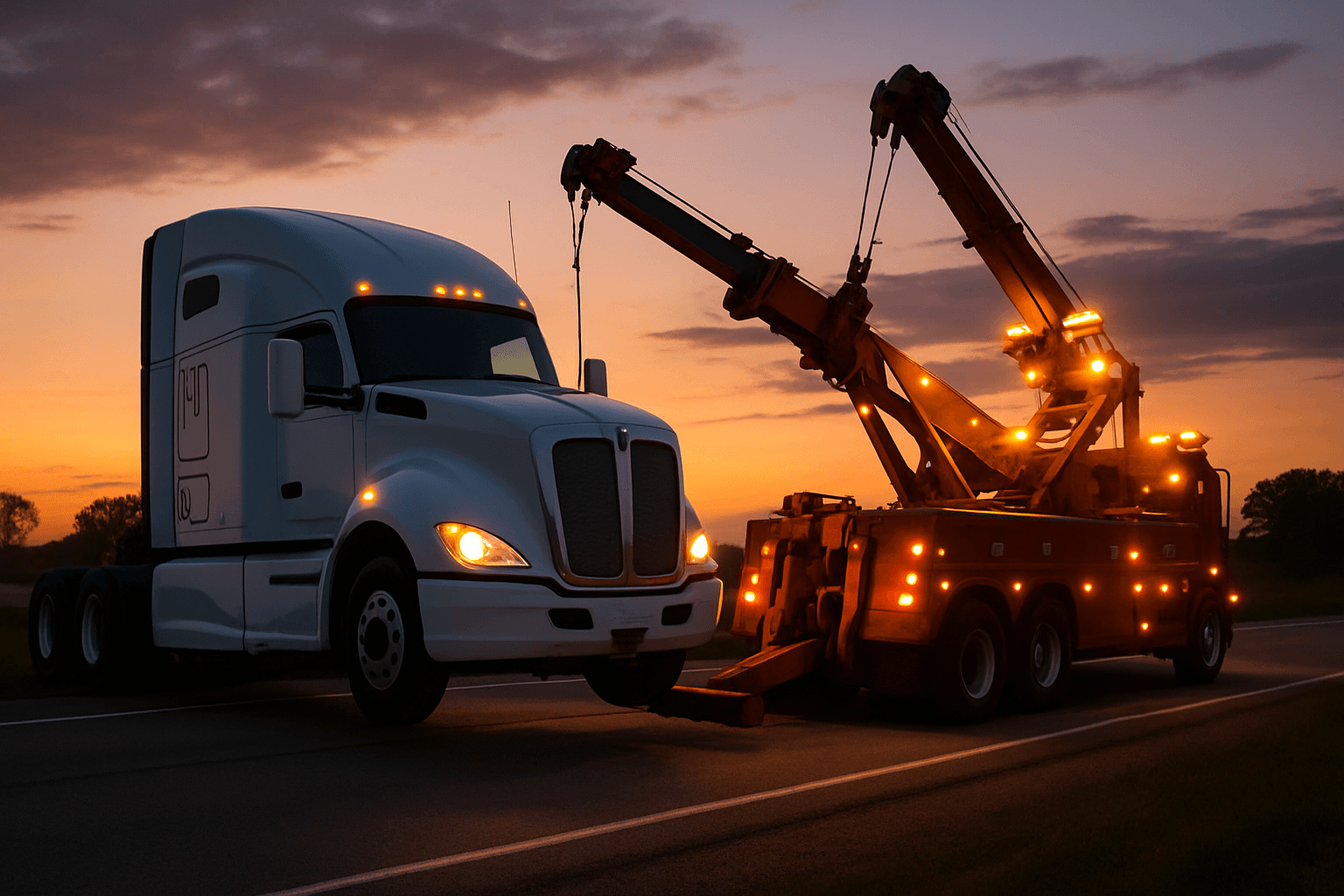
The Reality of Industrial Equipment Failures
Industrial equipment does not fail on schedule. A hydraulic boom cracks on a Saturday. A loader frame splits during a double shift. A conveyor mount shears loose two hours before a critical shipment deadline. The machinery that keeps job sites, manufacturing plants, and material yards running does not care about your calendar.
Mobile welders see the aftermath of these failures every week. Unlike shop-based fabricators who work on planned projects, field welders respond to equipment that has already quit. The patterns are consistent across industries: certain components fail predictably, certain operating conditions accelerate wear, and certain repair decisions either extend equipment life or set up the next breakdown.
Understanding what actually breaks and why matters more than most operators realize. A loader bucket that cracks once will crack again unless someone addresses the root cause. A cracked chassis mount on a material handler is not just a weld repair, it is a symptom of load distribution problems or metal fatigue that will move to the next weak point if left unaddressed.
What Mobile Welders Repair Most Often
Walk through any industrial yard with a veteran welder and they will point out a dozen spots where metal will eventually fail. Some failures come from design compromises, others from operational abuse, many from simple age and accumulated stress cycles.
Structural Cracks in Heavy Frames
Excavator booms, loader arms, and material handler frames carry enormous cyclical loads. Metal flexes thousands of times per shift. Welds that looked perfect when the equipment rolled off the assembly line develop hairline cracks after years of repetitive stress. These cracks typically start at weld toes, in heat-affected zones, or at geometric stress concentrations like corners and attachment points.
The repair is straightforward if caught early: grind out the crack completely, prep the base metal, lay down sound weld beads with proper preheat and interpass temperature control. The diagnosis is harder. A crack visible on the surface often extends further into the parent metal than it appears. Mobile welders working in the field use dye penetrant or magnetic particle inspection when the repair matters enough to justify the extra time.
Frames crack because the loads exceed what the original designer anticipated, or because modifications changed how forces distribute through the structure, or because someone welded a bracket onto a high-stress area without understanding the consequences. Fixing the crack without fixing the cause just moves the problem six inches down the beam.
Bucket and Attachment Wear
Loader buckets, excavator buckets, and grapple attachments take direct impact and abrasion every working hour. Cutting edges wear down, side plates crack, mounting lugs elongate. This is consumable damage, expected and manageable, but it still stops work when a bucket edge breaks through or a mounting pin works loose because the hole ovaled out.
Mobile welders rebuild these components on site more often than any other repair. Build up worn edges with hard-facing rod, patch cracked side plates, sleeve out enlarged pin holes and weld in fresh bushings. The work is not complicated but it requires understanding which welding processes and filler metals will hold up to the specific service conditions. A bucket edge rebuilt with the wrong rod will wear out faster than the original.
Some operators run buckets until they fail catastrophically. Others schedule rebuilds during planned downtime. The second group spends less money over the equipment's life and loses fewer production hours to emergency repairs.
Hydraulic Cylinder Mounts and Pivot Points
Hydraulic cylinders push and pull with tremendous force. The mounts that anchor those cylinders to the frame absorb all of that energy. Welds crack, plates bend, pins wear, mounting ears break off entirely.
These failures often happen suddenly. A cylinder mount that looked fine yesterday cracks through during a heavy lift today. The equipment is immobilized until someone welds it back together. Mobile welders see these calls constantly, especially on equipment that operates in high-cycle applications or gets pushed past rated capacity regularly.
Repairing a failed cylinder mount in the field requires more than just welding skill. The mount has to go back together in precise alignment or the cylinder will bind, seals will leak, and the repair will fail again quickly. Many mobile welders carry alignment jigs, laser levels, and dial indicators specifically for hydraulic component work. Precision matters when you are welding something that operates under thousands of PSI.
Cracked Chassis and Undercarriage Components
Crawler undercarriages, truck frames, and trailer chassis all crack eventually. Road shock, overloading, and corrosion combine to fatigue the metal until something gives. A crack in a main frame rail can sideline an entire piece of equipment until a welder addresses it.
Chassis repairs in the field require careful evaluation. Is the crack in a high-stress area where a simple weld will just move the failure to the next weak spot? Does the frame need reinforcement plating? Is the base metal so corroded or work-hardened that it will crack again next to the repair?
Mobile welders working on chassis often have to make judgment calls about whether a field repair will actually hold or whether the equipment needs to go to a shop for more extensive work. A poor repair on a structural frame component can fail catastrophically and hurt someone. The experienced welder knows when to say the job is beyond field capabilities.
Wear Plates and Abrasion Surfaces
Chutes, hoppers, conveyor beds, and dump bodies wear through from constant material flow. Hard rock, abrasive aggregates, and heavy scrap metal erode steel surprisingly fast. Eventually a wear plate wears completely through and material starts spilling where it should not.
Replacing wear plates in the field is common work for mobile welders. Cut out the old plate, fit and tack the new one, weld it in with enough penetration to hold but not so much heat that you warp the surrounding structure. Use hard-facing overlays on high-wear surfaces to extend service life.
Some companies run equipment until wear plates fail completely. Others measure remaining thickness during routine inspections and replace plates before they perforate. The second approach avoids the secondary damage that happens when material escapes through a worn-through plate and damages components downstream.
Why Equipment Breaks When It Does
Industrial equipment does not fail randomly. Patterns emerge when you look at enough failures. Certain conditions accelerate wear, certain operational practices shorten component life, certain maintenance gaps turn small problems into catastrophic breakdowns.
Overloading and Operator Abuse
Equipment rated for a specific capacity will eventually fail if consistently pushed beyond that rating. Overloading a loader bucket, exceeding a crane's chart, dragging a load that is too heavy for the undercarriage — these practices accumulate damage invisibly until something cracks or breaks.
Operators under pressure to move more material or finish a job faster sometimes push equipment past safe limits. The equipment does not complain until it fails. A mobile welder repairing a cracked boom or broken frame can often tell from the failure pattern that overloading caused it, but fixing the equipment does not fix the operational culture that led to the failure.
Deferred Maintenance and Inspection Gaps
Small cracks grow into big cracks. Loose bolts allow components to shift and wear. Dry pins gall and seize. Corroded metal loses strength. All of these problems are visible during routine inspections, but only if someone actually looks.
Many equipment failures that require emergency welding could have been prevented with earlier intervention. A hairline crack caught during a weekly walk-around can be ground out and repaired in an hour. The same crack ignored for three months propagates until the entire component fractures and the repair takes a full day plus parts.
Companies that run tight inspection schedules and address small issues promptly spend less on emergency repairs and lose less production time. The ones that skip inspections and run equipment until it quits spend more in every category.
Environmental and Operational Conditions
Equipment operating in corrosive environments, extreme temperatures, or high-vibration applications wears faster than the same equipment in mild conditions. Salt exposure accelerates corrosion. Thermal cycling from welding or high-heat processes can cause cracking. Continuous vibration fatigues metal and loosens fasteners.
Mobile welders working in coastal areas, chemical plants, or mining operations see accelerated wear on everything. Protective coatings break down, welds crack sooner, and components need rebuilding more frequently. The equipment is not defective, the environment is just harder on metal than standard service conditions.
Understanding the operating environment helps predict where failures will occur and what preventive measures make sense. A piece of equipment working in a salt-laden atmosphere needs more frequent inspection and better corrosion protection than the same model running in a dry climate.
Field Repair vs. Shop Work: When Each Makes Sense
Not every equipment failure needs a mobile welder. Some repairs genuinely require shop capabilities: overhead cranes, precision machining, controlled environments, extended work time. But many breakdowns can be fixed in the field faster and cheaper than transporting the equipment to a shop.
When Field Repair Works
If the equipment cannot move or moving it costs more than the repair, field work makes sense. A cracked excavator boom on an active job site, a broken loader frame in a material yard, a fractured chassis on a trailer loaded with time-sensitive freight — these situations favor bringing the welder to the equipment rather than the equipment to the welder.
Field repairs work best when the damage is accessible, the repair does not require extensive machining or fabrication, and weather conditions allow quality welding. A skilled mobile welder with proper equipment can produce repairs that match shop quality in many situations.
The limitation is usually access and positioning. If the welder cannot reach the damaged area or cannot position the equipment to allow proper joint preparation and welding technique, the repair either will not hold or should not be attempted in the field.
When Shop Work Is Necessary
Complex fabrication, precision machining, extensive disassembly, or repairs requiring overhead lifting all push toward shop work. If a component needs to be completely rebuilt rather than patched, if critical dimensions must be held to tight tolerances, if the repair requires days rather than hours, the shop is the right choice.
Some repairs start in the field and finish in the shop. A mobile welder might stabilize a cracked frame enough to move the equipment safely, then the full repair happens under controlled conditions with proper fixtures and inspection.
The decision often comes down to risk and cost. A field repair that fails causes downtime twice. A questionable repair on a safety-critical component should not happen in the field regardless of convenience. Experienced mobile welders know when to recommend shop work even though it costs them the job.
What Operators Can Do to Prevent Breakdowns
Equipment will eventually wear out, but premature failures are usually preventable. Companies that treat industrial equipment as critical assets rather than disposable tools get more service life and lower total cost of ownership.
Regular Inspection Routines
Walk the equipment weekly. Look for cracks, loose bolts, unusual wear patterns, fluid leaks, and damaged components. A crack you can see today is easier and cheaper to fix than the catastrophic failure that same crack causes next month.
Train operators to report problems early. A loose bucket pin or a small crack in a mounting bracket is not something to ignore until the next scheduled maintenance. Early reporting prevents small issues from becoming big failures.
Proper Operating Practices
Run equipment within rated capacity. Avoid shock loading. Do not use a piece of equipment for tasks it was not designed for. These sound like obvious rules but they get violated constantly under production pressure.
Operators who understand how their equipment is designed and what loads it can safely handle cause fewer failures. Companies that prioritize safe operation over maximum short-term production save money long-term.
Scheduled Maintenance and Component Replacement
Wear items wear out. Cutting edges, pins, bushings, and high-stress components have service lives. Replacing them on schedule costs less than emergency repairs after they fail.
Some companies track component hours and replace high-wear items proactively. Others wait for failures. The first approach reduces unplanned downtime significantly.
The Mobile Welder's Role in Equipment Longevity
A good mobile welder does more than just fix what is broken. They identify why it broke, recommend changes to prevent recurrence, and help operators understand what they are seeing when they inspect equipment.
When a welder repairs a cracked boom for the third time in six months, the problem is not the welding. The problem is how the equipment is being used or loaded. Pointing that out and helping the operator or company address the root cause prevents the fourth repair.
Mobile welding keeps industrial equipment running when breakdowns happen, but the real value is in the knowledge and experience that comes with the repair. A welder who has seen hundreds of equipment failures across dozens of industries knows what works, what fails, and why.
Road Rescue Network connects equipment operators with experienced mobile welders who understand industrial equipment failures and can respond when breakdowns happen. The platform covers nationwide service areas, which matters when a critical piece of equipment goes down in a location far from the company's usual service providers.
Making Better Decisions When Equipment Fails
When industrial equipment breaks, the immediate pressure is to get it running again as fast as possible. That urgency sometimes leads to poor decisions: accepting a substandard repair, skipping proper inspection, or ignoring the underlying cause of the failure.
The better approach is to treat each failure as information. What broke? Why did it break? What can be done differently to prevent the next failure? A cracked frame or broken attachment is not just a repair job, it is a signal that something in the operation or maintenance routine needs adjustment.
Mobile welders who work regularly with industrial equipment develop pattern recognition. They have seen similar failures before and know what usually causes them. Listening to that experience and acting on it prevents repeat breakdowns and extends equipment life.
Equipment will break. Metal fatigues, components wear, and accidents happen. But many failures are preventable, and the ones that are not can be repaired effectively if addressed promptly and correctly. Understanding what mobile welders see every day helps operators make better decisions about inspection, maintenance, and repair.